
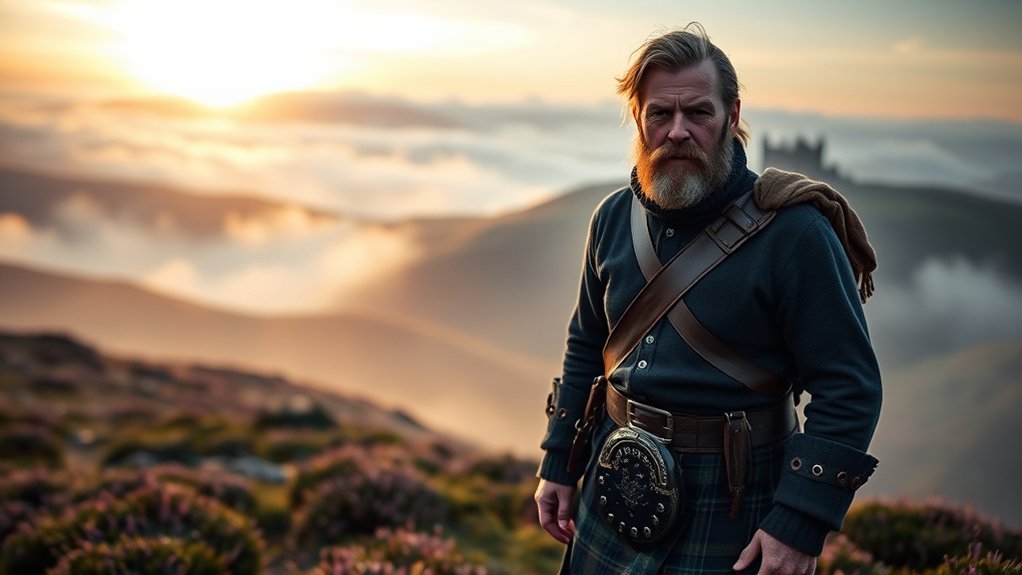
What Is a Highlander
A Highlander is someone from Scotland’s rugged northern and western Highlands, known for strong ties to clan heritage and regional culture. You’ll find their identity shaped by traditions like tartans and military history, but also rich social customs and distinct festivals.
Highlanders have played key roles in shaping Scotland’s past and cultural symbols. Their legacy continues today in politics, media, and tourism, connecting proud history with contemporary life.
This offers much to explore about their enduring influence and the vibrant culture they help preserve.
Key Takeaways
- A Highlander is a person originating from the Scottish Highlands, a mountainous and culturally distinct region in northern and western Scotland.
- Highlanders are traditionally associated with tartans, bagpipes, and clan-based social structures but have diverse customs beyond common stereotypes.
- Clan identity and kinship bonds are central to Highlander culture, symbolized through tartans and shared heritage.
- Historically, Highlanders played significant military roles using guerrilla tactics and clan organization in Scotland’s conflicts.
- Highlander culture influences Scotland’s history, traditions, festivals, cuisine, and modern media representation.
What Does the Term “Highlander” Mean in Scotland?
The term “Highlander” in Scotland refers to people originating from the Scottish Highlands, a mountainous region in the north and west of the country. When you hear “Highlander,” you might picture traditional tartan kilts and bagpipes, but these fashion myths often oversimplify complex cultural identities.
You should recognize that many urban legends surrounding Highlanders, such as their constant wearing of kilts, stem from romanticized 19th-century depictions rather than historical accuracy. In reality, Highlanders’ clothing and customs have evolved markedly over time, influenced by social, economic, and political changes.
Understanding what “Highlander” means requires you to move beyond stereotypes and acknowledge the diverse experiences and traditions within this group, rather than relying solely on popular myths or fictional portrayals.
Where the Scottish Highlands Are and Why They Matter to Highlanders
You’ll find the Scottish Highlands in the northern and western parts of Scotland, characterized by rugged terrain and sparse population. This region shapes Highlanders’ identities through its unique culture, history, and strong connection to the land. Understanding where the Highlands are helps explain why they hold such significance for those who live there.
Location of Scottish Highlands
Where exactly do the Scottish Highlands lie, and why do they hold such significance for Highlanders? The Highlands cover the northern and western parts of Scotland, distinguished by rugged terrain and sparse population. They stretch from the Great Glen in the south to the northern coast, encompassing mountain ranges like the Grampians.
This location is not an unrelated topic or irrelevant theme; it directly shapes Highland culture and identity.
You can pinpoint the Highlands by these features:
- Mountainous landscapes with peaks over 1,000 meters
- Sparse, rural settlements contrasted with lowland urban areas
- Borders defined roughly by the Highland Boundary Fault
- Proximity to the Atlantic Ocean and North Sea
Understanding this geography clarifies why the Highlands remain central to Highlander heritage.
Importance to Highlanders
Why do the Scottish Highlands hold such deep significance for Highlanders? The Highlands are more than just a geographic region; they embody a unique cultural identity shaped by history, landscape, and tradition.
You’ll find that the area influences Highlanders’ cultural cuisine, featuring local ingredients like game and berries that reflect the rugged terrain. The architectural styles in the Highlands also tell a story. Traditional stone cottages and castles adapt to the environment, showcasing practical design and historic resilience.
This connection to place reinforces a sense of belonging and continuity. Understanding where the Highlands are helps you grasp why Highlanders value their heritage so intensely; the land itself shapes their way of life, customs, and community cohesion, making it central to their identity.
What Role Highlanders Played in Historical Conflicts
You’ll find that Highlanders played a significant role in historical conflicts through their unique military contributions and tactics. Their skills were vital in several key battles, shaping outcomes in ways still studied today. Understanding these roles helps clarify how Highlander forces influenced broader military history.
Military Contributions and Tactics
Highlanders played a significant role in various historical conflicts, known for their fierce combat skills and unique tactics. When you examine their military contributions, you’ll see how their strategies influenced both historical warfare and modern fashion, especially through the iconic Highland dress.
Contrary to popular belief, many myths about their battlefield ferocity are exaggerated, so debunking myths helps clarify their true role.
You should note these key aspects of Highlander military tactics:
- Utilized guerrilla warfare and ambush strategies in rugged terrain
- Employed swift, close-quarters combat with traditional weapons
- Integrated clan-based organization for coordinated attacks
- Adapted to evolving military technology while preserving cultural identity
Understanding these contributions offers a clearer view of their historical impact beyond legend.
Highlanders in Key Battles
How did these fierce warriors shape the outcomes of key historical conflicts? Highlanders played pivotal roles in battles such as Bannockburn, Culloden, and the Napoleonic Wars, leveraging their intimate knowledge of rugged landscapes and fierce clan loyalty. Their combat skills, honed alongside traditions like clan music that boosted morale, were as crucial as their resilience fueled by highland cuisine.
| Battle | Role of Highlanders | Outcome Influence |
|---|---|---|
| Bannockburn | Guerrilla tactics, surprise | Scottish victory |
| Culloden | Defensive formation, bravery | Defeat, but lasting legacy |
| Napoleonic | Highland regiments’ discipline | Crucial Allied victories |
You see, their impact wasn’t just military. It intertwined with cultural elements, uniting warriors through shared heritage and sustenance.
How Highland Clans Influenced Community and Identity
What role did clans play in shaping community bonds and personal identity in the Scottish Highlands? Clans served as fundamental social units, anchoring individuals to shared heritage and mutual support. They reinforced Highland traditions by fostering loyalty, collective responsibility, and a distinct sense of belonging.
This structure helped individuals define themselves within a larger community, where kinship and allegiance were paramount.
You’ll notice clans influenced identity through:
- Establishing clear leadership and social hierarchy
- Preserving customs and oral histories unique to each clan
- Creating networks of protection and mutual aid
- Balancing traditional values with modern influences
How Highlanders Helped Shape Scotland’s History and Culture
You’ll find that Highland clans and their traditions played a pivotal role in shaping Scotland’s social structure and cultural practices. Their unique customs helped form a distinct Scottish identity recognized both within and beyond Scotland’s borders. Understanding this influence reveals how Highlanders contributed to the nation’s historical and cultural development.
Highland Clans and Traditions
Why do Highland clans remain central to understanding Scotland’s history and culture? These clans established social structures that shaped Highland life and influenced Scotland’s broader historical trajectory. Their traditions, governance, and territorial allegiances provide critical insights, avoiding irrelevant topics that distract from core cultural analysis.
When exploring Highland clans, consider these two word discussion ideas:
- Clan leadership
- Kinship bonds
- Tartans symbolism
- Traditional customs
Impact on Scottish Identity
Understanding Highland clans and their traditions sets the stage for recognizing how Highlanders have shaped Scotland’s identity. You’ll see that clan names carry historical weight, linking families to specific regions and fostering a strong sense of community.
These clans influenced social structures and political alliances, which helped define Scotland’s cultural landscape. Highland cuisine also plays a role, preserving traditional dishes that reflect the region’s natural resources and lifestyle.
By maintaining these culinary practices, Highlanders contributed to Scotland’s broader cultural heritage. When you explore Scottish history, you’ll notice Highlanders’ impact extends beyond battles and politics; it’s embedded in everyday life through language, customs, and food.
This multifaceted influence continues to shape Scotland’s national identity today.
What Traditional Highland Dress and Tartans Represent
What significance do traditional Highland dress and tartans hold beyond their visual appeal? When you explore traditional dress, you uncover a language of identity and heritage. Tartans, in particular, carry deep symbolism tied to clans, regions, and family lineage.
They represent more than patterns; they embody history and social structure.
You’ll find that tartan symbolism and traditional dress:
You’ll find that tartan symbolism and traditional dress reveal clan ties, heritage, and social meaning across generations.
- Signal clan allegiance and kinship bonds
- Reflect geographic origins and historical events
- Serve as markers of social status and roles
- Preserve cultural continuity across generations
Unique Customs and Festivals of Highlanders
Traditional Highland dress and tartans convey deep cultural meanings, but these symbols come alive through the customs and festivals that Highlanders continue to observe. When you attend Highland gatherings, you’ll notice the careful festivals logistics that ensure events run smoothly, from clan competitions to music performances.
These celebrations often feature a cuisine fusion, blending traditional Scottish dishes with contemporary influences, reflecting both heritage and adaptation. You’ll find that customs like the Highland Games showcase athletic skill and community spirit, while ceilidhs foster social connection through dance and music.
Understanding these unique customs helps you appreciate how Highlanders preserve their identity, balancing tradition with modernity in their cultural expressions.
How Highlander Culture Influences Modern Scotland
How does Highlander culture continue to shape modern Scotland’s identity and society? You’ll find that its influence remains strong in various domains, reflecting historical roots and ongoing relevance.
Highland politics, for instance, still echoes clan allegiances and values, impacting regional governance and local representation. Tartan symbolism transcends fashion, serving as a visual connection to heritage and community pride.
You can observe Highlander culture’s impact through:
- Political movements emphasizing regional autonomy and cultural preservation
- Continued use of clan tartans in official ceremonies and civic events
- Educational programs promoting Gaelic language and Highland history
- Tourism centered on Highland traditions, boosting economic and cultural awareness
Why Highlanders Became Famous in Movies and TV
Why have Highlanders captured the imagination of filmmakers and audiences alike? You’ll find that their distinctive culture, rich history, and striking landscapes make Highlanders compelling subjects for storytelling.
Movies and TV often highlight their rugged resilience and traditional attire, which has influenced celebrity fashion by inspiring tartan patterns and kilts on global runways. This visual appeal helps create memorable characters and settings.
Additionally, Highlanders’ connection to modern cuisine, such as the revival of local ingredients and traditional recipes, adds depth to their portrayal, reflecting evolving cultural values. When you watch Highlanders depicted on screen, you see a blend of historical authenticity and contemporary relevance, explaining their enduring popularity in entertainment media worldwide.
How to Experience Highlander Heritage Today
The cultural richness and visual appeal of Highlanders that captivate audiences on screen also offer numerous opportunities for you to engage with their heritage firsthand. Modern tourism has developed around preserving and showcasing Highlander traditions with tasteful aesthetics that respect historical accuracy while appealing to contemporary visitors.
You can explore authentic experiences that connect you to Highlander culture without relying solely on media portrayals. Consider these options:
- Visit Highland heritage museums and cultural centers presenting artifacts and history.
- Attend traditional Highland games and festivals featuring music, dance, and athletic competitions.
- Explore guided tours in the Scottish Highlands focusing on clan history and landscapes.
- Participate in workshops on Highland crafts, language, or cooking to gain immersive knowledge.
These activities provide a well-rounded understanding of Highlander heritage today.
Frequently Asked Questions
What Languages Do Highlanders Traditionally Speak?
You’ll find that languages historically spoken by Highlanders include Gaelic, which dominated, contrasting with Scots talk more common in Lowlands.
Understanding this distinction helps clarify cultural and linguistic shifts in Scotland’s history.
Are Highlanders Related to Irish or Welsh People?
You’re tracing roots as if untangling ancient knots. Highland ancestry is distinct but shares Celtic threads with Irish and Welsh cultural origins.
While related through ancient Celtic migrations, their identities evolved separately across time and geography.
What Foods Are Commonly Associated With Highlander Cuisine?
You’ll find foods of the Highlands include haggis, neeps, and tatties, which form traditional Highland fare. You’ll also encounter smoked salmon, oatcakes, and hearty stews emphasizing local, simple ingredients reflecting the region’s rugged environment.
How Do Highlanders Celebrate Weddings?
You’ll witness vibrant wedding customs as Highlanders blend traditional ceremonies with lively music, dancing, and symbolic rituals. These events emphasize community bonds and heritage, reflecting a deep respect for ancestral values and collective celebration.
What Wildlife Is Native to the Scottish Highlands?
You’ll find native wildlife like red deer, golden eagles, and pine martens thriving in Highland ecosystems. These species depend on diverse wildlife habitats, including moorlands and forests, which are critical for maintaining ecological balance in the Scottish Highlands.
Conclusion
As you explore Highlander heritage, remember that “a tree is known by its fruit.” Highlanders shaped Scotland’s history, culture, and identity through their unique customs, clans, and resilience.
Their influence persists in modern Scotland and popular culture, offering rich insights into community and tradition. By understanding their legacy, you appreciate how the Highlands remain essential to Scotland’s story.
Experiencing this heritage firsthand deepens your connection to its enduring spirit and helps you truly understand what a Highlander represents.