How Long Is a Honda Pilot
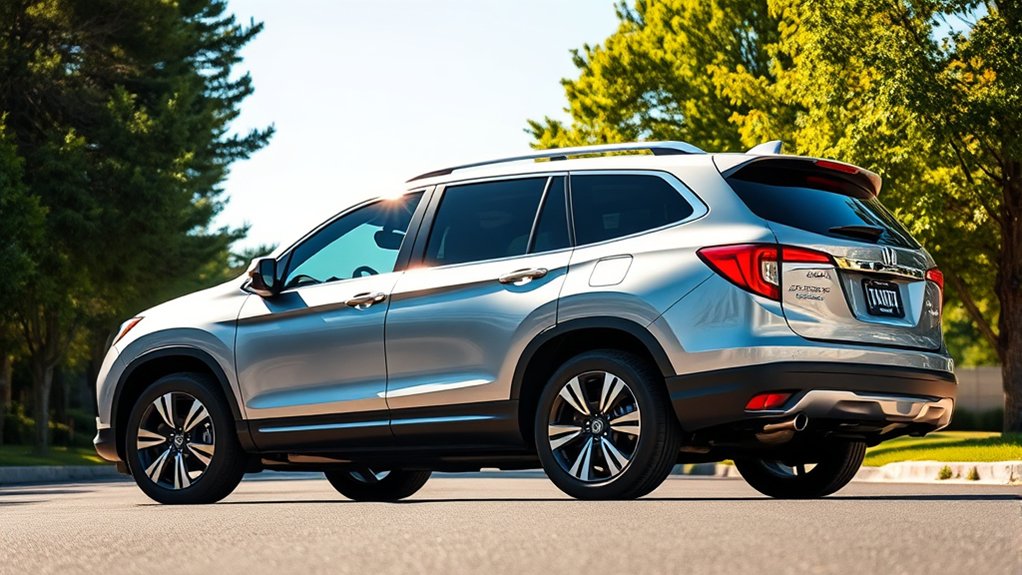
The Honda Pilot measures about 196.5 inches long, placing it firmly in the midsize SUV category. This precise length impacts how it fits in parking spaces and garages, especially in urban areas with tight spots.
Its size balances passenger comfort with cargo capacity while maintaining manageable maneuverability and stability on the road.
Understanding the Pilot’s length helps you assess its practicality for your daily driving and parking needs. Exploring further reveals how this dimension influences overall performance and space.
Key Takeaways
- The current Honda Pilot model measures approximately 196.5 inches in length.
- This length places the Pilot firmly in the midsize SUV category, balancing space and maneuverability.
- The Pilot is longer than compact SUVs but shorter than full-size SUVs, aiding parking and handling.
- Its length affects parking fit, garage compatibility, and driving stability, especially in urban environments.
- The Pilot’s three-row design offers up to 83.9 cubic feet of cargo capacity with folded seats.
How Long Is the Honda Pilot Exactly?
How long is the Honda Pilot exactly? The current model measures about 196.5 inches in length. This precise measurement helps you understand its footprint on the road and how it fits in parking spaces.
While it might be tempting to make a random comparison, such as comparing the Pilot’s length to something unrelated like a dining table, such comparisons often confuse rather than clarify. Instead, focusing on the exact length gives you a clear idea of the vehicle’s size without drifting into unrelated topics.
Knowing this dimension is essential when you’re considering garage space or maneuverability. So, when you hear the length of the Honda Pilot, you’re getting a specific, reliable figure that directly impacts your driving and parking experience.
How Does the Honda Pilot’s Length Compare to Other SUVs?
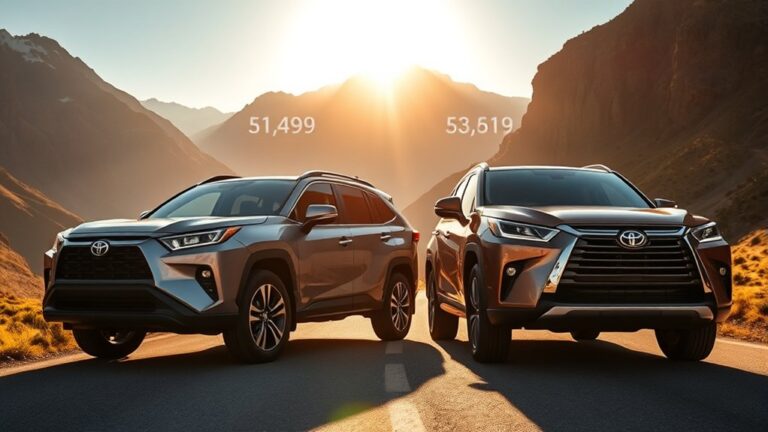
When comparing the Honda Pilot’s length to other SUVs, you’ll find it sits comfortably in the midsize category. At around 196-197 inches, it’s longer than compact SUVs yet shorter than full-size ones, balancing space and maneuverability well.
Here’s how it stacks up:
Here’s how the Honda Pilot measures up against other midsize SUVs in length and features.
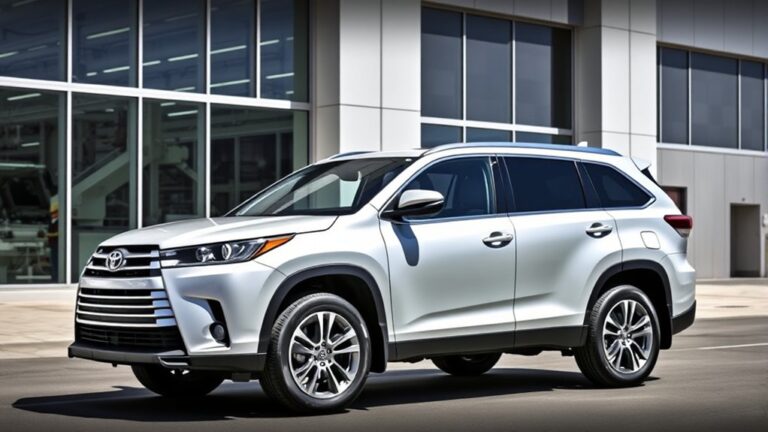
- Toyota Highlander: Slightly shorter, offering similar fuel economy but tighter cargo space.
- Ford Explorer: Longer, providing more interior room but potentially higher maintenance intervals and fuel costs.
- Mazda CX-9: Comparable length with sportier handling, often praised for better fuel economy.
- Chevrolet Traverse: Longer overall, giving extra passenger space but with increased upkeep demands.
Understanding these comparisons helps you weigh length against factors like fuel economy and maintenance intervals in your SUV choice.
Why Honda Pilot Length Matters for Parking and Garages
Considering the Honda Pilot’s length alongside other SUVs gives you insight into its overall size, but understanding its impact on parking and garage use is equally important. When you park, the Pilot’s length influences how easily it fits into standard spaces, especially in urban areas with tight spots.
Garages, often designed for smaller vehicles, may require you to measure carefully before parking to avoid damage. Focusing on unrelated topics like interior features or making an irrelevant comparison to much smaller cars won’t help you assess parking challenges.
Instead, concentrate on the actual dimensions and how they relate to your typical parking environment. This practical approach ensures you’re prepared for real-world use rather than distracted by extraneous factors that don’t affect parking or garage fit.
How the Honda Pilot’s Length Affects Driving and Handling
When you’re behind the wheel of a Honda Pilot, its length directly influences how easily you can maneuver in tight spaces like city streets or crowded parking lots. You’ll also notice that this length contributes to the vehicle’s stability during high-speed driving, providing a smoother and more controlled ride. Understanding these effects helps you anticipate how the Pilot handles in different driving conditions.
Maneuverability in Tight Spaces
How does the Honda Pilot’s length influence your ability to navigate tight spaces? Its size can challenge your maneuverability, but thoughtful design helps maintain parking accuracy and ease. You’ll notice how mirror placement enhances visibility, reducing blind spots and boosting confidence when squeezing into narrow spots.
Here’s what impacts your experience:
- The Pilot’s moderate length demands careful steering in confined areas.
- Well-positioned mirrors improve your spatial awareness.
- Tight cornering requires attention but is manageable with practice.
- Rearview camera support complements mirror placement, aiding precise parking.
Stability at High Speeds
While the Honda Pilot’s length can require extra caution in tight spaces, it plays a different role once you’re on the open road. The vehicle’s extended body contributes positively to its stability at high speeds, providing a smoother, more controlled driving experience.
Stability testing shows that the Pilot maintains composure even during sudden lane changes or in windy conditions. Its length helps reduce the impact of crosswinds, minimizing sway and enhancing driver confidence.
However, this length can slightly increase wind noise compared to smaller SUVs, especially at highway speeds. Still, Honda’s aerodynamic design works to limit this effect, balancing comfort and stability.
What Honda Pilot Interior Space Looks Like at This Size
You’ll find the Honda Pilot comfortably seats up to eight passengers, offering spacious headroom and legroom across three rows. Its cargo space measures up to 83.9 cubic feet with the rear seats folded down, providing ample room for gear and luggage. Understanding these dimensions helps you see how the Pilot’s size translates into practical interior space.
Seating Capacity Overview
What can you expect from the Honda Pilot’s seating capacity? The Pilot comfortably seats up to eight passengers, balancing interior space with fuel efficiency. You’ll notice thoughtful design elements addressing privacy concerns, like tinted rear windows and adjustable shades, enhancing comfort for all riders. Here’s what stands out:
- Three rows of seats provide flexible configurations for passengers and gear.
- The second row offers captain’s chairs or a bench option, depending on your needs.
- Ample legroom and headroom ensure comfort, even on longer drives.
- Easy access to the third row through wide door openings minimizes hassle.
This seating setup maximizes space without compromising fuel efficiency, making the Pilot a practical choice for families and groups who value comfort and privacy on the road.
Cargo Space Dimensions
How much cargo space does the Honda Pilot offer to accommodate your gear and daily essentials? The Pilot provides a versatile cargo capacity that adapts to your needs.
With all three rows in use, you get about 16.5 cubic feet of space behind the third row, enough for groceries or small bags. Folding the third row down expands the cargo area to roughly 46.8 cubic feet, perfect for larger items or weekend trips.
If you fold both the second and third rows, the maximum cargo capacity reaches approximately 83.9 cubic feet, giving you ample room for bulky gear. The exterior design of the Pilot balances sleek styling with practicality, ensuring the cargo space is accessible without compromising the vehicle’s overall length and maneuverability.
How Honda Pilot Length Has Changed Over the Years
Ever wondered how the size of the Honda Pilot has evolved since its introduction? Tracking its length over the years reveals practical changes rather than unrelated discussion or off topic considerations. Here’s a clear breakdown:
- The first-generation Pilot (2003–2008) measured about 189.2 inches long, offering a compact yet spacious feel.
- The second generation (2009–2015) grew to approximately 190.5 inches, reflecting slight design tweaks for improved interior space.
- The third generation (2016–2022) extended further to around 196.5 inches, enhancing cargo and passenger comfort.
- The latest models maintain this length, balancing road presence with maneuverability.
These changes show Honda’s intent to optimize size without overwhelming drivers, making the Pilot adaptable for different needs over time.
Size-Based Tips for Choosing the Honda Pilot or Similar SUVs
Understanding the evolving dimensions of the Honda Pilot helps you make an informed choice when selecting this SUV or similar models. If you prioritize maneuverability and a sportier handling experience, consider models with a shorter wheelbase. These tend to be easier to park and navigate through tight city streets without sacrificing too much interior space.
Conversely, if passenger comfort and cargo capacity are your main concerns, a longer wheelbase might suit you better, despite the slightly reduced agility. Also, pay attention to overall length, especially if you frequently use garages or parking structures with size restrictions.
Assess your daily driving environment and needs carefully. Choosing the right size ensures you get the balance between convenience, performance, and comfort that fits your lifestyle.
Frequently Asked Questions
What Is the Fuel Efficiency of the Honda Pilot?
You’ll find the Honda Pilot’s fuel economy averages around 20 MPG city and 27 MPG highway mileage. It balances power and efficiency well, making it a solid choice if you want decent fuel economy on long drives.
How Many Passengers Can the Honda Pilot Seat?
You can cram up to eight passengers into the Honda Pilot if you ignore driver safety and personal space.
Thankfully, its thoughtful interior space design balances comfort and safety, making every ride roomy enough for your squad without sacrificing driver control.
What Safety Features Does the Honda Pilot Offer?
You’ll appreciate the Honda Pilot’s safety features like Honda Sensing®, which includes collision mitigation braking, road departure mitigation, adaptive cruise control, and lane keeping assist. These tech enhancements are designed to support safe driving every time you’re behind the wheel.
What Is the Honda Pilot’s Towing Capacity?
You’ll find the Honda Pilot’s towing capacity reaches up to 5,000 pounds, balancing power with fuel efficiency. This makes it ideal for hauling trailers or boats without sacrificing much in gas mileage during your trips.
How Does the Honda Pilot Perform in Off-Road Conditions?
You’ll appreciate the Honda Pilot’s off-road grip, enhanced by its Intelligent Traction Management system.
It delivers reliable off-road durability, making rough terrains manageable, thanks to its robust suspension and all-wheel-drive capabilities designed for varied conditions.
Conclusion
Now that you know the Honda Pilot stretches about 196 to 200 inches, you’re ready to make smart decisions about parking and driving. Its size strikes a perfect balance—big enough for family adventures without feeling like you’re piloting a small spaceship.
Keep in mind how its length has evolved and how it compares to other SUVs to find the best fit for your lifestyle. This knowledge will steer you right every time!
Understanding exactly how long a Honda Pilot is can help you navigate both city streets and open highways with confidence.