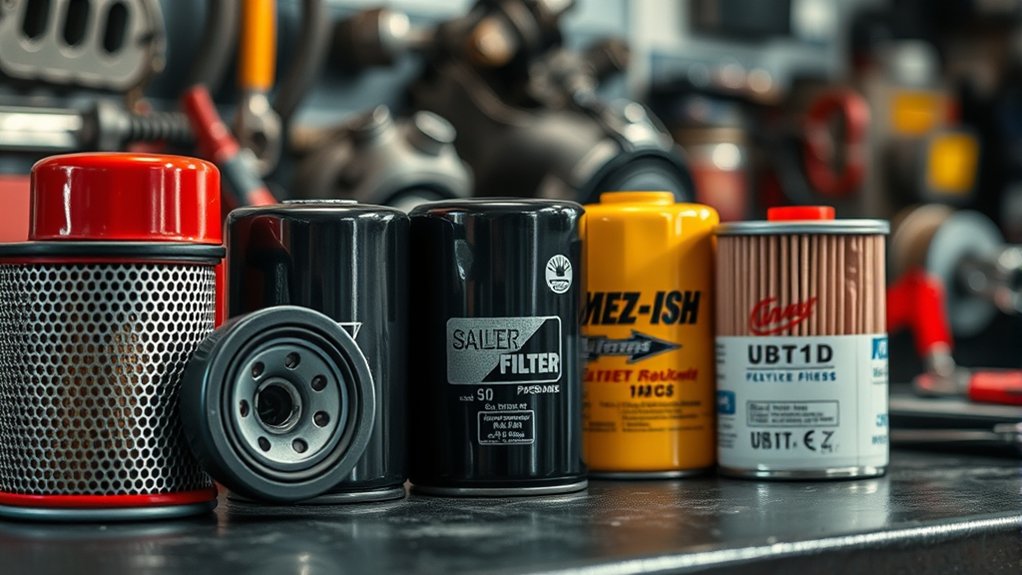
Does Oil Filter Brand Matter
Yes, oil filter brand matters because filtration efficiency varies substantially, directly affecting your engine’s health and longevity. The quality of the oil filter can influence how well contaminants are removed from the oil, which is crucial for maintaining engine performance.
Premium brands use advanced media, reinforced components, and precise seals to ensure contaminants don’t bypass the filter. This reduces wear and helps maintain consistent lubrication, extending the life of your engine.
On the other hand, budget filters may compromise on critical features, risking oil cleanliness and causing potential engine damage. Choosing the right brand involves evaluating performance data and considering your specific engine needs.
Understanding these differences will clarify when investing in a top-tier filter benefits your vehicle most. Selecting a reliable oil filter brand is a key step toward protecting your engine and ensuring optimal operation.
Key Takeaways
- Oil filter brand affects filtration efficiency, impacting engine wear and overall engine health.
- Premium brands use advanced materials that capture finer contaminants and resist collapse under pressure.
- Budget filters may have weaker components and less effective anti-drainback valves, risking oil flow and filtration quality.
- Reliable brands meet strict standards, ensuring consistent lubrication and longer engine life.
- Spending more on name-brand filters benefits high-performance engines, extreme conditions, and extended oil-change intervals.
Why Oil Filter Brand Matters for Your Engine
Why does the oil filter brand matter for your engine’s performance and longevity? You need to understand that not all filters deliver the same filtration efficiency, which directly impacts your engine’s health.
Some brands use misleading marketing tactics, exaggerating their filters’ capabilities to attract buyers. If you fall for these claims, you might end up with a filter that allows contaminants to bypass the media, accelerating wear and reducing engine life.
Choosing a reputable brand ensures that the filter meets strict standards, effectively trapping harmful particles without restricting oil flow. This balance is critical because poor filtration efficiency compromises lubrication and increases engine stress.
How Premium Oil Filters Stand Out From Budget Options
How do premium oil filters consistently outperform budget options in protecting your engine? It comes down to superior engineering and materials that enhance filtration efficiency and durability. When you choose a premium build, you benefit from:
- Advanced synthetic filter media capturing finer contaminants
- Reinforced metal end caps preventing collapse under pressure
- Precise sealing gaskets reducing oil leaks
- Enhanced anti-drainback valves ensuring immediate oil flow at startup
- Rigorous testing standards verifying performance under extreme conditions
These features ensure contaminants are trapped more effectively, extending engine life and maintaining optimal lubrication. Budget filters often compromise on these critical elements, resulting in lower filtration efficiency and potential engine wear. By investing in premium oil filters, you’re ensuring consistent protection through superior design and materials engineered to meet high-performance demands.
How to Pick the Right Oil Filter Brand for Your Car
Selecting the right oil filter brand requires analyzing compatibility, performance data, and manufacturer reputation to ensure optimal engine protection. You need to verify the filter’s specifications match your engine’s requirements, focusing on filtration efficiency and flow rate.
Brand loyalty can influence your choice, but prioritize objective test results and adherence to OEM standards. Consider durability, media quality, and anti-drainback features.
Here’s a concise comparison to guide you:
| Brand | Filtration Efficiency (%) | Compatibility Rating |
|---|---|---|
| Brand A | 98 | High |
| Brand B | 95 | Medium |
| Brand C | 92 | High |
| Brand D | 90 | Low |
Use this data to balance oil filtration performance with your car’s specific requirements.
When Should You Spend More on a Name-Brand Oil Filter?
While comparing filtration efficiency and compatibility ratings helps narrow down your options, deciding when to invest in a premium name-brand oil filter depends on specific conditions and performance demands. You should consider spending more when brand reliability directly impacts engine longevity and oil cleanliness. Name-brand filters often provide superior media quality, tighter tolerances, and better anti-drainback valves, which enhance filtration efficiency under stress.
Choose a premium oil filter if you:
- Drive high-performance or turbocharged engines
- Frequently operate in extreme temperatures
- Extend oil change intervals beyond standard recommendations
- Require enhanced protection against contaminants and wear
- Prioritize consistent brand reliability for critical engine components
In these scenarios, the added cost translates into measurable benefits, justifying the investment in a reputable name-brand filter.
Frequently Asked Questions
Can I Reuse an Oil Filter After Changing Oil?
You shouldn’t reuse an oil filter after changing oil; it loses effectiveness. Instead, focus on recycling filters properly and follow DIY disposal guidelines to prevent environmental harm.
This approach helps guarantee your engine’s optimal performance and longevity.
How Do Oil Filters Affect Oil Change Intervals?
Oil filters directly impact oil change intervals by maintaining oil cleanliness. If you use high filter quality, you can extend intervals safely.
Inferior filters clog faster, reducing efficiency and forcing more frequent oil changes to protect your engine.
Are Synthetic Oil Filters Better Than Standard Ones?
Yes, synthetic filters generally outperform standard filters in filtration efficiency and durability. However, you’ll face durability tradeoffs and higher price considerations, so weigh synthetic filters’ benefits against your vehicle’s specific needs and budget constraints carefully.
What Happens if I Install an Oil Filter Incorrectly?
If you install an oil filter incorrectly, oil filter misalignment can cause leaks, reduced oil pressure, or engine damage. Proper oil filter installation ensures a secure seal and optimal oil flow, preventing mechanical failures and maintaining engine performance.
Do Oil Filters Impact Fuel Efficiency?
Think of your engine as a river; a clogged oil filter disrupts oil viscosity, increasing friction. This inefficiency reduces fuel economy, so maintaining proper filtration helps your engine flow smoothly and boosts your vehicle’s overall efficiency.
Conclusion
Choosing the right oil filter brand is like selecting a shield for your engine’s heart. Premium filters act as precise guardians, trapping contaminants with finesse, while budget options may let risks slip through cracks.
When you invest in a trusted name, you’re not just buying a part—you’re ensuring longevity and peak performance. So, weigh quality over cost; your engine’s health depends on the filter you trust to defend it.
In the end, the oil filter brand matters because it directly impacts your engine’s durability and efficiency.