Do Cars Come With Jumper Cables
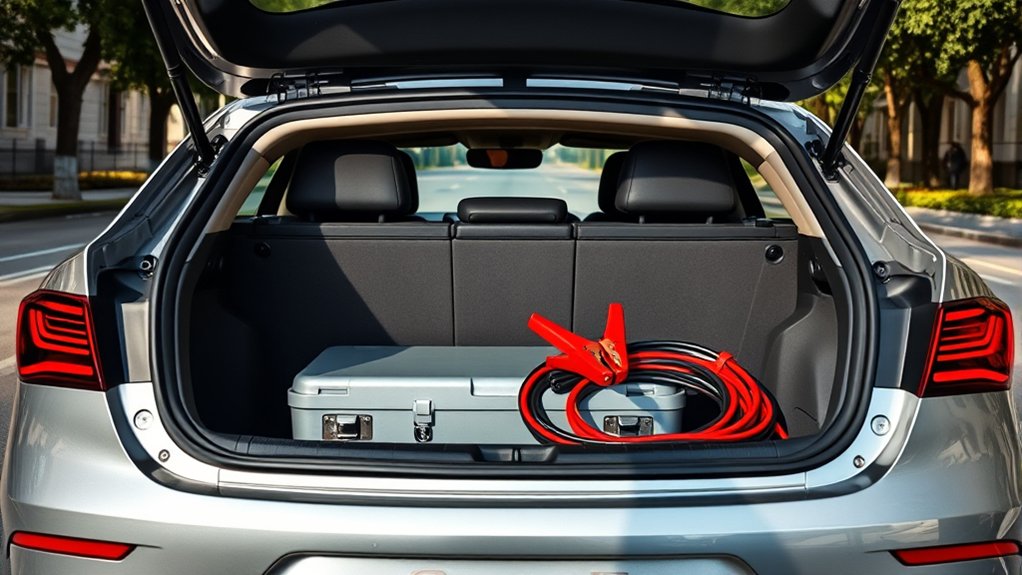
Most new cars don’t come with jumper cables because advances in battery technology and roadside assistance reduce the need for them. Manufacturers omit cables to cut costs, save space, and avoid safety issues tied to improper use.
Some brands like Toyota or Jeep may include cables in specific trims for practicality. Instead, portable jump starters or integrated battery systems are common alternatives. Understanding why cables are excluded and how to choose proper tools can help you stay prepared.
Do New Cars Usually Come With Jumper Cables?
Do new cars usually come with jumper cables? Generally, they don’t. Manufacturers often exclude jumper cables due to evolving battery chemistry and the complexities of the supply chain.
Modern vehicles increasingly rely on advanced battery types, like lithium-ion or enhanced lead-acid variants, which have different maintenance and jump-start requirements compared to traditional batteries. Additionally, the supply chain influences what accessories are included, as automakers streamline packaging and reduce costs by omitting items deemed non-essential.
Instead, many new cars come with alternative solutions such as battery charging ports or portable jump starters. While it’s technically feasible to include jumper cables, changes in battery chemistry and supply logistics have shifted industry norms, so you shouldn’t expect them as standard equipment in most new vehicles.
Why Some Car Makers Don’t Include Jumper Cables
Why have some car makers decided to exclude jumper cables from their vehicles? Primarily, manufacturers focus on streamlining features based on market research, safety protocols, and cost-effectiveness. Including jumper cables can be seen as an outdated necessity due to advanced battery technologies and roadside assistance services.
Addressing unrelated topics or irrelevant questions, such as aftermarket accessories, diverts from understanding these strategic decisions.
| Reason | Explanation |
|---|---|
| Advanced Battery Tech | Longer-lasting batteries reduce jump-start needs |
| Roadside Assistance | Many buyers rely on professional help |
| Safety Concerns | Improper use of cables can cause damage or injury |
| Cost Reduction | Omitting cables lowers production and packaging costs |
| Vehicle Design | Space constraints limit inclusion of additional tools |
Car Brands That Include Jumper Cables
While many manufacturers omit jumper cables due to evolving technology and cost considerations, several car brands continue to include them as a standard or optional accessory. If you want to avoid unrelated topic confusion or random ideas about auxiliary equipment, focus on these brands known for providing jumper cables:
- Toyota – Many Toyota models come equipped with jumper cables in the emergency kit, especially in SUVs and trucks.
- Ford – Selected Ford trucks and SUVs include jumper cables as part of their roadside assistance kit.
- Jeep – Known for off-road readiness, Jeep often includes jumper cables to enhance vehicle self-sufficiency.
These inclusions reflect practical engineering decisions tailored to user needs rather than random ideas or unrelated topics.
Jumper Cable Availability By Trim Level
How extensively jumper cables are included often depends on the trim level you choose. Base trims typically come with standard jumper cables, ensuring compliance with basic jump start protocols.
However, higher trim levels may offer enhanced kits featuring improved battery insulation materials to prevent short circuits and electrical damage during use. Some premium trims include manufacturer-specific jump start kits designed to integrate seamlessly with the vehicle’s electrical system, reducing the risk of improper connections.
When selecting your trim, consider these variations carefully, especially if you frequently drive in cold climates where battery performance can decline. Understanding the differences in jumper cable availability and quality by trim level ensures you’re prepared for emergencies while maintaining the integrity and safety of your vehicle’s battery system.
Alternatives To Jumper Cables In New Cars
Considering the variations in jumper cable quality and availability across trim levels, it’s important to recognize that many new cars now come equipped with alternatives to traditional jumper cables. These solutions enhance reliability and protect your vehicle’s battery warranties by reducing improper jump starts.
- Integrated Battery Management Systems (BMS): These systems monitor battery health and optimize advanced charging cycles, reducing the need for external jump starts.
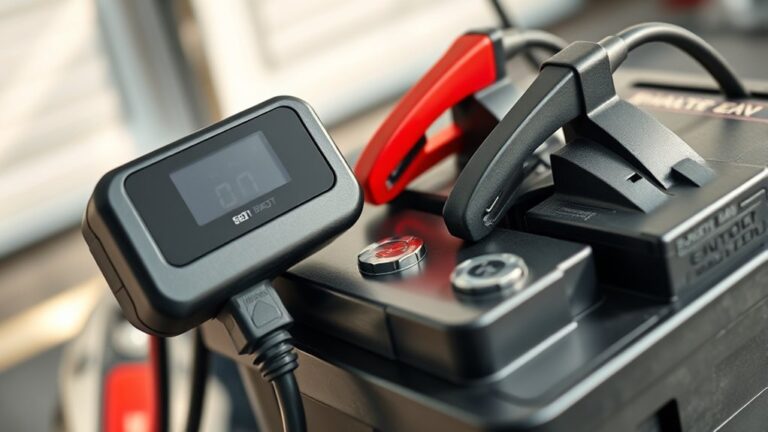
- Portable Jump Starters: Compact, lithium-ion powered devices offer a quick, safe boost without relying on another vehicle, ideal for emergencies.
- Remote Start and Smart Charging: Some models provide remote start features that manage battery charge levels proactively, preventing deep discharge and maintaining warranty compliance.
Risks Of Using Manufacturer-Supplied Jumper Cables
You should be aware that manufacturer-supplied jumper cables often have quality concerns due to cost-cutting measures. Using them can pose safety hazards if the cables lack proper insulation or adequate gauge thickness. Additionally, these cables typically have limited durability, reducing their reliability in emergency situations.
Quality Concerns
Why should you be cautious when relying on manufacturer-supplied jumper cables? These cables often fall short in durability and performance, especially with new batteries or vehicles equipped with solar charging systems. You might face unexpected issues if the cables aren’t up to par.
- Insufficient Gauge: Thin cables can’t handle high current, causing voltage drops that impair effective charging of new batteries.
- Subpar Clamps: Weak clamps may fail to secure a solid connection, risking incomplete power transfer during solar charging or jump starts.
- Material Quality: Low-grade copper or aluminum wiring increases resistance and heat buildup, reducing cable lifespan and reliability.
Understanding these concerns helps you avoid equipment failure and ensures your jump start efforts succeed.
Safety Hazards
How safe are manufacturer-supplied jumper cables during emergency use? While they may seem convenient, these cables often pose safety hazards you need to be aware of. Poor insulation and thin gauge wires can cause overheating or sparks, increasing the risk of electrical shorts or fires.
Additionally, substandard clamps might slip, leading to accidental reverse polarity connections that can damage your vehicle’s electrical system. It’s important not to confuse this with an irrelevant topic or unrelated discussion about cable length or storage.
Your focus should be on the direct risks these cables present during use. Always inspect manufacturer-supplied cables carefully before relying on them, and consider investing in higher-quality alternatives to ensure your safety when jump-starting a vehicle.
Limited Durability
What happens when manufacturer-supplied jumper cables fail under repeated use? These cables typically have limited durability, which can compromise their effectiveness in critical moments.
Since they’re designed for occasional use, frequent attempts to jump-start your car battery can cause insulation wear, corrosion on clamps, and internal wire breakage. When this happens, you risk being stranded without reliable cables, forcing you to seek roadside assistance.
Here are three common signs of limited durability failure:
- Frayed or cracked insulation exposing bare wires
- Loose or corroded clamps that don’t secure tightly
- Reduced cable flexibility indicating internal wire damage
Understanding these risks helps you prepare better, ensuring your jumper cables function properly when you need them most.
How To Choose The Right Jumper Cables
When choosing jumper cables, you need to consider the cable length to ensure they reach between vehicles comfortably. Pay close attention to gauge thickness, as lower gauge numbers mean thicker cables that handle higher current more effectively. Also, inspect clamp quality to guarantee a secure, corrosion-resistant connection during use.
Cable Length Importance
Why does cable length matter when choosing jumper cables? The length directly impacts your ability to safely and effectively connect to a car battery during jump starting. Too short, and you won’t reach both batteries comfortably; too long, and you risk voltage drop and tangled cables.
Consider these points when selecting cable length:
- Vehicle Distance: Ensure cables are long enough to span between vehicles, especially larger ones like trucks or SUVs.
- Safety Clearance: Longer cables provide space to position vehicles without the batteries touching, reducing hazard risks.
- Ease of Handling: Avoid excessively long cables that complicate storage and increase resistance, affecting jump starting efficiency.
Choosing the right cable length optimizes performance and safety during emergency jump starting scenarios.
Gauge Thickness Explained
How thick should jumper cables be to ensure efficient power transfer? The gauge thickness directly affects current flow, crucial for vehicles with sensitive systems like ignition timing and fuel injectors.
Thicker cables (lower gauge numbers, such as 4 or 6 gauge) provide less resistance, enabling higher amperage flow without voltage drop. This ensures stable power delivery to your vehicle’s battery, supporting the precise operation of electronic components.
Using cables that are too thin (higher gauge number, like 10 or 12) can result in insufficient current, risking poor ignition timing and suboptimal fuel injector performance. For most cars and light trucks, 4 to 6 gauge cables offer an optimal balance between flexibility and power capacity, allowing reliable starts without stressing sensitive engine electronics.
Choose gauge thickness based on your vehicle’s electrical demands.
Clamp Quality Matters
Selecting the right gauge thickness sets a solid foundation, but the effectiveness of jumper cables also depends heavily on clamp quality. You can’t overlook this critical aspect, as poor clamps reduce conductivity, making your efforts futile.
Avoid the unused topic of aesthetics; focus instead on these technical features:
- Material Composition: Choose clamps made from copper or copper-plated steel for superior electrical conductivity and corrosion resistance.
- Spring Tension: Ensure clamps have strong, reliable springs to maintain firm contact with battery terminals, preventing slippage.
- Jaw Design: Opt for clamps with wide, serrated jaws that grip tightly without damaging terminals.
Ignoring clamp quality is an irrelevant idea that compromises performance. Prioritize these specifications to ensure your jumper cables deliver reliable, efficient power transfer every time.
Tips For Safely Jump-Starting Your Car Battery
When jump-starting your car battery, where you connect the cables matters just as much as the order in which you attach them. Begin by attaching the positive (red) clamp to the dead battery’s positive terminal, then connect the other positive clamp to the booster battery’s positive terminal.
Next, attach the negative (black) clamp to the booster battery’s negative terminal. For safety considerations, connect the final negative clamp to an unpainted metal surface on the dead car’s engine block, away from the battery. This minimizes sparking near the battery, reducing explosion risk.
Always ensure both vehicles are off before connecting cables, and avoid touching clamps together. Wearing gloves and eye protection further safeguards you. Following these steps precisely protects both you and your car battery during jump-starting.
What To Do If Your Car Doesn’t Have Jumper Cables
What steps should you take if your car doesn’t have jumper cables on hand? First, avoid falling for non technical marketing claims or unrelated speculations about alternative jump-start methods. Instead, follow these precise actions:
- Use a portable jump starter: This compact device provides a direct power source without needing another vehicle.
- Call roadside assistance: Professionals have the proper tools and expertise to safely jump-start or tow your vehicle.
- Seek help from another driver: If possible, borrow jumper cables from a nearby car owner to perform a traditional jump-start.
Frequently Asked Questions
How Do Jumper Cables Work to Start a Dead Battery?
You connect jumper cables to transfer power from a charged battery to a dead one, overcoming how car batteries discharge. Don’t believe common jump start myths. Proper cable order and secure connections ensure safe, effective starting.
Can Jumper Cables Damage My Car’s Electrical System?
Yes, improper jumper cables compatibility can damage your car’s electrical system. To ensure electrical system safety, always match voltage ratings and connect cables correctly.
This helps prevent surges or shorts that may harm sensitive electronics.
What Length and Gauge Are Best for Jumper Cables?
You’ll want jumper cables length between 12 to 20 feet for flexibility, and a gauge size of 4 to 6 for ideal current flow.
Thicker cables (lower gauge) handle higher amps safely and reduce voltage drop.
How Often Should Jumper Cables Be Replaced?
You should replace jumper cables every 3-5 years to maintain reliability perception. Frequent maintenance frequency checks for corrosion, frayed wires, or loose clamps ensure optimal performance and safety during jump-starts, preserving cable integrity.
Are There Portable Jump Starters Instead of Cables?
Yes, you can use portable jump starters instead of cables. They enhance automotive safety by providing a compact, reliable power source to start your vehicle quickly, reducing risks associated with traditional jumper cable use in emergencies.