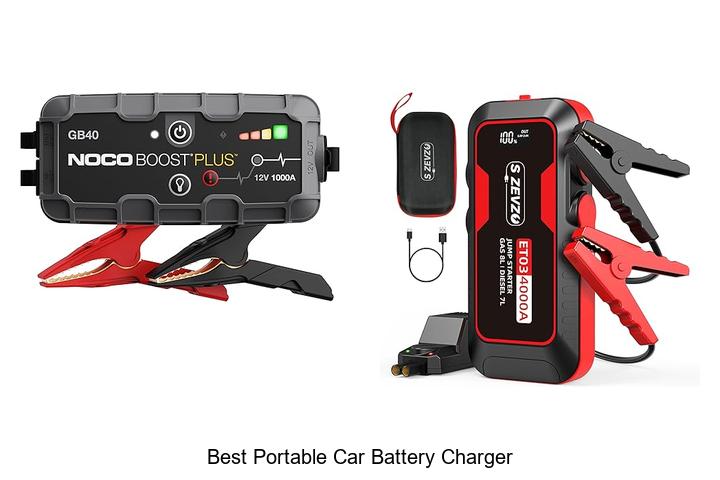
How to Battery Charger Car
To safely battery charger car, first work in a ventilated area and wear gloves and goggles. Disconnect ignition and electrical systems, then confirm the charger is off and matches battery specs.
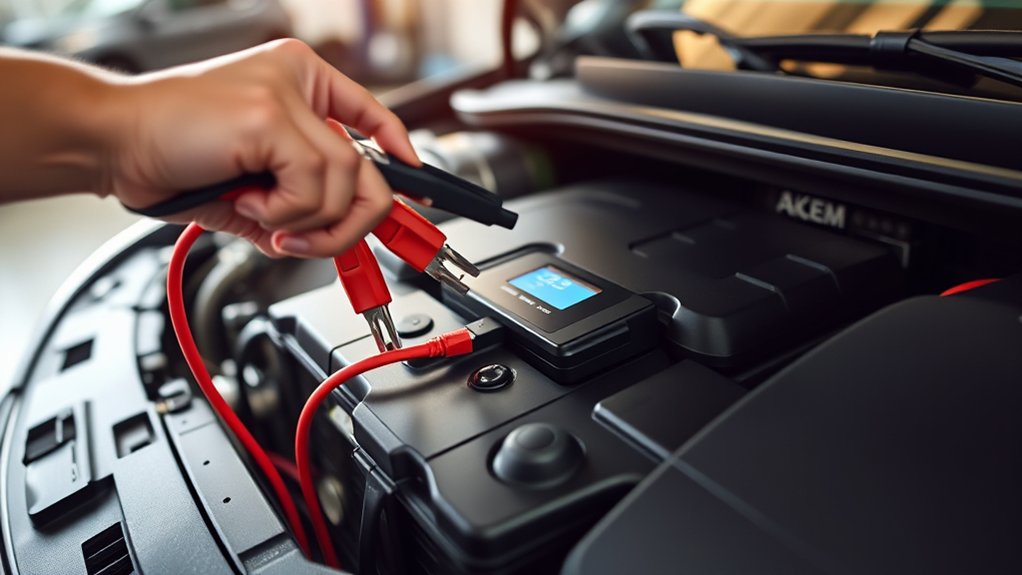
Connect the red clamp to the positive terminal, black to negative, ensuring clamps don’t touch. Secure connections, plug in the charger, and select the appropriate charging mode.
Monitor voltage and current, watch for heat or corrosion, then unplug in reverse order. Proper charging assures battery health and longevity; further instructions can guide you through each detailed step.
Safety Tips Before Charging Your Car Battery
Before you start charging your car battery, how can you guarantee your safety? First, avoid distractions by ignoring any unused topic idea 1 that might divert your focus.
Before charging your car battery, eliminate distractions to maintain focus and ensure your safety.
Ensure you’re working in a well-ventilated area to prevent the buildup of explosive gases. Always wear protective gear, including gloves and safety goggles, to shield yourself from acid splashes.
Disconnect the charger and car battery cables carefully, preventing sparks. Remember, the irrelevant concept 2 about environmental conditions doesn’t apply here; concentrate solely on immediate safety steps.
Inspect the battery for cracks or leaks before proceeding. Confirm your charger’s specifications match your battery type to prevent overcharging.
How to Choose the Right Car Battery Charger
You need to select a charger type that matches your battery’s chemistry and size for optimal performance. Check the charger’s voltage and amperage ratings to ensure compatibility with your car battery. Understanding these specifications helps you avoid damage and ensures efficient charging.
Charger Types Explained
How do you determine which car battery charger suits your needs best? Start by understanding the primary charging types: standard, trickle, and rapid. Standard chargers deliver a steady current to restore battery power over several hours, ideal for routine maintenance.
Trickle charging supplies a low, continuous current that prevents battery discharge without overcharging, perfect for long-term storage. Rapid chargers provide a high current for quick recharges but require careful monitoring to avoid battery damage.
Selecting the right charger depends on how often you use your vehicle and how quickly you need the battery charged. If you seldom drive or store your car, a trickle charger maintains battery health efficiently. For frequent use, a standard charger balances speed and safety effectively.
Power Compatibility Guide
Where should you start when matching a car battery charger to your vehicle’s power requirements? First, identify your battery’s voltage, commonly 12V for most cars, and its ampere-hour (Ah) rating. Ensure the charger’s output voltage matches your battery voltage to maintain power compatibility.
Next, select a charger with an appropriate charging current. Typically, a charger delivering 10–30% of the battery’s Ah rating optimizes charger efficiency and battery health. Avoid chargers with excessive current, which can overheat or damage the battery.
Also, verify that the charger supports the battery type, such as lead-acid, AGM, or lithium-ion, since charging algorithms differ. By aligning voltage, current, and battery chemistry, you’ll maximize charger efficiency, ensure safe operation, and prolong battery lifespan.
This precise selection process guarantees reliable, efficient charging tailored to your vehicle’s specifications.
How to Prepare Your Car and Battery for Charging
Before charging, inspect the battery for cracks, leaks, or corrosion that could affect performance. Make sure you disconnect the car’s electrical systems to prevent damage during charging. Always wear protective gear and work in a well-ventilated area to ensure safety throughout the process.
Inspect Battery Condition
Why is inspecting your battery’s condition crucial prior to charging? Proper inspection ensures safe and effective charging by identifying issues like corrosion, leaks, or damage. Begin by visually examining the battery terminals and cables for corrosion or loose connections.
Use a diagnostic soundtrack if available. Some advanced chargers emit tones indicating battery status or faults. Check the battery case for cracks or bulges, signs of internal damage. Confirm electrolyte levels in non-sealed batteries, topping off with distilled water if necessary.
Incorporate this inspection into your seasonal maintenance routine to prevent unexpected failures. Testing battery voltage with a multimeter can also provide insight into its charge state and health. Thorough inspection prevents damage during charging and prolongs battery lifespan.
Ensure Safety Precautions
How do you prepare your car and battery to guarantee safe charging? First, eliminate safety misconceptions by understanding that batteries emit flammable gases. Never charge in enclosed spaces. Disconnect the vehicle’s ignition and remove metal jewelry to prevent sparks.
Ensure the charger is compatible with your battery type and voltage. Clean terminals with a wire brush to remove corrosion, improving connection and reducing resistance. Position the charger in a dry, ventilated area, away from flames or heat sources.
Always connect the positive clamp first, then the negative, preventing short circuits. Keep a fire extinguisher rated for electrical fires nearby to support emergency preparedness. Follow the charger’s manufacturer instructions meticulously to avoid damage or injury.
These steps minimize risks and ensure a safe charging process.
How to Connect the Car Battery Charger Correctly
Where should you start when connecting a car battery charger? Begin by ensuring the charger is unplugged to follow proper charging etiquette. Next, perform voltage testing on the battery using a multimeter to confirm the battery voltage and avoid damage.
Follow this connection sequence precisely:
| Step | Action |
|---|---|
| 1 | Connect the red (positive) clamp to the battery’s positive terminal (+). |
| 2 | Connect the black (negative) clamp to the negative terminal (-). |
| 3 | Double-check clamps are secure and not touching each other. |
| 4 | Plug in the charger to the power source. |
This order prevents sparks and ensures safe, effective charging.
How to Set Up Your Charger and Start Charging
When setting up your charger, start by selecting the appropriate charging mode based on your battery type and condition. Ensure the charger’s voltage and amperage settings match the battery specifications to avoid damage.
Connect the charger to a power source, then attach the positive clamp to the battery’s positive terminal and the negative clamp to the negative terminal. Follow the fail safe procedure: double-check all connections, keep the area ventilated, and avoid sparks near the battery.
Once everything is secure, turn on the charger to initiate charging. Never attempt to charge a damaged or leaking battery; instead, follow proper battery disposal protocols to prevent hazards. This setup ensures safe and efficient charging without risking battery or charger damage.
How to Monitor Your Car Battery Charger Safely
Why should you continuously monitor your car battery charger during operation? Monitoring ensures safety and optimal charging performance, preventing damage or hazards. Avoid treating this as an irrelevant topic, regardless of user preference for convenience.
Continuous monitoring of your car battery charger ensures safety, optimal performance, and prevents potential damage or hazards.
Follow these steps to monitor safely:
- Check voltage and current readings regularly on the charger’s display to confirm they remain within specified limits.
- Inspect cables and connectors for heat or corrosion, which could indicate poor contact or overload.
- Listen for unusual noises such as buzzing or clicking, signaling electrical issues requiring immediate attention.
- Ensure adequate ventilation around the charger to prevent overheating and reduce fire risk.
How to Disconnect the Charger and Test Your Battery
How do you properly disconnect your car battery charger without causing damage or safety hazards? First, ensure the charger is turned off or unplugged from the power source. Next, carefully disconnect the negative (black) clamp from the battery terminal, followed by the positive (red) clamp.
This sequence prevents short circuits during disconnecting charger procedures. After removing the clamps, inspect the battery terminals for corrosion or residue and clean if necessary. To test your battery, use a multimeter set to DC voltage and connect the probes to the respective terminals, red to positive, black to negative.
A fully charged battery should read approximately 12.6 volts or higher. If the voltage is significantly lower, the battery may require further charging or replacement. Always follow safety precautions during testing battery to avoid injury.
Frequently Asked Questions
Can I Charge a Frozen Car Battery Safely?
You shouldn’t charge a frozen battery due to frozen battery risks like cracking. First, thaw it at room temperature, then follow safe charging steps with a low-amp charger to prevent damage and ensure proper, safe charging.
How Long Does It Take to Fully Charge a Dead Battery?
Charging time for a dead battery typically ranges from 4 to 24 hours, depending on charger type and battery condition.
With a frozen battery, ensure safety signs like swelling or leakage before charging to avoid hazards.
What Are the Signs of a Failing Car Battery?
You’ll notice signs of failure like slow engine crank, dim headlights, and warning lights. Regular battery maintenance prevents these issues.
Check for corrosion, swelling, or leaks to ensure your battery stays reliable and performs optimally.
Can I Use a Solar Charger for My Car Battery?
Yes, you can use a solar charger for your car battery. It provides a slow, steady charge, ideal for maintenance or emergencies.
However, it isn’t suitable for rapid charging or completely dead batteries due to limited power output.
How Often Should I Charge My Car Battery to Maintain It?
You should charge your car battery every 4-6 weeks, following a strict maintenance schedule. Regular charging prevents discharge, extends lifespan, and supports optimal performance. Use discussion ideas to tailor frequency based on usage and conditions.