How Many Brake Pads per Wheel
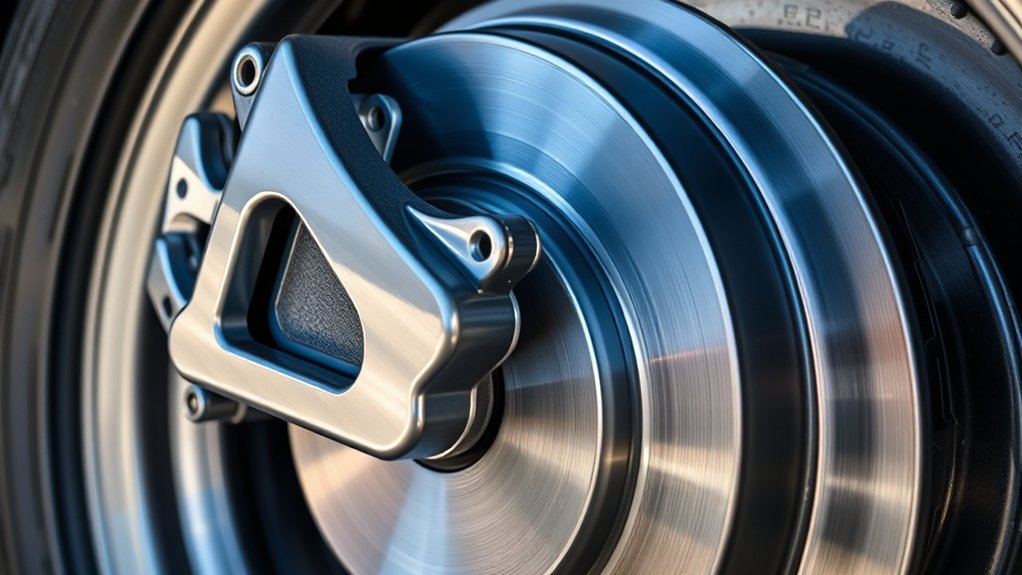
You need exactly two brake pads per wheel—one on each side of the rotor—to ensure balanced pressure and even friction during braking.
This dual setup prevents rotor damage, reduces vibration, and provides consistent stopping power.
Front wheels typically endure more wear and may require pads with greater surface area or specialized materials to handle higher heat.
Proper pad pairing maintains braking stability and system longevity.
Understanding this setup helps you make smarter maintenance and replacement choices as you explore brake system details.
Key Takeaways
- Each wheel typically has two brake pads, positioned on opposite sides of the brake rotor.
- The dual-pad setup ensures even pressure distribution and balanced friction forces.
- Two pads per wheel help prevent rotor damage and enhance braking safety.
- Hydraulic pressure pushes both pads simultaneously onto the rotor during braking.
- This arrangement maintains consistent braking feel and reduces vibration and uneven wear.
How Many Brake Pads Does Each Wheel Actually Need?
How many brake pads does each wheel actually need? Typically, each wheel requires two brake pads, one on each side of the brake rotor. This setup ensures even pressure distribution and efficient stopping power.
When exploring two topic ideas related to brake pads, consider the importance of brake pad materials and the number of pads per wheel. Brake pad materials vary: organic, semi-metallic, and ceramic, each offering distinct performance and wear characteristics.
Using two pads per wheel provides balanced friction forces, preventing rotor damage and enhancing safety. Understanding this fundamental arrangement helps you appreciate brake system design and prepares you to evaluate pad replacement needs more accurately.
How Brake Pads Work Together to Stop Your Vehicle
Why do brake pads need to work in unison to stop your vehicle effectively? Brake pads generate friction by pressing against the rotor, converting kinetic energy into heat. This two word discussion idea one friction force must be balanced across the pads to ensure smooth deceleration and prevent uneven wear.
When you apply the brakes, hydraulic pressure pushes the pads simultaneously, maximizing contact area and stopping power. This two word discussion idea two pressure distribution is critical; uneven pressure can cause vibration or reduced braking efficiency.
Why Each Wheel Needs Two Brake Pads
You need two brake pads per wheel to ensure balanced braking pressure on both sides of the rotor. This dual pad setup allows your vehicle to stop efficiently and evenly, reducing wear and heat buildup. Understanding this balance is key to maintaining optimal brake performance.
Dual Pad Functionality
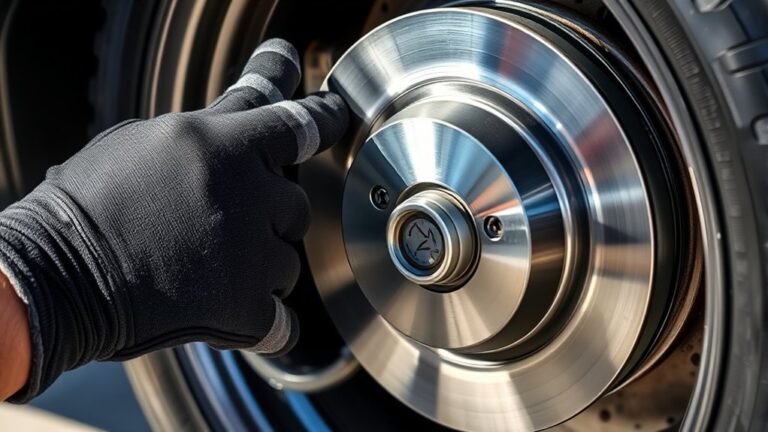
What role do two brake pads play at each wheel? In a dual pad setup, each wheel uses a pair of brake pads that clamp onto opposite sides of a single rotor. This configuration ensures consistent contact pressure on both faces of the rotor, maximizing friction and enhancing braking efficiency.
By applying force from both sides, the dual pad system evenly distributes wear and reduces the likelihood of rotor warping. Additionally, this design improves heat dissipation by balancing thermal loads across the rotor surface, which helps maintain braking performance under repeated stops.
Without two pads, you’d risk uneven braking forces that could compromise control and accelerate component wear. Understanding dual pad functionality is crucial for appreciating why each wheel requires two brake pads in modern braking systems.
Balanced Braking Pressure
How exactly does having two brake pads per wheel contribute to balanced braking pressure? The key lies in pad pairing, which ensures that pressure is evenly distributed across the rotor surface. When you use a single pad, the braking force applies unevenly, causing inconsistent wear and reduced stopping efficiency.
With two pads working in tandem, balanced pressure is achieved, allowing equal force on both sides of the rotor. This uniform distribution minimizes vibration and maximizes friction, improving overall brake performance.
Additionally, balanced pressure from paired pads prevents rotor warping and extends component lifespan. So, by relying on a dual-pad setup per wheel, you maintain consistent braking force, ensuring safety and optimal function every time you apply the brakes.
Front vs. Rear Brake Pad Setups: Key Differences
You’ll notice front and rear brake pad setups differ in quantity and design due to performance demands. Front pads handle more braking force, leading to faster wear compared to rear pads. Understanding these differences helps you maintain optimal braking efficiency and safety.
Brake Pad Quantity Variation
Why do front and rear brake pads differ in quantity? The front brakes typically handle more stopping force, requiring larger or additional pads to dissipate heat effectively. This variation in pad quantity relates directly to pad materials and pad temperature management.
Front brake pads often use materials designed to withstand higher temperatures due to increased friction, while rear pads may employ compounds optimized for less intense heat cycles. Because the front brakes generate more heat, they need more surface area, hence more pads, to maintain performance and durability.
Rear brakes, under less stress, can function efficiently with fewer or smaller pads. Understanding this quantity variation helps you recognize how braking systems balance thermal load and wear, ensuring optimal safety and functionality across different vehicle designs.
Performance Differences Explained
Where does the difference in performance between front and rear brake pad setups come from? Understanding these key factors helps you grasp why front and rear brakes behave differently.
- Heat Dissipation: Front pads handle more braking force, so they’re designed to manage higher temperatures.
- Pressure Distribution: The front brakes receive greater hydraulic pressure, affecting pad composition and size.
- Load Transfer: During braking, weight shifts forward, increasing demand on front pads versus rear.
- Pad Material: Front pads often use higher friction materials for enhanced stopping power; rear pads prioritize stability.
These two word discussion ideas highlight how design and function diverge between front and rear setups. Knowing this helps you make informed choices about brake maintenance and upgrades.
Wear Patterns Comparison
The differences in heat dissipation, pressure distribution, load transfer, and pad material directly influence how front and rear brake pads wear over time. Front brake pads typically experience more intense heat and pressure due to greater load transfer during braking, resulting in faster wear patterns compared to rear pads.
The pad materials on front brakes are often formulated for higher thermal resistance to handle these stresses. Rear brake pads, conversely, endure less force and heat, showing more uniform and slower wear patterns.
Understanding these distinctions helps you select appropriate pad materials and maintenance schedules for each axle. Ignoring these differences can lead to uneven wear, reduced braking efficiency, and premature component failure. Therefore, assessing wear patterns specific to front and rear setups ensures optimal performance and safety.
How to Check the Condition of Both Brake Pads on Your Wheels
How can you accurately assess the condition of both brake pads on your wheels? Start by inspecting the visible pad materials through the wheel spokes. Look for uneven thickness between the inner and outer pads, as differences can signal abnormal wear.
Inspect brake pads through wheel spokes for uneven thickness indicating abnormal wear.
Next, check for worn indicators, small tabs that produce noise when pads reach minimal thickness. Follow this numeric checklist:
- Remove the wheel for unobstructed access.
- Measure pad thickness on both inner and outer sides.
- Examine worn indicators for signs of contact.
- Compare pad materials for cracks, glazing, or contamination.
How to Know When Both Brake Pads Need Replacing
Although brake pads wear at different rates, you’ll need to replace both when their thickness falls below the manufacturer’s minimum specification or when you detect consistent noise from worn indicators on either side. To accurately assess this, measure the pad thickness using a gauge or visual inspection through the wheel spokes.
Look for uneven wear patterns that could indicate caliper or rotor issues affecting brake maintenance. Listen carefully for squealing or grinding sounds, which signal worn pads. Additionally, pay attention to decreased braking performance or increased pedal travel.
Both brake pads on a wheel function as a pair, so neglecting one can compromise safety and system balance. Using these two word ideas—“pad thickness” and “wear indicators”—helps you maintain optimal braking efficiency by ensuring timely, simultaneous replacement.
What Happens If You Only Replace One Brake Pad on a Wheel
Replacing both brake pads on a wheel guarantees balanced braking performance and system stability. If you replace only one brake pad, you risk uneven pad wear and inconsistent braking forces. This mismatch affects brake pad compatibility and can cause irregular rotor wear patterns, leading to premature rotor damage.
Replacing both brake pads ensures balanced braking and prevents uneven wear and premature rotor damage.
Here’s what happens if you replace just one pad:
- Uneven braking pressure creates instability during stops.
- Different pad materials cause inconsistent friction levels.
- Asymmetric rotor wear patterns develop, reducing rotor lifespan.
- Increased vibration and noise occur during braking.
To maintain optimal safety and performance, always replace brake pads in pairs on the same wheel. This ensures brake pad compatibility and preserves uniform rotor wear patterns essential for effective braking.
Choosing the Right Brake Pads for Your Wheels
When selecting brake pads for your wheels, what factors should you prioritize to ensure optimal performance and safety? First, evaluate the padMaterial wear characteristics. Different compounds offer varied longevity and heat resistance.
Choose a padMaterial that matches your driving conditions to prevent premature wear or diminished braking power. Inspect the newPad edges carefully; they should be smooth and free of defects to guarantee proper fit and consistent contact with the rotor.
Also, ensure compatibility with your brake system to avoid uneven pressure distribution, which accelerates padMaterial wear. Opt for brake pads certified to meet or exceed OEM standards for reliable stopping power. By focusing on padMaterial wear properties and the condition of newPad edges, you’ll maintain balanced braking performance and enhance wheel safety effectively.
Tips to Extend Brake Pad Life and Reduce Replacement Costs
How can you maximize the lifespan of your brake pads while minimizing replacement expenses? Focus on managing brake wear effectively and selecting appropriate pad materials. Here’s how:
- Drive Smoothly: Avoid abrupt stops to reduce excessive brake wear.
- Use Quality Pad Materials: Choose pads designed for durability and optimal friction.
- Regular Inspections: Check pads and rotors frequently to catch uneven wear early.
- Maintain Brake System: Keep calipers and fluid in good condition to prevent additional strain on pads.
Frequently Asked Questions
Can Brake Pads Affect My Vehicle’s Fuel Efficiency?
Yes, brake pad wear can reduce your vehicle’s fuel economy. Worn pads increase friction and drag, forcing the engine to work harder.
Regularly replacing brake pads ensures optimal performance and minimizes negative fuel economy impact.
Are Brake Pads the Same for All Types of Vehicles?
Brake pad compatibility varies because vehicle brake types differ widely. You’ll need pads designed specifically for your brake system, whether disc or drum, to ensure optimal performance, safety, and longevity.
Don’t assume universal fitment.
How Long Does It Typically Take to Replace Brake Pads?
You’ll typically spend 30 to 60 minutes replacing brake pads, depending on pad wear indicators and brake pad lifespan. Monitoring these signs helps you schedule timely replacements, ensuring ideal braking performance and safety without unnecessary delays.
What Tools Are Needed to Replace Brake Pads at Home?
Replacing brake pads at home requires a socket set, C-clamp, jack, and lug wrench. Knowing brake pad materials ensures rotor compatibility, while a torque wrench and brake cleaner help you tighten bolts and clean surfaces precisely.
Do Brake Pads Produce Noise When They Wear Out?
Yes, brake noise often occurs when pads wear out. Your brake pads have wear indicators that produce a squealing sound, alerting you to replace them promptly.
This ensures optimal braking performance and safety.
Conclusion
You absolutely need two brake pads per wheel—no exceptions. Skimping on one pad is like trying to stop a freight train with a single brake shoe; it won’t work and will cause uneven wear, reduced safety, and costly damage.
Both pads share the load perfectly, ensuring balanced stopping power. Don’t gamble with your brakes—replace both pads together, check their condition regularly, and choose quality parts to keep your vehicle’s braking system performing flawlessly.
Remember, using the correct number of brake pads per wheel is essential for safe and effective braking.