How Many Brake Pads per Wheel
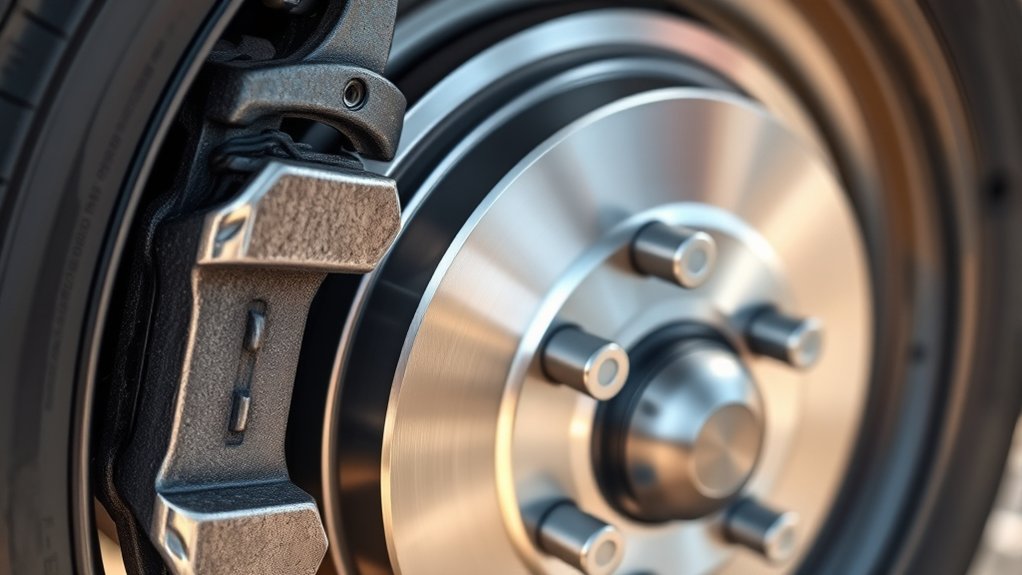
You typically have two brake pads per wheel in most standard vehicles, pressing inward on the rotor from both sides to ensure balanced braking force. This two-pad setup is common for disc brakes, offering optimal friction and wear distribution.
However, specialized or high-performance systems might use more pads to improve heat management and force distribution. Your choice of pads and timely replacements can impact braking efficiency and safety.
Understanding these details can help you maintain your brake system effectively.
How Many Brake Pads Does Each Wheel Typically Have?
How many brake pads does each wheel typically have? In most standard vehicles, each wheel is equipped with two brake pads, one on either side of the rotor. This two wheel discussion highlights a fundamental design: the brake pad count per wheel is usually two, ensuring balanced friction during braking.
The pads press inward on the rotor, creating the necessary stopping force. While some specialized systems might differ, the two-pad configuration remains the norm for disc brakes on most cars.
Understanding this brake pad count helps you gauge maintenance needs and replacement intervals accurately. Keep in mind, the two-pad setup optimizes braking efficiency and pad wear, contributing to overall vehicle safety and performance.
How Different Brake Systems Affect Brake Pad Count
While most standard vehicles use two brake pads per wheel, variations in brake system design can change this configuration substantially. You’ll find that different brake systems, such as drum brakes versus disc brakes, directly influence the pad count per wheel.
Disc brake systems typically require two pads per wheel, clamping the rotor from both sides. Conversely, drum brake systems use brake shoes inside a drum, altering the component count but not necessarily the pad count in the traditional sense.
Additionally, some advanced brake systems, like certain high-performance or regenerative braking setups, may integrate additional friction elements or pads to optimize braking efficiency. Understanding how brake systems affect pad count helps you accurately assess maintenance needs and replacement schedules for your vehicle’s braking components.
Why Some Wheels Have More Than Two Brake Pads
Why do some wheels require more than two brake pads? Certain high-performance or heavy-duty vehicles utilize complex brake pad configurations to enhance stopping power and heat dissipation. In these cases, unusual pad counts appear, often involving multiple pads per caliper or stacked arrangements.
This brake pad configuration distributes braking forces more evenly across the rotor surface, reducing wear and improving thermal management during intense braking. Additionally, some systems employ multi-piston calipers that necessitate extra pads to engage the rotor effectively.
You might also encounter asymmetric setups where inner and outer pads differ in size or number to optimize contact pressure. Understanding these variations is crucial, as they directly impact maintenance procedures, pad replacement schedules, and overall braking efficiency, which standard two-pad-per-wheel systems cannot always achieve.
Top Signs Your Brake Pads Need Replacement
Understanding the configuration and function of brake pads helps you recognize when they’ve worn down or lost effectiveness. One key sign is a high-pitched squealing noise during braking, indicating the wear indicator is contacting the rotor.
Recognizing brake pad wear starts with noting high-pitched squeals signaling the wear indicator touching the rotor.
You might also notice a reduced braking response or longer stopping distances, which signal diminished pad thickness. Visually inspect your tires for uneven tread wear, a symptom linked to compromised braking performance.
Additionally, check your side mirrors for unusual vibrations or shaking when braking; these sensations often correlate with warped rotors caused by worn pads. Ignoring these signs increases the risk of rotor damage and brake failure.
Regularly monitoring these indicators ensures timely replacement, maintaining optimal braking efficiency and vehicle safety.
Choosing the Right Brake Pads for Your Wheels
How do you determine the best brake pads for your wheels? Start by evaluating your vehicle’s braking system, focusing on achieving a balanced caliper to guarantee even pressure distribution. This balance minimizes uneven rotor wear, extending component lifespan.
Select brake pads compatible with your rotor material. Ceramic pads suit lighter wear and quieter operation, while semi-metallic pads handle higher heat but may accelerate rotor wear. Consider your driving conditions: aggressive driving demands pads with higher friction coefficients, whereas daily commuting requires pads that optimize longevity and noise reduction.
Lastly, verify pad thickness and backing plate quality to maintain consistent contact and prevent caliper sticking. Choosing the right brake pads involves analyzing these factors to optimize braking efficiency and minimize rotor wear effectively.
Frequently Asked Questions
How Do Brake Pads Impact Overall Vehicle Safety?
You rely on brake pads for optimal brake safety; their condition directly influences stopping power and heat dissipation.
Worn pads reduce friction, increasing stopping distance and risking brake failure, so consistent inspection ensure reliable, two-word ideas: vehicle safety.
What Materials Are Brake Pads Commonly Made From?
Brake pads commonly use friction compounds sourced from organic, semi-metallic, or ceramic materials. You’ll find materials sourcing focuses on balancing durability, heat resistance, and noise reduction to optimize braking performance and safety precisely.
Can Brake Pads Cause Noise, and How to Fix It?
Yes, brake pad noise often results from wear or debris. You can fix brake pad noise by inspecting pads, cleaning rotors, or applying anti-squeal lubricant.
Proper maintenance guarantees optimal braking performance and eliminates unwanted sounds.
How Often Should Brake Pads Be Inspected Professionally?
You should have a professional brake pad inspection at least every 12,000 miles or annually because waiting for squeals and sparks isn’t exactly a thrilling safety strategy.
Regular checks guarantee optimal braking performance and prevent costly repairs.
Are There Eco-Friendly Brake Pad Options Available?
Yes, you’ll find eco friendly brake pad options made from non-toxic, sustainable materials that reduce environmental impact. These pads provide effective braking while minimizing harmful dust and waste, aligning with green automotive technology standards.
Conclusion
Understanding how many brake pads your wheels need is like knowing the exact number of gears in a machine—each component plays a critical role. Typically, you’ll find two pads per wheel, but brake system variations can change that.
By recognizing wear signs and selecting the right pads, you maintain optimal performance and safety. Staying precise with your brake maintenance ensures your vehicle’s stopping power remains as reliable as a well-oiled engine.
In conclusion, knowing how many brake pads per wheel your vehicle requires is essential for effective brake performance and overall safety.