How to Paint a Fiberglass Tonneau Cover
To paint your fiberglass tonneau cover, start by thoroughly cleaning the surface with detergent and acetone. This step ensures all dirt, grease, and contaminants are removed for better paint adhesion.
Next, sand the cover lightly using 320-400 grit sandpaper to create a smooth surface.
After sanding, apply a primer designed specifically for fiberglass that matches your paint type. Be sure to sand lightly between each primer coat to maintain a smooth finish and enhance adhesion.
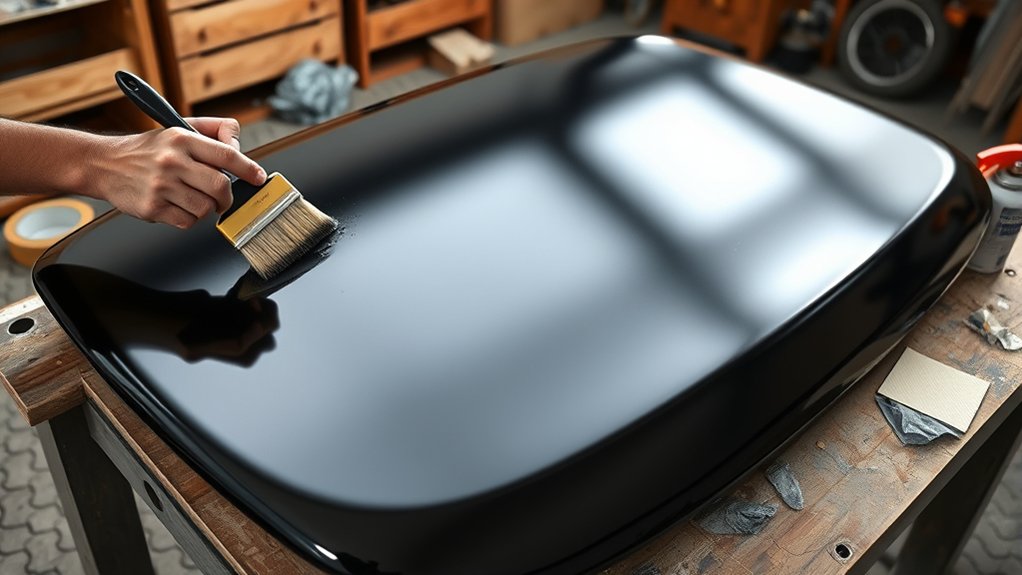
Use marine-grade urethane paint for durability and protection against the elements. Apply multiple thin base coats rather than one thick coat to achieve even coverage and avoid drips.
Finish the process with a UV-resistant clear coat to protect your paint from fading. Allow at least seven days for the paint to cure properly before using the cover.
Following these steps ensures a long-lasting, professional finish—and you’ll find detailed tips to perfect each stage further.
What Tools and Materials You’ll Need to Paint Your Fiberglass Tonneau Cover
To paint your fiberglass tonneau cover effectively, you’ll need a specific set of tools and materials that ensure a smooth, durable finish. Start with high-grit sandpaper (320 to 400 grit) for surface smoothing, and a quality respirator mask to protect yourself from fumes.
Use a clean spray gun or high-quality automotive paint sprayer for an even coat. Select a primer formulated for fiberglass, followed by a marine-grade or automotive urethane paint for durability.
You’ll also need tack cloths to remove dust and lint between coats. Avoid discussion ideas about unrelated topics such as general car painting or unrelated home improvement projects, as they don’t apply here. Focus strictly on tools and materials tailored for fiberglass tonneau covers to ensure precise, professional results.
Cleaning and Preparing Your Fiberglass Tonneau Cover Surface
Once you’ve gathered the necessary tools and materials, focus on thoroughly cleaning and preparing the fiberglass tonneau cover surface. Begin by removing dirt, grease, and contaminants using a mild detergent mixed with water. Rinse well and let it dry completely.
Next, wipe the surface with a solvent like acetone to eliminate any remaining oils or residues. Avoid unrelated topic distractions; concentrate solely on surface cleanliness.
Inspect for imperfections or cracks, noting any two word ideas like “surface defects” that may need attention before painting. Proper preparation ensures paint adhesion and durability.
Sanding Techniques for Fiberglass Tonneau Covers
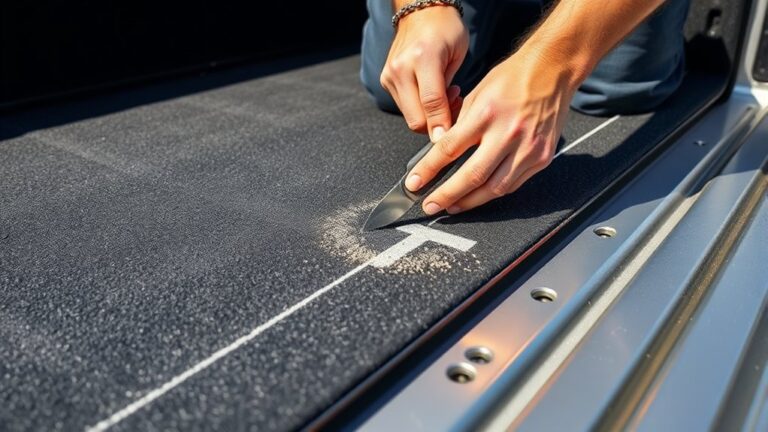
Although cleaning prepares the surface, sanding is essential to create the necessary texture for paint adhesion on your fiberglass tonneau cover. Start with 320-grit sandpaper to scuff the surface lightly, removing any gloss without damaging the fiberglass.
Use a sanding block or a dual-action sander, prioritizing tool ergonomics to reduce fatigue and maintain control. Move in consistent, overlapping strokes, ensuring even abrasion. Wear a dust mask and goggles, as sanding dust from fiberglass is hazardous.
Periodically wipe the surface with a tack cloth to monitor progress and remove residue. For edges and curves, switch to hand sanding with flexible sanding pads to avoid uneven pressure. Proper sanding removes surface imperfections and optimizes primer bonding, ensuring a durable, smooth finish.
How to Choose the Best Primer for Fiberglass Covers
Why does choosing the right primer matter for your fiberglass tonneau cover? Primer selection directly impacts adhesion, durability, and the finish quality. Using the wrong primer can lead to peeling or uneven surfaces.
When evaluating primer options, consider these two word discussion ideas to guide your choice:
- Adhesion Strength – Ensure the primer bonds well with fiberglass to prevent paint failure.
- Chemical Compatibility – Verify the primer matches the paint type you plan to use, such as urethane or acrylic.
- Surface Protection – Select primers that seal and protect the porous fiberglass, blocking moisture and contaminants.
Focusing on these factors ensures your primer forms a reliable base, essential for a professional, long-lasting paint job on your fiberglass cover.
How to Apply Primer for the Best Results
Applying primer correctly is essential to achieving a smooth, durable finish on your fiberglass tonneau cover. Start by ensuring the surface is clean, dry, and lightly sanded with 400-grit sandpaper to promote adhesion.
Proper primer application starts with a clean, dry surface lightly sanded with 400-grit for better adhesion.
Use a high-quality spray primer formulated for fiberglass and apply it in thin, even coats, holding the spray can about 6-8 inches from the surface. Allow each coat to flash off for 10-15 minutes before applying the next to prevent runs and uneven coverage.
Two to three coats typically suffice for optimal sealing. Avoid heavy buildup, which can cause peeling. After the final coat dries, lightly sand again with 600-grit sandpaper for a flawless base.
This technique ensures strong primer adhesion and sets the foundation for a professional paint job. Note, this section’s topic ideas remain unrelated to other h2s.
How to Select the Right Paint Type and Color for Your Cover
You’ll need to select a paint formulated specifically for fiberglass to ensure proper adhesion and durability. Opt for finishes like polyurethane or acrylic enamel, which withstand weather and abrasion effectively. Then, match your color choice to both your vehicle’s palette and UV resistance requirements for long-lasting appearance.
Understanding Paint Types
How do you determine the best paint type for a fiberglass tonneau cover? Start by considering the cleaning methods you’ll use, as some paints resist harsh detergents better. Next, factor in weather considerations. UV exposure, moisture, and temperature fluctuations affect paint adhesion and longevity. To choose effectively, follow these steps:
- Evaluate Paint Composition: Opt for acrylic urethane or epoxy paints, known for strong adhesion and flexibility on fiberglass surfaces.
- Check Compatibility: Ensure the paint works with your cover’s existing primer and withstands your chosen cleaning methods without degrading.
- Assess Environmental Resistance: Select paints formulated for UV protection and moisture resistance to cope with weather variations.
Choosing Durable Finishes
Selecting durable finishes for your fiberglass tonneau cover requires balancing paint type with color choice to maximize longevity and performance. Opt for high-quality urethane or epoxy-based paints, as their chemical resistance and UV stability ensure your cover withstands harsh conditions.
When choosing color, consider nautical accents if you want a marine-inspired aesthetic that also benefits from pigments designed to resist fading in salty environments. Matte finishes offer a modern, low-glare look while reducing visible imperfections, but ensure the paint’s formulation supports durability to prevent premature wear.
Always verify that your selected finish bonds well with fiberglass and matches the expected exposure levels. Prioritize finishes with protective clear coats to enhance resistance against scratches and environmental damage, ensuring your tonneau cover maintains both function and appearance over time.
Matching Color Preferences
Why does color choice matter when painting your fiberglass tonneau cover? Proper color matching ensures your cover complements your vehicle, maintains aesthetic appeal, and preserves resale value.
To select the right paint type and color, focus on these three technical steps:
- Assess Vehicle Paint Code: Locate the OEM paint code to guarantee precise color matching with automotive-grade paints.
- Evaluate Surface Material: Choose a paint formula compatible with fiberglass to ensure adhesion and durability.
- Consider Tone Coordination: Match the cover’s tone with your truck’s finish, accounting for gloss levels and lighting conditions to avoid visual discrepancies.
How to Apply Paint Evenly on Fiberglass Tonneau Covers
To apply paint evenly on your fiberglass tonneau cover, start by thoroughly sanding and cleaning the surface to ensure proper adhesion. Use a consistent spray technique, maintaining a steady distance and smooth, overlapping strokes to avoid drips and uneven coverage. Proper preparation combined with controlled application will give you a flawless, professional finish.
Surface Preparation Techniques
How do you guarantee a smooth, even coat when painting a fiberglass tonneau cover? Start with meticulous surface preparation to ensure adhesion and durability. Proper prep minimizes noise reduction issues caused by uneven surfaces and aligns with smart budget planning by preventing costly repainting.
- Clean Thoroughly: Remove dirt, grease, and wax with a solvent-based cleaner to create a contaminant-free surface.
- Sand Precisely: Use 220-320 grit sandpaper to scuff the surface uniformly, promoting primer and paint adherence without damaging the fiberglass.
- Apply Primer Correctly: Choose a compatible epoxy or urethane primer, applying it evenly to fill imperfections and establish a smooth base.
Following these steps ensures your paint bonds correctly, reduces surface noise interference, and keeps your project within budget constraints.
Consistent Spray Methods
Achieving an even coat on a fiberglass tonneau cover hinges on consistent spray techniques that control paint flow and coverage. Maintain a steady, perpendicular spray angle about 6–8 inches from the surface, moving your arm smoothly to prevent drips or uneven buildup.
Use a relaxed brush grip when handling the spray gun to reduce fatigue and improve control. Apply thin, overlapping passes, following color theory principles by layering lighter base coats before darker shades to enhance depth and uniformity.
Adjust nozzle settings to match paint viscosity and environmental conditions, ensuring atomization produces fine droplets for smooth adhesion. Avoid stopping mid-pass; continuous motion prevents streaks and pooling.
Consistency in speed, distance, and pressure guarantees a flawless, professional finish on your fiberglass tonneau cover.
How Many Paint Coats Do You Really Need?
Exactly how many coats of paint does your fiberglass tonneau cover require to guarantee durability and a flawless finish? Typically, three coats strike the ideal balance between protection and aesthetics. Here’s what you should consider:
- Primer Coat: This initial layer enhances adhesion and corrosion resistance. Applying it evenly is crucial; don’t rush, and always practice safety by using proper ventilation and protective gear.
- Base Coat: Usually two coats are necessary for uniform color coverage. Allow adequate drying time between coats to avoid runs and ensure a smooth surface.
- Budget Planning: More coats mean higher costs and time investment. Stick to the recommended number to optimize resources without compromising quality.
Following these steps ensures your tonneau cover’s paint job lasts while maintaining a professional look.
How to Apply a Clear Coat for Durability and Shine
Before applying the clear coat, make sure the painted surface is completely clean and free of dust or oils to ensure proper adhesion. Use steady, even strokes to spray the clear coat, maintaining a consistent distance of about 6 to 8 inches from the surface. Applying multiple thin layers rather than one thick coat will enhance durability and produce a smooth, glossy finish.
Preparing Surface Properly
A clean, well-prepared surface is essential when applying a clear coat to your fiberglass tonneau cover, as it guarantees optimal adhesion and enhances durability. Before you begin, focus on refining the surface texture and confirming precise color matching with the base coat.
Follow these steps:
- Clean Thoroughly: Remove all dirt, grease, and contaminants using a solvent-based cleaner to prevent adhesion issues.
- Sand the Surface: Use fine-grit sandpaper (600-800 grit) to create a uniform, slightly rough texture that promotes clear coat bonding without damaging color layers.
- Inspect for Imperfections: Check for dust, scratches, or color mismatches, addressing them with touch-ups or additional sanding to maintain a flawless finish.
Applying Clear Coat Evenly
How should you apply the clear coat to guarantee an even, durable finish that enhances both protection and gloss? Start by maintaining a consistent spray distance of 6 to 8 inches, applying thin, overlapping layers to avoid runs and ensure uniform coverage.
Use a clear coat formulated for UV resistance to prevent colors fading caused by sun exposure. Allow proper flash time between coats, typically 10-15 minutes, for optimal curing.
| Step | Action | Tip |
|---|---|---|
| 1 | Shake clear coat well | Ensures uniform chemical mix |
| 2 | Spray light coats | Prevents drips and pooling |
| 3 | Maintain spray distance | Achieves even coverage |
| 4 | Allow flash time | Enhances adhesion and gloss |
Applying clear coat evenly maximizes durability and maintains vibrant appearance.
How Long to Let Your Painted Fiberglass Tonneau Cover Cure
Proper curing time is critical to ensure the paint adheres firmly and achieves maximum durability on your fiberglass tonneau cover. Avoid topic drift or unrelated focus when planning your curing schedule, as rushing or skipping this step compromises finish quality.
Generally, you should:
- Allow at least 24 hours of initial drying at room temperature to enable solvent evaporation.
- After initial drying, let the cover cure for 7 days in a dust-free, well-ventilated area to let the paint fully harden chemically.
- Avoid handling or exposure to moisture during this period to prevent surface defects or adhesion failure.
Following these precise timing steps ensures your paint job withstands weather and wear, delivering a professional, long-lasting finish.
Common Fiberglass Painting Mistakes to Avoid
Why do some painted fiberglass tonneau covers fail to deliver a smooth, durable finish? Often, it’s due to neglecting critical steps like thorough surface preparation or improper primer selection.
Neglecting surface prep or choosing the wrong primer often causes painted fiberglass tonneau covers to fail.
Skipping sanding or using incompatible paint can cause adhesion problems and peeling. You must strictly follow disclaimer guidelines regarding product use, ensuring compatibility and environmental conditions.
Another frequent mistake is ignoring safety considerations. Always wear respirators and gloves to prevent inhalation of fumes and skin irritation.
Applying paint in high humidity or extreme temperatures leads to uneven curing and surface defects. Additionally, rushing the curing time compromises durability.
To avoid these pitfalls, meticulously prepare the surface, choose appropriate materials, adhere to safety protocols, and respect manufacturer instructions. This precision protects your work from common failures and ensures a professional-quality finish.
Frequently Asked Questions
Can I Paint a Fiberglass Tonneau Cover Without Removing It From the Truck?
You can paint a fiberglass tonneau cover without removing it, but ensure thorough painting prep like cleaning and sanding. Wear safety gear to protect against fumes and debris, and mask surrounding areas for precise, clean results.
How Do Weather Conditions Affect Painting a Fiberglass Tonneau Cover?
You might think any day works, but weather timing is essential; high humidity slows drying and causes uneven finishes.
Aim for dry, mild days with low humidity to guarantee smooth, durable paint adhesion on your fiberglass tonneau cover.
Is It Necessary to Repaint the Cover Every Few Years?
You don’t necessarily need to repaint your cover every few years, but repainting frequency depends on longevity considerations like exposure to weather, UV damage, and paint quality.
Regular inspections help determine the optimal repainting schedule.
Can I Use Spray Paint Instead of a Paint Gun?
Yes, you can use spray paint instead of a paint gun, but spray paint requires more careful, even application to avoid drips and uneven coverage.
A paint gun provides better control and a smoother, more professional finish overall.
How Do I Repair Chips or Scratches on a Painted Fiberglass Cover?
To perform chips repair or scratches repair, first clean and sand the area, then apply a compatible filler or primer. After curing, sand smooth, apply matching paint in thin layers, and finish with a clear coat for protection.
Conclusion
Painting your fiberglass tonneau cover is like giving your truck a fresh suit—attention to detail makes all the difference. By carefully cleaning, sanding, priming, and applying multiple paint coats followed by a clear coat, you ensure a durable, smooth finish.
Avoid rushing the curing process to prevent imperfections. Stick to these precise steps, and your cover will not only look professional but also withstand the elements. This approach helps maintain its sleek appearance for miles to come.
Following these guidelines will guarantee a long-lasting and attractive result when painting your fiberglass tonneau cover.