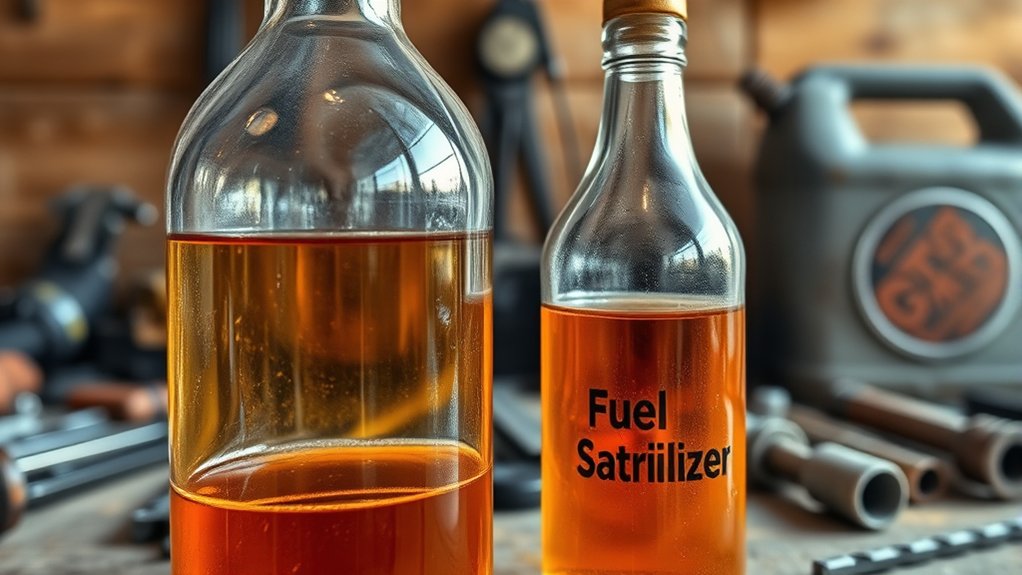
Can Fuel Stabilizer Go Bad
Yes, fuel stabilizer can go bad over time. Exposure to heat, air, and light breaks down its chemical composition, reducing its ability to prevent fuel degradation and varnish buildup.
You’ll notice discoloration, separation, or off odors when it expires. Using expired stabilizer risks clogged fuel lines and engine performance issues.
Store it in cool, airtight, opaque containers to extend its life. Understanding proper storage and usage ensures your equipment runs reliably long-term.
What Is Fuel Stabilizer and How Does It Work
What exactly is fuel stabilizer, and why should you consider using it? Fuel stabilizer is a chemical additive designed to prevent fuel degradation during storage by inhibiting oxidation and the formation of varnish and gum.
You might encounter fuel stabilizer myths suggesting it’s unnecessary or ineffective, but it plays a crucial role in maintaining fuel quality, especially in long-term storage. When using fuel stabilizer, the type of storage container matters significantly. Airtight, opaque containers reduce exposure to oxygen and light, enhancing the stabilizer’s effectiveness.
How Long Does Fuel Stabilizer Typically Last?
You can expect fuel stabilizer to last between two to five years if stored properly. Factors like exposure to heat, light, and air can substantially reduce its effectiveness over time. Maintaining a cool, sealed environment will help preserve its chemical stability and extend its shelf life.
Shelf Life Expectations
How long can you expect your fuel stabilizer to remain effective? Typically, an unopened fuel stabilizer has a shelf life of about 2 to 3 years when stored properly.
Once opened, its effectiveness usually decreases within 1 to 2 years due to exposure to air and moisture. The stabilizer’s chemical formulation is designed to counteract fuel degradation, but its performance can diminish over time as active ingredients break down.
It’s important to consider the fuel composition you’re treating; higher ethanol content fuels tend to oxidize faster, requiring more robust stabilization. While the product’s expiration date provides a general guideline, you should always check for changes in color or consistency, as these may indicate reduced efficacy.
Proper storage in a cool, dry place helps maintain the stabilizer’s optimal performance throughout its shelf life.
Factors Affecting Longevity
Understanding the shelf life of fuel stabilizer sets the stage for recognizing the various factors that influence its longevity. Primarily, chemical composition and exposure to air accelerate degradation, limiting effective use to around 1–3 years.
You should note that refrigeration myths, such as believing cold storage indefinitely preserves stabilizer, aren’t scientifically supported. Extreme cold can cause separation or reduced efficacy. Similarly, environmental factors like temperature fluctuations impact the stabilizer’s molecular stability, analogous to how solar panel efficiency declines with heat stress.
While fuel stabilizers resist breakdown under moderate conditions, prolonged exposure to UV light or contaminants hastens deterioration. By grasping these factors, you can better predict how long your stabilizer remains effective, ensuring optimal fuel protection without relying on inaccurate assumptions or improper handling.
Storage Conditions Impact
Where should you store fuel stabilizer to maximize its shelf life? Keep it in a cool, dry place away from direct sunlight and temperature extremes. Exposure to heat or freezing conditions accelerates chemical degradation, reducing effectiveness.
Contrary to some storage myths, keeping stabilizer in a metal container or refrigerator isn’t necessary and may introduce moisture or contaminants. Instead, use the original tightly sealed container made of plastic or metal designed for chemicals.
Under optimal conditions, fuel stabilizer typically lasts about two to three years. After this period, its performance may decline, so consider disposal considerations carefully. Dispose of expired stabilizer at hazardous waste collection sites. Never pour it down drains or onto soil.
Proper storage and timely disposal ensure safety and maintain fuel quality.
What Causes Fuel Stabilizer to Lose Potency?
Why does fuel stabilizer lose its effectiveness over time? The primary cause is chemical degradation, where the active compounds break down and lose their ability to maintain fuel stability.
Exposure to oxygen, heat, and light accelerates this process, leading to molecular changes that reduce the stabilizer’s capacity to inhibit fuel oxidation and prevent varnish buildup. Additionally, contaminants like moisture can catalyze degradation reactions, further diminishing potency.
Over extended storage periods, these factors combine to weaken the stabilizer’s protective qualities, making it less effective at preserving fuel quality. To maintain optimal performance, you must store fuel stabilizers properly and use them within their recommended shelf life, thus ensuring the chemical integrity necessary for sustained fuel stability.
How to Spot Expired Fuel Stabilizer
Since chemical degradation directly impacts a fuel stabilizer’s effectiveness, recognizing signs of expiration helps you avoid using a compromised product. To spot expired additive, first check the product’s appearance—discoloration or separation often indicates chemical breakdown.
Next, inspect the label for a manufacturing or expiration date; absence of these can lead to reliance on storage myths, which often underestimate degradation rates. Also, note any unusual odors, as a rancid or sour smell suggests the additive has lost potency.
If the stabilizer has been stored in extreme temperatures or exposed to air repeatedly, it’s more likely expired. Avoid assuming that sealed containers guarantee indefinite shelf life. By assessing these factors, you can accurately identify expired additive and ensure your fuel stabilizer remains effective.
Can Expired Fuel Stabilizer Damage Your Engine?
You should know that expired fuel stabilizer loses its effectiveness in preventing fuel degradation, which can lead to varnish and gum buildup in your engine. Using old stabilizer may increase the risk of clogged fuel lines and poor engine performance. Understanding these risks helps you avoid potential damage and maintain engine reliability.
Effects Of Expired Stabilizer
How does expired fuel stabilizer impact your engine’s performance? When fuel stabilizer surpasses its shelf life, expired additives lose their chemical efficacy, reducing their ability to prevent fuel degradation. This decline leads to inadequate protection against oxidation and varnish formation in your fuel system.
Additionally, compromised packaging integrity may allow moisture or contaminants to infiltrate the stabilizer, accelerating additive breakdown. Using expired stabilizer can result in incomplete fuel preservation, causing fuel to degrade faster and potentially impairing combustion efficiency.
While expired additives won’t directly damage your engine, they fail to maintain fuel quality, increasing the likelihood of deposits and corrosion over time. Therefore, relying on a stabilizer past its expiration compromises its intended function, making it essential to use fresh, properly stored products to ensure optimal engine performance.
Engine Risks From Old Fuel
What risks does using old fuel pose to your engine, especially when paired with expired stabilizer? Old fuel degrades, forming varnish and gum deposits that impair fuel injectors and carburetors.
When stabilizer is expired, it loses effectiveness, failing to prevent oxidation and phase separation. This accelerates fuel breakdown, increasing the risk of corrosion within the fuel system.
Corrosion can damage metal components like fuel lines and tanks, leading to leaks and costly repairs. For optimal engine maintenance, you must use fresh fuel treated with valid stabilizer to ensure proper corrosion prevention.
Ignoring this risks clogged fuel filters, reduced combustion efficiency, and potential engine failure. Regularly replacing expired stabilizer and avoiding old fuel safeguards your engine’s longevity and performance.
When to Replace Fuel Stabilizer vs. Using Old
When should you replace fuel stabilizer instead of using an old bottle? You should swap it out when fuel stability is compromised due to degradation. Over time, chemical components break down, reducing effectiveness.
Here are clear signs it’s time to replace:
- The stabilizer is past its expiration date.
- You notice changes in color, consistency, or odor.
- The bottle was stored improperly, affecting chemical integrity.
- It’s been exposed to extreme temperatures or direct sunlight.
Using degraded stabilizer can undermine storage best practices, leading to fuel breakdown and engine issues. To maintain optimal fuel preservation, always assess the stabilizer’s condition before use rather than assuming it remains effective indefinitely.
Replace it promptly when signs of degradation appear to ensure fuel remains stable and your engine protected.
How to Store Fuel Stabilizer to Keep It Fresh
Where you store your fuel stabilizer plays a vital role in maintaining its chemical integrity and effectiveness. You should keep it in a cool, dry, and well-ventilated area, away from direct sunlight and heat sources, to prevent chemical degradation.
Ensure the container is tightly sealed to minimize exposure to air and moisture, which can compromise its stability. Prioritize storage safety by placing the stabilizer out of reach of children and pets and away from ignition sources.
Use containers made of materials that exhibit chemical compatibility with the stabilizer to avoid reactions that could reduce its efficacy. Avoid transferring the product to unapproved or reactive containers.
Fuel Stabilizer Usage Tips for Your Equipment
How should you apply fuel stabilizer to maximize your equipment’s performance and longevity? First, always add fuel additives to fresh fuel to prevent degradation and avoid common storage misconceptions, like thinking stabilizer works on old fuel. Here are critical usage tips:
- Measure the stabilizer precisely according to your equipment’s fuel tank size to ensure effectiveness.
- Add the stabilizer before filling the tank to promote thorough mixing.
- Run the engine for a few minutes after adding treated fuel to circulate the additive throughout the fuel system.
- Store treated fuel in airtight containers to maintain additive integrity and prevent contamination.
Following these steps helps maintain fuel quality, prevents varnish buildup, and extends engine life, ensuring your equipment stays reliable during storage and operation.
Frequently Asked Questions
Can Fuel Stabilizer Be Used in Diesel Engines?
Yes, you can use fuel stabilizer in diesel engines, but ensure the product specifies diesel fuel compatibility. Follow storage guidelines precisely to maintain fuel integrity and prevent degradation during extended storage periods for optimal engine performance.
Is Fuel Stabilizer Safe for Marine Equipment?
Yes, fuel stabilizer is safe for marine equipment when you follow proper storage guidelines. Stability testing ensures it prevents fuel degradation effectively, protecting engines during extended storage periods and maintaining optimal performance in marine environments.
Does Fuel Stabilizer Affect Ethanol-Blended Fuels?
Yes, fuel stabilizer improves fuel stability in ethanol-blended fuels by preventing phase separation and oxidation. You’ll guarantee ethanol compatibility by using a stabilizer formulated specifically for ethanol content, maintaining engine performance and fuel integrity over time.
Can I Mix Different Brands of Fuel Stabilizer?
Mixing stabilizers without checking compatibility is like merging oil and water. It’s risky. You should verify stabilizer compatibility to ensure effective fuel preservation and maintain storage safety.
This prevents chemical reactions that could degrade fuel quality or damage engines.
How Does Temperature Impact Fuel Stabilizer Effectiveness?
Temperature impacts fuel stabilizer effectiveness by accelerating its deterioration rate at higher temperatures. You’ll notice reduced protection as heat speeds chemical breakdown.
Conclusion
Fuel stabilizer typically lasts about 1-2 years, but improper storage can reduce its effectiveness much sooner. Did you know that fuel degradation can increase by up to 20% within six months without stabilizer? Using expired stabilizer risks engine clogging and poor performance.
Always replace old stabilizer rather than relying on it beyond its shelf life. Store it in a cool, dry place to maintain potency and protect your equipment efficiently. Remember, fuel stabilizer can go bad, so timely replacement is essential for optimal engine care.