How to Fold a Tonneau Cover
To fold your tonneau cover properly, start by identifying whether it is a soft or hard cover. This distinction is important for applying the correct folding technique.
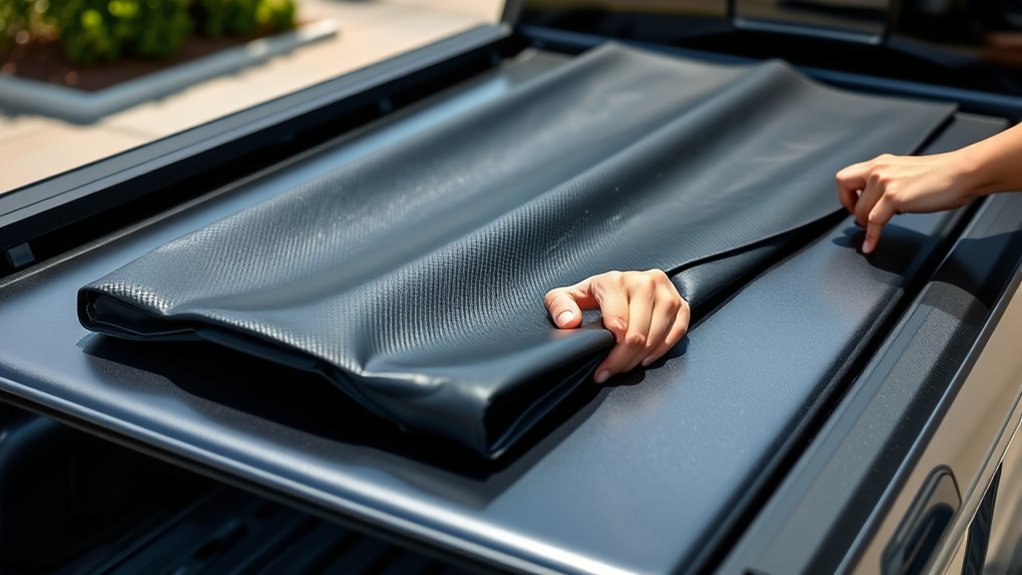
For soft covers, gently accordion-fold the sections without forcing them to avoid creases. Make sure the cover is completely dry before folding to prevent mold and damage.
If you have a hard cover, begin by closing the tailgate. Clean and lubricate the hinges to ensure smooth operation. Then, fold the panels backward in sequence, securing them with straps or locks as needed.
Always clear and dry your truck bed before folding the cover to prevent any potential damage. Proper folding helps maintain the cover’s functionality and protects your cargo.
Keep following for detailed techniques and maintenance tips.
What Is a Tonneau Cover and Why Fold It
A tonneau cover is a protective accessory designed to fit over the bed of a pickup truck, shielding cargo from weather elements and theft. When you fold a tonneau cover, you’re activating its soft function or hard utility, depending on the material.
A tonneau cover protects your truck bed cargo from weather and theft, folding to suit soft or hard materials.
Soft covers use flexible, weather-resistant fabric that folds easily, allowing quick access while maintaining protection. Hard covers provide robust utility with rigid panels that fold or retract, offering enhanced security and durability.
Folding the cover lets you load oversized items without removing the entire accessory, optimizing your truck bed’s usability. Understanding how to fold it correctly ensures you preserve the cover’s integrity and maximize its protective features.
Mastering this process enhances your truck’s versatility and cargo management efficiency.
Soft vs. Hard Folding Tonneau Covers: Key Differences
You’ll notice soft folding tonneau covers use flexible materials like vinyl, making them easier to fold but requiring more frequent maintenance. Hard folding covers feature rigid panels that offer enhanced durability and simpler installation but less flexibility. Understanding these material and installation differences helps you choose the right cover for your needs.
Material and Flexibility
How do the materials and flexibility of tonneau covers impact their performance and usability? Soft folding covers typically use vinyl or fabric materials, granting greater flexibility and ease of folding. This flexibility allows you to fold the cover in sections, reducing storage space.
Hard folding covers, made from aluminum or composite panels, offer enhanced durability and security but less flexibility, requiring more careful folding techniques. Unlike an unrelated topic or generic discussion, these material differences directly affect how you handle and fold the cover.
Soft covers resist minor impacts but may wear faster, while hard covers provide rigid protection but can be heavier. Understanding these material properties helps you choose a cover that balances ease of use with your specific protection needs.
Installation and Maintenance
Material properties not only influence folding techniques but also impact installation and maintenance requirements for tonneau covers. Soft covers generally require simpler installation with fewer tools, while hard covers need precise alignment and secure fastening.
Maintenance differs, too: soft covers demand regular cleaning and occasional tightening, whereas hard covers require lubrication of hinges and inspection for structural integrity. Avoid off topic discussion like unrelated topic comparisons; focus strictly on these functional distinctions.
Folding a Soft Tonneau Cover
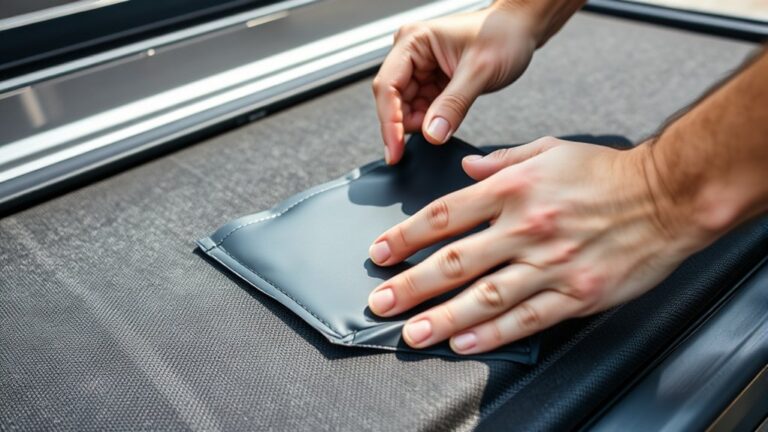
When folding a soft tonneau cover, start by releasing the latches that secure it to the truck bed rails. Next, carefully fold the cover accordion-style, ensuring each fold aligns precisely to avoid creasing or damage.
New trends in soft cover materials emphasize flexibility and durability, making folding easier without compromising protection. Contrary to some maintenance myths, you don’t need to apply excessive lubrication or force when folding; gentle handling preserves the cover’s integrity.
After folding, secure the cover with the built-in straps or clips to prevent unfolding during transit. Regularly inspect the folding mechanism and fabric for wear, as proper folding techniques significantly extend the cover’s lifespan.
Following these steps ensures optimal performance and protects your investment efficiently.
Folding a Hard Tonneau Cover
Before folding your hard tonneau cover, you need to ensure it’s clean and free of debris to prevent damage. Follow the specific step-by-step folding process designed for your model to avoid misalignment or strain on the hinges. Proper preparation and careful folding will maintain the cover’s functionality and extend its lifespan.
Preparing Cover For Folding
How do you guarantee your hard tonneau cover folds smoothly and maintains its durability? Start by thoroughly cleaning the cover surface to eliminate dust and debris, ensuring optimal dust management. Use a soft brush or microfiber cloth to avoid scratches.
Check for any accumulated moisture or rainwater; drying the cover before folding prevents mold and preserves rain protection integrity. Inspect hinges and seals for damage or dirt buildup that can hinder smooth folding.
Lubricate hinges lightly with a silicone-based spray to reduce friction. Make sure the tailgate is fully closed to align the cover correctly. By preparing your hard tonneau cover with these precise steps, you minimize wear, maintain its protective features, and ensure a seamless folding operation every time.
Step-by-Step Folding Process
Where should you begin the folding process to guarantee your hard tonneau cover operates flawlessly? Start by releasing the cover latches to release tension. This initial tension adjustment is essential for smooth folding.
Next, lift the front panel gently and fold it backward, aligning it along the designated hinges. Use the proper folding technique by ensuring each panel folds flat without forcing any joints.
Continue folding sequentially, panel by panel, maintaining even pressure to avoid damage. Once fully folded, secure the cover with the built-in locks or straps to prevent shifting during transit.
Preparing Your Truck Bed Before Folding
Why is it essential to prepare your truck bed properly before folding the tonneau cover? Proper preparation ensures smooth folding and maintains the cover’s weatherproofing integrity.
First, clear debris and moisture from the bed surface to prevent damage and water intrusion. Use a soft brush or compressed air to remove dirt without scratching.
Inspect seals and latches for wear or misalignment, as these affect weatherproofing techniques. Document your setup with how-to photography, capturing latch positions and seal conditions for reference during reinstallation. This step helps maintain a tight fit, preventing leaks.
Ensuring the bed is clean and dry also reduces friction, making folding easier and extending the tonneau cover’s lifespan. Skipping preparation risks damage and compromises protection against elements.
Securing Your Folded Tonneau Cover
When you’ve folded your tonneau cover, securing it properly is essential to prevent shifting during transit and to maintain its structural integrity. Begin by aligning the folded sections snugly against the truck bed’s sides. Use adjustable straps or built-in latches to anchor the cover firmly, ensuring no movement occurs.
Check the tension consistently. Too loose invites damage; too tight risks material stress. Though securing a tonneau might seem as unrelated to fitness as a humor writing workshop, both require precision and care to be effective.
Finally, inspect all fastenings before driving. Proper security minimizes wear and tear, extends cover lifespan, and guarantees safe transport of your cargo, striking a balance between durability and ease of access every time you fold and stow your cover.
Common Tonneau Cover Folding Mistakes to Avoid
Properly securing your folded tonneau cover sets the stage for its longevity and reliable function, but overlooking common folding errors can still compromise performance. Avoid these mistakes to extend your cover’s lifespan and justify any pricing concerns.
- Incorrect Alignment: Misaligning fold panels stresses hinges and seals, accelerating wear and risking leaks in edge cases like heavy rain.
- Folding with Debris: Trapping dirt or small objects during folding causes abrasions, damaging the cover’s surface and seals, leading to costly repairs.
- Forcing Folds: Applying excessive force to stiff or cold covers can crack materials or deform components, reducing flexibility and effectiveness.
Maintaining and Cleaning Your Folded Tonneau Cover
How often should you clean and maintain your folded tonneau cover to ensure optimal performance? Follow the manufacturer’s recommended maintenance schedule, typically every 3 to 6 months, to prevent dirt buildup and material degradation.
Use mild soap and water with a soft cloth to clean the cover, avoiding harsh chemicals that can damage the fabric or finish. After cleaning, allow the cover to dry fully before folding to prevent mildew.
Regularly inspect hinges and folding mechanisms for corrosion or wear, lubricating them as specified. Adhering to these maintenance practices helps maintain functionality and extends the cover’s lifespan.
Troubleshooting Tonneau Cover Folding Problems
Why does your tonneau cover resist folding smoothly? Often, folding problems stem from overlooked mechanical or material issues. Before jumping into unrelated topics, focus on these discussion ideas to diagnose the problem effectively:
- Hinges and Joints: Check for debris or corrosion obstructing hinge movement. Lubricate with silicone spray to restore smooth folding.
- Cover Tension: Excessive tightness can cause resistance. Adjust the tension or straps to alleviate strain during folding.
- Surface Damage: Warping or tears in the cover fabric can hinder folding. Inspect for wear and replace damaged sections promptly.
Frequently Asked Questions
Can I Install a Tonneau Cover Myself or Need Professional Help?
You can install a tonneau cover yourself if you follow the instructions carefully. The DIY feasibility depends on your tools and experience, but most installations are straightforward.
They require minimal professional assistance unless you want guaranteed precision.
Will a Tonneau Cover Improve My Truck’s Fuel Efficiency?
You can boost your truck’s fuel efficiency by up to 10% with a tonneau cover, as it reduces wind resistance. This streamlined airflow lowers drag, helping your engine consume less fuel during highway driving.
Are Tonneau Covers Compatible With All Truck Bed Sizes?
Tonneau covers have limited compatibility with truck bed sizes, so you’ll need to verify exact measurements. You might face installation difficulty if the cover isn’t designed for your truck, requiring custom adjustments or professional help.
How Long Does a Typical Tonneau Cover Last?
You’d think a tonneau cover lasts forever, but typical durability longevity ranges from 5 to 10 years. Factors like material quality and maintenance critically affect two-word topic ideas such as lifespan and performance over time.
Can I Lock My Tonneau Cover for Added Security?
Yes, you can lock your tonneau cover using its built-in locking mechanism, which enhances security features by preventing unauthorized access.
Ensure the lock engages properly to maintain optimal protection for your truck bed and cargo.
Conclusion
Now that you know how to fold both soft and hard tonneau covers properly, why risk damaging your investment by folding it incorrectly? Taking time to prepare your truck bed, follow precise folding steps, and secure the cover will extend its lifespan and maintain its functionality.
Avoid common mistakes, clean it regularly, and troubleshoot issues promptly to ensure your tonneau cover continues protecting your cargo effectively.
Ready to fold your tonneau cover with confidence every time? Proper folding techniques will help you get the most out of your tonneau cover.