Where Is the Expiration Date on a Car Seat
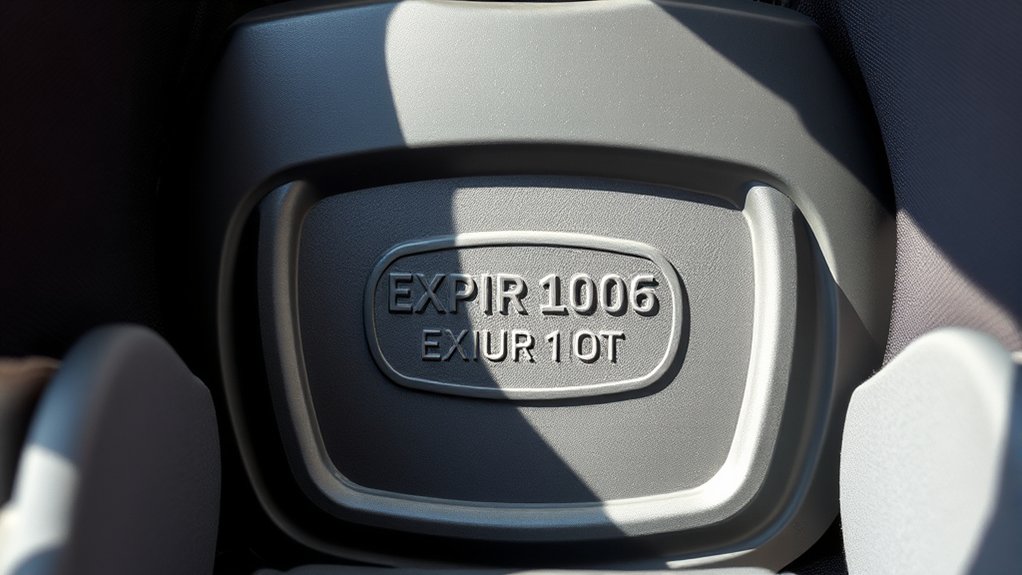
You’ll find the expiration date on a car seat either on a label or molded directly into the plastic shell. It is usually located near the back or bottom, close to the manufacturer’s sticker with model and serial numbers.
Some brands hide the expiration date under fabric covers or along the sides, so check carefully for hidden codes or dates. Knowing this helps guarantee your car seat remains safe and effective.
Keep exploring to understand why expiration dates really matter and how to handle them.
Where to Find the Expiration Date on Your Car Seat
Wondering where to locate the expiration date on your car seat? You’ll typically find it on a label or molded directly into the plastic shell. Check the back or bottom of the seat, near the manufacturer’s sticker containing model and serial numbers.
Look for the expiration date on a label or molded into the plastic, usually near the manufacturer’s sticker.
Some brands place it under the fabric cover or along the side. Being proactive about car seat safety means verifying this date regularly.
Don’t assume the expiration date is printed plainly; sometimes it’s embedded in a code or listed as a manufacture date plus a lifespan. Expiration awareness helps you avoid using a seat that’s compromised by wear or outdated safety standards.
Keep your child protected by knowing exactly where to find and interpret this crucial information on your car seat.
Why Car Seats Expire and Why It Matters
Why do car seats come with expiration dates, and why should you pay close attention to them? Over time, materials degrade, safety standards evolve, and expired testing can no longer guarantee a seat’s effectiveness. Using a car seat beyond its expiration date puts your child at risk because the seat may not perform as designed in a crash.
You need to consider:
- Wear and tear on harnesses, buckles, and plastic components that weaken safety.
- Changes in safety regulations that make older seats outdated.
- Manufacturing recalls that may affect specific seat models, emphasizing the importance of current compliance.
How to Read and Understand the Expiration Label
Where can you locate the expiration label on your car seat, and what exactly does it convey? Typically, the label is situated on the back, bottom, or side of the seat. It clearly states the manufacture date and the expiration date, often expressed as a specific month and year.
When reading warnings on this label, pay close attention to notes about material degradation. These explain why the seat’s safety features may weaken over time. The label may also include instructions on proper use and storage.
Understanding these details ensures you recognize when your car seat no longer offers the best protection. Always prioritize the expiration date over the seat’s appearance; even if it looks fine, material degradation can compromise its integrity and safety.
What to Do If You Can’t Find the Expiration Date?
If you can’t locate the expiration date on your car seat, start by checking the manufacturer label for any hidden codes or dates. Next, consult the car seat manual, which often includes important lifespan information. If you still come up short, contact the manufacturer’s customer support for precise guidance.
Check Manufacturer Label
Wondering how to find the expiration date when it’s not clearly marked? Your best bet is checking the manufacturer label, which often holds essential information about the car seat’s lifespan. Look carefully for a sticker or imprint on the seat’s frame or underside. This label may include the manufacturing date, model number, and sometimes the expiration date itself.
When examining the manufacturer label, focus on:
- Locating the manufacturing date to estimate the expiration timeline.
- Identifying the model number for online research.
- Checking for any safety recall notices associated with your car seat.
Contact Customer Support
How can you determine your car seat’s expiration date when the label is missing or unclear? The best step is to contact customer support directly. Reach out to the manufacturer with your car seat’s model number and serial number handy.
This information allows them to locate the exact production date and expiration timeline. When you contact support, be clear about your warranty questions as well, since expiration dates often relate to warranty coverage.
Most manufacturers have dedicated teams trained to provide precise details quickly. Keep a record of your communication for future reference.
If you can’t find the label or it’s illegible, contacting support ensures you get accurate, official information, helping you keep your child’s safety a top priority without guesswork.
Inspect Car Seat Manual
Where can you find the expiration date when the label is missing or unclear? Start by inspecting the manual that came with your car seat. The manufacturer often includes detailed information about the seat’s lifespan and expiration date within this document.
When checking labels directly on the seat doesn’t help, the manual becomes your best resource.
Here’s how to proceed when inspecting the manual:
Look for a section specifically addressing safety guidelines or product lifespan. Carefully review any diagrams or tables that mention manufacture or expiration dates.
Check for instructions on how to identify date codes if the expiration date isn’t plainly stated.
Risks of Using a Car Seat Past Its Expiration Date
Why should you avoid using a car seat past its expiration date? Over time, the materials in a car seat degrade due to exposure to heat, sunlight, and everyday wear, much like how wearable tech components lose efficiency after extended use.
Expired car seats may no longer offer the structural integrity needed to protect your child in a crash. Unlike advanced space exploration gear, which undergoes rigorous testing and replacement cycles, car seats aren’t designed to last indefinitely.
The plastic can become brittle, harnesses may weaken, and safety mechanisms might fail. Using an expired car seat puts your child at greater risk of injury because it can’t reliably absorb impact forces.
To ensure maximum protection, always use car seats within their designated lifespan.
When and How to Replace an Expired Car Seat
You should replace your car seat as soon as you notice signs of expiration, such as faded labels, cracked plastic, or missing parts. Most manufacturers recommend replacing the seat immediately after the expiration date printed on the label. Following these guidelines ensures your child’s safety and complies with safety standards.
Signs Of Expiration
How can you tell when a car seat has expired? First, check the manufacturing date printed on the seat; car seats typically expire 6 to 10 years after that date. An expired recall alert is another critical sign. Expired seats might no longer meet safety standards or have unresolved recalls.
Additionally, physical wear and damage often indicate it’s time for replacement.
Look for these signs of expiration:
- Faded or cracked plastic, which weakens structural integrity
- Missing labels or instruction manuals indicating age and safety info
- Mold, rust, or broken parts compromising safety mechanisms
Replacement Timing Guidelines
Recognizing the signs of an expired car seat is only the first step; knowing when and how to replace it guarantees your child’s safety isn’t compromised. Replace your car seat immediately if it’s past the expiration date or shows damage.
You can buy a new one at reputable stores or online retailers. Always check for current safety certifications. For cost comparison, consider both new and gently used options but prioritize safety over price.
| Replacement Timing | Recommended Action |
|---|---|
| Expired Seat | Replace immediately |
| Visible Damage | Replace immediately |
| Recalls | Follow manufacturer instructions |
| Outgrown Child Size | Upgrade to next size |
Always register your new seat to receive safety updates.
Frequently Asked Questions
Can I Transfer a Car Seat Expiration Date if It’s Used by Multiple Children?
You can’t transfer the expiration date when multiple children use a car seat. Always check for expired safety recalls and follow motor vehicle maintenance guidelines to ensure the seat remains safe and effective throughout its lifespan.
Do Car Seat Expiration Dates Vary by Brand or Model?
Yes, car seat expiration dates vary by brand and model due to different car seat maintenance standards and labeling routines. You should always check each seat’s specific label to ensure safety and compliance with the manufacturer’s guidelines.
How Do Extreme Temperatures Affect the Car Seat’s Expiration Timeline?
Like a knight’s armor weakened by rust, extreme temperatures speed up your car seat’s expiration impact. Heat and cold degrade materials faster, so you should check for wear more often to guarantee your child’s safety.
Are There Laws Regarding Car Seat Expiration Dates in Different States?
You’ll find that car seat expiration laws vary by state, but many encourage car seat recycling and roadside safety programs to ensure you replace expired seats promptly. This helps keep your child safe and ensures you comply with local regulations effectively.
Can I Extend the Expiration Date by Replacing Parts or Padding?
You can’t paint over rust; similarly, replacing parts or padding won’t extend your car seat’s expiration date. The safety materials degrade over time, so rely on the manufacturer’s timeline instead of patching a ticking clock.