What Color Is Coolant
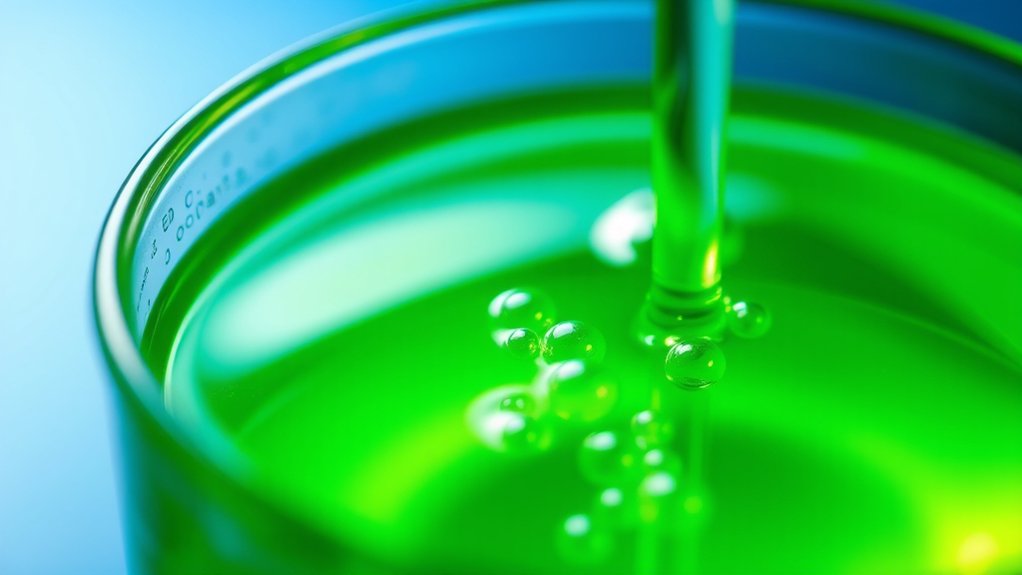
Coolant comes in several common colors—green, orange, pink, and red—each signaling a specific chemical formula designed for certain engine types. Understanding what color is coolant can help you select the right type for your vehicle.
Green usually means Inorganic Additive Technology (IAT), while orange indicates Organic Acid Technology (OAT). Pink and red often show Hybrid Organic Acid Technology (HOAT).
The color helps guarantee compatibility with your engine’s materials and corrosion inhibitors. Mixing colors can reduce effectiveness and cause damage. Understanding these colors helps you choose the right coolant for your vehicle’s needs.
Why Coolant Color Matters for Your Car
Why does the color of your car’s coolant matter? It signals the type of antifreeze formula designed for your engine’s specific needs, especially with new tech advancements in cooling systems.
Coolant color indicates the antifreeze formula tailored to your engine’s unique cooling system requirements.
Using the correct coolant color ensures compatibility with your vehicle’s materials and additives, preventing corrosion and deposits that can reduce performance. This directly impacts fuel efficiency by maintaining optimal engine temperature and preventing overheating or excessive wear.
When you pick the wrong color coolant, you risk chemical imbalance that can degrade the cooling system and increase fuel consumption. Paying attention to coolant color helps you maintain your vehicle’s reliability and efficiency, aligning with manufacturer specifications.
It’s a small detail that preserves your engine’s longevity and supports cutting-edge fuel-saving technologies effectively.
Common Coolant Colors and Their Formulas
Which coolant color suits your vehicle depends largely on its chemical formula and intended application. Understanding coolant chemistry is essential to maintaining system safety and optimal performance.
Here are common coolant colors and their typical formulas:
- Green: Contains Inorganic Acid Technology (IAT) with silicates and phosphates, ideal for older vehicles.
- Orange: Uses Organic Acid Technology (OAT), providing extended protection without silicates.
- Pink/Red: Employs Hybrid Organic Acid Technology (HOAT), combining silicates and organic acids for diverse compatibility.
- Yellow: Often a variation of HOAT or OAT, designed for specific OEM requirements.
Each formula influences corrosion resistance and thermal performance, so matching your vehicle’s coolant chemistry ensures system safety and longevity.
Green Coolant vs. Other Types
How does green coolant compare to other types in terms of composition and application? Green coolant typically contains inorganic additive technology (IAT), using silicates and phosphates to protect metal components and prevent corrosion.
This contrasts with other coolants like orange or pink, which often use organic acid technology (OAT) or hybrid organic acid technology (HOAT). Understanding coolant chemistry helps you select the right product based on your vehicle’s specifications and environmental conditions.
Color perception can sometimes mislead, as color alone doesn’t dictate compatibility or performance. Green coolant is generally suited for older vehicles requiring frequent changes, while newer formulations offer extended life and superior protection.
When choosing coolant, prioritize chemistry and manufacturer recommendations over color to ensure optimal engine protection and longevity.
Why Some Cars Use Orange Coolant
You’ll find orange coolant often contains organic acid technology (OAT) inhibitors that protect your engine longer than traditional coolants. Its composition reduces corrosion and extends the life of aluminum and other metal components. Understanding these benefits helps you choose the right coolant for your vehicle’s specific needs.
Orange Coolant Composition
Why do some vehicles require orange coolant instead of the more common green or yellow types? The orange coolant composition is specifically formulated to meet the needs of certain engines, reflecting the coolant color significance in identifying its chemical properties and compatibility.
Here’s what defines orange coolant:
- It uses Organic Acid Technology (OAT), providing long-lasting corrosion protection without silicates.
- The formulation is phosphate-free, reducing the risk of deposits in aluminum engines.
- It contains specific inhibitors tailored for modern engine materials, enhancing durability.
- The bright orange dye serves as a visual cue, preventing mixing with incompatible coolants.
Understanding this composition helps you select the right coolant, ensuring efficient engine protection based on your vehicle’s manufacturer recommendations.
Benefits Of Orange Coolant
What advantages does orange coolant offer that make it the preferred choice for some vehicles? Orange coolant typically contains organic acid technology (OAT), which provides superior corrosion protection for aluminum and other engine metals. This formulation reduces the risk of irreversible staining on engine components, maintaining system integrity over time.
Additionally, orange coolant tends to have a longer service life, decreasing the frequency of coolant changes. From an environmental impact standpoint, these longer intervals mean less frequent disposal, reducing hazardous waste.
Furthermore, the specific additives in orange coolant are designed to minimize environmental toxicity if leaks occur. By using orange coolant, you ensure enhanced engine protection and contribute to lower environmental risks, making it a technically sound and eco-conscious choice for modern vehicles.
When to Use Pink and Red Coolants
When should you choose pink or red coolant for your vehicle’s cooling system? Pink and red coolants primarily indicate specific chemical formulations designed for long-term protection and concept compatibility with certain engine materials. Their color symbolism often reflects enhanced corrosion inhibitors and organic acid technology.
Choose pink or red coolant for long-term protection and compatibility with advanced engine materials.
Consider these factors:
- Your vehicle manufacturer specifies pink or red coolant in the manual.
- The cooling system uses aluminum components requiring organic acid technology.
- You need extended service intervals beyond standard green or orange coolants.
- The cooling system demands high corrosion resistance in mixed-metal environments.
Selecting pink or red coolant ensures top-tier thermal management and system longevity, but always confirm compatibility to avoid chemical mismatches that can degrade performance or damage components.
How to Identify Your Coolant’s Color and Condition
To identify your coolant’s color and condition, start by examining its common hues—such as green, orange, pink, or red. Check for visual indicators like cloudiness, rust particles, or oil contamination that signal degradation. Keep in mind that color changes often result from chemical breakdown, mixing different coolant types, or contamination.
Common Coolant Colors
Although coolant colors can vary widely, recognizing the common hues helps you quickly identify your vehicle’s coolant type and assess its condition. Proper coolant storage and dealer labeling often provide initial clues, but direct observation remains essential.
Here are four common coolant colors you should know:
- Green: Traditional ethylene glycol-based coolant, widely used and compatible with older vehicles.
- Orange: Organic acid technology (OAT) coolant, designed for extended life and modern engines.
- Pink/Red: Hybrid organic acid technology (HOAT), combining inhibitors for diverse protection.
- Blue: Typically phosphate-free OAT, common in Asian vehicles.
Visual Condition Indicators
How can you quickly assess the condition of your coolant by its appearance? Start by examining its color and clarity. Fresh coolant typically displays a vibrant hue, such as green, orange, pink, or yellow, depending on its formulation.
If you notice it’s murky, rusty, or contains particles, these are clear visual condition indicators of contamination or degradation. Avoid considering irrelevant topics like unrelated engine issues or stray concepts such as oil color when evaluating coolant. Focus solely on the coolant’s visual traits.
Cloudiness or sediment buildup signals that the coolant has lost its effectiveness and requires replacement. Also, a faded or dull color often means the corrosion inhibitors have depleted.
Color Change Causes
Why does your coolant change color over time? Understanding this helps you accurately assess your vehicle’s cooling system health. Coolant color shifts usually indicate chemical breakdown or contamination, not an irrelevant topic or unrelated concept.
Here are four common causes:
- Oxidation Exposure to air causes rust and color darkening.
- Contamination Mixing with oil or debris alters hue and clarity.
- Depletion of additives Corrosion inhibitors wear out, changing color.
- Mixing different coolants Combining incompatible types creates unexpected colors.
Is It Dangerous to Mix Coolant Colors?
Can you safely mix different coolant colors in your vehicle? Generally, you shouldn’t. Coolant colors indicate different chemical formulations, such as ethylene glycol or organic acid technology (OAT).
Mixing coolant colors is generally unsafe due to differing chemical formulations like ethylene glycol and OAT technology.
Mixing these can cause chemical reactions that reduce corrosion protection, forming sludge or gel. This compromises your cooling system’s efficiency and may lead to overheating or component damage.
Although it might seem like an unrelated topic or a random thought, understanding coolant compatibility is essential for maintenance. Always check your vehicle’s manual for the recommended coolant type.
If you must mix due to an emergency, flush and replace the system with the correct coolant as soon as possible. Avoid assuming color alone defines coolant type; rely on specifications to prevent costly damage.
What Coolant Color Changes Mean
Understanding the implications of coolant color changes helps you monitor your vehicle’s cooling system health. Coolant chemistry directly influences color symbolism, indicating system conditions or potential issues. When you notice a shift in coolant color, consider these key points:
- Rust or Brown Tint: Suggests corrosion inside the radiator or engine, requiring immediate attention.
- Milky or Opaque Appearance: Indicates coolant contamination, often from oil mixing due to a head gasket leak.
- Green to Pink or Red Shift: May signal mixing of different coolant types, affecting chemical stability.
- Darkening or Black Particles: Points to coolant degradation or buildup of sludge, impairing heat transfer.
Recognizing these changes helps you maintain optimal coolant chemistry, ensuring your vehicle runs efficiently without overheating or damage.
Choosing the Right Coolant Color for Your Vehicle
You need to match your vehicle’s specifications when selecting coolant color, as common types include green, orange, and pink, each with distinct chemical formulations. Using the wrong color can cause corrosion or reduce cooling efficiency. Always check your owner’s manual to ensure compatibility between coolant color and your engine’s requirements.
Common Coolant Colors
Coolant comes in various colors, each indicating a specific chemical composition and intended use. Understanding these common coolant colors helps you avoid costly mistakes and debunks prevalent coolant myths. Color dyes serve as visual identifiers but don’t necessarily dictate performance or compatibility.
Here are the four most common coolant colors:
- Green Traditional ethylene glycol-based coolant with silicate additives, suitable for many older vehicles.
- Orange Organic acid technology (OAT) coolant, designed for extended life and reduced corrosion.
- Pink/Red Hybrid organic acid technology (HOAT), combining benefits of OAT and silicates.
- Blue Phosphate-based coolant, often used in Asian makes with specific corrosion protection needs.
Always verify your vehicle’s requirements beyond color to ensure optimal cooling system performance.
Color and Vehicle Compatibility
Colors indicate the chemical makeup of coolant, but picking the right one depends heavily on your vehicle’s specifications. Different manufacturers design coolants with unique additives tailored for specific engine materials and operating conditions.
Using the wrong color coolant can lead to corrosion, reduced efficiency, or even engine damage. Avoid mixing coolants of different colors unless the manufacturer explicitly states compatibility, as this can neutralize inhibitors.
When selecting coolant, consult your vehicle’s manual rather than relying on color alone, since color is not a universal standard. Getting caught up in unrelated discussion or irrelevant topic about color preferences wastes time and risks incorrect choices.
Focus on following manufacturer recommendations and chemical compatibility to ensure optimal cooling system performance and longevity.
How to Safely Flush and Refill Coolant
Begin by allowing the engine to cool completely before opening the radiator cap to prevent burns from hot steam or fluid. Following proper coolant safety protocols is essential to avoid injury and contamination.
To perform a flush procedure effectively, follow these steps:
- Drain the old coolant by opening the radiator drain valve and capturing the fluid safely.
- Flush the system using distilled water or a manufacturer-approved flush solution to remove deposits.
- Close the drain valve securely and refill the system with the correct type and mixture of coolant.
- Run the engine with the heater on to circulate the new coolant, then check for leaks and top off as necessary.
Adhering to these steps ensures the best cooling system performance and longevity.
Frequently Asked Questions
Can Coolant Color Affect Engine Temperature Regulation?
Think of coolant color as a traffic light for your engine’s temperature regulation. You’ll want to guarantee dye compatibility to maintain accurate color temperature readings, preventing misinterpretation and guaranteeing your engine runs at its best without overheating.
How Often Should Coolant Be Tested for Contamination?
You should perform coolant testing for contamination every 12 months or 15,000 miles, whichever comes first, to ensure optimal engine performance.
Regular contamination testing helps detect impurities that could impair cooling efficiency and prevent costly damage.
Does Coolant Color Impact Vehicle Warranty Coverage?
About 30% of warranty claims involve coolant issues. You shouldn’t ignore coolant color since incorrect hues can hinder leak detection, potentially causing warranty implications if damage results from improper maintenance or unapproved fluid use.
What Are the Environmental Effects of Disposing Coolant?
You must handle coolant disposal carefully, as its composition includes toxic chemicals. Improper disposal harms ecosystems and violates disposal regulations.
Always follow local guidelines to prevent environmental contamination and protect water sources from hazardous coolant waste.
Can Coolant Color Indicate the Presence of Leaks?
Coolant color signs act like a beacon for leak detection; if you spot unexpected puddles matching your coolant’s hue, you’ve likely found a leak. Always inspect these color trails promptly to prevent engine damage and costly repairs.