Can Jumper Cables Go Bad
Yes, jumper cables can go bad over time as insulation cracks, clamps corrode, and internal wires break down from wear and exposure. These issues affect the cables’ performance and safety. Damaged cables increase resistance, cause poor connections, and pose risks like electrical shorts or overheating.
Regular inspection and proper storage—avoiding moisture and tight bends—help maintain safe, reliable performance. Using compromised cables can harm both safety and your vehicle’s electrical system. Understanding how they wear out and when to replace them ensures you’re always prepared.
What Signs Show Your Jumper Cables Are Failing
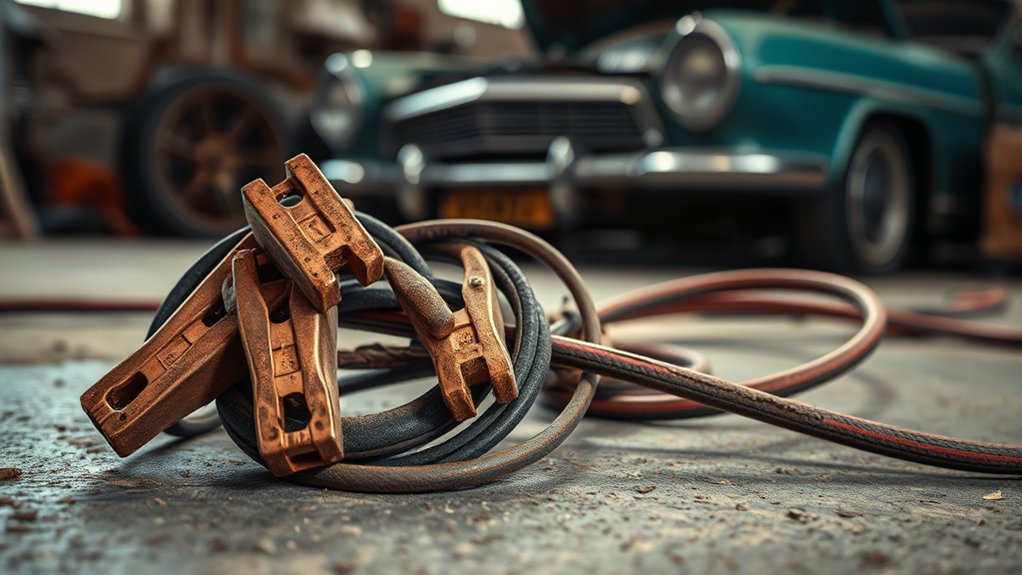
One key indication that your jumper cables are failing is visible damage to the insulation or clamps. If you notice frayed or cracked insulation, it often results from old wiring deteriorating over time. This degradation compromises the cable’s ability to conduct electricity efficiently, increasing resistance and reducing current flow.
Additionally, corrosion damage on the clamps is another clear sign. Corrosion, frequently caused by exposure to moisture and battery acid, can prevent proper electrical contact, leading to inconsistent or failed jumps. You should also inspect for bent or loose clamp jaws, as they can hinder a secure connection.
Regularly checking for these issues helps ensure reliable performance and prevents unexpected failure when you need your jumper cables most.
How Jumper Cables Wear Out
Inspecting visible damage is just part of understanding jumper cable reliability. Over time, jumper cables degrade primarily due to wearing insulation and metal fatigue. The insulation can crack, exposing wires and reducing electrical safety.
Metal fatigue occurs when the internal copper or aluminum strands break down from repeated bending or stress, reducing conductivity.
Factors accelerating wear include:
- Frequent bending and twisting causing internal wire breaks
- Exposure to extreme temperatures degrading insulation
- Corrosion from moisture weakening metal connections
- Improper storage leading to kinks and cracks in insulation
Are Damaged Jumper Cables Dangerous?
Damaged jumper cables pose significant safety risks, including electrical shorts, sparks, and potential shocks. When insulation is cracked or wires are exposed, you increase the risk of unintended electrical contact, which compromises electrical safety.
Using cables with frayed or corroded clamps can cause poor connections, resulting in overheating or arcing. Additionally, manufacturing defects might lead to weak points in the cable’s construction, further elevating these dangers.
You should always inspect cables for visible damage before use, as compromised cables can cause injury or damage your vehicle’s electrical system. Ignoring signs of wear or defects directly threatens both your safety and the functionality of your equipment.
Prioritizing proper maintenance and replacing faulty cables ensures safe and reliable jump-starting every time.
How to Properly Store Jumper Cables to Extend Their Life
To extend the life of your jumper cables, you’ll want to avoid exposing them to moisture, which can cause corrosion and reduce conductivity. Always coil the cables neatly to prevent kinks and damage to the internal wiring. Proper storage ensures reliable performance when you need them most.
Avoid Moisture Exposure
How does moisture affect your jumper cables’ performance and longevity? Moisture exposure accelerates oxidation and corrosion on the metal clamps and internal wiring, reducing conductivity and increasing resistance. To ensure effective current flow and extend cable life, prioritize moisture prevention and corrosion awareness during storage. Keep your cables dry and avoid environments prone to humidity.
To properly store jumper cables and avoid moisture damage, follow these guidelines:
- Store cables in a waterproof, sealed container to block humidity.
- Avoid placing cables on damp surfaces or in garages prone to condensation.
- Regularly inspect clamps and wires for signs of corrosion or rust.
- Use moisture-absorbing packets or silica gel packs inside storage containers for added protection.
Implementing these steps will maintain cable integrity and ensure reliable performance when you need them.
Coil Cables Neatly
After protecting your jumper cables from moisture, the next step is to focus on how you coil them for storage. Properly coil cables by looping them in consistent, gentle circles to prevent kinks and internal wire damage. Avoid tight bends, as they stress the copper core and insulation.
Follow storage recommendations that suggest securing the coil with a twist tie or Velcro strap to maintain shape and prevent tangling. Store the coiled cables in a dry, cool environment away from direct sunlight and extreme temperatures to preserve material integrity.
When to Replace Your Jumper Cables
When should you replace your jumper cables to guarantee reliable performance? You need to assess cable reliability regularly, especially if you’ve subjected them to bad storage conditions. Exposure to moisture, extreme temperatures, or improper coiling can degrade insulation and internal wiring, leading to increased resistance or failure.
Replace your jumper cables if you notice:
- Visible cracks, frays, or exposed wires on the insulation
- Corroded or rusted clamps affecting electrical conductivity
- Stiff or brittle cables indicating internal damage
- Inconsistent or weak jump starts despite proper connection
Maintaining optimal cable reliability means replacing cables at the first sign of physical or functional compromise. Don’t wait for a failure during an emergency. Proactive replacement ensures safety and performance.
Best Durable Jumper Cables for Value and Longevity
Which jumper cables offer the best combination of durability, performance, and value? Look for cables constructed with thick, high-quality copper or copper-clad aluminum wire, as they ensure efficient current flow and resist corrosion.
Insulated clamps with strong spring tension minimize connection issues and enable safe handling. Opt for cables with at least 4 to 6 gauge thickness and lengths between 12 to 20 feet, balancing ease of use and electrical capacity.
Reliable brands often include warranties, which can complement your insurance coverage by reducing replacement costs after accidental damage. Prioritize cables tested for consistent conductivity and heat resistance to maximize longevity.
Frequently Asked Questions
Can Jumper Cables Damage My Car’s Battery?
Yes, using jumper cables improperly can cause burnout risks and reduce battery efficiency. You should connect them correctly to avoid short circuits or overloading, which can damage your car’s battery and electrical system.
How Do I Use Jumper Cables Safely on Electric Vehicles?
You should avoid corrosion by cleaning terminals before connecting jumper cables. Follow battery safety precautions carefully: connect positive terminals first, then negative to a grounded metal.
Disconnect in reverse to prevent sparks and protect your electric vehicle’s systems.
Are There Different Jumper Cables for Different Vehicle Types?
Like a chameleon blending in, jumper cables with color changing indicators help you pick the right type for gas, diesel, or electric vehicles. You’ll navigate randomized topics confidently, ensuring compatibility and safety every time.
Can Weather Conditions Affect Jumper Cable Performance?
Yes, cold weather can cause insulation wear on your jumper cables, leading to temporary power loss. This affects battery health by reducing effective current flow.
How Do I Properly Connect Jumper Cables Step-By-Step?
Think of jumper cables as lifelines. Connect the red clamp to the dead battery’s positive terminal, then to the good battery’s positive terminal.
Attach the black clamp to the good battery’s negative terminal, then to a grounded metal surface on the dead car. Prioritize jumper cable maintenance and battery safety.