Can You Reuse an Oil Filter
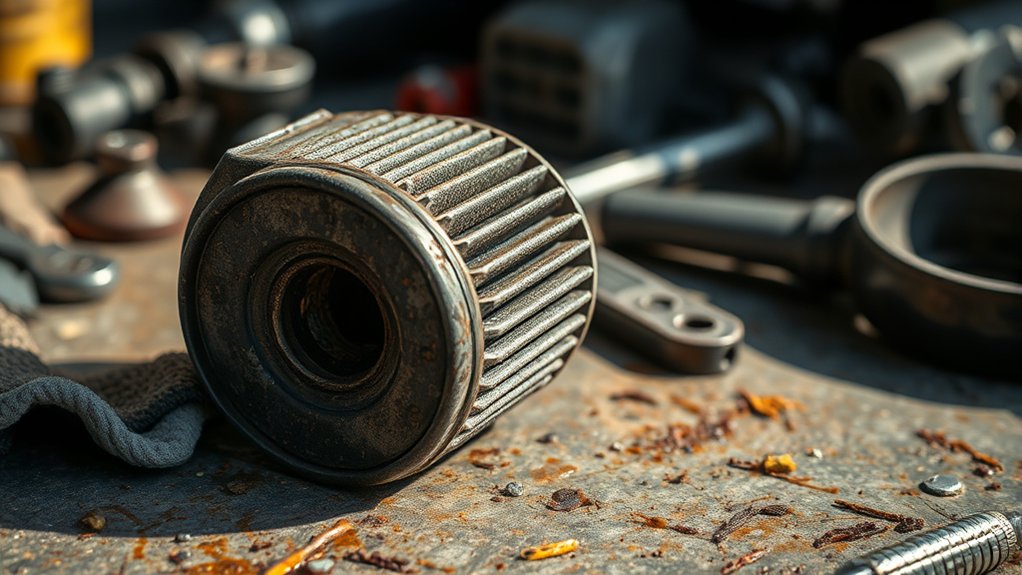
You shouldn’t reuse an oil filter because its filtering media saturates with contaminants, reducing filtration efficiency and risking engine damage.
Cleaning and reinstalling often leave debris inside, while gaskets and valves degrade after initial use, increasing leak and bypass risks.
Though short-term reuse might be acceptable in rare cases, it generally compromises engine protection.
To keep your engine safe and efficient, it’s best to replace the filter each oil change.
More detailed insights can help you understand why.
Key Takeaways
- Reusing oil filters is generally not recommended due to saturated filter media and potential debris retention.
- Used filters may have degraded seals and anti-drainback valves, increasing leak and contamination risks.
- Manufacturer guidelines advise replacing oil filters at every oil change for optimal engine protection.
- Short-term reuse may be acceptable only during brief tests or with high-quality aftermarket filters after careful inspection.
- Inspect filters visually and physically for damage or clogging before any reuse, but replacement remains the safest choice.
How Does an Oil Filter Work?
Although you might not see it, an oil filter plays a critical role in maintaining your engine’s health by trapping contaminants like dirt, metal particles, and sludge from the circulating oil. Through oil filtration, the filter ensures that only clean oil reaches sensitive engine components, reducing wear caused by engine contamination.
The filter media captures impurities as oil flows through, preventing abrasive particles from circulating. Additionally, a bypass valve allows oil to bypass the filter if it becomes clogged, ensuring continuous lubrication.
Why Replace Oil Filters Every Oil Change?
You should replace your oil filter every oil change because its efficiency drops as it traps contaminants. Continued use leads to buildup that can restrict oil flow and harm your engine. Following manufacturer recommendations ensures optimal filtration and engine protection.
Filter Efficiency Declines
An oil filter’s efficiency decreases markedly as it accumulates contaminants during engine operation. You need to understand how this decline happens to appreciate why replacing your filter every oil change is essential.
Three main factors cause efficiency loss:
- Filter Material Saturation: The filter media traps particles until it becomes clogged, reducing flow and filtration capacity.
- Seal Integrity Degradation: Over time, the seal that prevents unfiltered oil bypass weakens, risking contamination bypass.
- Structural Fatigue: Repeated pressure cycles stress the filter housing and internal components, impairing performance.
Because the filter material’s ability to capture debris diminishes and seal integrity weakens, continuing to reuse a filter compromises engine protection. Replacing your oil filter ensures optimal filtration and maintains engine longevity.
Contaminant Buildup Risks
Why does contaminant buildup pose a serious risk when reusing oil filters? Over time, trapped particles accumulate in the filter media, reducing its capacity to capture new contaminants. This leads to increased engine wear as unfiltered oil circulates.
Additionally, residual debris can degrade the filter’s structural integrity, exacerbating compatibility concerns with the engine’s oil system. Material compatibility plays a critical role here; exposure to contaminants and heat cycles may compromise the filter’s sealing elements and media composition.
Reusing the filter risks introducing trapped contaminants back into the engine, accelerating wear and potentially causing blockages. Considering these factors, replacing the oil filter during every oil change ensures optimal filtration performance and prevents material compatibility issues that could arise from contaminant buildup in reused filters.
Manufacturer Recommendations
How often should you replace your oil filter to maintain engine health? Manufacturers strongly recommend changing the oil filter with every oil change to prevent irreversible wear caused by contaminant accumulation. Ignoring this guideline can degrade engine performance and longevity.
Consider these key points:
- Filtration Efficiency Declines: Over time, filters clog, reducing their ability to trap particles, accelerating engine wear.
- Bypass Valve Activation: A saturated filter may trigger the bypass valve, allowing unfiltered oil to circulate, increasing damage risk.
- Consumer Perception and Warranty Compliance: Manufacturers align replacement intervals with warranty terms, influencing consumer trust and ensuring optimal engine protection.
Can You Safely Reuse an Oil Filter?
Can you safely reuse an oil filter without compromising your engine’s performance? Technically, reusing an oil filter is not recommended. Oil filters trap contaminants and metal particles; once used, their filtering media becomes saturated and less effective.
Attempting to clean and reinstall a filter risks leaving debris inside, which can accelerate engine wear. Although you might come across topic ideas unrelated to oil filters suggesting reuse, these don’t apply here.
The filter’s mechanical integrity, including its anti-drainback valve and sealing gasket, may degrade after initial use. This degradation can cause leaks or reduced filtration efficiency.
For optimal engine protection, always replace the oil filter with a new one during oil changes. This ensures reliable filtration and maintains your engine’s longevity and performance.
When Is It Acceptable to Reuse an Oil Filter?
Under what circumstances might you consider reusing an oil filter without risking engine damage? Generally, it’s rare, but certain conditions can make it acceptable:
- Short-Term Use: If you’re conducting multiple engine tests or oil changes within a very brief timeframe, reusing a filter can be justified.
- High-Quality Aftermarket Brands: Filters from reputable aftermarket brands often have robust construction and superior filtration media, allowing for limited reuse.
- Oil Pricing Constraints: When oil pricing is prohibitive, and you must extend maintenance intervals, reusing a filter cautiously may be an option, provided the filter is inspected and cleaned thoroughly.
Keep in mind, reusing oil filters is an exception, not the rule. Proper evaluation of filter condition and vehicle-specific guidelines is essential to avoid engine wear or contamination.
What Happens If You Reuse a Dirty Oil Filter?
What risks arise when you reuse a dirty oil filter? Reusing a contaminated filter compromises its ability to trap harmful particles effectively. This leads to increased engine wear as abrasive debris circulates freely, accelerating component degradation.
The filter’s clogged media restricts oil flow, causing oil starvation and potential overheating. These mechanical failures aren’t an irrelevant topic or off topic; they directly impact engine longevity and performance. Moreover, a dirty filter can cause bypass valve activation, allowing unfiltered oil into the engine, further escalating damage.
You risk costly repairs and reduced efficiency by ignoring these risks. Understanding this precise technical consequence helps you avoid mistakes that might seem minor but critically affect your vehicle’s health. Always prioritize proper filter maintenance over irrelevant topic distractions.
When Should You Never Reuse an Oil Filter?
How do you know when an oil filter is too compromised to reuse? Avoid reusing an oil filter if any of the following apply:
- Visible Damage or Deformation: If the filter casing is dented or the sealing gasket is cracked, it can cause oil leaks, disrupting engine cooling and pressure.
- Excessive Contamination: A filter clogged with metal shavings or sludge impairs oil flow and alters oil viscosity, reducing lubrication efficiency.
- Extended Service Life: Filters used beyond the manufacturer’s recommended interval degrade internally, compromising filtration and risking engine overheating.
Reusing in these conditions jeopardizes oil circulation and engine cooling, leading to increased wear. Always inspect the filter meticulously, as compromised oil viscosity due to contamination can cause severe engine damage. If in doubt, replace the filter to maintain optimal engine performance and longevity.
How Does Reusing Oil Filters Affect Your Engine?
Reusing an oil filter that shows signs of wear or contamination directly impacts your engine’s performance and longevity. When you reuse an old filter, it may no longer efficiently trap contaminants, allowing debris to circulate and accelerate engine wear.
Despite advances in new tech, such as enhanced filtration media and anti-drainback valves, worn filters lose their effectiveness. This can lead to clogged oil passages and reduced oil flow, causing increased friction and heat.
To protect your engine, follow consumer tips emphasizing timely filter replacement aligned with your vehicle’s maintenance schedule. Skipping this step can compromise oil quality and pressure, ultimately reducing engine life.
Prioritize using new, high-quality filters designed for your engine to maintain optimal performance and reliability.
How Do You Inspect an Oil Filter Before Reusing It?
Before reusing an oil filter, you need to carefully inspect it for any visible damage, such as dents, cracks, or corrosion. Next, check the condition of the filter element to ensure it’s intact and free of excessive debris or clogging. These steps help confirm whether the filter can still provide effective filtration without risking engine harm.
Visual Damage Check
When inspecting an oil filter for potential reuse, you should carefully examine it for any visible signs of damage or wear that could compromise its performance. Start with a thorough visual assessment, focusing on key damage indicators. Here are three critical steps:
- Check the filter housing for dents, cracks, or corrosion that could affect sealing integrity.
- Inspect the gasket closely for cracks, brittleness, or deformation that might cause leaks.
- Look for oil residue or contamination on the exterior, which could indicate internal failure or compromised filtration.
If you detect any of these damage indicators during your visual assessment, it’s best to replace the oil filter. Reusing a damaged filter risks engine contamination, reduced oil flow, and potential mechanical failure.
Filter Element Condition
How can you be sure the filter element inside the oil filter is still effective? First, drain all unused oil from the filter to prevent contamination during inspection. Then, carefully cut open the filter casing to expose the filter element.
Examine the element for any visible filter debris, tears, or clogs that could impair filtration performance. A compromised element will allow contaminants to circulate, risking engine damage.
Additionally, check for saturation or oil discoloration, which may indicate the filter’s diminished efficiency. If the element appears intact, free of debris, and shows no signs of degradation, it may still function properly.
However, because microscopic damage can be undetectable, relying solely on visual inspection isn’t ideal. For safety and engine longevity, replacing the oil filter is typically the best practice.
How Can You Extend Your Oil Filter’s Life?
Because oil filters play a critical role in maintaining engine performance, you can extend their life by following specific maintenance practices. Doing so helps minimize irreversible risk and optimizes cost tradeoffs associated with premature replacements. Here’s how you can do it:
- Use High-Quality Oil: High-grade oil reduces contaminant buildup, lessening strain on the filter media.
- Adhere to Proper Oil Change Intervals: Overextending intervals increases filter clogging risk, compromising filtration efficiency.
- Regularly Inspect for Damage: Check seals and filter housing for leaks or deformation that can degrade performance.
New vs. Reused Oil Filters: Which Is Better?
Extending your oil filter’s life involves careful maintenance, but at some point, you’ll face the decision between installing a new filter or reusing an existing one. When comparing new vs. reused oil filters, new filters provide guaranteed structural integrity and optimal filtration efficiency, ensuring contaminants are effectively removed.
Reused oil filters, even if cleaned, may have degraded filter media and compromised seals, reducing their ability to trap particles and increasing the risk of oil contamination. Additionally, reused filters might fail under high pressure or temperature fluctuations.
While reusing filters can be cost-effective short-term, new filters consistently offer superior reliability, protecting your engine better. Ultimately, choosing new over reused oil filters reduces mechanical risk and maintains engine performance according to manufacturer specifications.
Oil Filter Maintenance and Replacement Tips
Regular oil filter maintenance plays a pivotal role in sustaining engine performance and longevity. Neglecting this task can lead to clogged filters, reduced oil flow, and accelerated engine wear. To ensure optimal filter function, follow these three essential tips:
- Replace the oil filter with every oil change, typically every 3,000 to 7,500 miles, depending on your vehicle’s specifications.
- Inspect the filter housing and seal for damage or debris to avoid off topic reasoning that could lead to unrelated topic contamination of the oil system.
- Avoid reusing filters, as their media degrades, impairing filtration efficiency and risking engine damage.
Frequently Asked Questions
What Brands Offer Reusable Oil Filters?
You’ll find reusable oil filters from brands like K&N and Fram, known for durable reusable filter materials. Just ensure you check warranty coverage, as some brands limit it if you don’t follow their maintenance guidelines precisely.
How Much Do Reusable Oil Filters Cost?
Cost varies, ranging from $30 to $70, reflecting recyclability ethics and advanced materials. You’ll want to check warranty coverage carefully, since reusable filters often come with solid guarantees ensuring performance and durability over time.
Can Reused Oil Filters Be Recycled?
You can recycle reused oil filters, but recycling challenges arise due to residual oil contamination. Proper filter disposal requires draining and crushing to separate metals, ensuring effective recycling while minimizing environmental impact and adhering to regulatory standards.
Are Reusable Oil Filters Environmentally Friendly?
Reusing reusable oil filters reduces waste, but recyclability concerns arise due to mixed materials. You’ll appreciate their material durability, which prolongs life and lessens landfill impact, making them a technically sound, environmentally friendlier choice.
Do Reusable Oil Filters Come With Warranties?
Yes, reusable oil filters often come with warranties, but you should set realistic warranty expectations. Many include coverage against defects, helping correct recycling misconceptions about durability and reliability in long-term use and maintenance.
Conclusion
So, can you reuse an oil filter? The answer isn’t straightforward. While technically possible under very specific conditions, it’s rarely worth the risk.
A dirty or compromised filter can cause costly engine damage. Before deciding, you must thoroughly inspect and understand the filter’s condition.
But remember, the safest bet is a new filter every time—giving your engine the clean protection it demands. When it comes to your car’s health, it’s best not to gamble by trying to reuse an oil filter.