What Does Coolant Do
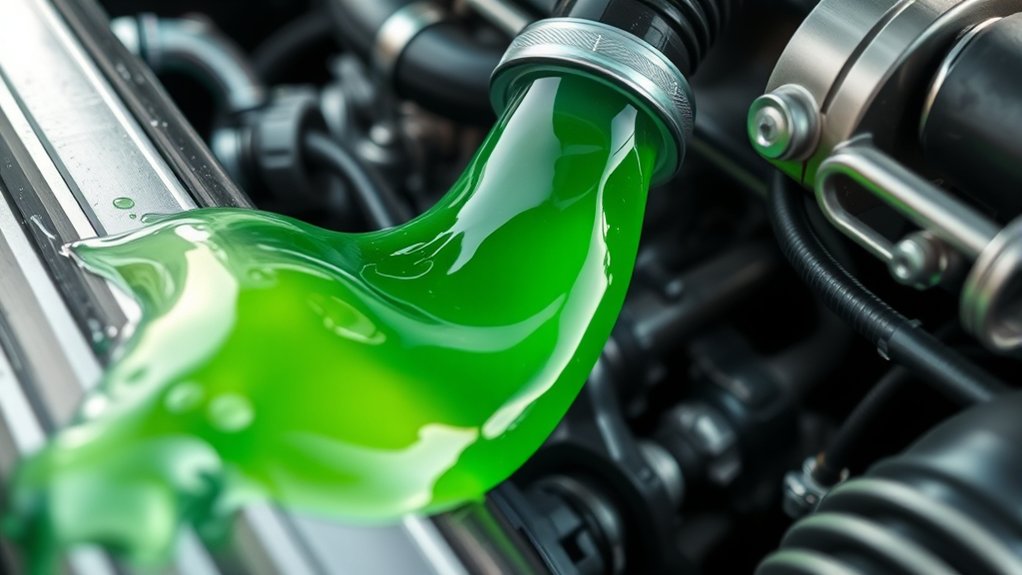
Coolant protects your engine by absorbing excess heat and circulating it away, preventing overheating and damage. It inhibits corrosion, keeps metal parts intact, and maintains proper pH balance to avoid scale buildup.
Using the right coolant type and mix guarantees your cooling system stays efficient and reliable. Neglecting coolant maintenance can cause overheating, corrosion, and component failure.
Understanding how coolant functions and how to manage it helps you maximize engine life and performance.
How Coolant Keeps Your Engine Safe
How exactly does coolant keep your engine safe? Coolant acts as a protective fluid, preventing corrosion and rust within the engine’s internal passages. Without it, metal components degrade, compromising engine bay aesthetics and function.
You’ll notice the coolant scent when leaks occur. This distinct odor signals a breach that can lead to overheating or damage. The coolant’s chemical additives inhibit scale buildup and maintain pH balance, ensuring longevity of the engine’s cooling system.
How Coolant Controls Engine Temperature
You rely on coolant to absorb excess heat generated by your engine’s combustion process efficiently. It circulates through the engine, regulating temperature by transferring heat away from critical components. Understanding this heat absorption and temperature control mechanism is key to maintaining optimal engine performance.
Heat Absorption Process
Effective temperature regulation hinges on the coolant’s ability to absorb and transfer heat away from the engine. You must understand that the heat absorption process depends on several critical factors directly affecting coolant performance.
First, coolant viscosity influences flow rate; lower viscosity enhances circulation and heat transfer efficiency. Second, the coolant’s specific heat capacity determines how much thermal energy it can absorb per unit volume. Third, the surface area contact between the coolant and engine components maximizes heat exchange.
Fourth, turbulence within the coolant flow disrupts thermal boundary layers, improving heat transfer. By optimizing these factors, you ensure the coolant effectively captures excess engine heat, preventing overheating and maintaining optimal operating temperatures. This precise interplay governs how well your coolant manages thermal loads during engine operation.
Temperature Regulation Mechanism
Building on the coolant’s ability to absorb heat efficiently, the temperature regulation mechanism controls engine temperature by circulating the coolant through critical pathways. You’ll find that the coolant flows from the engine block to the radiator, transferring heat away from combustion zones to prevent overheating.
The thermostat regulates this flow, opening when the coolant reaches a specific temperature to maintain ideal engine cooling. This precise control safeguards engine components, ensuring performance and longevity.
Adhering to coolant ethics means using appropriate coolant types and maintaining proper levels to avoid contamination or degradation, which can impair heat transfer. By understanding this mechanism, you appreciate how the coolant system dynamically balances thermal loads, optimizing engine efficiency and preventing damage through effective temperature regulation.
Why Different Coolant Types Matter
You need to understand that coolant types differ chemically, which affects how they interact with your engine materials. Choosing the right coolant ensures compatibility with your vehicle’s system, preventing corrosion and damage. This choice directly impacts both the coolant’s performance and the engine’s longevity.
Chemical Composition Differences
Why do different coolants perform better in specific engines? It comes down to coolant chemistry and mixture stability. Each coolant type contains unique chemical formulations that influence its protective properties and thermal efficiency. You need to understand these differences to optimize engine performance and longevity.
- Inhibitor Packages: Varying corrosion inhibitors target specific metals in the engine, affecting compatibility and protection.
- Base Fluid Composition: Ethylene glycol, propylene glycol, or organic acids impact boiling and freezing points differently.
- Additive Stability: Stability ensures consistent protection over time, preventing breakdown under thermal stress.
- pH Buffering Capacity: Maintains optimal pH, preventing acid formation and metal degradation.
Vehicle Compatibility Importance
Understanding the chemical composition differences in coolants sets the stage for recognizing how essential it is to match coolant types to specific vehicles. You can’t simply rely on compatibility myths or assume universal formulations will work across all engines.
Each vehicle manufacturer designs cooling systems with particular materials and corrosion inhibitors in mind, making the wrong coolant choice potentially harmful. Using an incompatible coolant can lead to chemical reactions that degrade seals, gaskets, and metals within the cooling system.
While universal formulations aim to simplify maintenance, they don’t guarantee optimal protection or compatibility. Therefore, you must consult your vehicle’s specifications to select the correct coolant type, ensuring chemical compatibility and maintaining system integrity. This precise selection prevents damage and supports proper engine operation.
Performance and Longevity
How does choosing the right coolant impact your vehicle’s performance and longevity? Selecting the appropriate coolant type directly influences your engine’s thermal regulation, which supports optimal engine oil viscosity and efficient air filtration.
Here’s why different coolants matter:
- Thermal Stability: Proper coolant maintains consistent engine temperature, preventing overheating that degrades engine oil and impairs air filtration efficiency.
- Corrosion Protection: Specific formulations reduce metal corrosion, extending radiator and engine component lifespan.
- Additive Compatibility: Using coolant compatible with your engine design avoids chemical reactions that can compromise seals and gaskets, preserving engine integrity.
- Maintenance Intervals: Different coolants require varying replacement frequencies, influencing long-term system cleanliness and performance.
When and How to Check Coolant Levels
When should you check your vehicle’s coolant levels to ensure optimal engine performance? Regular checks are essential, particularly before long trips and during seasonal changes. Always perform checks on a cold engine to avoid injury and inaccurate readings.
Proper coolant storage prevents contamination that could impair system efficiency. Follow precise topping procedures by removing the reservoir cap slowly, inspecting levels against the minimum and maximum marks, and adding the correct coolant type as needed.
| Check Timing | Reason |
|---|---|
| Cold engine start | Accurate level reading |
| Before long trips | Prevent overheating |
| Seasonal changes | Adjust for temperature shifts |
Adhering to these protocols ensures your cooling system maintains optimal function and prevents costly damage.
Signs Your Coolant Needs Changing or Topping Up
Why should you pay close attention to changes in your coolant’s condition? Monitoring signs ensures the radiator cap function remains effective, preventing pressure loss and overheating.
Here are four key indicators that your coolant needs changing or topping up:
- Discoloration: Coolant turns rusty or murky, signaling contamination or corrosion.
- Low Coolant Level: Frequent drops below the minimum mark indicate leaks or evaporation.
- Overheating Engine: Rising temperature gauge suggests insufficient coolant circulation.
- Sweet Odor or Puddles: Glycol leaks produce a distinct smell and visible fluid near the radiator.
If you detect any, act promptly. Remember, improper coolant disposal harms the environment and your vehicle. Always follow manufacturer guidelines when replacing coolant to maintain optimal system performance.
How Proper Coolant Care Prevents Costly Repairs
Maintaining your coolant system diligently helps you avoid expensive engine repairs by preventing overheating, corrosion, and component failure. When you manage coolant care effectively, you extend your engine’s life and reduce downtime.
This approach is essential in careers in coolant technology, where precision and reliability matter. Businesses also apply marketing strategies to emphasize coolant maintenance benefits, highlighting cost savings.
| Issue | Cause | Prevention |
|---|---|---|
| Overheating | Low coolant level | Regular level checks |
| Corrosion | Old coolant | Timely coolant flush |
| Component failure | Poor coolant mix | Proper coolant type |
Frequently Asked Questions
Can Coolant Be Used in All Types of Vehicles?
You can’t use the same coolant in all vehicles because antifreeze differences affect compatibility. Check your vehicle’s specifications to match coolant lifespan and formulation precisely, ensuring peak performance and preventing damage to your engine’s cooling system.
What Ingredients Are in Engine Coolant?
Engine coolant’s chemical composition blends ethylene glycol or propylene glycol with water, fortified by corrosion inhibitors. You’ll want to check vehicle compatibility carefully, as these ingredients protect your engine from rust and overheating with precise, engineered balance.
How Is Coolant Disposed of Safely?
You should follow disposal safety by taking used coolant to certified recycling centers or hazardous waste facilities. This minimizes environmental impact by preventing toxic chemicals from contaminating soil and water, ensuring responsible and compliant coolant disposal.
Can Coolant Freeze in Extremely Cold Weather?
Yes, coolant freezing can occur in extremely cold weather if its antifreeze concentration is too low. You should maintain the correct mixture ratio to lower the freezing point and prevent engine damage during harsh conditions.
Does Coolant Affect Fuel Efficiency?
Like a steam engine’s precise timing, coolant efficiency directly influences your engine’s temperature, reducing friction and optimizing combustion. This control improves your fuel economy impact by preventing overheating and maintaining consistent performance, ultimately saving you fuel.