Where to Change Brake Pads
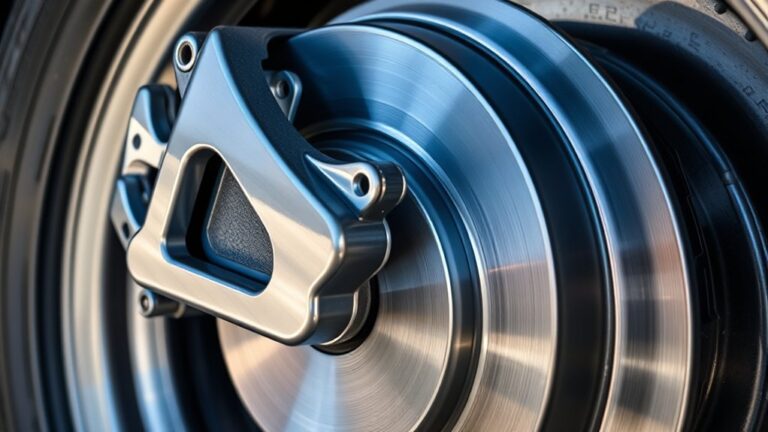
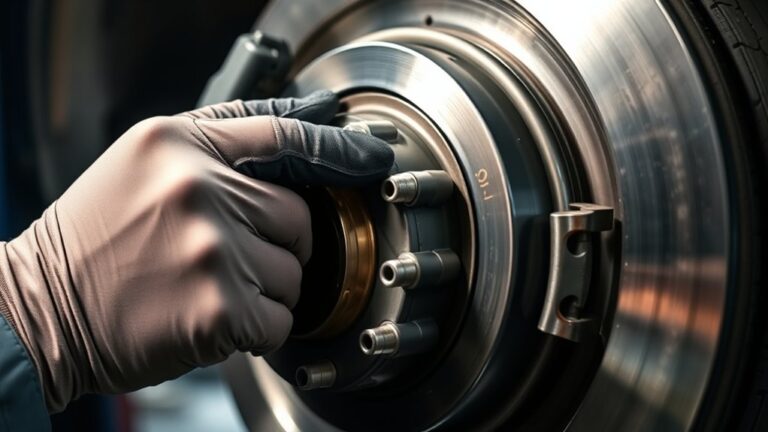
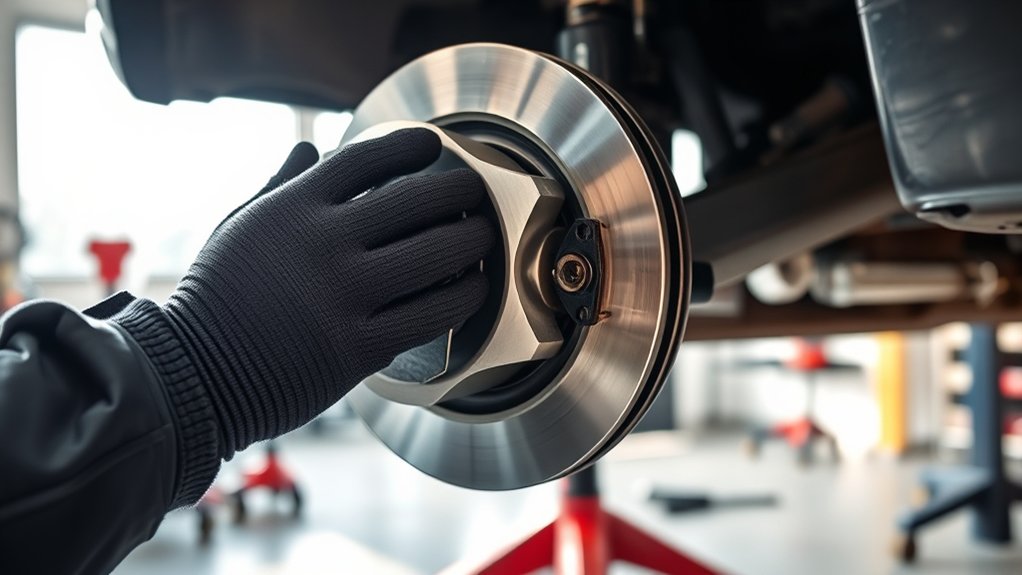
You should change your brake pads at authorized dealerships, specialized brake service centers, or trusted independent repair shops. Changing brake pads at these locations ensures that the job is done correctly and safely. Authorized dealers use OEM parts, ensuring perfect compatibility and minimizing wear risks.
Specialized centers offer expert inspections and precise protocols, giving you confidence in the quality of the service. Independent shops provide competitive pricing with quality aftermarket parts, making them a cost-effective option.
Avoid uncertified mechanics or DIY attempts without the right tools to prevent brake failure. Choosing certified technicians guarantees safety and performance. Exploring provider options and maintenance tips will help you make an informed decision.
Key Takeaways
- Authorized dealerships ensure OEM parts and certified technicians for optimal brake pad compatibility and installation quality.
- Independent repair shops offer competitive pricing and quality aftermarket parts with experienced mechanics.
- Specialized brake service centers provide expert inspections and advanced brake system diagnostics.
- Avoid uncertified mechanics or DIY replacements without proper tools to prevent accelerated brake wear and safety risks.
- Verify local provider certifications, reviews, clear cost estimates, and warranty coverage before brake pad replacement.
Overview of Brake Pad Replacement Options
Where can you replace your brake pads to guarantee safety and quality? You have several options: authorized dealerships, independent repair shops, or specialized brake service centers.
Dealerships use OEM parts, ensuring compatibility and minimizing the risk of irreversible wear due to improper installation. Independent shops often offer competitive pricing and can source quality aftermarket parts, but you must verify their adherence to aftermarket safety standards.
Specialized centers focus exclusively on brake systems, providing expert service and thorough inspections to prevent premature pad degradation. Avoid uncertified mechanics or DIY replacements without proper tools, as improper installation accelerates wear and compromises braking performance.
To maintain peak braking efficiency and safety, choose a service provider with certified technicians who follow precise protocols to mitigate risks associated with brake pad replacement.
Signs You Need to Change Your Brake Pads
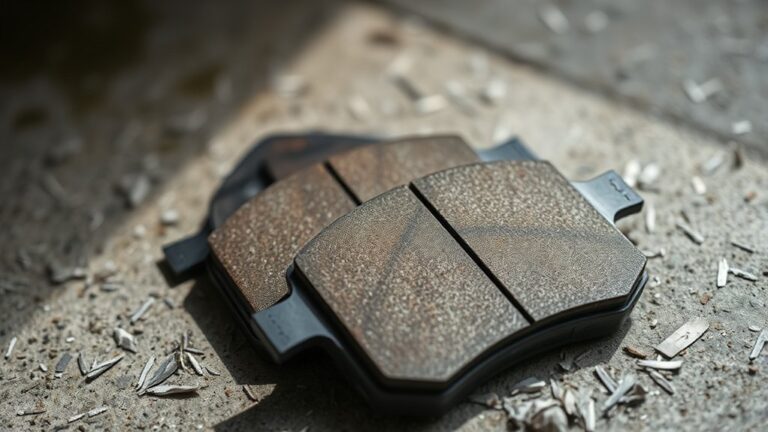
You’ll know it’s time to change your brake pads when you hear consistent squealing or grinding noises during braking. Inspect the pads visually for wear indicators, which appear as thin metal strips signaling minimal pad thickness. Monitoring these signs helps maintain braking efficiency and safety.
Common Brake Pad Noises
How can you tell when your brake pads need replacing? One clear sign is unusual noises during braking, which often indicate worn components or compromised brake dust containment.
Listen for high-pitched squealing. This typically comes from the built-in wear indicators designed to alert you before pads fully deteriorate. Grinding sounds suggest the friction material has worn away completely, causing metal-to-metal contact that damages rotors.
Using exploded views of brake assemblies can help you understand how these noises relate to specific pad components, such as backing plates or shims. Additionally, excessive brake dust accumulation may signal poor containment, affecting pad performance and noise levels.
Paying attention to these auditory cues lets you identify brake pad issues early, ensuring timely replacement and maintaining safe braking efficiency.
Visual Wear Indicators
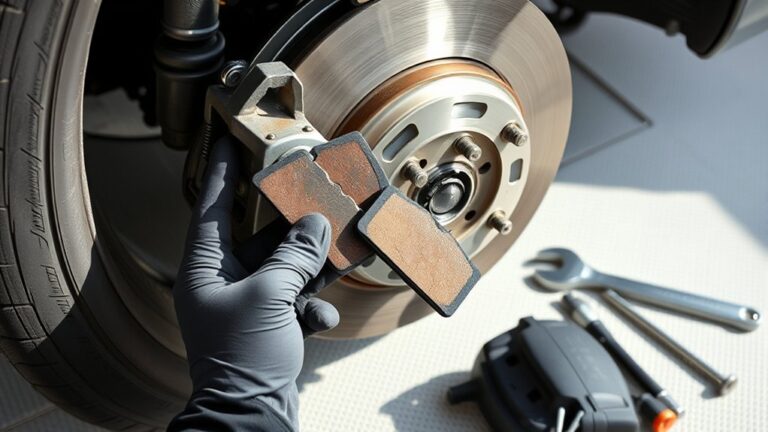
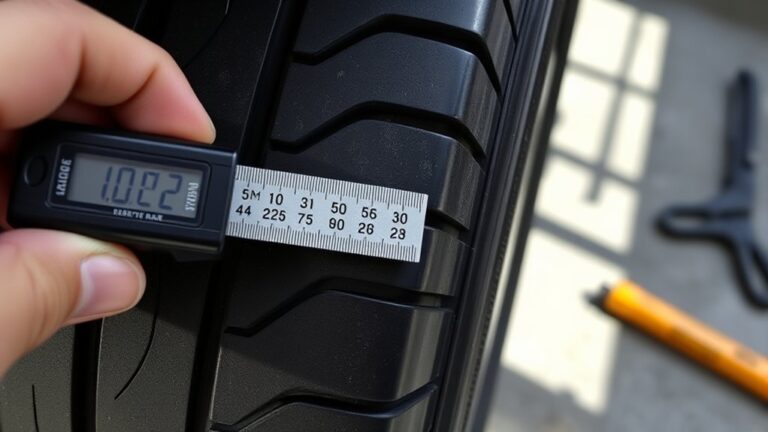
When should you visually inspect your brake pads for wear? It’s essential to check them regularly, especially if you notice any performance changes or hear unusual noises. Visual indicators of pad wear include the thickness of the brake pad material. If it’s less than 3mm, replacement is urgent.
Also, look for uneven wear patterns, which can signal alignment or caliper issues. Lastly, inspect for grooves or cracks on the pad surface that compromise braking efficiency.
Feeling nervous about your safety when brakes don’t respond as expected? Worried about costly repairs if damage worsens? Concerned about the risk of brake failure during critical moments?
Recognizing these visual indicators early helps you maintain optimal braking performance and ensures your safety on the road.
Pros and Cons of DIY Brake Pad Replacement
You can save money by replacing brake pads yourself, but you must evaluate your mechanical skills carefully. Incorrect installation risks brake failure, compromising your safety. Understanding the cost-benefit balance alongside your technical ability is essential before proceeding.
Cost Savings Analysis
Why consider replacing brake pads yourself? The primary appeal lies in cost savings. When you skip professional labor fees, you capitalize on brake pad subsidies, discounts or lower prices often available to DIYers.
However, beware of DIY pitfalls like purchasing incorrect parts or lacking specialized tools, which can offset savings.
By managing the replacement yourself, you directly control expenses and timing. Just remember:
- Avoid costly mistakes by verifying part compatibility.
- Save notably by sourcing brake pads during promotions or subsidies.
- Maximize value through careful planning and proper tools.
Ultimately, DIY brake pad replacement can reduce costs but demands precision to prevent hidden expenses. Weigh these factors carefully to ensure your savings don’t come at the cost of safety or efficiency.
Safety and Skill Considerations
How confident are you in your mechanical skills and safety knowledge before attempting brake pad replacement? Handling brake components incorrectly can compromise your vehicle’s stopping ability, especially on a slippery road. You must manage brake dust safely and ensure parts are installed precisely to maintain braking efficiency.
| Aspect | Pros | Cons |
|---|---|---|
| Control | You oversee the entire process | Risk of improper installation |
| Cost | Save on labor fees | Potential for costly errors |
| Safety | Immediate knowledge of issues | Brake dust exposure risk |
If you’re unsure about torque specs or contamination control, consider professional help. Proper skill and safety awareness are critical for reliable brake performance.
Tools Needed for DIY Brake Pad Replacement
Which tools will ensure a smooth and safe brake pad replacement? Using the right equipment minimizes irreversible wear on components and reduces contamination risks that could compromise braking performance. You’ll need precision and care to avoid damaging sensitive parts.
Essential tools include:
- Torque wrench: Guarantees bolts are tightened to manufacturer specifications, preventing over or under-tightening.
- C-clamp or brake piston tool: Allows you to carefully retract the caliper piston without causing damage.
- Brake cleaner and lint-free cloths: Remove dirt and grease, preventing contamination that leads to premature pad wear.
Having these tools at hand ensures you maintain system integrity and safety during DIY brake pad replacement, avoiding costly mistakes and ensuring reliable braking after the job.
Visiting a Local Mechanic for Brake Pads
When you choose a local mechanic for brake pad replacement, start by verifying their certifications and customer reviews to ensure trustworthiness. Local services often provide quicker turnaround times and personalized care, which can improve the repair experience. Be sure to request detailed cost estimates upfront to compare pricing and avoid unexpected expenses.
Finding Trusted Local Mechanics
Where can you find a local mechanic who reliably handles brake pad replacements? Start by researching shops with strong reputations for noise reduction during brake service, ensuring a quieter, safer ride. Trusted mechanics understand warranty implications, using approved parts and precise installation techniques to protect your vehicle’s coverage.
Look for these key signs:
- Positive customer feedback highlighting consistent brake performance and noise control.
- Certifications or affiliations with recognized automotive organizations.
- Transparent communication about part brands, warranty coverage, and service details.
Choosing a mechanic meeting these criteria guarantees that your brake pads are replaced to exact standards, maintaining system integrity and your peace of mind. Don’t hesitate to ask for previous work references or warranty policies before committing to service.
Benefits of Local Services
Why choose a local mechanic for your brake pad replacement? Local services offer direct access to skilled technicians familiar with your vehicle’s specific brake system. They provide personalized diagnostics and ensure precise installation, reducing the risk of improper fitting that can compromise safety.
When you work with a local mechanic, you avoid the unrelated topic and off topic discussion often encountered at larger chains, where service can be less focused. Local shops prioritize transparency, allowing you to ask detailed questions and receive clear explanations about brake wear and replacement procedures.
This hands-on approach ensures you understand the condition of your braking system without distractions. Choosing local means quicker turnaround times and enhanced accountability, giving you confidence that your brake pads are replaced correctly and efficiently.
Cost Considerations and Estimates
How much should you expect to pay for brake pad replacement at a local mechanic? Typically, costs range from $150 to $300 per axle, depending on the vehicle and brake pad quality. Mechanics often use pads with advanced abrasive materials that balance durability and efficiency.
These materials help ensure effective braking while minimizing wear on rotors.
Consider these factors when budgeting:
- Choosing pads with noise reduction features to avoid annoying squeals
- Factoring in labor costs, which vary by shop and region
- Assessing the warranty offered on both parts and service
Why Choose a Specialized Brake Shop for Your Pads?
What makes a specialized brake shop the optimal choice for replacing your brake pads? Specialized shops focus exclusively on braking systems, ensuring expert knowledge and precision. They understand the critical role of brake nutrition, proper lubrication, and maintenance to extend pad life and performance.
These shops offer two word discussion ideas, like “wear indicators” and “material compatibility,” helping you make informed decisions. Unlike general service centers, they also check tire inflation, recognizing its impact on braking efficiency and safety.
Choosing a specialized brake shop means you benefit from technicians trained specifically in brake technologies, access to OEM-quality parts, and advanced diagnostic tools. This precision reduces risks of premature wear or system failure, ensuring your vehicle stops effectively and reliably every time you drive.
What to Expect During a Professional Brake Pad Change
After selecting a specialized brake shop, you can expect a systematic process during your brake pad replacement. Technicians begin with a thorough noise diagnosis, identifying any abnormal sounds indicating wear or damage. They then apply brake pad science to select the best pads for your vehicle’s specifications.
The process includes inspecting rotors, calipers, and fluid levels to ensure full brake system functionality.
You’ll notice:
- Clear explanations of brake pad wear patterns and performance implications
- Precision in removing old pads and installing new ones with exact torque settings
- Confirmations of brake responsiveness through test drives and safety checks
This professional approach guarantees your brakes are restored to peak efficiency, extending pad life and enhancing your driving safety.
Comparing Prices for Brake Pad Replacement Services
When comparing prices for brake pad replacement services, you should consider several key factors beyond the initial quote. Evaluate the types of brake pads alternatives offered, as premium materials might cost more but last longer.
Check the warranty coverage provided, since a comprehensive warranty can save you future expenses. Labor rates and additional fees also affect the total cost, so request detailed estimates.
| Service Provider | Brake Pads Alternatives | Labor Cost | Warranty Coverage | Additional Fees |
|---|---|---|---|---|
| Shop A | Ceramic, Semi-Metallic | $80 | 12 months | $20 |
| Shop B | Organic, Semi-Metallic | $70 | 24 months | $15 |
| Shop C | Ceramic | $90 | 18 months | $25 |
| Shop D | Organic | $60 | 6 months | $10 |
How to Choose the Right Brake Pads for Your Vehicle
How do you determine the right brake pads to guarantee maximum performance and safety for your vehicle? Start by considering the composition of the pads: ceramic, semi-metallic, or organic. Each affects durability and heat dissipation differently.
You want to avoid irreversible wear, which compromises braking efficiency over time. Also, evaluate how the pads handle brake fade; some materials perform better under high temperatures and repeated braking.
Think about your driving style and conditions:
- Aggressive driving demands pads with high thermal resistance to prevent brake fade.
- Frequent stop-and-go traffic requires pads that resist irreversible wear for longevity.
- Quiet, smooth rides favor ceramic pads for reduced noise and dust.
Choosing the right brake pads ensures reliable stopping power and protects your vehicle’s braking system long-term.
Time, Convenience, and Maintenance Tips for Brake Pads
Why should you pay close attention to the timing and convenience of brake pad maintenance? Proper maintenance scheduling prevents premature wear and ensures optimal braking performance. Establish a brainstorming cadence to assess your brake pads regularly, typically every 10,000 to 15,000 miles or during routine vehicle inspections.
This proactive approach helps you detect wear patterns early and plan service around your availability, minimizing downtime. Prioritize convenience by choosing service locations and times that align with your schedule, reducing disruption.
Additionally, adhere strictly to manufacturer guidelines for brake pad replacement intervals and torque specifications during installation. By integrating these maintenance tips into your routine, you enhance safety, extend component lifespan, and maintain consistent braking efficiency without unexpected failures.
Frequently Asked Questions
Can Worn Brake Pads Damage My Rotors?
Yes, worn pad damage can cause rotor scoring, leading to uneven surfaces and reduced braking efficiency.
You should replace brake pads promptly to prevent this damage and maintain optimal rotor integrity and vehicle safety.
How Long Do Brake Pads Typically Last?
Brake pads typically last 30,000 to 70,000 miles, but this varies with driving habits and conditions. The two word idea1, “wear rate,” and two word idea2, “material composition,” directly influence their lifespan and performance.
Are Ceramic Brake Pads Better Than Metallic Ones?
In the ceramic vs metallic comparison, ceramic pads offer quieter operation, less dust, and longer lifespan, while metallic pads provide superior heat dissipation and better performance under heavy braking.
You’ll choose based on your driving needs.
Can I Drive Safely With Worn Brake Pads?
Can you drive safely with worn brake pads? No, it’s like flying without wings. Your stopping power weakens, risking safe driving.
Replace pads promptly to maintain optimal braking performance and ensure your vehicle responds precisely in emergencies.
How Does Brake Pad Wear Affect Fuel Efficiency?
You’ll notice that worn brake pad materials increase friction, causing your engine to work harder and reducing fuel economy impact.
Replacing pads promptly ensures optimal braking efficiency and helps maintain better fuel efficiency during driving.
Conclusion
Brake pads wear out roughly every 30,000 to 70,000 miles, so knowing when and where to change them is crucial for safety. Whether you choose a DIY approach or a professional mechanic, understanding the process and costs helps you make an informed decision.
Prioritize quality pads suited to your vehicle, and keep up with regular inspections to avoid costly repairs. Taking these steps ensures optimal braking performance and road safety. Ultimately, knowing where to change brake pads can save you time, money, and ensure your vehicle remains safe on the road.