How Do You Check Engine Coolant
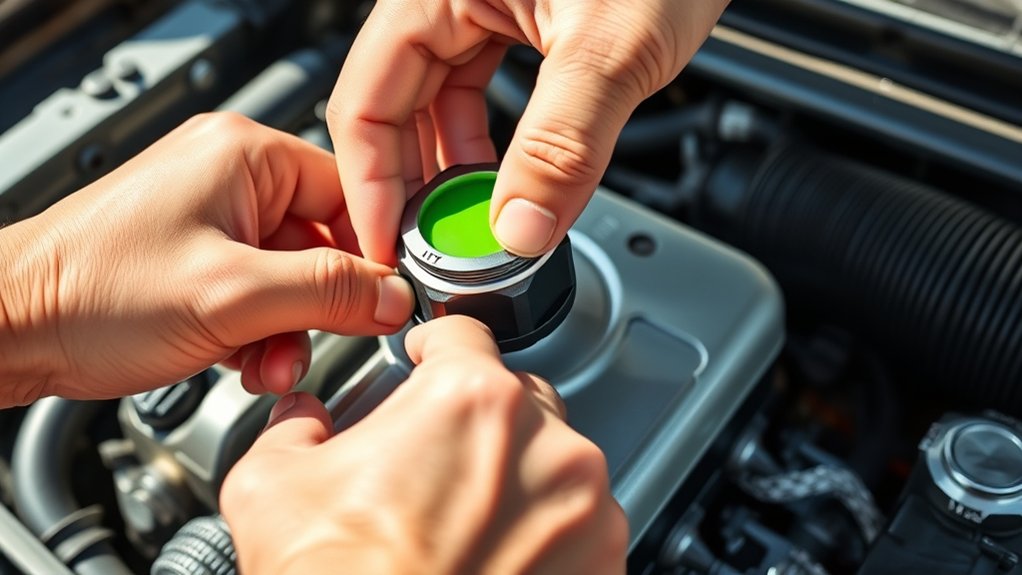
To check engine coolant, first locate the translucent reservoir near the radiator, marked with minimum and maximum fill lines and a labeled cap. Ensure your engine is completely cool before inspecting. Clean the reservoir exterior to see levels clearly.
If coolant is below the minimum line, top off with the manufacturer-recommended type and correct mixture. Avoid opening the radiator cap when hot, and watch for changes in color or clarity.
Understanding these details helps prevent engine damage and overheating. Explore deeper to master coolant care.
How To Locate Your Engine Coolant Reservoir
Finding your engine coolant reservoir is the first step in checking your vehicle’s coolant level. You’ll typically find it as a translucent plastic tank near the radiator or along the engine bay’s side.
Locate the translucent plastic engine coolant reservoir near the radiator or engine bay side before checking coolant levels.
It’s marked with minimum and maximum fill lines, allowing you to gauge coolant levels accurately. Don’t confuse it with other fluid containers; the reservoir often has a colored cap, usually yellow or orange, labeled “coolant” or “engine coolant.”
Discerning this component clears up common engine coolant myths, such as confusing the reservoir with the radiator cap, which can be dangerous to open when hot. Understanding these distinctions helps you avoid coolant system myths that lead to improper maintenance.
Locating the reservoir precisely ensures your coolant checks are both safe and effective.
When Should You Check Engine Coolant Levels?
You should check your engine coolant levels regularly, ideally once a month, to maintain optimal performance. Always inspect the coolant before long trips to prevent overheating risks during extended driving. Additionally, monitor levels during significant temperature changes, as these can affect coolant expansion and contraction.
Recommended Checking Frequency
How often should you check your engine coolant levels to ensure peak performance? Ideally, you should inspect coolant levels every month or at least every 1,000 miles.
Regular checks help detect leaks, contamination, or degradation early, preventing engine overheating or damage. Avoid treating this task as an irrelevant topic or an off topic discussion in your maintenance routine, as neglect can lead to costly repairs.
Always perform the check when the engine is cold to get an accurate reading. Additionally, if your vehicle exhibits symptoms like overheating or coolant odors, check the levels immediately regardless of the schedule.
Sticking to this frequency ensures your cooling system operates efficiently, maintaining optimal engine temperature and extending engine life.
Before Long Trips
When exactly should you check your engine coolant levels before setting out on a long trip? Ideally, you want to perform this check at least one day prior to departure.
This timing allows the engine to cool completely, preventing inaccurate readings caused by hot coolant expansion. Use a clean cloth to wipe the reservoir’s exterior, then inspect the coolant level against the marked minimum and maximum indicators.
If levels are low, top off with the manufacturer-recommended coolant mixture, ensuring correct concentration to avoid freezing or overheating. Incorporating this step into your routine is a smart travel hack that can prevent roadside breakdowns.
As unrelated trivia, did you know early automobiles used water instead of antifreeze? Checking coolant before travel maximizes engine efficiency and safety during extended drives.
During Temperature Changes
Why monitor engine coolant levels during temperature fluctuations? Changes in ambient temperature directly impact coolant performance and engine protection. To maintain optimal coolant function, follow these steps:
- Check coolant levels when the engine is cold to avoid inaccurate readings caused by expansion from heat.
- Inspect coolant color using color coded coolant meanings to detect contamination or degradation; such changes often debunk common tips for engine coolant myths.
- Monitor for fluctuations in coolant level during seasonal transitions, as contraction and expansion can reveal leaks or evaporation issues.
How To Check Engine Coolant Safely
Before you check the engine coolant, make sure the engine is completely cool to avoid burns from hot fluid or steam. Always use gloves and eye protection when handling coolant to prevent skin and eye irritation. Follow the manufacturer’s guidelines for the proper coolant level and never open the radiator cap while the engine is hot.
Engine Coolant Safety Tips
How can you safely check your engine coolant without risking injury or damage? Understanding your vehicle’s engine design is essential, as modern engines operate under high pressure and heat, impacting fuel efficiency and safety procedures. Follow these key safety tips:
- Wait for the engine to cool completely before opening the coolant reservoir or radiator cap to avoid burns from hot steam or liquid.
- Use protective gloves and eyewear to shield yourself from corrosive coolant chemicals that can harm your skin and eyes.
- Check the coolant in a well-ventilated area to prevent inhaling toxic fumes, especially if the coolant is leaking or has a strong odor.
Adhering to these steps ensures you protect yourself while maintaining your engine’s efficiency and longevity.
Proper Coolant Level Check
When should you check your engine coolant level to ensure accurate readings and avoid damage? Always check the coolant level when the engine is cold, as hot coolant expands and can give false readings or cause injury.
Locate the coolant reservoir or radiator cap, depending on your vehicle. Inspect the reservoir’s markings, usually labeled “Full” and “Low.” If the coolant is below the “Low” mark, you have insufficient coolant, which can trigger a coolant warning on your dashboard.
Avoid opening the radiator cap when the engine is warm to prevent burns. If you notice a coolant warning, stop driving and check the level immediately. Maintaining the proper coolant level ensures efficient engine temperature regulation and prevents overheating or potential engine damage.
Handling Hot Engine Precautions
Why must you exercise extreme caution around a hot engine when checking coolant levels? The engine’s components, including the engine oil and brake fluid reservoirs, operate under high temperatures and pressure. Mishandling can cause severe burns or damage.
Follow these steps to check coolant safely:
- Wait at least 30 minutes after engine shutdown to allow pressure and temperature to normalize.
- Use a thick cloth or gloves to slowly and carefully open the radiator cap, releasing residual pressure gradually.
- Inspect coolant levels only in the designated reservoir or radiator neck; never open the system when hot.
Avoid checking engine oil or brake fluid levels immediately after driving, as hot fluids can cause inaccurate readings and injury. Prioritize safety to maintain vehicle integrity.
What Different Engine Coolant Colors Mean
What does the color of your engine coolant reveal about its composition and performance? Color coding helps identify the coolant type, which is essential because different formulations have specific corrosion inhibitors and additives.
For example, green coolant typically contains inorganic additive technology (IAT), suitable for older vehicles. Orange and red coolants often use organic acid technology (OAT), offering extended protection and longer service intervals.
Pink or purple coolants usually indicate hybrid organic acid technology (HOAT), combining benefits of both. Each color also signals varying levels of toxicity and environmental impact, so you must handle and dispose of them properly to avoid toxicity concerns.
Understanding coolant color ensures you use the correct fluid, preventing engine damage and maintaining efficient heat transfer within your vehicle’s cooling system.
How To Spot Low Or Contaminated Engine Coolant
How can you determine if your engine coolant is low or contaminated before it causes engine issues? Start by visually inspecting the coolant reservoir and radiator for fluid levels below the minimum mark. Next, check the coolant’s appearance for discoloration or debris, which indicates contamination.
Lastly, be alert for signs of coolant corrosion or radiator clogs that impair flow and heat dissipation.
- Inspect coolant level: Low levels may signal leaks or evaporation.
- Examine coolant clarity: Cloudy, rusty, or oily fluid suggests contamination or coolant corrosion.
- Watch for engine symptoms: Overheating or fluctuating temperature gauges can indicate radiator clogs caused by degraded coolant.
Regularly monitoring these factors helps prevent costly engine damage linked to poor coolant condition.
When To Add Or Replace Engine Coolant
Determining the right moment to add or replace engine coolant hinges on monitoring both the coolant level and its condition. You should add coolant if the level drops below the minimum mark, but avoid topping off indefinitely. This is a common coolant myth that can mask leaks.
Replace coolant if it’s discolored, rusty, or shows sediment, signaling contamination. Pay attention to color coding; coolant color indicates formulation compatibility and prevents mixing incompatible types.
| Condition | Action |
|---|---|
| Coolant below minimum | Add approved coolant |
| Discolored or contaminated | Replace entire coolant system |
| Color mismatch | Flush and refill with correct coolant |
Tips For Maintaining Engine Coolant Levels Year-Round
Keeping engine coolant at optimal levels throughout the year demands consistent attention to both environmental conditions and vehicle usage patterns. To maintain proper coolant levels and avoid common engine coolant myths that can mislead you, follow these tips:
- Regularly inspect the coolant reservoir and radiator when the engine is cold, checking for signs of leaks or discoloration. DIY coolant leaks can often be identified early by monitoring puddles or drips beneath the vehicle.
- Use the manufacturer’s recommended coolant type and mixture ratio to prevent corrosion and ensure efficient heat transfer.
- Schedule routine coolant flushes as specified in your vehicle’s service manual, adjusting frequency based on climate extremes or heavy-duty use.
Frequently Asked Questions
What Type of Coolant Is Best for My Vehicle?
You’ll want coolant matching your vehicle’s coolant chemistry, ensuring compatibility with engine cooling systems. Check your owner’s manual for specifications.
Choose formulations offering corrosion protection, freeze resistance, and heat transfer efficiency to keep your engine running optimal.
Can Engine Coolant Freeze in Winter?
Yes, engine coolants can freeze in winter if their antifreeze concentration is too low.
You should ensure proper winter storage by maintaining a 50/50 coolant-to-water ratio to prevent freezing and protect your engine effectively.
How Does Engine Coolant Affect Engine Temperature?
You might think engine coolant only prevents engine overheating, but it also controls temperature by absorbing heat and preventing coolant corrosion.
Without it, your engine risks damage from overheating and internal corrosion, reducing performance and lifespan.
Is It Safe to Mix Different Brands of Coolant?
You shouldn’t mix different brands of coolant because their cleaning coolant additives and color dye formulas vary. Mixing can cause chemical reactions, reducing effectiveness and potentially damaging your engine’s cooling system over time.
What Are the Signs of a Coolant Leak?
You’ll notice coolant puddles, overheating, or white smoke if there’s a leak. Blown head gasket causes mixing of oil and coolant, while radiator cap failure leads to pressure loss, triggering coolant escape or overheating symptoms.