Are Wheel Spacers Safe
You can use wheel spacers safely if you select high-quality materials with exact thickness and compatible bolt patterns.
Ensuring precision hub-centric fitment reduces vibration and stress on suspension components.
Proper installation with clean mating surfaces and correct torque settings prevents loosening or wheel detachment.
Regular maintenance, including inspection for corrosion and retightening torque, maintains structural integrity and performance.
Understanding these technical factors helps you minimize risks and enhance safety, with more detailed guidance available for optimal spacer use.
What Are Wheel Spacers and How Do They Work?
How exactly do wheel spacers function, and why might you consider using them? Wheel spacers are components installed between your vehicle’s hub and the wheel itself, effectively increasing the distance between the wheel and the hub bore. By doing so, they alter the wheel’s position relative to the suspension and fender.
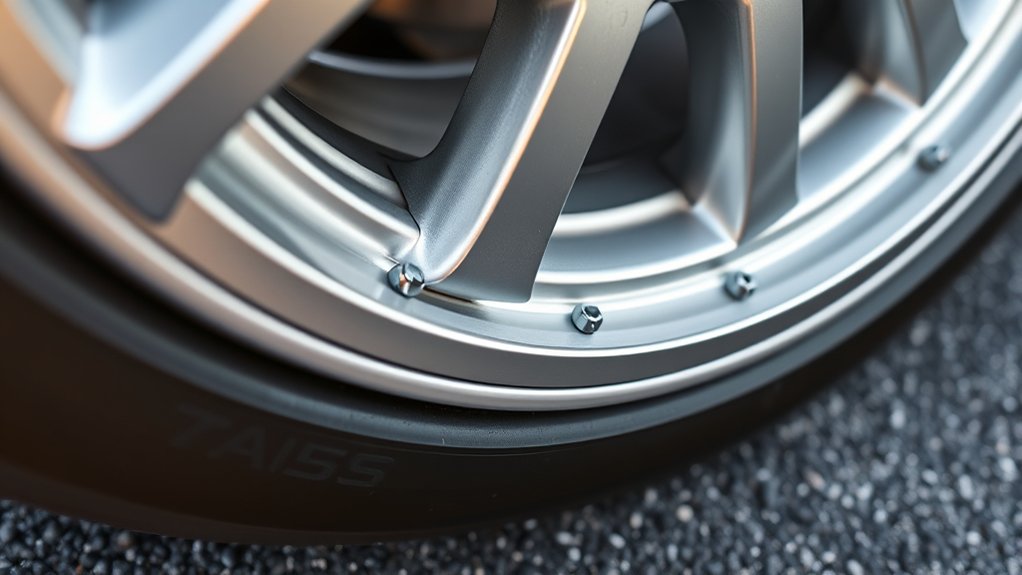
This modification can impact wheel alignment, as the spacer shifts the wheel outward, potentially affecting camber and toe angles if not properly accounted for. The hub bore’s size and fit are critical; a precise hub-centric spacer ensures the wheel remains centered on the hub, preserving balance and reducing vibration.
Understanding these mechanical interactions is essential before installation, as improper spacer dimensions or fitment can compromise vehicle handling and safety.
How Wheel Spacers Improve Your Ride
Why might you consider adding wheel spacers to your vehicle? Wheel spacers enhance your ride by widening the track width, which improves stability and handling during cornering.
They allow for better tire clearance, enabling the use of larger rims or tires without rubbing against suspension components. However, rim compatibility is critical; you must ensure the spacer’s bolt pattern and thickness match your wheels and hub precisely to avoid stress concentration and uneven load distribution.
Proper spacer maintenance is essential. Regularly check torque settings and inspect for corrosion or damage to maintain structural integrity. By addressing these factors, wheel spacers optimize your vehicle’s performance, offering improved traction and a more aggressive stance while maintaining safety and longevity.
Are Wheel Spacers Safe? What You Should Know
While wheel spacers can enhance your vehicle’s handling and appearance, their safety depends on proper selection, installation, and maintenance. You need to choose spacers made from high-quality materials with correct thickness and bolt pattern to avoid mechanical side effects like increased stress on wheel bearings and suspension components.
Improper installation can lead to vibrations or wheel detachment risks. Regular inspections are crucial to detect loosening or corrosion. Additionally, you should consider legal considerations; some jurisdictions regulate or prohibit wheel spacers due to safety concerns.
Ensure your spacers comply with local vehicle standards to avoid penalties or insurance issues. By understanding these technical factors, you can minimize risks and safely enjoy the benefits spacers offer without compromising vehicle integrity or road safety.
When Should You Avoid Wheel Spacers?
You should avoid wheel spacers if they don’t match your vehicle’s specifications or come from unreliable manufacturers, as poor quality or fit can compromise safety. Additionally, check your vehicle warranty, since some manufacturers may void coverage if wheel spacers are installed. Understanding these risks helps you make an informed decision about spacer use.
Poor Quality Or Fit
When should you avoid wheel spacers? You should steer clear when poor quality or fitment issues arise, as these factors directly compromise safety and performance. Using substandard materials can lead to structural failure under stress, increasing accident risk.
Fitment issues, such as incorrect thickness or bolt pattern mismatch, cause improper mounting, resulting in vibrations or wheel misalignment.
Avoid wheel spacers if you encounter:
- Inconsistent or low-grade materials prone to cracking or corrosion
- Lack of certification or testing from reputable manufacturers
- Incorrect bolt patterns that don’t match your vehicle’s hubs
- Spacers that don’t seat flush, causing uneven pressure distribution
Prioritize precise engineering and quality control to ensure wheel spacers perform safely and reliably.
Vehicle Warranty Concerns
How does installing wheel spacers impact your vehicle’s warranty? Manufacturers often view wheel spacers as aftermarket modifications that can void warranty coverage, especially if they lead to component failure.
You should avoid spacers if your vehicle is under warranty or if the spacer’s specifications don’t match OEM standards. Think of warranty issues like a hobby horse: persistent and hard to ignore once triggered.
Even seemingly minor changes, akin to the subtle tone of cosmic latte, can disrupt warranty agreements.
| Scenario | Warranty Impact | Recommended Action |
|---|---|---|
| OEM-approved spacers | Minimal risk | Use with documentation |
| Non-certified spacers | High risk | Avoid during warranty |
| Poorly fitted spacers | Warranty likely voided | Do not install |
| Spacer-related failure | Warranty denied | Seek aftermarket support |
How to Choose Safe and Reliable Wheel Spacers
You need to prioritize wheel spacers made from high-quality materials that meet industry standards to guarantee durability and safety. Accurate fitment is essential, so verify compatibility with your vehicle’s bolt pattern and hub size before installation. Neglecting these factors can compromise performance and increase the risk of failure.
Material Quality Standards
Why does the material quality of wheel spacers matter so much? Because inferior materials compromise structural integrity, affecting wheel balance and overall vehicle safety. When selecting spacers, you need to prioritize quality control to avoid failures under stress.
Focus on these critical factors:
- Use aerospace-grade aluminum or high-strength steel to ensure durability.
- Verify spacers with ISO or SAE certification for consistent quality control.
- Ensure precise machining to maintain wheel balance and prevent vibrations.
- Avoid low-grade alloys prone to corrosion or cracking, which jeopardize safety.
Proper Fitment Techniques
Where should you focus when selecting wheel spacers to ensure proper fitment and safety? Prioritize spacer reliability through strict adherence to manufacturing standards. Confirm the spacer’s bolt pattern matches your vehicle’s hub and wheel configuration exactly to prevent misalignment.
Measure hub-centric rings and thickness precisely; improper sizing compromises load distribution, increasing failure risk. Verify the use of high-grade materials and CNC machining for consistent tolerances, which directly impact spacer reliability.
Avoid generic spacers lacking certification or traceability. When installing, use torque specifications from the manufacturer and re-torque after initial miles to maintain secure fitment.
How to Install Wheel Spacers the Right Way
How do you ensure wheel spacers are installed correctly to maintain safety and performance? Proper spacer installation is critical for wheel spacer safety, preventing issues like vibration or premature wear. Follow these steps precisely:
- Clean the hub and spacer mating surfaces thoroughly to eliminate debris and corrosion.
- Align the spacer with the hub, ensuring it fits flush without gaps.
- Torque the spacer’s lug nuts to the manufacturer’s specifications using a calibrated torque wrench.
- Mount the wheel on the spacer, then torque the wheel lug nuts evenly to spec.
This method ensures even load distribution and secure attachment, essential for maintaining structural integrity and preventing loosening during operation. Skipping or improperly performing any step compromises wheel spacer safety and vehicle handling.
How to Inspect and Maintain Wheel Spacers Over Time
Although properly installed wheel spacers provide reliable performance, regular inspection and maintenance are essential to ensure their ongoing safety and functionality. To uphold spacer safety, start with a maintenance checklist: inspect the spacer for cracks, corrosion, or warping, and verify that all lug nuts remain torqued to manufacturer specifications.
Check for any unusual wheel vibrations or noises during driving, which may indicate spacer issues. Use a calibrated torque wrench to retighten lug nuts after initial installation and periodically thereafter, especially after driving on rough terrain.
Clean spacers and mounting surfaces to prevent debris buildup that can affect fitment and stress distribution. By adhering to this maintenance checklist and promptly addressing any irregularities, you’ll maintain optimal spacer performance and safety throughout their service life.
Frequently Asked Questions
Can Wheel Spacers Affect My Vehicle’s Fuel Efficiency?
Yes, wheel spacing can reduce your fuel economy by increasing aerodynamic drag and rolling resistance. This also accelerates tire wear due to altered alignment and load distribution, so you’ll want to monitor both closely after installation.
Do Wheel Spacers Impact Tire Wear Patterns?
Yes, wheel spacers can impact tire wear patterns by altering alignment and load distribution. Using high-quality spacer materials minimizes uneven tire wear, but improper installation or inferior materials often accelerate irregular wear and reduce tire lifespan.
Are Wheel Spacers Legal in All States or Countries?
You won’t find wheel spacers legal in all states or countries due to varying legal restrictions and regional compliance. Always check local tire pressure regulations and confirm spacers have proper safety certifications before installation to assure legality.
Can Wheel Spacers Cause Issues With Wheel Alignment?
Imagine your wheels slightly askew, straining against the road. Wheel spacers can cause wheel alignment impact if not installed with exact torque specification concerns, potentially leading to uneven tire wear and compromised handling precision over time.
How Do Wheel Spacers Affect Off-Road Vehicle Performance?
You’ll notice wheel spacers improve off-road performance by providing increased clearance, allowing safer steering over obstacles. However, improper installation can compromise safe steering precision, so ensure correct fitment to maintain optimal handling and vehicle stability.
Conclusion
Now that you understand how wheel spacers work and when to use them, you’re equipped to make informed decisions that enhance your ride without compromising safety. Remember, choosing quality spacers and installing them correctly isn’t just important—it’s absolutely critical, like preventing your wheels from turning into ticking time bombs.
Regular inspection keeps everything in check, ensuring your vehicle performs optimally and safely, mile after mile. Don’t underestimate the power of precision here.
In conclusion, wheel spacers can be safe when selected and installed properly. Prioritizing safety and quality will help you enjoy the benefits without risking your vehicle’s performance or your well-being.