How Can You Tell if Your Fuel Pump Goes Out
You can tell your fuel pump is going out if your engine sputters at high speeds or stalls unexpectedly due to inconsistent fuel delivery. Difficulty starting the car despite a charged battery and good spark is another common sign.
Listen for unusual whining or humming noises coming from the fuel tank area, which often signal mechanical wear. Decreased fuel efficiency and sudden power loss during acceleration are clear diagnostic signs.
Understanding the causes and testing methods will help you address these issues effectively and keep your vehicle running smoothly.
How Does a Fuel Pump Work in Your Vehicle
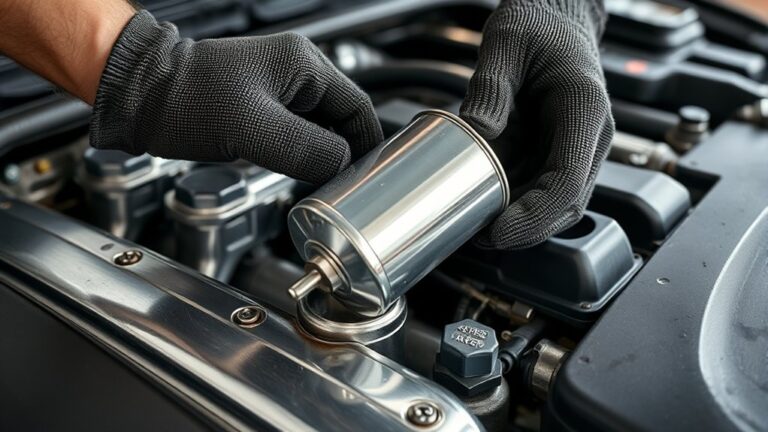
Understanding how your vehicle’s fuel pump works is essential for diagnosing fuel delivery issues. The fuel pump’s primary role is to transfer gasoline from the tank to the engine at the correct pressure.
In modern vehicles, you typically have an electric fuel pump located inside the fuel tank, which operates quietly and efficiently. This pump ensures consistent fuel flow, directly impacting fuel economy by maintaining optimal engine performance.
When you start the engine, the electric fuel pump activates, pressurizing the fuel lines and delivering fuel to the injectors. If the pump fails to maintain pressure, the engine may experience misfires or stall.
What Are the Common Signs of a Failing Fuel Pump?
How can you recognize when your fuel pump is starting to fail? You’ll notice specific symptoms that indicate its declining performance, often linked to fuel quality or contamination from ineffective fuel additives. Poor fuel quality can accelerate wear, while improper additives may cause deposits that hinder pump operation.
Watch for these common signs:
- Engine sputtering at high speeds, indicating inconsistent fuel delivery
- Difficulty starting the vehicle due to inadequate fuel pressure
- Unexplained loss of power during acceleration
- Whining noise from the fuel tank, signaling mechanical wear
- Decreased fuel efficiency caused by irregular fuel flow
If you detect these symptoms, inspect the fuel system promptly to prevent complete pump failure and ensure the best possible engine performance.
Why Your Car Stalls When the Fuel Pump Fails
Why does your car stall when the fuel pump fails? The fuel pump supplies pressurized gasoline to the engine. When it malfunctions, fuel delivery becomes inconsistent or stops entirely.
Without a steady flow, the combustion process falters, causing the engine to stall. This interruption affects fuel economy as the engine struggles to operate efficiently.
If you ignore pump maintenance, debris or wear can reduce pump performance, leading to sudden stalls. Diagnosing stalling issues involves checking for irregular fuel pressure that disrupts combustion timing.
Addressing these symptoms early prevents damage to other components and maintains optimal fuel economy. Understanding this relationship helps you pinpoint the fuel pump as the culprit when your car unexpectedly stalls during operation.
Testing Fuel Pump Pressure at Home
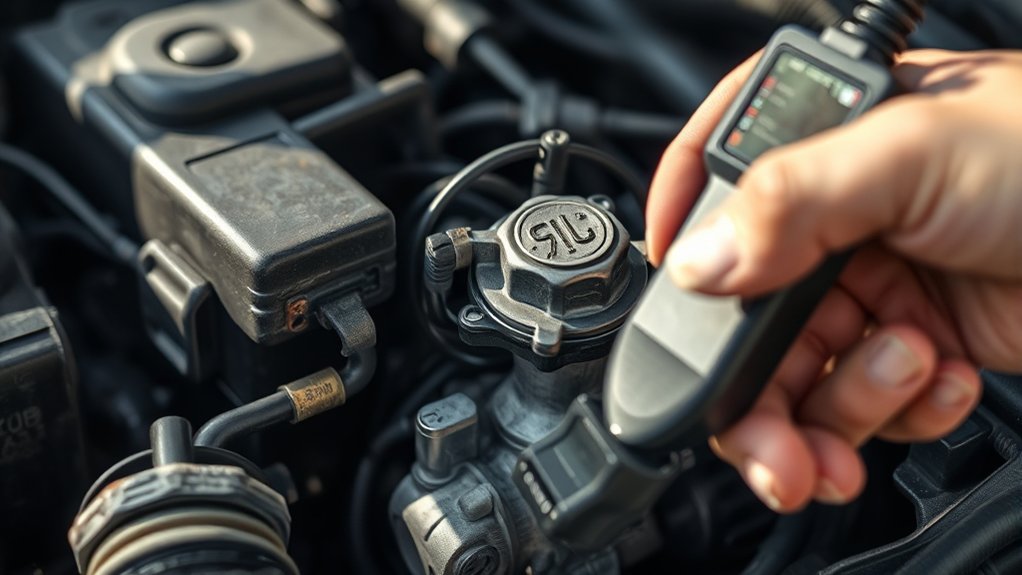
To test your fuel pump pressure at home, you’ll need a fuel pressure gauge and basic hand tools. Follow a step-by-step procedure to connect the gauge to the fuel rail and activate the pump safely. Once you take the readings, compare them to your vehicle’s specifications to determine if the pump is functioning properly.
Necessary Tools Checklist
Several essential tools are required to accurately test your fuel pump pressure at home. Without them, diagnosing issues that affect fuel economy or assessing the impact of fuel additives becomes unreliable.
You’ll need precise instruments to ensure your measurements reflect actual pump performance, not external variables.
Here’s what you should have ready:
- Fuel pressure gauge compatible with your vehicle’s specifications
- Safety goggles and gloves to protect against fuel exposure
- Vehicle service manual for correct pressure range and test port location
- Hand-held scanner or OBD-II reader to monitor fuel system codes
- Clean cloths and a container for capturing any fuel spills
Using these tools, you can confidently evaluate your fuel pump’s condition and its influence on overall fuel system efficiency.
Step-by-Step Pressure Test
With your tools prepared, you can begin the fuel pump pressure test by locating the test port on your fuel rail, as specified in your vehicle’s service manual. Attach the fuel pressure gauge securely, then turn the ignition to the “on” position without starting the engine.
Observe the gauge reading to assess the fuel system’s pressure. Next, start the engine and note any pressure fluctuations. Perform electrical diagnostics if the pressure is inconsistent or absent.
After the test, carefully release pressure and disconnect the gauge.
| Step | Action | Emotion |
|---|---|---|
| Locate Port | Find fuel rail test port | Focused |
| Attach Gauge | Secure fuel pressure gauge | Confident |
| Turn Ignition | Observe pressure reading | Analytical |
| Start Engine | Monitor pressure stability | Cautious |
Interpreting Test Results
How do you determine if your fuel pump is functioning correctly based on the pressure readings? After completing the test, compare your gauge’s measurement to the manufacturer’s specifications for fuel delivery pressure. Accurate interpretation hinges on understanding deviations and their causes.
Check for these indicators:
- Pressure consistently below specs suggests weak or failing pump.
- Fluctuating readings may indicate electrical harness issues or intermittent pump failure.
- No pressure indicates possible pump failure or disconnected fuel line.
- Pressure higher than expected could signal a clogged fuel return line.
- Normal pressure with poor engine performance points to potential fuel filter or injector problems.
What Noises Indicate a Bad Fuel Pump?
What sounds should you listen for when diagnosing a failing fuel pump? Focus on a consistent whining or humming noise coming from the fuel tank area, especially when the engine is running. This sound often signals worn bearings or an impending pump failure.
You might also hear intermittent sputtering or a faint grinding noise, indicating internal mechanical wear. Avoid getting distracted by unrelated topics like engine knocking or exhaust noises; they’re off topic ideas that don’t reflect fuel pump condition.
Additionally, erratic buzzing or a high-pitched whine that fluctuates with engine speed can reveal voltage irregularities or pump strain. By isolating these specific auditory clues, you can precisely pinpoint fuel pump issues without confusing them with other vehicle noises, ensuring accurate diagnostics.
Can a Weak Fuel Pump Cause Starting Issues?
If your fuel pump is weak, it may fail to deliver adequate fuel pressure, causing your engine to struggle during startup. You’ll notice extended cranking times or repeated attempts before the engine fires. These symptoms often point to insufficient fuel flow rather than electrical or ignition faults.
Symptoms of Weak Pump
Why does your vehicle struggle to start despite a fully charged battery and a functional ignition system? A weak fuel pump often causes irregular fuel delivery, which mimics symptoms of weak ignition, making diagnosis tricky. You’ll notice specific signs indicating pump degradation before complete failure.
Watch for these symptoms of a weak pump:
- Engine sputtering or stalling under load
- Difficulty maintaining consistent RPMs
- Noticeable drop in fuel pressure
- Delayed engine start or extended cranking time
- Unusual whining noise from the fuel tank
These indicators reflect insufficient fuel delivery pressure and volume, impairing combustion despite a strong spark. Identifying these symptoms early helps you avoid total pump failure and prevents starting issues linked to inadequate fuel supply.
Starting Problems Explained
How can a weak fuel pump cause starting issues in your vehicle? When the fuel pump fails to deliver adequate pressure, the engine doesn’t receive the necessary fuel quantity to ignite efficiently. This results in prolonged cranking or failure to start.
A weak pump can cause inconsistent fuel flow, leading to rough starts or misfires. Over time, this inefficiency can negatively impact fuel economy, as the engine compensates by consuming more fuel.
Additionally, starting difficulties may cause you to accelerate abruptly once the engine fires, which can increase tire wear due to uneven torque application. Diagnosing starting problems linked to a weak fuel pump involves measuring fuel pressure and checking for irregularities in fuel delivery.
Identifying these signs early helps prevent further mechanical strain and maintains optimal vehicle performance.
When Should You Replace Your Fuel Pump?
When do you know it’s time to replace your fuel pump? You should act when symptoms indicate functional degradation that affects performance or safety. Ignoring these signs can increase fuel costs and perpetuate maintenance myths about fuel system durability.
Replace your fuel pump if you notice:
- Consistent loss of power during acceleration or under load
- Engine sputtering at high speeds indicating insufficient fuel delivery
- Unusual whining noises from the fuel tank area
- Frequent engine stalling not related to ignition or sensors
- Failure to start despite a fully charged battery and proper spark
Addressing these issues promptly prevents further damage and avoids costly repairs. Diagnosing the fuel pump early helps maintain system integrity and operational efficiency.
How to Prevent Fuel Pump Failure With Maintenance
Recognizing the signs that indicate your fuel pump needs replacement is just one step in maintaining your vehicle’s fuel system. To prevent fuel pump failure, adhere to essential maintenance tips focused on fuel system care.
Regularly replace the fuel filter to avoid clogging, which strains the pump. Keep your fuel tank at least a quarter full; low fuel levels cause the pump to overheat. Use high-quality fuel and additives to reduce contaminants and corrosion.
Periodically inspect electrical connections and wiring for damage or corrosion, ensuring consistent power supply to the pump. Finally, schedule professional diagnostic checks to monitor pump pressure and performance.
These targeted maintenance actions extend the fuel pump’s lifespan and prevent unexpected breakdowns, ensuring reliable vehicle operation.
Frequently Asked Questions
What Types of Fuel Pumps Are Used in Different Vehicles?
You’ll find two main types of fuel pumps: mechanical, usually mounted on the engine for carbureted engines, and electric, often located inside the fuel tank in modern vehicles.
Pump locations affect pressure and fuel delivery diagnostics.
How Much Does It Typically Cost to Replace a Fuel Pump?
Replacing a fuel pump typically costs between $400 and $800, depending on vehicle make and labor. Fuel delivery issues can hike maintenance costs, so diagnosing early saves you from burning cash like a leaky faucet wastes water.
Can Bad Fuel Quality Damage the Fuel Pump?
Yes, bad fuel can cause pump failure by clogging or damaging internal components. You’ll notice misfires and decreased reliability.
Regularly using clean fuel helps maintain your pump’s performance and prevents premature failure.
Are Electric and Mechanical Fuel Pumps Interchangeable?
You can’t interchange electric and mechanical fuel pumps due to electric compatibility issues; each requires specific wiring or mechanical linkages.
Swapping pumps without considering maintenance implications risks improper fuel delivery and potential system failure.
How Long Does a Fuel Pump Usually Last?
How long does a fuel pump usually last? Typically, the fuel pump lifespan ranges between 100,000 to 150,000 miles.
You should monitor performance and address any irregularities promptly to maintain peak engine function and avoid failure.
Conclusion
If your fuel pump fails, your car won’t run smoothly or might stall unexpectedly—think of it like a telegram stuck in transit. You can test the fuel pressure at home to confirm the issue. Listen for unusual noises and watch for starting problems.
Replace the pump promptly to avoid being stranded. Regular maintenance is key to preventing failure.
Staying proactive ensures your vehicle runs efficiently and reliably every time you hit the road. Knowing how to tell if your fuel pump goes out can save you time and trouble down the line.