Can I Add Oil to a Hot Engine
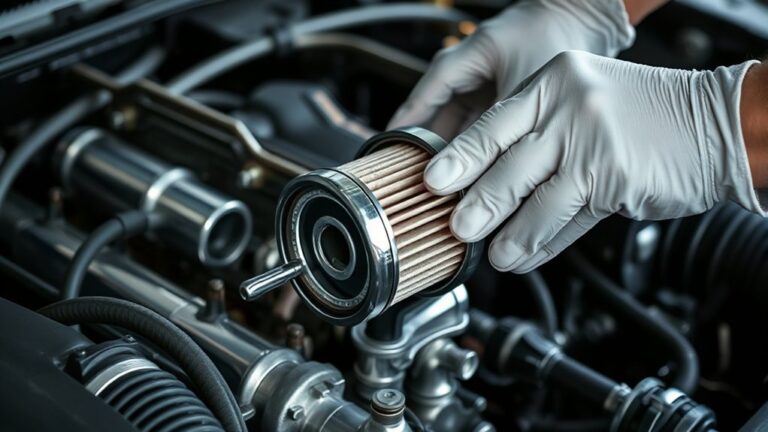
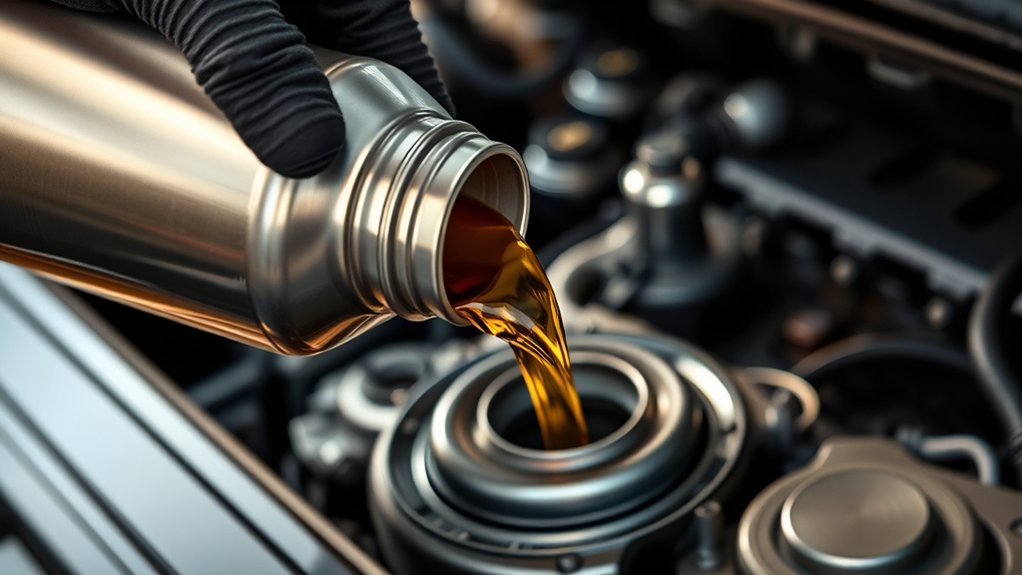
You can add oil to a hot engine safely if you take precautions. Avoid touching hot surfaces to prevent burns and use gloves or a cloth when opening the filler cap. Pour oil slowly to avoid splashes, and only add the manufacturer-recommended oil type.
Let the engine cool briefly to reduce pressure and temperature before refilling. Understanding engine temperature and proper techniques helps protect your engine and yourself.
Keep exploring to ensure you manage oil correctly and maintain engine health.
Is It Safe to Add Oil to a Hot Engine?
When you need to add oil, you might wonder if it’s safe to do so while the engine is hot. From an oil safety perspective, adding oil to a hot engine is generally safe, but you must exercise caution. The engine oil and surrounding components reach high temperatures, so avoid direct contact with hot surfaces to prevent burns.
Use gloves or a cloth when opening the oil filler cap. Also, be aware that hot oil can splatter, so pour slowly and steadily. The oil’s viscosity changes with temperature, but modern lubricants are designed to function effectively even when added to a hot engine.
Ultimately, adding oil to a hot engine doesn’t compromise oil safety if you handle the process carefully and take necessary precautions to protect yourself.
Signs You Need to Add Oil Right Away
How do you know if your engine oil level demands immediate attention? Monitoring specific indicators helps you detect a critical oil level or a heating issue that could damage your engine. Immediate action is essential when these signs appear:
| Sign | Description |
|---|---|
| Oil Pressure Warning Light | Illuminates on dashboard due to low oil level |
| Engine Overheating | Temperature gauge spikes, signaling heating issue |
| Unusual Engine Noise | Knocking or ticking implies inadequate lubrication |
| Oil Level Below Minimum | Dipstick shows oil below safe operating level |
| Exhaust Smoke | Blue or gray smoke suggests oil burning issue |
If you notice any of these signs, address the oil level immediately to prevent engine damage.
How to Add Oil Safely Without Risk
Recognizing the signs that indicate low engine oil is only part of maintaining your vehicle’s health; acting correctly to add oil without causing damage is equally important. To add oil safely, first ensure you use the correct oil viscosity recommended by your vehicle’s manufacturer. This maintains optimal lubrication and engine performance.
Avoid opening the oil filler cap immediately after driving since the hot engine can cause oil to splatter, posing safety risks. Instead, allow the engine to cool briefly to reduce pressure and temperature, enhancing hot engine safety.
When adding oil, pour slowly to prevent overfilling and check levels frequently with the dipstick. Use a clean funnel to prevent contaminants from entering the engine. These steps help you maintain engine integrity while minimizing risk during oil top-up.
Why Engine Temperature Matters When Adding Oil
Why does engine temperature play an essential role when adding oil? When your engine is hot, the oil viscosity changes, impacting how the oil circulates and protects engine components. Adding oil to a hot engine requires understanding these factors to avoid damage or inefficient lubrication.
Consider the following:
- Hot engine oil thins, potentially causing it to drain away from critical areas during refilling.
- Sudden oil addition to a hot engine can cause splashing, risking burns and inaccurate fill levels.
- Oil viscosity at high temperatures differs from cold states, affecting flow and film strength.
- Improper timing could lead to air pockets, reducing lubrication efficiency.
- Engine components expand with heat; adding oil at the right temperature ensures proper sealing and pressure.
Always respect engine temperature to maintain optimal oil performance.
Why Regular Oil Checks Keep Your Engine Healthy
Maintaining the right engine temperature when adding oil is just one part of proper engine care. Regular oil checks are essential because they ensure your engine maintains optimal oil pressure, which directly affects lubrication efficiency.
Maintaining proper engine temperature and regularly checking oil are crucial for optimal lubrication and engine care.
Low oil pressure can cause inadequate oil flow, accelerating engine wear and potentially leading to costly damage. By checking oil levels and condition frequently, you can detect leaks, contamination, or degradation early.
This practice helps maintain a consistent oil film between moving parts, reducing friction and heat buildup. Neglecting these checks risks running your engine with insufficient or dirty oil, compromising performance and longevity.
Make it a routine to inspect your oil, keeping your engine running smoothly and avoiding premature mechanical failures caused by poor lubrication.
Frequently Asked Questions
What Type of Oil Is Best for My Vehicle?
You should choose oil viscosity based on your vehicle’s manual recommendations. Opt for trusted oil brands like Mobil 1 or Castrol, ensuring you match the grade and specifications for optimal engine performance and longevity.
How Often Should I Change My Engine Oil?
You should change your engine oil every 3,000 to 7,500 miles, depending on your vehicle. Don’t fall for oiling myths; neglecting timely changes increases overheating risks and engine wear, reducing performance and lifespan.
Can Adding Too Much Oil Harm the Engine?
You risk damaging seals, reducing lubrication efficiency, and increasing contamination risks when you exceed your engine’s oil capacity.
Overfilling causes pressure buildup, oil foaming, and potential engine failure, so always measure precisely and avoid excess oil.
What Tools Do I Need to Add Oil Properly?
You’ll need a clean rag for an oil level check, a funnel for precise pouring, and a dipstick to monitor levels.
Always check engine temps to avoid burns, ensuring safe oil addition and accurate measurement.
How Do I Dispose of Used Engine Oil Safely?
Disposing of used engine oil is like handling hazardous waste: you must collect it in a sealed container and take it to a certified oil recycling center. Proper disposal prevents contamination and supports safe oil recycling practices.
Conclusion
You can add oil to a hot engine, but you should do it carefully, steadily, and safely. Check your oil level regularly and address low oil signs promptly. Add oil slowly to avoid spills or burns.
Monitor engine temperature before topping up to ensure safety. Keep your engine lubricated properly and prevent damage effectively.
By staying vigilant, acting quickly, and maintaining consistent oil care, you’ll guarantee your engine runs smoothly, efficiently, and reliably every time. Remember, adding oil to a hot engine should always be done with caution to protect both you and your vehicle.