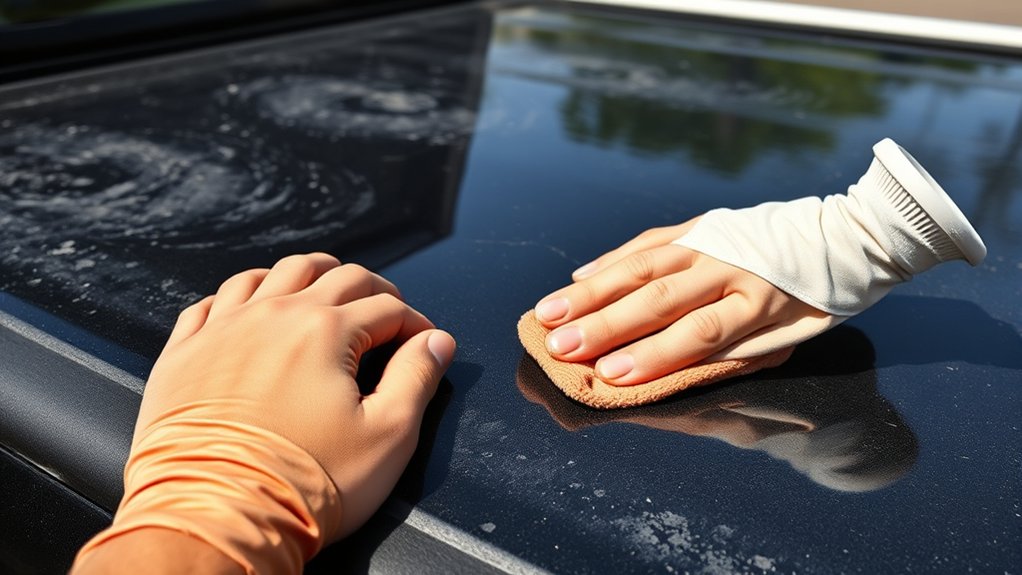
How to Restore Faded Hard Tonneau Cover
To restore your faded hard tonneau cover, start by inspecting it carefully for UV damage, discoloration, and surface cracks under soft lighting. This initial assessment helps identify the extent of fading and any underlying issues.
Next, clean the cover thoroughly using a mild automotive cleaner. Rinse it well and allow it to dry completely before proceeding.
If oxidation is present, lightly sand or polish the affected areas to smooth the surface. Then, apply a vinyl or plastic restorer that is suitable for your cover’s material.
Finish the process by using a high-quality UV protectant to help prevent further fading. Regular maintenance is essential to ensure the durability and longevity of your hard tonneau cover.
Understanding and following these steps will effectively protect and extend your cover’s lifespan.
How to Identify Fading and Damage on Your Hard Tonneau Cover
How can you tell when your hard tonneau cover is fading or sustaining damage? Start by inspecting the surface under consistent lighting, similar to the soft, even light you’d experience during sunrise photography. Look for discoloration, chalking, or a dull, patchy appearance, which signal UV degradation.
Check for cracking or brittleness, especially along edges and seams, where stress concentrates. Feel for roughness or flaking, indicating surface breakdown. Also, examine for warping or buckling, which may result from prolonged heat exposure.
If you regularly use your truck for beach yoga sessions or similar outdoor activities, salt and sand accumulation can accelerate wear. Look for embedded particles or abrasions. Identifying these signs early allows you to address issues before they worsen, maintaining your tonneau cover’s protective and aesthetic functions.
Essential Tools and Products for Hard Tonneau Cover Restoration
Restoring a faded hard tonneau cover requires specific tools and high-quality products designed to clean, repair, and protect its surface effectively. You’ll need a mild automotive cleaner to remove dirt without damaging the finish, followed by a fine-grit sandpaper or polishing pad to smooth out oxidation.
Proper restoration of a hard tonneau cover starts with gentle cleaning and careful smoothing of oxidation.
For repairs, a plastic or vinyl restorer tailored to your cover’s material is essential to rejuvenate faded areas. Don’t forget a UV protectant to prevent future fading.
Avoid unrelated topic distractions like generic household cleaners or off-topic discussion about unrelated vehicle parts, as these won’t yield effective results. Using the right combination of tools and products ensures a thorough restoration without compromising the cover’s integrity or appearance.
This focused approach saves time and delivers lasting protection.
Quick Fixes vs. Full Restoration for Hard Tonneau Covers
You should start by evaluating the overall condition of your hard tonneau cover to determine if a quick fix or full restoration is necessary. Temporary shine solutions can improve appearance but won’t address deeper fading or damage. For long-term results, follow thorough restoration steps that clean, repair, and protect the cover’s surface.
Assessing Cover Condition
When evaluating the condition of your hard tonneau cover, what signs should you look for to decide between quick fixes and full restoration? Start by inspecting surface oxidation, cracks, and fading intensity. Minor fading or light oxidation typically calls for quick fixes like polishing or applying protective car waxes.
However, extensive fading, deep cracks, or brittle areas indicate the need for full restoration, which involves stripping old layers and refinishing. Similar to planning garden care, where assessing soil and plant health dictates treatment, you must assess the cover’s current state carefully.
Check for UV damage or peeling paint, as these demand more intensive work. By accurately gauging the damage, you can effectively choose the right approach, whether a simple waxing or a comprehensive restoration, to extend your tonneau cover’s lifespan.
Temporary Shine Solutions
How can you quickly bring back the shine on your faded hard tonneau cover without committing to a full restoration? Temporary shine solutions, such as spray-on protectants or quick-detailing wipes, offer immediate improvement in gloss and surface smoothness.
These products enhance the aesthetic texture by filling micro-abrasions and restoring a wet-look finish. However, they don’t address underlying color degradation or provide long-term protection.
Quick fixes typically lack precise color matching, so expect slight variations in tone rather than full color rejuvenation. While these methods are effective for short-term cosmetic enhancement, they won’t reverse deep fading or material oxidation.
Use temporary shine solutions as an interim measure to maintain appearance until you decide on a comprehensive restoration approach.
Comprehensive Restoration Steps
What distinguishes a quick fix from a full restoration for a hard tonneau cover lies in the depth of repair and longevity of results. Quick fixes often involve surface-level cleaning and applying UV protectants, much like simple gardening hacks that maintain rather than improve.
In contrast, full restoration requires stripping old finish, treating cracks, and applying specialized coatings to renew the cover’s integrity and appearance. You’ll need precision tools and materials to ensure uniform coverage and adherence.
Think of it as kitchen organization, systematic, step-by-step, and thorough. Proper preparation, including cleaning and sanding, sets the foundation. Then, applying restoration compounds restores flexibility and color, followed by sealing for protection.
This comprehensive approach guarantees durability far beyond temporary shine solutions, extending your cover’s lifespan significantly.
Step-by-Step Cleaning Before Restoration
Why is thorough cleaning essential before restoring a faded hard tonneau cover? Proper cleaning removes dirt, oils, and contaminants that can impede restoration products’ adhesion, much like preparing surfaces during garden landscaping or kitchen remodeling projects. Skipping this step reduces restoration effectiveness and durability.
Follow these steps precisely:
| Step Number | Task | Purpose |
|---|---|---|
| 1 | Rinse with water | Remove loose dirt and dust |
| 2 | Apply mild cleaner | Break down oils and residues |
| 3 | Scrub gently | Dislodge embedded contaminants |
| 4 | Rinse and dry | Ensure no cleaner residue remains |
This method guarantees a clean surface, optimizing restoration results and prolonging your tonneau cover’s lifespan.
How to Remove Stubborn Stains Safely
Where do you start when stubborn stains refuse to budge from your hard tonneau cover? Begin by selecting non-abrasive cleaning agents that won’t damage the surface, similar to how sneaker design prioritizes material integrity. Use gentle scrubbing tools to avoid scratches. Follow these steps:
Start with non-abrasive cleaners and gentle tools to protect your hard tonneau cover’s surface.
- Test a mild detergent on a hidden area.
- Apply the detergent with a soft brush, focusing on stain edges for precision.
- Rinse thoroughly to remove residue, mimicking the precision of underwater robotics in delicate environments.
- Repeat if necessary, but avoid harsh chemicals that degrade the cover.
This approach ensures stain removal without compromising your cover’s protective layer or finish, maintaining durability and appearance effectively.
Choosing the Right UV Protectant for Your Hard Tonneau Cover
You’ll need to select a UV protectant that suits your hard tonneau cover’s material and usage conditions. Compare application methods like spray, wipe-on, or gel to find the most effective and convenient option for you. Also, consider each protectant’s durability and how often you’ll need to reapply to maintain optimal protection.
Types Of UV Protectants
How do different UV protectants affect the longevity and appearance of your hard tonneau cover? Selecting the right type is essential to prevent fading varnish and protect interior upholstery from UV damage.
Here are four common types:
- Silicone-based protectants Form a water-repellent barrier, enhancing UV resistance without altering surface texture.
- Acrylic-based coatings Provide a durable, clear layer that resists yellowing and fading.
- Wax-based treatments Offer short-term protection but may build up and attract dirt.
- Polymer sealants Create strong UV shields, preserving color vibrancy and flexibility.
Understanding these options helps you maintain your cover’s finish and structural integrity, ensuring it resists sun-induced deterioration effectively.
Application Methods Comparison
When applying UV protectants to your hard tonneau cover, which method ensures optimal coverage and durability depends on the product type and surface condition. Sprays offer quick, even application, ideal for smooth surfaces and busy schedules. They are perfect when you’re multitasking, like checking your cell phone while prepping.
Creams and gels require more effort; use a microfiber cloth to evenly spread and work the protectant into textured or porous surfaces, similar to carefully selecting items during grocery shopping. Wipes provide controlled, mess-free application but may require multiple passes for thorough coverage.
Consider product viscosity and your comfort level when choosing. A thin spray penetrates better but might need frequent reapplication, while thicker formulas offer longer-lasting protection. Matching application method to protectant type maximizes UV defense and restores your cover effectively.
Durability And Reapplication Frequency
Selecting the right UV protectant goes beyond application techniques; understanding its durability and reapplication frequency directly impacts your hard tonneau cover’s long-term protection. You want a product that maintains color matching to your cover, ensuring consistent aesthetics while resisting fading. Consider these factors:
- Product Lifespan: Check manufacturer specs for how long the protectant lasts under typical UV exposure.
- Reapplication Interval: Determine recommended frequency; some require quarterly, others annual applications.
- Warranty Considerations: Choose protectants aligned with your cover’s warranty terms to avoid voiding coverage.
- Environmental Resistance: Ensure the protectant withstands rain, dust, and temperature extremes without degrading.
How to Apply Restorers and Protectants Properly
Why is applying restorers and protectants correctly essential for your hard tonneau cover? Proper application ensures maximum adhesion, longevity, and protection, maintaining opacity aside from simply enhancing gloss claims. Misapplication can lead to uneven finishes, odor concerns, or void warranty notes.
Follow manufacturer instructions precisely, apply in a shaded, clean environment, and use a microfiber cloth to avoid contamination.
| Step | Action | Tip |
|---|---|---|
| 1. Clean Surface | Remove dirt and debris | Use mild soap, rinse well |
| 2. Dry Thoroughly | Ensure no moisture remains | Use a lint-free towel |
| 3. Apply Restorer | Spread evenly, thin layers | Avoid puddling |
| 4. Let Cure | Allow time as per product specs | No contact during curing |
| 5. Apply Protectant | Use light coats, buff gently | Follow reapplication schedule |
How to Maintain Your Hard Tonneau Cover to Prevent Fading
To prevent fading, you need to establish a regular cleaning routine that removes dirt and contaminants without damaging the surface. Incorporate UV protection methods, such as applying specialized sprays or using covers that block harmful rays. Additionally, store your hard tonneau cover properly when not in use to minimize exposure to harsh environmental conditions.
Regular Cleaning Routine
Although the materials used in hard tonneau covers are designed to withstand harsh conditions, regular cleaning is essential to prevent surface fading and maintain their protective qualities. By establishing a routine, you align with trends in car interiors that emphasize preservation and aesthetics, similar to solar panel maintenance practices.
Follow these steps for optimal care:
- Rinse the cover with water to remove loose debris and dust.
- Apply a mild automotive soap solution, avoiding harsh chemicals that could degrade the surface.
- Gently scrub with a soft brush or microfiber cloth to prevent abrasion.
- Rinse thoroughly and dry with a clean, lint-free towel to avoid water spots.
Consistent cleaning not only preserves appearance but also extends the functional lifespan of your tonneau cover.
UV Protection Methods
Maintaining a regular cleaning routine lays the groundwork for protecting your hard tonneau cover from fading, but shielding it from ultraviolet (UV) rays substantially enhances its longevity. To effectively block UV damage, apply a high-quality UV protectant spray specifically designed for automotive vinyl or plastic surfaces.
These protectants form a transparent barrier that prevents harmful rays from penetrating and degrading the material. Additionally, consider using a UV-resistant tonneau cover when possible, which incorporates stabilizers during manufacturing to mitigate fading.
If you engage in activities like creative dining or urban gardening with your truck, be mindful of prolonged exposure to sunlight, as these increase UV risks. Regular reapplication of UV protectants every few months ensures sustained defense, preserving the cover’s color and structural integrity over time.
Proper Storage Tips
Where you store your hard tonneau cover plays a vital role in preventing fading and material degradation. To maintain optimal material resilience, ensure your storage area has proper storage ventilation to avoid moisture buildup. Follow these precise steps:
- Store the cover in a cool, shaded location away from direct sunlight to minimize UV exposure.
- Use a breathable cover or bag that promotes air circulation, preventing mold and mildew.
- Position the tonneau cover on a flat surface or mount it securely to avoid warping.
- Keep the storage area clean and free of dust or chemicals that could accelerate material breakdown.
Common Hard Tonneau Cover Restoration Mistakes to Avoid
When restoring a faded hard tonneau cover, you must avoid common mistakes that can compromise the results or damage the material. First, don’t mix unrelated topics like fabric care techniques with vinyl or fiberglass restoration; each material requires specific products and methods.
Avoid off topic concepts such as using automotive waxes instead of dedicated tonneau cover restorers, as these can leave residues or cause discoloration. Also, skipping proper surface cleaning before applying restoration agents often leads to uneven results and reduced adhesion.
Overapplying products or using harsh abrasives can further degrade the cover’s finish. Finally, neglecting manufacturer guidelines risks voiding warranties and accelerating wear. By focusing strictly on relevant, material-specific restoration steps, you’ll preserve your hard tonneau cover’s integrity and achieve a durable, professional finish.
How Often Should You Restore Your Hard Tonneau Cover?
How frequently should you restore your hard tonneau cover to keep it in ideal condition? Generally, restoring your cover once or twice a year is sufficient, depending on exposure and wear. Avoid getting sidetracked by unrelated topics like irrelevant subject care tips that don’t apply to your cover’s material.
Consider these factors to determine restoration frequency:
- Intense sun exposure accelerates fading, necessitating biannual restoration.
- Frequent use and handling may require more frequent touch-ups.
- Harsh weather conditions, like snow or heavy rain, demand prompt maintenance.
- Visible signs of wear or discoloration signal immediate restoration needs.
Frequently Asked Questions
Can a Faded Hard Tonneau Cover Affect My Vehicle’s Resale Value?
Yes, a faded hard tonneau cover can lower your vehicle’s resale value. You’ll want to address fade resolution promptly, ensuring UV protection is restored to maintain appearance and protect the cover’s material integrity.
Are Hard Tonneau Covers Compatible With All Truck Models?
About 75% of hard tonneau covers fit only specific compatible models, so you’ll need to verify your truck’s make and model carefully.
How Long Does a Typical Hard Tonneau Cover Last Before Fading?
You can expect a hard tonneau cover to last around 3 to 5 years before fading, depending on its weather resistance and the amount of UV exposure it endures.
Regular maintenance helps extend its lifespan.
Can I Restore a Soft Tonneau Cover Using the Same Methods?
Imagine your soft tonneau’s fabric glowing like new under sunlight. You can restore it using specialized fabric restoration products, but avoid hard tonneau methods. They’re too abrasive and won’t protect the delicate soft tonneau’s material properly.
Is Professional Restoration More Cost-Effective Than DIY Restoration?
Professional restoration often costs more upfront than DIY restoration, but it guarantees expert results and durability. You’ll save time and avoid mistakes, making it cost-effective if you value precision and long-term performance over initial savings.
Conclusion
Restoring your hard tonneau cover transforms faded, worn surfaces into sleek, protective shields. While neglect lets UV damage and stains worsen, timely cleaning and proper application of restorers revive its durability and appearance. Skipping maintenance risks costly replacements, but following precise restoration steps ensures longevity.
You’re not just preserving aesthetics—you’re safeguarding your investment. With consistent care, your cover shifts from vulnerable to resilient. Proving restoration is both practical and essential, restoring your hard tonneau cover is key to maintaining its function and look.