Are Honda Pilots Reliable
You can expect reliable performance from the Honda Pilot, a vehicle known for its overall dependability. Staying on top of regular maintenance is key to ensuring this reliability. It’s important to address common issues like transmission hesitations and occasional electrical glitches promptly.
Newer models of the Honda Pilot show improved durability and strong safety ratings. Meanwhile, used Pilots offer proven value if they have been well maintained over time. Some recalls have involved airbags and seat belts, but Honda actively manages these repairs to keep drivers safe.
Understanding these factors will help you make an informed choice. This knowledge allows you to explore the vehicle’s full reliability profile with confidence.
Key Takeaways
- Honda Pilots show improved reliability in newer models with durable engines and smooth rides reported by owners.
- Common issues include transmission hesitations, oil consumption, and occasional electrical glitches, varying by model year.
- Regular maintenance every 5,000 to 7,500 miles is essential to sustain reliability and prevent costly repairs.
- Strong safety ratings and proactive recall repairs enhance overall vehicle dependability and owner confidence.
- Well-maintained used Pilots offer proven durability and cost savings, while new models provide updated features and full warranties.
How Reliable Is the Honda Pilot? Owner Reviews and Ratings
How reliable is the Honda Pilot according to those who drive it every day? Owner reviews and ratings reveal mixed reliability trends that vary by model year and mileage. When you explore two word discussion ideas like “maintenance cost” and “engine performance,” you’ll notice many drivers praise the Pilot’s durability and smooth ride.
However, some express concerns about electronic components and transmission issues. Overall, reliability tends to improve with newer models, reflecting Honda’s efforts to address past shortcomings. If you’re considering a Pilot, analyzing owner feedback helps you understand potential strengths and weaknesses.
What Common Problems Do Honda Pilots Have?
What issues should you watch for when owning a Honda Pilot? Common problems often include transmission hesitations, excessive oil consumption, and occasional electrical glitches. These issues don’t necessarily affect every model year but are worth monitoring closely.
Avoid falling into the trap of unrelated topics or making an irrelevant comparison to other SUVs that don’t share similar engineering or design. For example, comparing the Pilot’s transmission problems to entirely different drivetrain designs in unrelated models can mislead your understanding.
Staying focused on the Pilot’s specific known concerns helps you make informed decisions about maintenance and repairs. By addressing these common problems early, you can maintain your Pilot’s reliability and avoid costly fixes down the road.
Are There Any Recalls or Safety Concerns for the Honda Pilot?
Keeping an eye on recalls and safety concerns is just as important as monitoring common mechanical issues when owning a Honda Pilot. The Pilot’s recall history reveals a few issues, mostly related to airbags, seat belts, and electrical components, which Honda addressed promptly with repairs or replacements.
Staying updated on these recalls ensures your vehicle remains safe and compliant. In terms of safety ratings, the Honda Pilot consistently performs well in crash tests conducted by the National Highway Traffic Safety Administration (NHTSA) and the Insurance Institute for Highway Safety (IIHS).
These ratings reflect strong crashworthiness and effective safety features. By regularly checking for recalls and understanding your Pilot’s safety ratings, you can maintain confidence in its reliability and protect yourself and passengers on the road.
When Should You Service Your Honda Pilot?
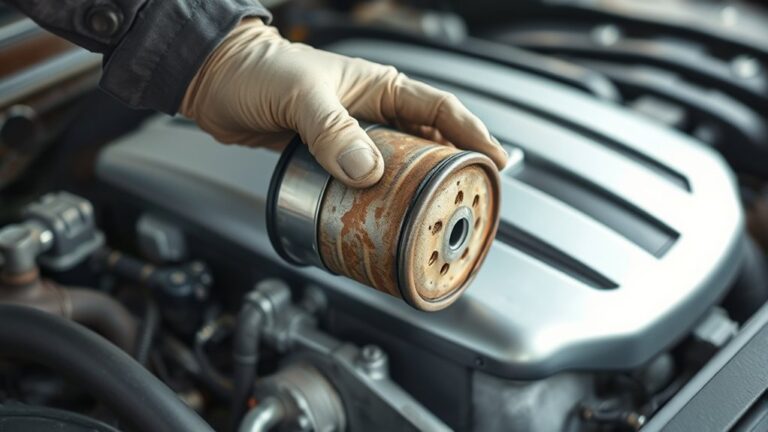
When do you need to service your Honda Pilot to guarantee it runs smoothly and lasts longer? Regular maintenance is key, typically every 5,000 to 7,500 miles or as outlined in your owner’s manual.
This schedule ensures optimal off road performance and preserves the integrity of the vehicle’s luxury features. You should service your Pilot more frequently if you often drive in harsh conditions like dirt trails or extreme weather, which can accelerate wear.
Routine checks include oil changes, brake inspections, tire rotations, and fluid replacements. Addressing these promptly helps maintain reliability and safety.
Ignoring service intervals may degrade both the mechanical and electronic systems that support the Pilot’s performance and comfort. Staying proactive with servicing is the best way to protect your investment.
How Much Does It Cost to Repair a Honda Pilot?
You’ll want to contemplate common repair expenses like brake replacements, transmission work, and engine repairs when budgeting for your Honda Pilot. Repair costs can vary based on factors such as the vehicle’s age, mileage, and whether you use OEM or aftermarket parts. Understanding these elements helps you anticipate potential expenses more accurately.
Common Repair Expenses
How much should you expect to spend on repairs for a Honda Pilot? Common repair expenses often include items like brake pads, budget tires, and sunroof wear, which can add up over time.
Here’s a snapshot of typical repair costs:
| Repair Type | Average Cost | Emotional Impact |
|---|---|---|
| Brake Pads | $150 – $300 | Safety reassurance |
| Budget Tires | $400 – $600 | Financial relief |
| Sunroof Wear | $200 – $500 | Comfort concern |
| Battery Replacement | $100 – $200 | Unexpected setback |
| Transmission Repair | $1,500 – $3,000 | Major stress |
Understanding these common expenses helps you prepare financially and maintain your Pilot’s reliability without surprises.
Factors Affecting Repair Costs
What factors influence the cost of repairing a Honda Pilot? Several key elements come into play. First, your vehicle’s age and mileage impact repair expenses; older models with higher mileage often face more wear, leading to costlier fixes.
Warranty coverage also affects your out-of-pocket costs. If your Pilot is still under warranty, many repairs could be free or discounted. Additionally, the type of repair matters; engine and transmission issues generally cost more than routine maintenance.
Fuel economy indirectly influences repair costs since inefficient fuel use may signal engine problems requiring attention. Labor rates in your area and whether you choose a dealership or independent mechanic also affect expenses.
How Does the Honda Pilot’s Reliability Compare to Competitors?
When comparing the Honda Pilot’s reliability to its competitors, you’ll find it holds a strong position in the midsize SUV segment. While factors like car color don’t influence reliability, fuel economy and maintenance costs do shape your overall ownership experience.
The Pilot consistently ranks well for fewer repairs and better longevity compared to rivals.
| Model | Reliability Score (out of 100) | Average Fuel Economy (mpg) |
|---|---|---|
| Honda Pilot | 85 | 20 |
| Toyota Highlander | 83 | 21 |
| Ford Explorer | 78 | 19 |
This table shows the Pilot’s reliability and fuel economy are competitive, making it a solid choice if you prioritize dependability and efficiency.
Which Honda Pilot Model Years Are the Most Reliable?
Determining which Honda Pilot model years stand out in reliability can help you make a smarter purchase decision. Generally, models from 2016 to 2019 receive high marks for durability and fewer reported issues. These years benefit from refined engineering and improved warranty coverage, providing extra peace of mind.
While earlier models like 2009 to 2011 showed some reliability concerns, Honda’s customer service has actively addressed many issues through recalls and extended support. It’s wise to review specific year-to-year data, considering maintenance history and any warranty extensions available.
How Long Do Honda Pilots Usually Last?
A well-maintained Honda Pilot can often last well beyond 200,000 miles, making it a durable choice for families and daily drivers alike. How long your Pilot lasts depends on several factors:
- Maintenance Myths: Ignoring scheduled services or believing routine oil changes aren’t critical can shorten your Pilot’s lifespan. Consistent care helps prevent premature wear.
- Driving Habits: Gentle acceleration and avoiding harsh conditions reduce stress on your engine and transmission, promoting longevity.
- Fuel Economy: While not directly linked to lifespan, good fuel economy often reflects efficient engine performance, indicating a well-kept vehicle.
Tips for Maintaining Your Honda Pilot’s Reliability
Understanding how long your Honda Pilot can last lays the foundation for keeping it reliable over time. To maintain your Pilot’s reliability, stick to the manufacturer’s recommended maintenance schedule, including regular oil changes, tire rotations, and brake inspections.
Avoid neglecting minor repairs, as small issues can escalate quickly. While researching, don’t get sidetracked by irrelevant topics or unrelated angles that don’t directly impact your vehicle’s upkeep.
Instead, focus on genuine factors like fluid levels, battery health, and timely replacement of wear-and-tear parts. Keeping detailed service records also helps you track maintenance and spot potential problems early.
Should You Buy a Used or New Honda Pilot for Reliability?
When deciding between a used or new Honda Pilot for reliability, you’ll want to weigh the benefits of each option. A used Pilot can offer lower upfront costs and proven durability if well-maintained, while a new Pilot provides the latest features and full warranty coverage. Understanding these factors helps you choose what fits your needs and budget best.
Used Pilot Pros
Deciding whether to buy a used or new Honda Pilot for reliability depends on several key factors. Choosing a used Pilot offers distinct advantages worth considering:
- Cost Savings: Used Pilots come at a lower price, letting you avoid the initial depreciation hit that new models experience.
- Proven Reliability: Older models with a solid maintenance history provide insight into long-term reliability, helping you assess fuel economy and overall durability.
- Resale Value: While used vehicles depreciate less steeply, Pilots tend to hold value well, so you won’t lose as much if you decide to sell.
New Pilot Benefits
Why might you consider buying a new Honda Pilot instead of a used one for reliability? New Pilots come with the latest engineering improvements, including enhanced fuel economy and reduced cabin noise, which improve your driving experience.
You’ll also benefit from a full manufacturer’s warranty, minimizing unexpected repair costs and giving you peace of mind. New models often include updated safety features and technology that older models lack, which can contribute to overall reliability.
While used Pilots can be dependable, a new one offers the assurance of zero wear and tear and the latest quality controls. If consistent performance and fewer maintenance concerns are priorities, investing in a new Honda Pilot could be the safer choice for long-term reliability.
Key Features That Make the Honda Pilot Popular
What sets the Honda Pilot apart in a crowded SUV market? It’s a blend of practical features and thoughtful design choices that appeal to many drivers.
If you’re considering one, here are three key features that contribute to its popularity:
- Engine Performance and Noise: The Pilot’s V6 engine provides reliable power with minimal engine noise, ensuring a smooth, quiet ride that enhances driver comfort.
- Interior Trim Quality: You’ll notice the well-crafted interior trim that balances durability with a refined look, making the cabin both functional and inviting.
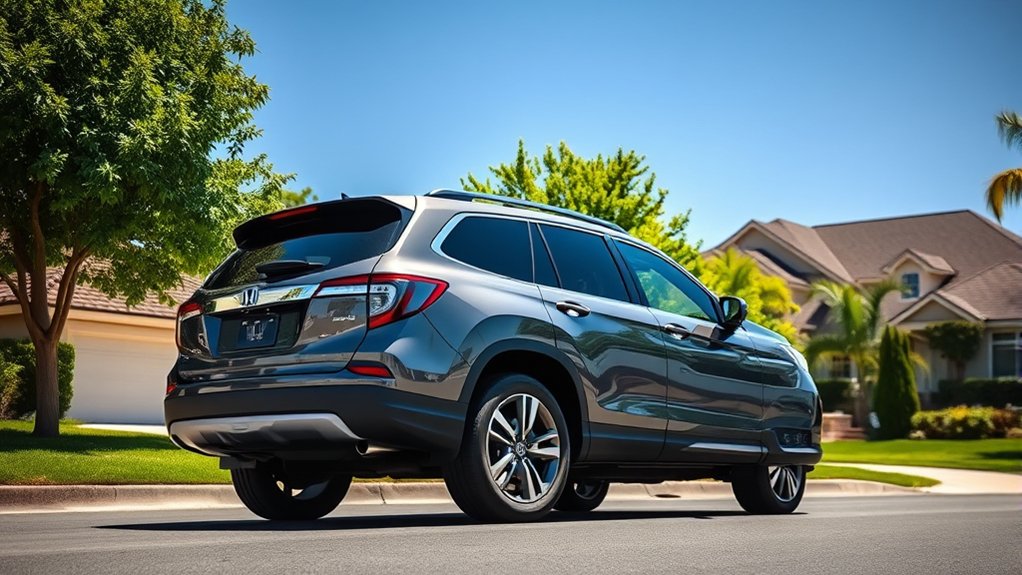
- Spacious Seating and Cargo: The SUV offers three rows of seating with generous legroom and flexible cargo space, accommodating families and gear effortlessly.
These features collectively make the Honda Pilot a practical, comfortable choice in its segment.
Frequently Asked Questions
What Is the Fuel Efficiency of the Honda Pilot?
You’ll find the Honda Pilot’s fuel economy averages around 20-22 mpg combined, balancing decent mileage with engine reliability. This efficiency suits families seeking a dependable SUV without sacrificing reasonable fuel costs.
How Spacious Is the Honda Pilot’s Interior?
You’ll appreciate the Honda Pilot’s spacious design ideas, offering ample legroom and headroom for three rows. Interior layout considerations maximize comfort and cargo space, making it practical for families and long trips without feeling cramped.
Does the Honda Pilot Have Advanced Technology Features?
You’ll find advanced tech in the Honda Pilot like a digital symphony, with driver aids enhancing safety and convenience. Features like adaptive cruise control and lane-keeping assist make driving smoother, smarter, and more confident on every journey.
What Are the Towing Capabilities of the Honda Pilot?
You can tow up to 5,000 pounds with the Honda Pilot, but be mindful of towing limitations like payload and trailer weight.
Engine noise may increase under heavy loads, so plan accordingly for comfortable towing experiences.
How Does the Honda Pilot Perform in Off-Road Conditions?
You’ll find the Honda Pilot offers moderate off-road grip, handling light trails well but isn’t built for serious rock crawling. Its AWD helps on uneven terrain, but it’s best suited for mild off-road adventures rather than rugged challenges.
Conclusion
If you’re wondering whether the Honda Pilot is reliable, you’ll be glad to know owner reviews and ratings often praise its dependability. Coincidentally, while some common issues pop up, timely servicing and proper maintenance usually keep repairs manageable.
Whether you choose new or used, understanding recalls and costs helps you make an informed decision.
So, if reliability matters to you, the Honda Pilot often proves to be a smart, lasting choice that stands out for its overall reliability.