Are Honda Civics Reliable
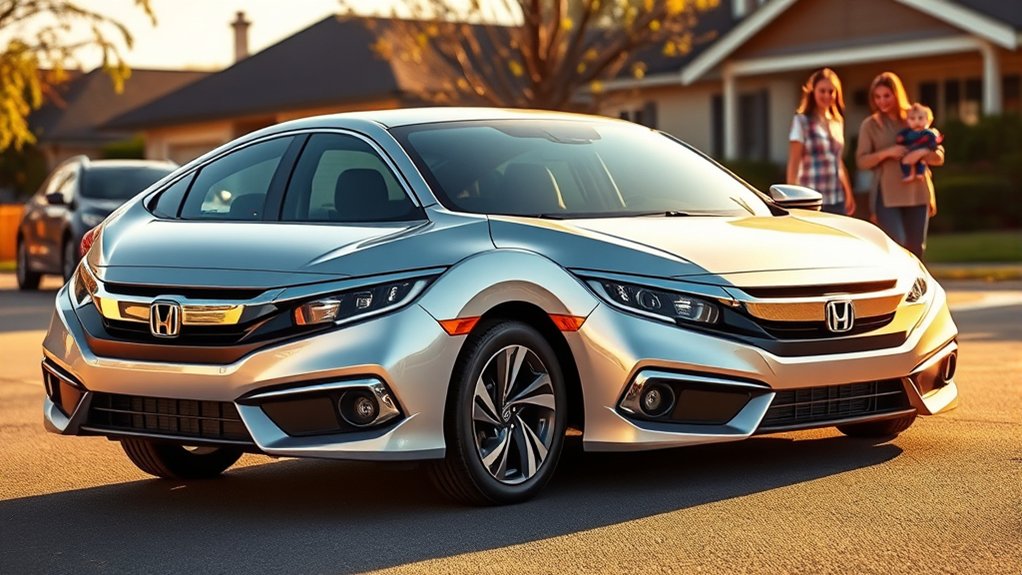
You can count on Honda Civics for reliable performance and long-term durability thanks to durable components and a solid engineering focus. Honda Civics are known for their dependable nature, making them a popular choice among drivers seeking a trustworthy vehicle. With routine maintenance, you’ll minimize unexpected repairs and extend the vehicle’s lifespan, often beyond 200,000 miles.
Some model years have specific engine and transmission concerns, but addressing these early helps control costs. Combined with strong resale values and fuel efficiency, the Civic offers lasting value. Explore further to understand key maintenance tips and model-specific insights.
Key Takeaways
- Honda Civics are consistently reliable with durable components and minimal unexpected repairs over time.
- Routine maintenance and early issue addressing extend Civic’s lifespan and reduce major repair frequency.
- Certain model years face engine and transmission concerns, but overall reliability remains strong.
- Civics maintain high resale value due to their long-term dependability and fuel efficiency.
- Consumer satisfaction and brand quality control reinforce the Civic’s reputation for reliability.
Why Honda Civics Are So Reliable
What makes Honda Civics stand out regarding reliability? When you look at the big picture reliability, these vehicles consistently perform well over time with minimal unexpected repairs.
You’ll find that their engineering focuses on durable components and efficient design, which helps reduce wear and tear. Consumer perceptions also play a crucial role; many owners report satisfaction and trust in the Civic’s dependability, reinforcing its reputation.
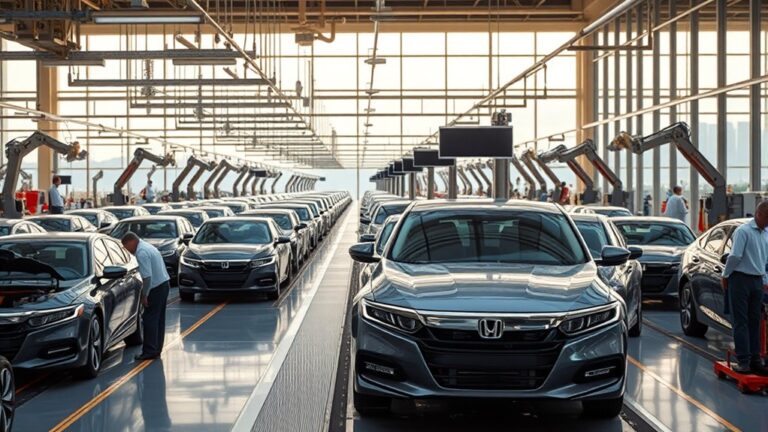
You can count on routine maintenance to keep the car running smoothly without frequent breakdowns. The brand’s commitment to quality control and continuous improvements further contributes to this reliability, making the Civic a practical choice for those seeking a low-maintenance vehicle.
Common Issues Honda Civic Owners Face
You might encounter some engine performance concerns that affect how smoothly your Civic runs. Transmission problems have also been reported, which can impact shifting and overall drivability. Additionally, electrical system glitches may arise, causing intermittent issues with your vehicle’s electronics.
Engine Performance Concerns
How does the Honda Civic’s engine hold up over time? While generally known for solid engine performance, some reliability concerns emerge, especially in certain model years. You might notice issues like excessive oil consumption or occasional misfires, impacting your driving experience.
Here’s a snapshot of common engine performance concerns:
| Issue | Symptoms | Affected Models |
|---|---|---|
| Oil Consumption | Frequent top-ups | 2011-2013, 2014-2015 |
| Misfires | Rough idling | 2006-2011 |
| Engine Knocking | Noise under acceleration | 2007-2012 |
| Check Engine Light | Warning alerts | Various years |
Transmission Problems Reported
When does a Honda Civic’s transmission start showing signs of trouble? Often, issues appear between 60,000 and 100,000 miles, depending on driving habits and maintenance history. You might notice delayed shifting, slipping gears, or unusual noises.
These symptoms can indicate declining transmission reliability, which varies across different Civic model years. Addressing problems early helps limit maintenance costs, as transmission repairs or replacements can be expensive.
Regular fluid changes and inspections improve longevity, so staying proactive is key. While Honda Civics generally maintain solid transmission reliability, some owners report concerns, especially with continuously variable transmissions (CVTs).
Understanding these potential issues helps you weigh repair risks and budget for maintenance costs effectively, ensuring your Civic remains dependable over time.
Electrical System Glitches
Why do electrical system glitches frequently challenge Honda Civic owners? These issues often stem from complex wiring and aging components prone to failure.
You might encounter electrical gremlins like intermittent dashboard lights, malfunctioning power windows, or erratic sensor readings. Battery concerns also play a significant role, as a weak or failing battery can trigger various warning lights or cause starting problems.
Regular maintenance helps, but diagnosing electrical faults can be tricky since symptoms vary widely. If you notice persistent electrical anomalies, it’s wise to have a professional inspection to pinpoint the root cause.
Understanding these typical glitches prepares you to address them promptly, minimizing inconvenience and maintaining your Civic’s reliability over time.
How Maintenance Impacts Honda Civic Longevity
What role does regular maintenance play in ensuring your Honda Civic’s longevity? It’s crucial. Consistent upkeep helps prevent minor issues from escalating into costly repairs, directly extending your Civic’s lifespan.
However, you should be cautious of maintenance myths that suggest unnecessary services. These misconceptions often stem from dealership tactics aimed at boosting revenue rather than focusing on your car’s actual needs.
By following your owner’s manual and using reliable sources, you’ll maintain optimal performance without overspending. Regular oil changes, timely brake inspections, and fluid checks are essential.
Skipping these can accelerate wear and reduce reliability. Ultimately, understanding genuine maintenance requirements and avoiding dealership upsells ensures your Honda Civic remains dependable for years.
Which Honda Civic Models Offer the Best Reliability
Which Honda Civic models stand out for their reliability? You’ll find certain trims consistently praised for durability, fuel economy, and curb appeal. Here are four notable models:
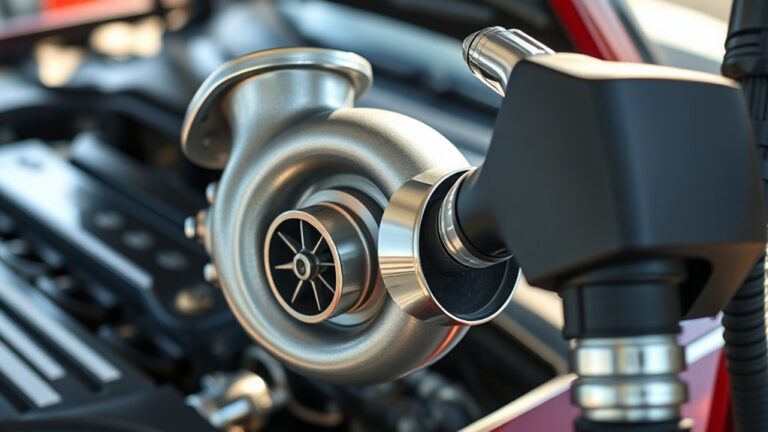
- 2016 Honda Civic EX-T Offers a turbocharged engine balancing strong fuel economy with excellent reliability.
- 2012 Honda Civic LX Known for its straightforward design and dependable performance over time.
- 2019 Honda Civic Sport Combines sporty curb appeal with robust build quality and efficient fuel use.
- 2009 Honda Civic Hybrid Merges hybrid technology with proven mechanical reliability, enhancing fuel economy.
These models have earned solid reputations, minimizing unexpected repairs. When choosing, consider how fuel economy and curb appeal align with your preferences to select a Civic that fits both your lifestyle and reliability expectations.
How Honda Civic’s Fuel Efficiency Benefits Owners
How does the Honda Civic’s fuel efficiency translate into real-world advantages for owners? By delivering impressive fuel economy, the Civic helps you reduce your trips to the pump, saving money over time.
This efficiency directly lowers your ownership costs, especially if you drive frequently or commute long distances. With better fuel economy, you’ll spend less on gasoline, which is a consistent and significant expense.
Additionally, the Civic’s efficient engine design often means fewer emissions, appealing if you value environmental responsibility. Over the lifespan of the vehicle, these savings can add up, making the Civic a cost-effective choice.
In essence, the Honda Civic’s fuel economy not only conserves fuel but also provides tangible financial benefits, making ownership more affordable without sacrificing everyday practicality.
What Drivers Say About Honda Civic Performance
When considering the Honda Civic’s performance, many drivers highlight its balance between responsiveness and comfort. You’ll notice that the Civic is praised for its smooth handling and efficient engine, making everyday driving enjoyable. Here’s what drivers commonly report:
- Driving comfort stands out, with seats designed for support during long trips.
- Acceleration is adequate for city and highway use, providing a confident feel without excessive power.
- The suspension system absorbs road imperfections well, enhancing ride quality.
- Color options add a personalized touch, allowing you to choose a model that fits your style without compromising performance.
What Honda Civic Resale Values Reveal About Reliability
Why do Honda Civics consistently hold their value better than many other compact cars? The resale values reflect their strong reliability reputation, which buyers trust. When you consider resale price as a reliability indicator, higher values suggest fewer mechanical issues and lower maintenance costs over time.
It’s important to avoid irrelevant discussion or off topic ideas like brand loyalty or aesthetics, which don’t directly impact reliability. Instead, focus on objective data: Civics usually depreciate slower because they maintain dependable performance and durability.
This steady demand in the used car market confirms that owners experience fewer unexpected repairs. So, when you analyze resale values, you get a clear, quantifiable signal about the Civic’s consistent reliability, steering clear of subjective or unrelated arguments.
Is Buying a Honda Civic a Smart Long-Term Investment?
When considering a Honda Civic as a long-term investment, you should weigh its proven longevity and durability against resale value trends. Civics often maintain strong resale prices due to their reliability, which can help you recoup more of your initial cost. Understanding these factors can guide you in making a financially sound decision.
Longevity and Durability
How long can you expect a Honda Civic to last? Many longevity myths and durability myths surround this model, but the truth is grounded in consistent maintenance and driving habits.
Civics often surpass 200,000 miles with proper care, making them a reliable choice for long-term ownership. Consider these points:
- Regular oil changes and inspections prevent premature wear.
- The Civic’s engineering emphasizes durable components, reducing frequent repairs.
- Common issues are usually minor and manageable if addressed early.
- Driving style significantly impacts overall vehicle lifespan and performance.
Resale Value Trends
Where does the Honda Civic stand regarding resale value compared to other compact cars? The Civic consistently ranks high, maintaining strong resale value thanks to its reputation for reliability and fuel efficiency.
When you consider resale depreciation, the Civic tends to lose value at a slower rate than many competitors. This resilience makes it a smart choice if you plan to sell or trade in later.
However, keep in mind that market volatility can influence resale prices across the automotive sector, including the Civic. Economic shifts, supply chain disruptions, or changes in consumer preferences may impact resale value unpredictably.
Still, given its proven track record, investing in a Honda Civic generally offers a more stable long-term value retention than many other vehicles in its class.
Frequently Asked Questions
What Are the Best Aftermarket Upgrades for Honda Civics?
You’ll benefit most from upgrading your Honda Civic’s aftermarket exhaust for better performance and sound, plus suspension springs to improve handling and ride quality. These upgrades balance power gains with enhanced driving dynamics effectively.
How Does Honda Civic Safety Compare to Other Compact Cars?
You’ll find the Honda Civic’s safety ranks well against compact cars, balancing weather resistance vs fuel efficiency. For example, in rain, its stability aids safety without sacrificing mileage, while cargo versatility vs ride comfort remains competitive.
What Interior Features Do Newer Honda Civics Include?
You’ll find interior features like advanced infotainment upgrades, touchscreen displays, and smartphone integration in newer Civics. They support safe driving with driver-assist tech and enhance weather performance through climate controls and improved cabin comfort systems.
Are Honda Civics Suitable for Long Road Trips?
You’ll find Honda Civics suitable for long road trips thanks to their excellent fuel efficiency and comfortable interiors. They handle well on highways, offering a smooth ride, making extended drives both economical and enjoyable for you.
How Does the Honda Civic Perform in Different Weather Conditions?
You’ll find the Honda Civic handles weather’s quirks with steady grace, showing solid weather performance. Its reliability implications shine through in rain or shine, ensuring consistent control and safety, making it a dependable choice year-round.
Conclusion
You might think a car as reliable as the Honda Civic would come with zero quirks, but even these dependable rides have their occasional hiccups. Still, with proper maintenance and smart model choices, you’re getting impressive fuel efficiency, strong resale value, and solid performance.
So, if you’re looking for a smart long-term investment, the Civic’s reliability might just surprise you—because sometimes, the most dependable choice isn’t the most exciting one, but it sure gets the job done. When considering reliability, the Honda Civic remains a top contender for drivers seeking consistency and value.