Are Brake Pads Universal
You can’t assume brake pads labeled “universal” will fit your vehicle because brake systems require exact pad dimensions and designs tailored to specific makes, models, and calipers. Brake pads are not truly universal due to the precise requirements needed for safe and effective braking.
Factors like rotor size, caliper type, and vehicle weight significantly affect compatibility. Universal often means adjustable backing plates but may sacrifice precision fit and performance.
To ensure safety and optimal braking, you need pads matching your vehicle’s specifications. Understanding these details will help you make the right choice for your brakes.
Key Takeaways
- Universal brake pads often refer to generic backing plates but do not guarantee fit for every vehicle or braking system.
- Brake pad compatibility depends on vehicle make, caliper type, rotor size, and brake system design.
- One-size-fits-all brake pads are inappropriate due to precise dimensions and material requirements for each vehicle.
- Always verify pad specifications against manufacturer requirements to ensure proper fit and safe braking performance.
- Using non-vehicle-specific pads can compromise braking efficiency, safety, and may cause premature wear or noise.
What Does “Universal Brake Pads” Really Mean?
What exactly do manufacturers mean when they label brake pads as “universal”? They intend these pads to fit a broad range of vehicles without specifying exact models. However, “universal” doesn’t guarantee compatibility with every car, as brake systems vary significantly.
When you encounter discussion ideas suggesting universal pads fit all vehicles, be cautious. Many conversations veer off topic unrelated to actual fitment or performance specifications. Universal brake pads often have adjustable or generic backing plates designed for versatility.
Yet, they may lack the precision fit and optimal performance of pads tailored to specific vehicle specs. So, while universal brake pads offer convenience, you must verify their compatibility with your vehicle’s braking system to ensure safety and effectiveness.
Which Vehicle Specs Affect Brake Pad Fit?
When selecting brake pads, you need to contemplate your vehicle’s make and model, as these directly influence compatibility. The design of your brake system, including caliper type and rotor size, also determines the proper fit. Ignoring these specs can lead to improper installation and reduced braking performance.
Vehicle Make And Model
How do your vehicle’s make and model influence the compatibility of brake pads? They determine the exact dimensions, mounting style, and material specifications your brake pads must meet. Each manufacturer designs brake components tailored to their vehicle’s suspension and braking system, making it essential to match pads precisely.
Ignoring these details and treating brake pad fit as a universal standard is an irrelevant topic that often leads to improper fit or reduced braking efficiency. Similarly, discussing unrelated subjects like tire size or engine type won’t clarify brake pad compatibility.
Instead, focus on the specific make, model, and year of your vehicle. This ensures you select brake pads engineered to fit the calipers and rotors correctly, maintaining optimal performance and safety.
Brake System Design
Why do brake system designs vary so considerably across vehicles? It boils down to the specific engineering demands each vehicle faces. When fitting brake pads, you must consider these critical specs:
- Caliper Type: Single or dual-piston calipers require different pad shapes, affecting compatibility.
- Rotor Size and Thickness: Larger rotors need pads with matching dimensions for optimal contact.
- Vehicle Weight and Performance: Heavier or high-performance vehicles use brake systems designed for greater heat dissipation and durability.
Understanding these factors ensures you don’t rely solely on branding collateral or misleading ads. Ethical companies emphasize transparency in their advertising and provide accurate specs. This adherence to ethics in advertising helps you choose brake pads that fit precisely, rather than universal claims that may compromise safety or performance.
How Brake Systems Change Which Brake Pads Fit
Which brake pads will fit your vehicle depends largely on the specific brake system it uses. Different systems, such as disc or drum brakes, single or dual piston calipers, demand uniquely shaped and sized pads. You can’t just make a random pairing of pads to systems; doing so risks poor fitment or reduced braking efficiency.
Treating brake pads as a universal component is an unrelated topic to the actual compatibility requirements dictated by caliper design, rotor dimensions, and mounting methods. When you select brake pads, you must match them precisely to the brake system’s specifications. This ensures optimal contact area, heat dissipation, and mechanical engagement.
Understanding these factors prevents you from mistakenly installing pads that don’t fit or function correctly within your brake assembly.
Why Brake Pads Are Not One-Size-Fits-All
Selecting brake pads isn’t just about matching general specifications; you need to contemplate the exact dimensions, materials, and design features tailored to your vehicle’s brake system. The universal confusion arises because many assume brake pads offer fit independence, but that’s far from reality.
Brake pads are engineered to complement specific caliper designs, rotor sizes, and braking performance requirements.
Consider these critical factors:
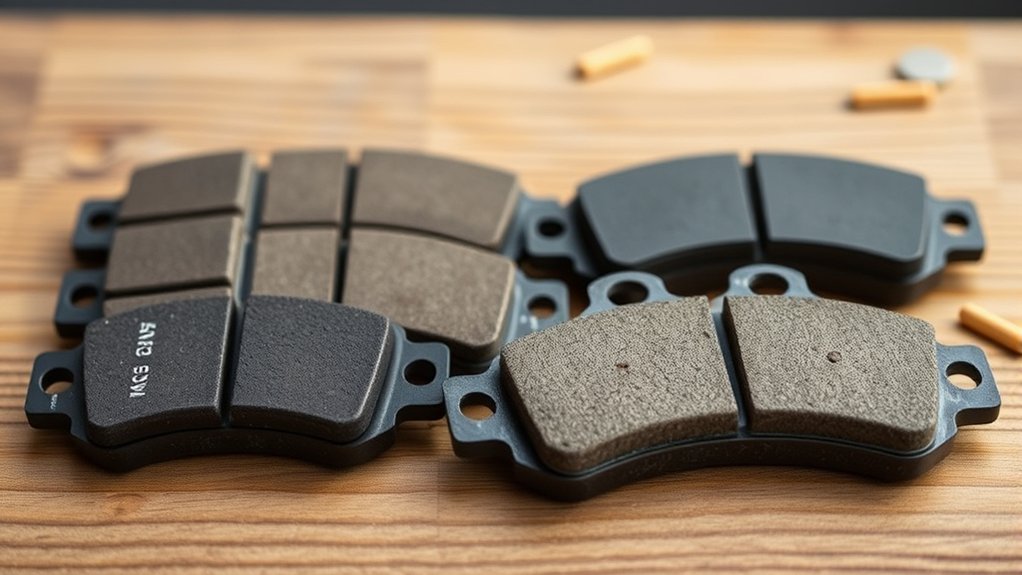
- Pad shape and size: Must align precisely with your caliper to ensure proper contact and function.
- Material composition: Different materials suit varying driving styles and vehicle weights.
- Backing plate design: Ensures correct fitment and prevents noise or vibration.
Ignoring these leads to suboptimal braking, accelerated wear, or even safety hazards. Brake pads simply aren’t one-size-fits-all.
How to Find the Right Brake Pads for Your Car
How do you guarantee your brake pads meet your vehicle’s exact requirements? Start by consulting your car’s manufacturer specifications to identify the correct size and type. Although some brake pads claim universal compatibility, variations in caliper design and rotor size mean you must verify fitment precisely.
Next, consider pad material differences. Ceramic, semi-metallic, and organic compounds each offer distinct performance and wear characteristics tailored to driving conditions. Use OEM part numbers as a reference to find compatible aftermarket options.
Additionally, check friction ratings and heat tolerance to ensure optimal braking efficiency and safety. By combining accurate vehicle data with a thorough understanding of pad materials, you’ll select brake pads that provide reliable stopping power and longevity specific to your car’s needs.
Signs Your Brake Pads Might Not Be the Right Fit
Even when you’ve matched brake pads to your vehicle’s specifications, subtle mismatches can affect performance and safety. You might notice signs indicating the pads aren’t the right fit, which is essential to address promptly.
Don’t confuse this with an irrelevant subtopic or unrelated concept like general brake system issues unrelated to pad fit. Key indicators include:
- Uneven wear patterns: Pads that wear unevenly may not align properly with the rotor, reducing braking efficiency.
- Unusual noises: Squealing or grinding sounds often signal incompatibility or improper installation.
- Reduced braking response: If your stopping distance increases or the brake pedal feels spongy, your pads might not be ideal for your vehicle’s design.
Recognizing these signs helps avoid costly damage and ensures safe braking performance.
Understanding Aftermarket vs. OEM Brake Pad Performance
You’ll notice that OEM brake pads typically offer consistent performance due to their high-quality materials and strict manufacturing standards. Aftermarket pads can vary widely in composition, affecting durability and braking efficiency. Balancing cost savings with reliability is essential when choosing between these options.
Performance Differences Explained
Many drivers notice distinct differences between aftermarket and OEM brake pads, which stem from variations in materials, manufacturing processes, and design specifications. These differences often spark two word discussion ideas like “performance variance” and “braking reliability,” helping you navigate universal misconceptions about interchangeability.
You should be aware that pad compatibility myths can lead to improper replacements, affecting safety and efficiency.
Key performance distinctions include:
- Consistency: OEM pads usually maintain stable friction coefficients under diverse conditions.
- Noise & Dust: Aftermarket pads vary widely, sometimes increasing noise and residue.
- Heat Tolerance: OEM designs often optimize thermal dissipation, reducing fade.
Understanding these factors helps you choose brake pads that align with your vehicle’s braking system requirements and your driving habits.
Material Quality Comparison
How do material differences impact the performance of brake pads? When comparing aftermarket and OEM brake pads, the core distinction lies in material composition and quality control.
OEM pads utilize proprietary compounds engineered for optimal friction, wear resistance, and heat dissipation, ensuring consistent performance. Aftermarket pads, however, vary widely; some match OEM specs, while others use lower-grade materials, risking premature wear or reduced stopping power.
Avoid getting lost in unrelated topics or excessive technical jargon; focus on key factors like friction coefficients, thermal stability, and contamination resistance. These material properties directly influence braking efficiency and pad longevity.
Understanding these differences helps you make informed choices, ensuring safety and performance aren’t compromised by unknown aftermarket material quality.
Cost Versus Reliability
Why does choosing between aftermarket and OEM brake pads often come down to balancing cost against reliability? When you’re evaluating options, keep in mind that lower price tags on aftermarket pads might seem appealing but can involve trade-offs in durability or performance. Avoid getting sidetracked by unrelated topic discussions or random speculation about brand reputations that don’t reflect actual test data.
Consider these factors:
- Material consistency: OEM pads generally maintain uniform quality, while aftermarket pads vary widely.
- Longevity: OEM parts tend to last longer, reducing replacement frequency.
- Performance under stress: OEM pads are engineered for optimal braking in diverse conditions.
Tips for Installing Brake Pads Safely and Correctly
Where should you begin when installing brake pads to guarantee safety and effectiveness? Start by thoroughly cleaning the caliper and rotor surfaces, ensuring no debris or grease compromises the installation.
Begin brake pad installation by meticulously cleaning caliper and rotor surfaces to ensure safety and effectiveness.
Avoid distractions like unrelated topics or consuming energy drinks, which can impair your focus during this precise task. Next, carefully remove the old pads, inspecting the hardware for wear or damage, and replace components as needed.
Apply a high-temperature brake lubricant to the contact points to prevent noise and ensure smooth operation. When positioning the new pads, align them precisely within the caliper to avoid uneven wear.
Finally, bleed the brake system to remove air bubbles that could reduce braking efficiency. Test the brakes firmly before driving to confirm proper installation and safety.
Frequently Asked Questions
How Often Should Brake Pads Be Replaced?
You should replace brake pads every 30,000 to 70,000 miles, depending on driving habits and conditions.
Don’t get distracted by off topic brainstorming or unrelated topics; focus on precise maintenance intervals for safety and performance.
What Materials Are Brake Pads Made From?
Brake pads are crafted from composite materials like semi-metallic, ceramic, or organic compounds. You’ll find materials sourcing impacts manufacturing, influencing performance, durability, and environmental footprint. Choosing the right type matters for your vehicle’s braking efficiency.
Can Worn Brake Pads Damage Other Brake Components?
Yes, worn brake pads can damage other brake components. Ignoring worn pad risks compromises rotor integrity and caliper function.
Ensuring brake pad compatibility during replacement prevents further damage and maintains optimal braking performance and safety.
How Do Brake Pads Affect Stopping Distance?
Your brake pads directly impact stopping distance by maximizing friction between the pad and rotor. Worn or poor-quality pads reduce this friction, increasing stopping distance.
Quality pads also aid noise reduction, ensuring smoother, safer stops every time.
Are There Eco-Friendly Brake Pad Options Available?
Yes, you can find eco-friendly options made from non-toxic materials that reduce environmental impact. These brake pads minimize harmful dust and emissions while maintaining performance, helping you choose a sustainable, safer alternative for your vehicle’s braking system.
Conclusion
You might think brake pads are universal, but the truth is far more complex—your car’s make, model, and braking system demand precision. Imagine the screeching halt of mismatched pads or the costly damage from ill-fitting parts.
Choosing the right brake pads isn’t just about stopping; it’s about safety, performance, and peace of mind. So, before you install, double-check specifications—because when it comes to brakes, one size definitely does not fit all.
In conclusion, brake pads are not universal, and selecting the correct ones for your vehicle is essential to ensure optimal braking performance and safety.