What Are the Best Brake Pads
The best brake pads balance stopping power, noise, dust, longevity, and cost based on your driving style. Choosing the right brake pads is essential for safety and performance. Different types suit different needs and budgets.
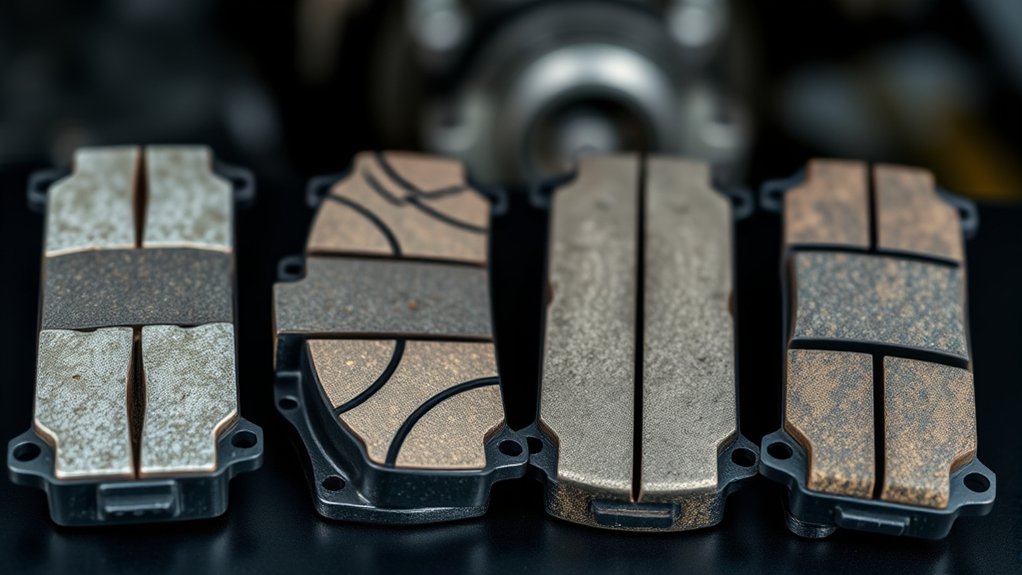
Ceramic pads offer quiet operation, low dust, and long life but come at a higher price. Semi-metallic pads deliver strong braking and heat tolerance, ideal for aggressive driving but produce more noise and dust. Organic pads are quieter and budget-friendly but wear faster.
Understanding these trade-offs helps you select pads that suit both performance needs and maintenance expectations. Explore how each type fits your daily driving and budget. Making an informed choice ensures reliable braking and satisfaction.
Key Takeaways
- Ceramic brake pads offer quiet operation, low dust, and long lifespan, making them ideal for everyday city driving and low maintenance.
- Semi-metallic pads provide strong braking performance and heat tolerance, best suited for aggressive or performance-oriented driving styles.
- Organic pads are quieter and gentler on rotors but wear faster and produce more dust, suitable for light, budget-conscious driving.
- High-performance carbon fiber or sintered pads excel under demanding conditions, delivering consistent braking for track or racing use.
- The best brake pad choice balances driving style, noise preference, cost, and durability while ensuring safety and vehicle compatibility.
How Brake Pads Work and Why They Matter
How exactly do brake pads stop your vehicle safely and efficiently? When you press the brake pedal, hydraulic pressure forces the brake pads against the rotor, creating friction that slows the wheels.
The effectiveness depends heavily on brake pad materials: organic, semi-metallic, or ceramic. Each offers different heat resistance and wear characteristics. Proper installation is critical; using correct installation tips like cleaning the caliper and rotor surfaces, applying brake grease on contact points, and torquing bolts to specification ensures consistent performance and prevents premature wear.
Understanding how brake pads convert kinetic energy into heat through friction helps you appreciate their role in vehicle safety. Prioritizing correct materials and following installation tips guarantees that your braking system operates reliably under various conditions.
Brake Pads: Choosing for Performance and Durability
You’ll want to compare material types like ceramic, semi-metallic, and organic to match your driving needs. Each material offers distinct benefits in terms of heat resistance, noise, and wear rates. Understanding these differences helps you select brake pads that balance performance with durability effectively.
Material Types Comparison
Brake pad materials directly influence your vehicle’s braking performance and longevity. Understanding the differences helps you choose the right option for your needs. Here’s a material comparison:
- Organic alternatives: Made from natural fibers and resins, they offer quieter braking and effective dust reduction but wear faster under heavy use.
- Semi-metallic: Contain metal fibers for durability and heat dissipation, providing strong braking but generate more noise and dust.
- Ceramic: Use ceramic fibers and filler, delivering excellent dust reduction, low noise, and consistent performance across temperatures.
- Low-metallic NAO: Combine organic compounds with small amounts of metal to improve braking responsiveness, with moderate dust and noise levels.
Each material balances braking power, noise, and dust, so select based on your driving style and environmental priorities.
Longevity and Performance
Choosing the right brake pad material sets the foundation, but understanding their longevity and performance under various conditions guarantees you make a well-informed decision. Brake pads must endure different driving maneuvers and weather effects, which significantly impact wear rates and stopping power.
For example, aggressive braking shortens pad life, while wet or cold conditions can reduce friction efficiency. Balancing durability and consistent performance is key.
| Brake Pad Type | Average Lifespan (miles) | Performance in Varied Conditions |
|---|---|---|
| Ceramic | 30,000 – 70,000 | Stable, low noise, less affected by weather effects |
| Semi-Metallic | 20,000 – 50,000 | High friction, handles aggressive driving maneuvers well |
| Organic | 15,000 – 30,000 | Quieter, but wears faster in harsh weather and driving |
Choose pads tailored to your driving style and environment for optimal results.
Organic vs. Ceramic vs. Semi-Metallic Brake Pads
You’ll encounter three main brake pad types: organic, ceramic, and semi-metallic, each with distinct material compositions affecting performance and durability. Organic pads offer quieter braking but wear faster, ceramic pads provide consistent performance with less dust, and semi-metallic pads excel in heat dissipation and longevity. Understanding their cost differences and maintenance needs will help you choose the best fit for your driving style and vehicle.
Material Composition Differences
How do the materials in your brake pads affect performance and durability? The composition directly impacts friction, heat dissipation, and rotor compatibility. Organic pads, made from fibers and resins, offer quiet operation but risk glazing failure under high heat.
Ceramic pads consist of dense ceramic fibers and fillers, providing stable friction and excellent rotor compatibility with minimal dust. Semi-metallic pads blend metals with organic compounds, delivering strong braking but can cause rotor wear.
Consider these material differences:
- Organic: softer, quieter, prone to glazing failure
- Ceramic: stable friction, low dust, compatible with most rotors
- Semi-metallic: high friction, durable, may increase rotor wear
- Heat management: varies by material affecting braking consistency
Knowing these distinctions helps you choose pads that suit your driving demands and rotor type.
Performance and Durability
Brake pads directly influence your vehicle’s stopping power and longevity, with each material offering distinct performance and durability characteristics. Organic pads provide low friction and operate quietly but wear faster due to limited heat dissipation, making them less durable under heavy use.
Ceramic pads excel in heat dissipation, maintaining consistent friction levels and reducing brake fade during intense braking, which enhances both performance and lifespan. Semi-metallic pads deliver superior heat dissipation and durability, with moderate friction levels, making them suitable for high-performance applications; however, they can produce more noise and wear rotors faster.
When choosing brake pads, consider how each type balances low friction, thermal management, and wear resistance to match your driving demands and ensure optimal stopping power without compromising durability.
Cost and Maintenance
What factors influence the overall cost and maintenance requirements of brake pads? You need to balance cost vs. longevity and noise vs. performance when choosing between organic, ceramic, and semi-metallic pads. Each type has distinct characteristics impacting your wallet and upkeep.
- Organic pads: Lower upfront cost but shorter lifespan, requiring more frequent replacements.
- Ceramic pads: Higher initial cost, but they last longer and produce less noise.
- Semi-metallic pads: Moderate cost with excellent stopping power but tend to be noisier and cause more rotor wear.
Maintenance: Ceramic pads demand less frequent service, while organic and semi-metallic types require regular inspections to prevent premature wear.
Understanding these trade-offs helps you select brake pads that align with your budget and driving needs.
Brake Pad Noise and Dust: What You Need to Know
Why do your brake pads sometimes produce annoying squeals or leave behind a layer of dust on your wheels? These issues stem from specific noise considerations and dust management challenges inherent to brake pad materials.
Metallic pads tend to generate more noise due to their rigid composition, while organic pads offer quieter operation but may produce more dust. Semi-metallic pads strike a balance but vary by manufacturer.
Dust forms as friction material wears during braking, and excessive dust can accumulate on wheels, affecting aesthetics and performance. To minimize noise, look for pads with built-in shims or damping layers.
For dust management, choose low-dust formulations often found in ceramic pads. Understanding these factors helps you select brake pads that maintain a quieter, cleaner braking experience without compromising safety or efficiency.
Which Brake Pads Work Best for Your Driving Style?
Managing noise and dust is just one part of choosing the right brake pads; matching them to your driving style ensures the best performance and longevity. Your pad selection should consider how you use your vehicle daily.
Choosing brake pads that suit your driving style enhances performance, safety, and longevity.
For instance, aggressive drivers need pads with higher friction coefficients for rapid deceleration, while city drivers benefit from quieter, low-dust pads. Here’s how to approach pad selection based on your driving style:
- Aggressive driving: Opt for semi-metallic or ceramic pads with high heat tolerance.
- City commuting: Choose ceramic pads for low noise and minimal dust.
- Performance driving: Consider carbon fiber or sintered pads for consistent braking.
- Light driving: Organic pads suffice, offering smooth braking and gentle wear.
Tailoring your brake pads to your driving style maximizes safety and extends pad life.
How Budget Affects Your Brake Pad Choices
How much you’re willing to spend directly influences the type and quality of brake pads you can choose. If budget constraints are a concern, you might lean toward organic or semi-metallic pads, which offer decent performance at a lower cost. However, these options typically wear faster and produce more dust.
When higher stopping power and durability are a budget priority, ceramic brake pads provide greater longevity and quieter operation, though they come at a premium price. Balancing your budget with performance needs requires evaluating your driving habits and vehicle demands.
You’ll want to avoid compromising safety by choosing overly cheap pads, but also consider long-term costs, as higher-quality pads may reduce wear on rotors and maintenance frequency, ultimately offering better value within your budget constraints.
Brake Pad Maintenance Tips to Last Longer
When should you inspect your brake pads to ensure maximum longevity? Regular checks every 10,000 miles or when you notice pad noise can prevent quick wear and costly repairs. Early detection of wear patterns helps maintain optimal braking performance.
To extend your brake pads’ lifespan, follow these maintenance tips:
- Monitor pad thickness; replace before it reaches 3mm to avoid damage.
- Clean calipers and sliders to prevent sticking, which causes uneven wear.
- Avoid hard braking and excessive heat buildup that accelerates pad degradation.
- Lubricate contact points with high-temperature brake grease to reduce noise and friction.
Frequently Asked Questions
How Do Brake Pads Affect ABS Performance?
You’ll notice that brake pad materials directly impact ABS performance by influencing friction consistency and heat dissipation. Using quality materials helps your ABS modulate braking effectively, preventing wheel lockup and maintaining optimal control during sudden stops.
Can Brake Pads Cause Vibration in the Steering Wheel?
Yes, brake pad materials can cause steering wheel vibration if unevenly worn or glazed. Implement noise mitigation strategies like selecting compatible compounds and maintaining rotors to minimize vibrations and assure smooth braking performance.
Are There Eco-Friendly Brake Pad Options Available?
Yes, you can find eco-friendly brakes made from sustainable materials like organic compounds and recycled fibers. These options reduce environmental impact while maintaining performance, letting you prioritize sustainability without compromising safety or braking efficiency.
How Do Brake Pads Perform in Extreme Weather Conditions?
Brake pads maintain consistent friction in extreme weather, but performance testing reveals reduced efficiency in freezing temperatures and heavy rain.
You’ll want pads with specialized compounds designed to resist moisture and temperature fluctuations for optimal safety.
What Are the Signs of Brake Pad Contamination?
Like a detective spotting clues, you’ll notice squealing noises and reduced braking efficiency as contaminant indicators.
Uneven brake pad wear and a burning smell also signal contamination, demanding prompt inspection to maintain optimal brake performance.
Conclusion
Choosing the best brake pads means balancing performance, durability, and comfort without breaking the bank. Whether you prefer the quiet confidence of ceramic, the sturdy reliability of semi-metallic, or the gentle touch of organic pads, your choice shapes your driving experience.
Keep in mind, regular maintenance helps your brake pads age gracefully, ensuring they keep you safe and in control. With the right selection and care, you’ll enjoy smooth stops and peace of mind every time you hit the brakes.
Ultimately, finding the best brake pads tailored to your needs will enhance your vehicle’s safety and performance, making every drive more confident and secure.