How to Drain Coolant
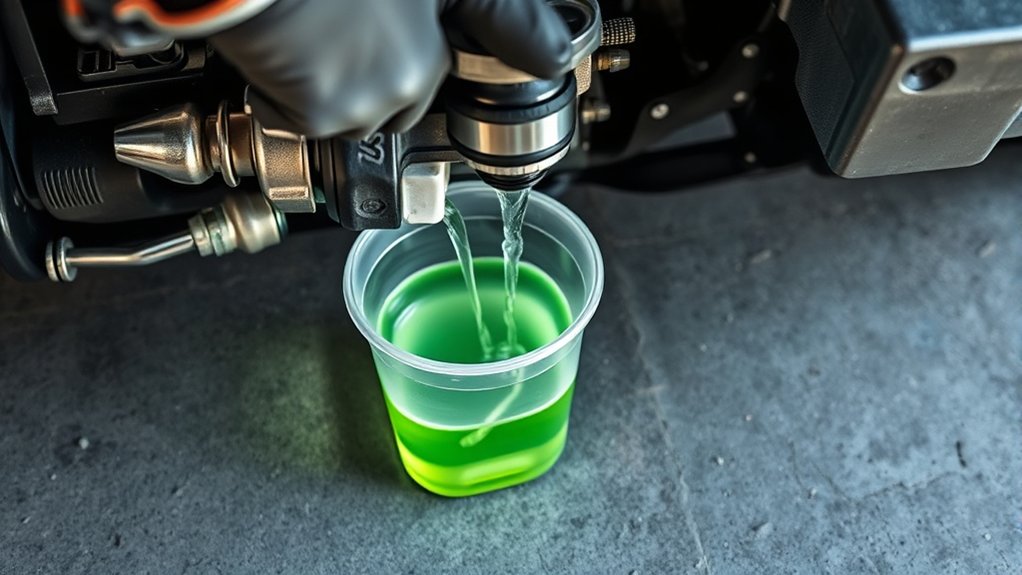
To drain your coolant, first ensure the engine is completely cool and wear protective gloves and goggles. Draining coolant safely is essential for maintaining your vehicle’s cooling system. Locate the radiator drain plug near the radiator’s bottom and place a drain pan underneath.
Open the radiator cap to release pressure, then slowly open the drain plug to let coolant flow out fully. Close the valve securely afterward. Safely dispose of the old coolant following local regulations.
Proper draining maintains engine heat efficiency and prevents corrosion. Understanding flushing, refilling, and bleeding steps will further optimize your cooling system.
Why You Should Drain Your Car’s Coolant Regularly
Regularly draining your car’s coolant prevents corrosion, removes contaminants, and maintains peak engine temperature. Over time, coolant degrades and accumulates debris, which compromises its effectiveness and can lead to overheating or engine damage.
Regularly draining coolant prevents corrosion, removes debris, and keeps your engine running at optimal temperature.
By flushing the system, you eliminate rust and scale buildup that impede heat transfer. Neglecting this process risks costly repairs unrelated topic1 or unrelated topic2, as corrosion can affect radiator and heater core performance.
You’ll also help preserve the coolant’s chemical balance, ensuring optimal freeze and boil protection. Draining and replacing coolant according to your manufacturer’s schedule sustains system reliability and efficiency.
In short, you protect your engine’s lifespan and maintain consistent operating temperatures by keeping the coolant fresh and free from contaminants.
Essential Tools for Draining Coolant Safely
What tools do you need to drain coolant safely and efficiently? Start with a quality tools catalog to select essential items: a drain pan to catch the old coolant, a set of wrenches or sockets to loosen drain plugs, and protective gloves resistant to coolant chemistry. You’ll also need safety goggles to protect your eyes from splashes.
A funnel helps when refilling, preventing spills. Consider a coolant tester to check the coolant’s condition before disposal. Avoid using tools that might react with the coolant’s chemical composition, as this can cause contamination or damage.
Having a proper tools catalog ensures you use equipment designed for automotive fluids, maintaining safety and efficiency throughout the draining process. These tools keep you protected and help you handle coolant disposal responsibly.
Finding the Radiator Drain Plug and Coolant Reservoir
Once you have gathered the proper tools, locate the radiator drain plug and coolant reservoir to begin the draining process. Start by identifying the radiator drain plug, typically found at the radiator’s bottom. Refer to your vehicle’s manual for exact placement.
Next, find the coolant reservoir, usually a translucent tank near the radiator, marked with minimum and maximum levels. Pay attention to radiator color codes; they indicate the appropriate coolant type and help in finding coolant chemistry details essential for compatibility.
Use these tips:
- Check the radiator’s underside for the drain plug valve.
- Inspect the coolant reservoir cap for color-coded labels.
- Consult the owner’s manual for specific coolant chemistry.
- Use color codes to avoid mixing incompatible coolants.
This ensures a precise coolant drain without system damage.
Preparing Your Vehicle for Coolant Draining
Before draining coolant, ensure the engine is completely cool to prevent burns or pressure release. Follow a safety checklist: wear gloves, eye protection, and work in a well-ventilated area. Confirm your tools and containers are ready to catch and dispose of the old coolant properly.
Safety Precautions Checklist
Why should you prioritize safety when draining coolant? Handling coolant involves risks like burns, toxic exposure, and environmental hazards. Ignoring safety can lead to injury or damage, making unrelated topic conversations or random discussion distractions dangerous.
Stay focused and follow this checklist to protect yourself and your vehicle:
- Wear gloves and safety goggles to prevent skin and eye contact.
- Ensure the engine is off and cool to avoid burns from hot coolant.
- Work in a well-ventilated area to avoid inhaling fumes.
- Use proper containers to catch and dispose of coolant safely, preventing spills.
Engine Cool Down
Protecting yourself during coolant draining starts with ensuring the engine has fully cooled down. Hot coolant can cause severe burns, so wait at least 1-2 hours after engine shutdown before proceeding.
Follow radiator fan guidelines closely; fans may continue running for several minutes post-shutdown, so avoid contact during this time. Before draining, check if coolant additives are present, as these can affect coolant disposal methods and may require special handling.
Use gloves and eye protection throughout the process. Confirm the engine temperature gauge reads ambient levels to verify cooling.
Proper cool down not only safeguards you but also prevents damage to internal engine components and cooling system seals. This step is essential to maintain system integrity and ensure safe, effective coolant draining.
How to Drain Coolant From Your Radiator Step-By-Step
How exactly do you drain coolant from your radiator without causing spills or damage? Start by ensuring the engine is completely cool to prevent hot coolant sculpture and avoid thermostat gossip that could mislead you about temperature. Follow these precise steps:
Place a drain pan beneath the radiator’s drain valve (petcock).
Open the radiator cap to release pressure.
Slowly open the drain valve and let coolant flow out completely.
Close the valve securely once draining finishes to prevent leaks.
This method controls coolant flow and avoids contamination or spills. Remember, the radiator houses the bulk of the coolant, so draining it first simplifies system flushing. Stay organized to prevent cross-contamination, and dispose of used coolant responsibly to protect the environment.
Draining Coolant From the Engine Block and Heater Core
Begin by locating the engine block drain plugs and heater core hoses to access residual coolant trapped beyond the radiator. Use a wrench to carefully open the drain plugs, allowing coolant to flow out completely.
Next, disconnect the heater core hoses at the firewall, placing a catch pan underneath to collect any escaping fluid. This two word discussion idea1 ensures you remove all coolant, preventing contamination or overheating.
After draining, flush the engine block and heater core with distilled water to eliminate deposits and debris, supporting optimal system performance. Reconnect hoses securely to avoid leaks.
This two word discussion idea2 emphasizes maintaining a closed, leak-free cooling system. Always wear gloves and eye protection during this process to safeguard against harmful chemicals and hot fluids.
How to Safely Dispose of Old Coolant
Dispose of old coolant responsibly to prevent environmental contamination and comply with local regulations. Before handling, ensure you have proper safety training focused on chemical handling to minimize exposure risks. Avoid pouring coolant down drains or onto soil, as ethylene glycol and other additives are toxic to wildlife and water sources.
Follow these key steps to dispose of used coolant safely:
- Collect coolant in a sealed, labeled container resistant to chemical corrosion.
- Transport the container to an authorized recycling or hazardous waste facility.
- Wear appropriate personal protective equipment (PPE) during handling and transfer.
- Keep disposal records to demonstrate regulatory compliance and proper waste management.
Adhering to these protocols protects the environment and ensures you meet legal safety standards.
Flush vs. Drain Coolant: When to Choose Which
When should you flush your coolant system instead of simply draining the old coolant? Choose a flush over a drain when the coolant chemistry has degraded due to contamination, rust, or sediment buildup. Draining removes the old fluid but leaves residues and deposits that affect cooling efficiency.
Flushing, by contrast, uses a chemical or water-based solution to clean internal passages, restoring optimal heat transfer and preventing corrosion. If your coolant shows discoloration, foul smell, or your vehicle has overheating issues, flushing is necessary.
In routine maintenance with clean, properly mixed coolant, a drain suffices. Understanding the drain vs flush distinction helps maintain system integrity and prolongs radiator and engine life by ensuring the coolant chemistry remains balanced and effective.
Common Mistakes When Draining Coolant and How to Avoid Them
How often do mistakes during coolant draining lead to costly repairs or inefficient cooling? Avoiding common pitfalls is critical. Many errors stem from mixing incompatible topics, such as confusing coolant types or neglecting system specifics, and focusing on unrelated concerns that don’t affect the draining process.
To prevent these issues, keep these points in mind:
- Always use the correct coolant type for your vehicle; mixing incompatible coolants can cause damage.
- Ensure the engine is cool before draining to avoid burns and pressure-related spills.
- Fully open the drain valve or petcock to empty all old coolant; partial draining leaves contaminants.
- Properly dispose of drained coolant per local regulations to prevent environmental harm.
Stay precise and focused on these technical steps to maintain your cooling system’s efficiency.
Refilling and Bleeding Your Cooling System After Draining
After draining the old coolant, you’ll need to refill your cooling system with the correct mixture and then bleed any trapped air to ensure optimal performance. Begin by using a 50/50 mix of coolant and distilled water unless your vehicle manufacturer specifies otherwise.
Pour the mixture slowly to prevent introducing air pockets, which can impair cooling efficiency. Use a funnel to maintain drainage aesthetics and avoid spills. Once filled, start the engine with the radiator cap off, allowing the thermostat to open and coolant to circulate.
Monitor for air bubbles escaping, signaling trapped air being purged. Squeeze radiator hoses gently to release hidden pockets. Proper bleeding prevents overheating and corrosion.
Finally, securely close the system and dispose of drained coolant responsibly, adhering to coolant recycling guidelines to protect the environment.
Frequently Asked Questions
What Type of Coolant Is Best for My Vehicle?
You should choose coolant based on your vehicle’s specifications, focusing on understanding coolant chemistry to prevent corrosion and overheating.
Follow your maintenance scheduling precisely to ensure optimal performance and longevity of your cooling system components.
How Often Should I Change My Coolant Completely?
If you spot external leaks or odd thermostat behavior, change your coolant immediately. Otherwise, replace it every 2-4 years to prevent damage from degraded coolant lifespan, especially in an old radiator prone to corrosion and clogs.
Can I Mix Different Brands or Types of Coolant?
You shouldn’t mix different coolant brands or types due to mixing compatibility issues; incompatible chemicals can cause sealant effects that damage your engine seals.
Always use the manufacturer’s recommended coolant to ensure optimal performance and protection.
What Are the Symptoms of Low Coolant Levels?
If your engine’s running hot like a kettle about to whistle, you’ve got low coolant. Watch for overheating risks, steam from the radiator, temperature gauge spikes, and heater malfunctions. These signal you need to check your coolant levels immediately.
Is It Safe to Drive Immediately After Refilling Coolant?
It isn’t safe driving immediately after refilling coolant until the system is properly bled of air pockets.
Ensure coolant safety by running the engine, checking for leaks, and confirming temperature stability before safe driving.