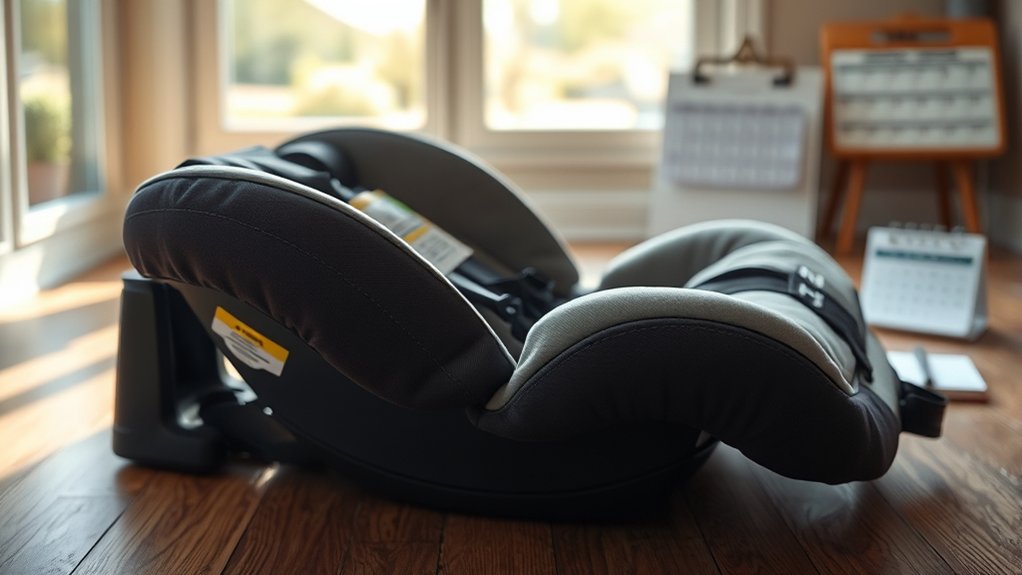
How Long Is a Car Seat Good for
You should use your car seat only within its six to ten-year lifespan, depending on the brand and model.
How long is a car seat good for? Even if it looks fine, materials weaken over time and can fail during a crash.
Check the manufacturer’s label or manual for the exact expiration date, and never use a seat past that point. Be mindful of factors like heat, accidents, and wear that shorten its safe use.
Keep informed to ensure your child’s safety and learn how to handle worn seats properly.
How Long Do Car Seats Typically Last
How long do car seats typically last before you need to replace them? Most car seats have a lifespan ranging from six to ten years, depending on the brand and model.
Car seats generally last between six and ten years, varying by brand and model.
This timeframe aligns closely with car seat warranties, which usually cover defects but not wear from regular use. You should always check the manufacturer’s label for the exact expiration date.
Material durability plays a crucial role; over time, plastics can weaken, and straps may fray or lose elasticity, compromising safety. Even if a car seat looks fine, aging materials can fail during a crash.
Avoid using seats past their expiration, and never buy used seats without verifying their history. Staying aware of your car seat’s lifespan ensures your child’s protection remains uncompromised.
How Car Seat Safety Rules Have Changed Over Time
Since car seat technology and research have advanced considerably over the years, safety regulations have evolved to match new findings and improve child protection. You need to understand how seat belts and airbag timing now play a crucial role in safeguarding young passengers.
Child passenger laws have become stricter, mandating age- and size-appropriate restraint systems. For example, booster seat guidelines now recommend children remain in boosters longer to ensure proper seat belt fit.
Additionally, airbag timing adjustments help reduce risks to children during collisions. These updates reflect a clear shift toward enhanced safety, emphasizing the importance of following current regulations rather than older standards.
Staying informed on these changes ensures you provide the safest environment for your child every time they ride in a car.
Key Factors That Shorten a Car Seat’s Lifespan
What factors can substantially reduce the lifespan of your child’s car seat? Exposure to extreme temperatures, frequent use, and improper installation are major contributors. Harsh sunlight can weaken plastic components, while repeated installation and removal may strain buckles and straps.
Accidents or impacts, even minor ones, can compromise structural integrity, serving as critical lifespan indicators you shouldn’t ignore. Additionally, spills or exposure to moisture can degrade fabric and padding, affecting safety performance.
Using aftermarket accessories not approved by the manufacturer also risks voiding warranties and shortening car seat longevity. To maintain safety, regularly inspect your car seat for visible wear, cracks, or fraying.
Understanding these factors helps you make informed decisions about when to replace your child’s car seat.
How to Find Your Car Seat’s Expiration Date
Where can you locate the expiration date on your car seat? Typically, the expiration date is stamped or printed on a label attached to the car seat’s shell, often near the base or under the seat.
For expiration date discovery, check the manufacturer’s label, which may include the manufacture date and recommended lifespan, usually ranging from 6 to 10 years. If you can’t find a clear expiration date, consult the user manual or the manufacturer’s website by entering your car seat’s model number.
Understanding this is crucial for assessing car seat longevity and ensuring your child’s safety. Keep in mind that exposure to sunlight, accidents, and general wear can impact the timeline, so always rely on the official expiration date rather than guesswork.
Why You Should Never Use an Expired Car Seat
Why risk your child’s safety by using an expired car seat? Over time, the materials in an expired car seat degrade, compromising its ability to protect your child in a crash. You also miss out on important recall alerts, which manufacturers issue to fix safety defects.
Using an expired car seat means:
- Reduced structural integrity due to worn plastic and fabric
- Increased risk of failure during impact because of outdated safety standards
- No guarantee that recall alerts or repairs apply to expired models
Your child’s safety depends on a car seat that meets current regulations and remains structurally sound. Don’t gamble with an expired car seat. It’s a critical safety device, not a convenience. Always prioritize a seat verified to be within its usable lifespan and free from outstanding recall issues.
Recognizing When to Replace Your Car Seat
You need to replace your car seat once it reaches its expiration date, as materials weaken over time. Inspect your seat regularly for visible damage like cracks or frayed straps that compromise safety. Also, stay updated on manufacturer recalls to ensure your seat meets current safety standards.
Expiration Dates Matter
How can you be sure your car seat still offers the protection your child needs? Expiration dates matter more than some think, despite common expiration myths and lifespan myths. Car seats aren’t designed to last forever; materials degrade and safety standards evolve.
You must check the expiration date, usually found on a label or molded into the plastic shell. Ignoring this can compromise safety.
Remember these points about expiration dates:
- Car seats typically expire 6 to 10 years after manufacture.
- Using an expired seat means missing out on current safety improvements.
- Expiration dates consider material wear, crash history, and regulations.
When your seat expires, replace it even if it looks fine. Trusting expiration dates ensures your child rides with the best protection available.
Visible Damage Signs
Beyond checking expiration dates, inspecting your car seat for visible damage plays a vital role in maintaining safety. You should look for cracks, frayed straps, or broken buckles. Even small signs of wear can compromise protection in a crash.
Visible damage often signals the need for immediate replacement. While recalls and safety alerts are essential, visible damage is a direct indicator that your seat might not perform as intended.
| Visible Damage Sign | Potential Risk | Action Needed |
|---|---|---|
| Cracked plastic | Structural failure | Replace immediately |
| Frayed straps | Reduced restraint | Replace or repair if possible |
| Broken buckles | Insecure fastening | Replace |
| Missing parts | Compromised safety | Replace |
Stay vigilant and prioritize visible damage over minor concerns to keep your child safe.
Manufacturer Recall Alerts
When should you replace your car seat due to manufacturer recall alerts? It’s essential to act immediately once you receive recall alerts or manufacturer notices. These alerts indicate potential safety defects that could compromise your child’s protection.
Don’t ignore them. Follow the instructions carefully. Here’s what you need to do:
- Check the car seat’s model number against recall alerts on official safety websites.
- Register your car seat with the manufacturer to receive timely recall notices.
- If your seat is recalled, stop using it and contact the manufacturer for repair, replacement, or refund options.
Safe Disposal Tips for Old Car Seats
When disposing of your old car seat, make sure to remove any personal information from labels or registration stickers. Look for local recycling programs that accept car seats to reduce landfill waste. To prevent hazards, disable the seat by cutting the straps and padding so no one can reuse it improperly.
Removing Personal Information
A essential step in disposing of an old car seat is removing all personal information to protect your privacy. Ensuring data privacy aligns with disposal ethics, preventing misuse of your details. Before you part with the seat, follow these key steps:
Remove any labels or stickers containing your name, address, or registration numbers. Erase or obscure barcodes and serial numbers linked to your purchase or warranty. Detach any paperwork stored in the seat’s pockets or compartments.
Recycling Options Available
After removing your personal information, the next step is to explore safe and responsible ways to dispose of your old car seat. Start by checking local recycling programs, as many communities offer specialized services for bulky plastic items like car seats. These programs ensure materials are broken down and reused properly, reducing environmental impact.
Additionally, some retailers provide return to store takebacks, where you can bring your expired car seat back to the store for proper disposal or recycling. Contact manufacturers or local waste management to confirm if they participate.
Avoid simply tossing the seat in regular trash, as this contributes to landfill waste and misses recycling opportunities. By using these recycling programs and takeback options, you responsibly dispose of your car seat while supporting environmental sustainability.
Preventing Reuse Hazards
Why does properly disposing of an old car seat matter beyond recycling? It’s essential for preventing reuse hazards that could compromise child safety. When car seats exceed their lifespan, structural integrity weakens, posing significant safety caveats if reused.
To prevent reuse, take these steps:
- Remove and cut straps: This disables the seat’s functionality, making it unusable.
- Mark the seat clearly: Write “Expired” or “Do Not Use” in bold letters on the shell.
- Dispose through approved channels: Use designated drop-offs or recycling centers to ensure proper handling.
Frequently Asked Questions
Can I Transfer My Car Seat Between Different Vehicles?
You can transfer your car seat between vehicles, but you must follow transferability rules and ensure vehicle compatibility. Always check manufacturer guidelines to confirm proper installation, maintain safety standards, and avoid risking your child’s protection during travel.
How Do I Properly Clean and Maintain a Car Seat?
You should follow a regular cleaning routine, removing covers for washing per manufacturer instructions. Stick to a maintenance schedule by checking straps, buckles, and shell integrity to assure safety and prolong your car seat’s lifespan effectively.
Are Secondhand Car Seats Safe to Use?
Secondhand car seats can be ticking time bombs if you don’t check secondhand safety and seat expiration dates. You must verify no crashes, recalls, or wear compromise protection, ensuring your child’s safety isn’t just luck or chance.
What Are the Best Car Seat Brands for Safety?
You’ll find the best brands with top safety ratings include Graco, Britax, Chicco, and Evenflo. They consistently perform well in crash tests, offer advanced protection features, and prioritize secure installation for your child’s safety.
How Do I Install a Car Seat Correctly?
You install a car seat correctly by following the manufacturer’s manual, avoiding accidental rethreading, and ensuring tight, secure attachments.
Perform incorrect installation checks, like verifying harness tightness and proper angle, to keep your child safe every ride.