Can You Install a Tonneau Cover With a Bedliner
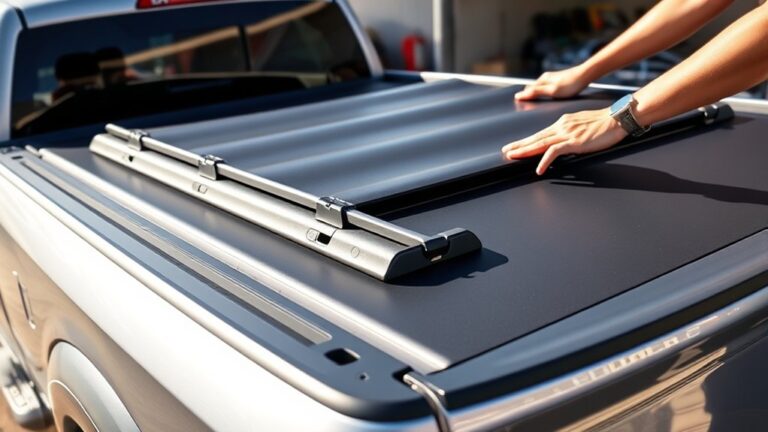
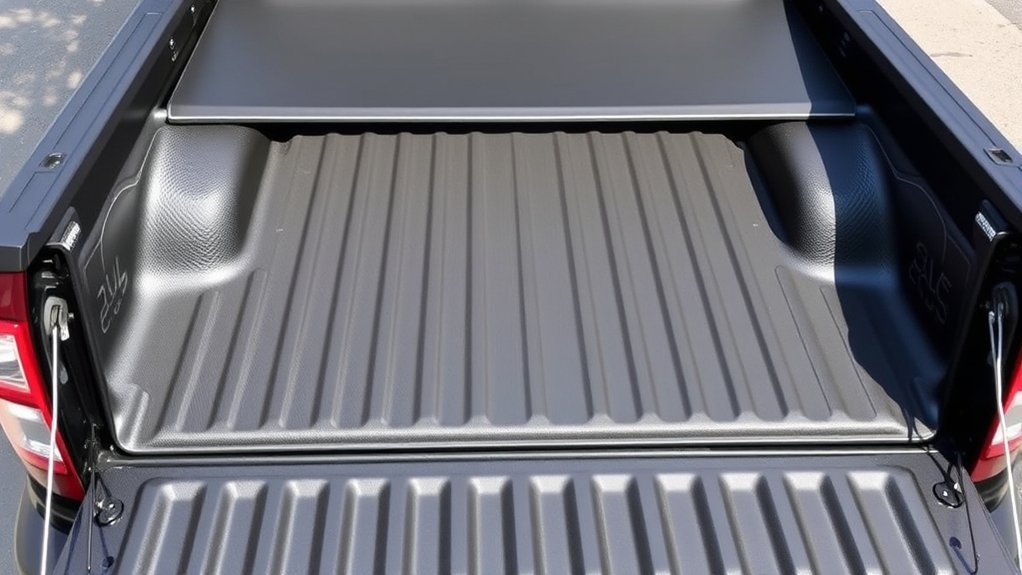
You can install a tonneau cover with a bedliner, but it’s important to consider the type of bedliner and mounting compatibility carefully. Spray-on liners work best with flexible clamp-on covers since they maintain the bed’s dimensions and allow for a secure grip.
Drop-in liners may cause fit issues due to their bulk and uneven surfaces, often requiring adjustable hardware to accommodate the cover properly. Always check for proper clearance and seal integrity to avoid interference or damage.
By exploring these factors, you can select the right cover and installation method for your truck bed, ensuring a secure and functional setup.
Can You Install a Tonneau Cover Over a Bedliner? What You Need to Know
When installing a tonneau cover over a bedliner, what key factors should you consider to ensure a proper fit and secure attachment? You need to evaluate the bedliner’s thickness and edge contours because they directly affect mounting compatibility.
Measure precisely to avoid interference with the clamps or rails, ensuring the cover seals correctly without gaps. Focus on mounting points specific to your truck model, as some bedliners alter the original mounting surfaces.
Avoid irrelevant subtopic concerns like unrelated two word discussion ideas that don’t impact installation. Also, check if the tonneau cover’s hardware accommodates the added height or texture of the bedliner.
How Bedliner Types Impact Your Tonneau Cover Fit
How do different bedliner types affect the fit of your tonneau cover? Bedliner coatings, such as spray-on, drop-in, and roll-on, create varying surface textures and thicknesses that directly influence tonneau cover installation.
Spray-on bedliners produce a thin, uniform layer, preserving your truck bed’s original dimensions and allowing a snug tonneau fit. Drop-in liners add more bulk and uneven surfaces, potentially causing gaps or misalignment with the tonneau rails.
Roll-on coatings vary but often increase bed thickness slightly, requiring adjustments during installation. These differences impact not only the mechanical fit but also tonneau aesthetics; a thick or uneven coating can disrupt the cover’s sleek appearance.
Understanding your bedliner type ensures you anticipate fit challenges and maintain both functionality and visual appeal.
Which Tonneau Covers Work Best With Bedliners
When choosing a tonneau cover for your bedliner, you’ll want to contemplate how spray-on liners affect fit and attachment points. Clamp-on covers often provide a secure installation without damaging the liner’s surface. Additionally, weighing the benefits of soft versus hard covers can help you select the best match for durability and ease of use.
Compatibility With Spray-On Liners
Which tonneau covers pair best with spray-on bedliners to ensure proper fit and durability? You’ll want to focus on covers designed with flexible mounting systems that accommodate the textured, uneven surface of spray-on liners.
Soft roll-up and tri-fold covers often work best, as they conform well without interfering with tailgate alignment. Hard folding covers can also be compatible, but only if they include adjustable clamps or brackets that avoid damaging the liner’s paint protection.
Avoid rigid covers that require drilling or heavy compression, as they risk compromising the liner’s integrity. Properly matched covers maintain a watertight seal and preserve the bedliner’s protective properties. Checking manufacturer specifications for liner compatibility ensures you pick a cover that balances durability with functional fit.
Clamp-On Cover Advantages
Tonneau covers with clamp-on mounting systems offer distinct advantages for trucks equipped with bedliners, especially spray-on types. You’ll appreciate the clamp on benefits, as these covers don’t require drilling or permanent modifications to the bed, preserving your liner’s integrity.
The clamps grip the bedrail securely, providing a reliable hold even on textured surfaces common with spray-on liners. This method guarantees a secure mounting without compromising the bedliner’s protective qualities.
Additionally, clamp-on covers allow for easier installation and removal, giving you flexibility when you need full bed access. When selecting a clamp-on tonneau cover, ensure the clamps are compatible with your liner’s thickness and texture for optimal fit and security.
Soft Vs. Hard Covers
How do soft and hard covers compare in compatibility with bedliners? Soft tonneau covers generally offer more flexibility and fewer noninstallable restrictions when used with spray-in or drop-in bedliners. Their clamp-on or rail-mounted systems adapt well to the textured surfaces, ensuring secure attachment without damaging the liner.
Hard covers, however, often require precise measurements and may encounter unrelated themes like bedliner thickness affecting hinge operation or sealing integrity. Some hard covers can’t be installed directly over certain bedliners due to these constraints.
When selecting a cover, consider your bedliner type and check manufacturer specifications to avoid installation conflicts. Ultimately, soft covers tend to work best with most bedliners, while hard covers demand more careful evaluation to prevent noninstallable restrictions and maintain optimal performance.
Prepare Your Truck Bed for Tonneau Cover Installation
Where should you begin when preparing your truck bed for a tonneau cover installation? Start by thoroughly cleaning the bed to remove dirt, debris, and any residues that could obstruct mounting. Inspect your bedliner carefully. Ensure it’s compatible and doesn’t interfere with the cover’s attachment points. Avoid treating this as an unused topic or unrelated idea; preparation is critical. Next, measure precisely to confirm alignment.
| Step | Action | Emotion Evoked |
|---|---|---|
| Clean bed | Remove dust, grime, residues | Confidence |
| Inspect bedliner | Check compatibility, damage | Assurance |
| Measure | Verify dimensions accurately | Precision |
| Align mounting | Position brackets correctly | Control |
This methodical approach ensures a secure, professional installation without surprises.
Troubleshooting Tonneau Cover Installation With Bedliners
You might face fitment issues when installing a tonneau cover over certain bedliners, especially spray-on types that alter bed dimensions. To avoid gaps or misalignment, check compatibility between your bedliner and the cover’s mounting system before installation. Addressing these challenges early guarantees a secure, weather-tight seal for your tonneau cover.
Common Installation Challenges
Why do tonneau cover installations sometimes run into issues when combined with bedliners? Bedliners can alter the truck bed’s dimensions, causing fitment problems. Additionally, exposure to a dusty highway can cause debris to accumulate at the cover’s sealing points, compromising the seal.
Solar glare reflecting off the cover may also highlight misalignments or gaps.
| Challenge | Cause | Impact |
|---|---|---|
| Fitment Issues | Bedliner thickness | Incomplete closure |
| Seal Degradation | Dust and debris accumulation | Water ingress |
| Alignment Problems | Uneven bedliner surface | Increased wind noise |
| UV Reflection | Solar glare on cover edges | Visual inspection difficulty |
Anticipate these challenges to ensure a secure, functional tonneau cover installation.
Bedliner Compatibility Tips
How can you guarantee your tonneau cover fits perfectly when a bedliner is involved? First, verify the bedliner type, spray-on or drop-in, since each affects mounting differently.
Focus on tip alignment during installation; misaligned tips can cause gaps or stress points, compromising the seal and functionality. Use manufacturer-recommended hardware to prevent interference with the bedliner’s edges.
Check that your bedliner’s material warranty permits modifications or mounting attachments to avoid voiding coverage. If the bedliner has raised ribs or uneven surfaces, consider trimming or using spacer kits designed for tonneau covers to maintain flush contact.
Finally, always test-fit the cover before full installation to identify any clearance issues, ensuring a secure, precise fit without damaging either component.
How to Maintain Your Tonneau Cover and Bedliner Together
Although maintaining a tonneau cover and bedliner together requires consistent care, following proper cleaning and inspection routines will ensure both components function optimally. Establish a maintenance schedule that includes regular cleaning, ideally every two weeks, to prevent dirt buildup and potential abrasion.
Use mild soap and water with a soft cloth or sponge to clean the tonneau cover, avoiding harsh chemicals that can degrade materials. For the bedliner, rinse thoroughly and use a dedicated bedliner cleaner if needed, ensuring all debris is removed from seams and edges.
Inspect attachment points, seals, and fasteners during each cleaning to catch wear or damage early. Adhering to these cleaning routines and inspection steps helps maintain durability, prevents corrosion, and prolongs the lifespan of both your tonneau cover and bedliner.
Pros and Cons of Installing a Tonneau Cover Over a Bedliner
What benefits and drawbacks should you consider when installing a tonneau cover over a bedliner? On the plus side, a tonneau cover enhances security and improves aerodynamics, while the bedliner protects the truck bed from scratches and corrosion.
However, you must be cautious about incompatible coatings; some bedliners have chemical compositions that can interfere with the tonneau cover’s adhesive or mounting hardware. Additionally, drilling risks arise if your installation requires drilling into the bedliner or truck bed, potentially compromising the liner’s protective barrier and causing rust or damage.
To avoid these issues, ensure compatibility between the bedliner and tonneau cover materials and consider non-invasive mounting options. Balancing these factors will help you make an informed decision on installation.
Key Factors for Choosing the Right Tonneau Cover With a Bedliner
When selecting a tonneau cover to pair with your bedliner, you’ll need to contemplate compatibility, mounting style, and material durability carefully. First, ensure the cover’s mounting system aligns with your bedliner type, whether spray-on or drop-in, to prevent interference or damage.
Opt for materials resistant to abrasion, considering factors like tire tread debris or oil change spills that could degrade lesser covers. A low-profile, clamp-on design usually works best, avoiding drilling that might compromise the bedliner’s integrity.
Also, verify the cover seals effectively to prevent contaminants from accumulating between the cover and bedliner, which could cause corrosion or wear. By prioritizing these factors, you’ll achieve a secure, long-lasting fit that guards your truck bed while maintaining ease of use and protection against environmental stressors.
Frequently Asked Questions
Can a Tonneau Cover Improve My Truck’s Fuel Efficiency?
Yes, tonneau covers can improve your truck’s fuel economy by reducing aerodynamic drag. By streamlining airflow over the bed, they decrease turbulence, which in turn helps your truck use fuel more efficiently during highway driving.
Are Tonneau Covers Theft-Resistant?
Tonneau covers offer moderate theft resistance with built-in security features like lockable latches and reinforced materials. While they deter casual theft, you shouldn’t rely solely on them for high security. Additional measures enhance protection.
How Long Does a Typical Tonneau Cover Installation Take?
You’ll typically install a tonneau cover in 30 to 60 minutes, depending on install expansion and fitment compatibility.
Ensuring precise alignment and secure mounting points speeds up the process while maintaining optimal functionality and durability.
Do Tonneau Covers Affect Truck Bed Warranty?
Like Sherlock Holmes analyzing clues, you’ll find that most truck warranties remain intact with tone on tone installations. Just ensure bedliner compatibility. Improper fits might void coverage, so always confirm with your manufacturer before proceeding.
Can I Install a Tonneau Cover Myself or Need a Professional?
You can install a tonneau cover yourself by following detailed installation tips and ensuring you have the right tool requirements, like screwdrivers and wrenches. Precision and patience are key for a secure, professional-quality fit.
Conclusion
You can install a tonneau cover over a bedliner, but choosing the right cover type is essential. For example, if you have a thick spray-on liner, a soft roll-up cover with adjustable clamps works best to guarantee a secure fit without damaging the liner.
Preparing your truck bed properly and troubleshooting any fit issues upfront will save time and avoid costly mistakes. With careful planning and installation, you can ensure the cover fits perfectly.
With the right approach, you’ll protect your truck bed efficiently while maintaining functionality. Installing a tonneau cover with a bedliner is entirely possible when you select the appropriate cover and follow proper installation steps.