Can You Take a Soft Tonneau Cover Through a Carwash
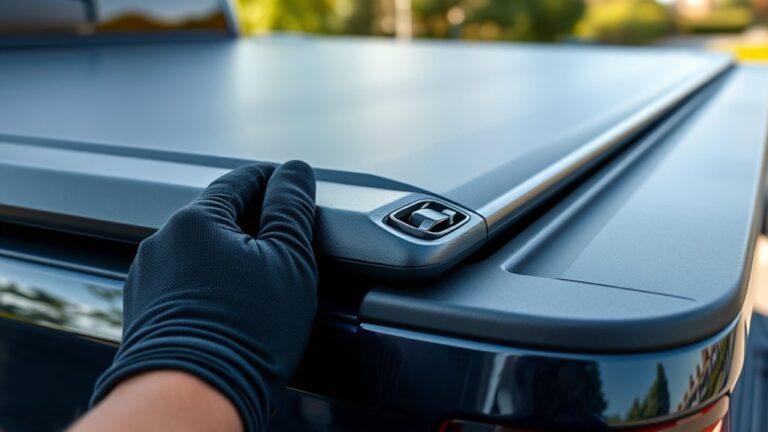
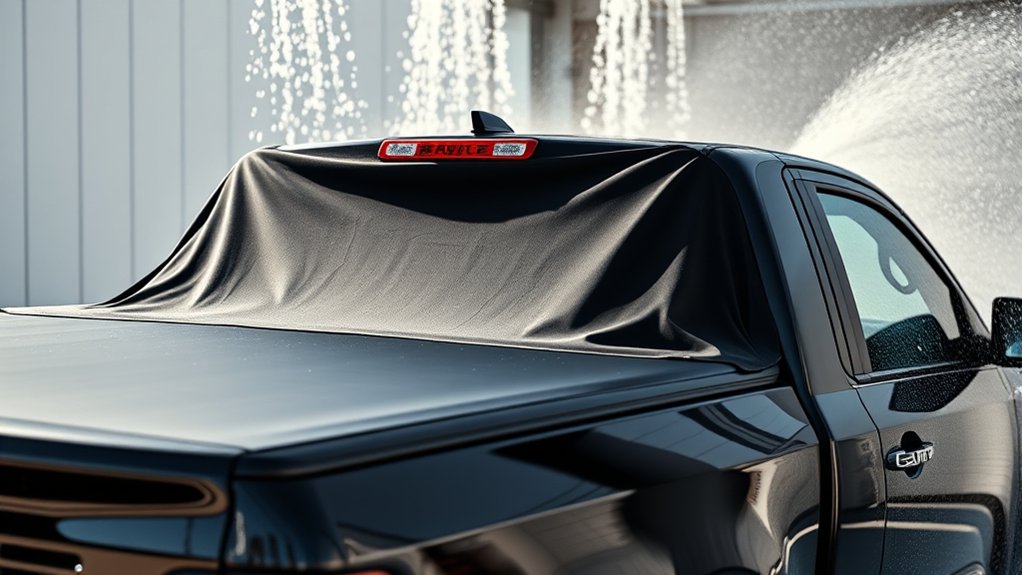
You can take a soft tonneau cover through a carwash, but you need to be careful. Automated carwash brushes and high-pressure water might damage the fabric or loosen fasteners. Always check your cover’s manufacturer guidelines and secure all fasteners before washing.
Touchless carwashes are safer since they avoid brush contact. For tough dirt or if the cover is loose or damaged, manual cleaning works best. Learn how to protect your cover and keep it lasting longer.
Is It Safe to Take a Soft Tonneau Cover Through a Carwash?
When considering whether you can take a soft tonneau cover through a carwash, safety is a key concern. You need to evaluate the carwash compatibility of your specific soft tonneau cover before proceeding.
Some soft tonneau covers are designed with durable materials that can handle automated washes, while others require more careful handling. Soft tonneau cautions include potential damage from brushes or aggressive cleaning agents, which might not be evident immediately but could reduce the cover’s lifespan.
Always check the manufacturer’s guidelines for your cover model to ensure it’s suitable for automated carwashes. Taking these precautions helps you avoid unexpected damage and maintain the cover’s functionality.
Ultimately, understanding your soft tonneau cover’s carwash compatibility is essential for safe cleaning.
What Risks Do Carwash Brushes and High-Pressure Water Pose?
How exactly do carwash brushes and high-pressure water affect your soft tonneau cover? The primary concern lies in the abrasive nature of carwash brushstrokes. These brushes, designed to clean vehicles thoroughly, can cause micro-abrasions on the fabric or vinyl surface of your cover, leading to premature wear or fading over time. Additionally, repeated exposure to these brushstrokes may loosen stitching or fasteners.
High pressure risk also plays a significant role. Powerful water jets can force water beneath the cover’s seams or around fasteners, potentially causing moisture buildup or damage to the underlying bed. This can promote mold or mildew growth and degrade materials.
Understanding these risks helps you decide whether to avoid certain carwash types or take protective measures for your soft tonneau cover’s longevity.
Which Soft Tonneau Covers Handle Carwashes Best?
Considering the potential damage from carwash brushes and high-pressure water, you might wonder which soft tonneau covers can better withstand these conditions. Covers made from high-quality soft fabric with tight weaves generally handle carwashes more effectively, as they resist snags and abrasions better than loosely woven materials.
Look for covers with durable stitching and reinforced edges to reduce wear from repeated exposure to brushes. Vinyl covers with proper vinyl care, including treatments that maintain flexibility and water resistance, also tend to perform well. However, some vinyl surfaces may be more prone to scratching if not properly maintained.
Ultimately, selecting a soft tonneau cover with robust materials and following recommended vinyl care ensures better durability when passing through automated carwashes without compromising the cover’s lifespan.
How Should You Prepare Your Soft Tonneau Cover Before a Carwash?
Before heading into a carwash, make sure you secure all the fasteners on your soft tonneau cover to prevent any loosening or damage. You should also remove any surface debris like leaves or dirt that could scratch the cover during the wash. Taking these steps helps protect your cover and guarantees a smoother cleaning process.
Secure All Fasteners
Why is it indispensable to secure all fasteners on your soft tonneau cover prior to a carwash? Properly fastening every clip, latch, and snap ensures the cover remains taut and in place during the wash cycle.
If any fastener is loose or undone, the cover can flap excessively, risking damage or detachment. Securing all fasteners also maintains the cover’s secure storage function, preventing water or debris from entering the truck bed.
Additionally, a tightly fastened cover preserves its weather resistance, shielding your cargo from moisture during the wash. Before entering the carwash, double-check every fastener to confirm it’s engaged.
This simple step safeguards both your tonneau cover and your truck, ensuring the cover performs optimally long after the wash.
Clean Surface Debris
Securing all fasteners keeps your soft tonneau cover stable, but you also need to address any surface debris before entering a carwash. Remove soft debris like leaves, dust, and dirt by gently brushing or rinsing the cover. This step is essential to avoid scratching or damaging the cover during washing.
Pay close attention to corners and seams where debris tends to accumulate. Ensuring your cover is free from loose particles helps maintain its surface protection and prevents abrasion from carwash brushes or high-pressure jets.
Taking this simple precaution not only preserves the cover’s appearance but also extends its lifespan. By preparing your soft tonneau cover this way, you reduce the risk of damage during automated carwash cycles and keep your truck bed secure and clean.
How to Clean Soft Tonneau Covers Safely
You should use gentle cleaning techniques to avoid damaging your soft tonneau cover’s material. Opt for mild soap and water or products specifically designed for vinyl or fabric covers. Avoid harsh chemicals and abrasive tools to keep the cover in good condition.
Gentle Cleaning Techniques
How can you maintain the appearance and durability of your soft tonneau cover without causing damage? First, avoid automated carwash risks, as harsh brushes and strong chemicals can degrade the fabric and stitching.
Instead, use gentle cleaning techniques like rinsing with water and applying mild soap with a soft cloth or sponge. Work in small sections, rinsing thoroughly to prevent soap residue buildup.
Regularly inspect your cover for dirt or debris, which can cause abrasion over time. These maintenance tips help preserve the material’s integrity and extend its lifespan.
After cleaning, let the cover air dry completely to prevent mold or mildew. By following these steps, you’ll keep your soft tonneau cover looking good and performing well without risking damage from aggressive cleaning methods.
Recommended Cleaning Products
Which cleaning products work best to keep your soft tonneau cover in top condition without causing damage? Avoid common carwash myths that suggest harsh detergents or automatic carwash soaps are safe for your cover.
Instead, choose mild, pH-balanced cleaners specifically formulated for vinyl or fabric tonneau covers. These products ensure product compatibility, preventing fading, cracking, or deterioration.
You can find sprays or foams designed to gently remove dirt and grime while maintaining flexibility. Avoid bleach, ammonia, or abrasive cleaners as they can harm the material.
After washing, apply a protectant recommended by the manufacturer to safeguard against UV rays and water damage. Using the right products helps extend your cover’s lifespan and keeps it looking clean without risking damage from incompatible chemicals or aggressive carwash methods.
When Should You Skip the Carwash and Clean Your Cover Manually?
When might it be better to skip the carwash and clean your soft tonneau cover by hand? If your cover shows stubborn stains, dirt buildup, or if you want to avoid potential damage from harsh brushes, manual cleaning is a safer carwash alternative. Also, avoid automatic washes if your cover isn’t securely fastened or if the carwash uses strong chemicals.
| Situation | Why Choose Manual Cleaning? |
|---|---|
| Heavy dirt or mud | Brushes may not remove all debris |
| Stains or spots | Targeted cleaning with proper products |
| Loose or damaged cover | Avoid further damage from carwash machinery |
| Sensitive fabric or paint | Prevent abrasive wear |
| Preference for gentle care | Control cleaning process and materials |
Manual cleaning lets you protect your cover and ensure thorough, gentle maintenance.
Tips to Extend the Life of Your Soft Tonneau Cover
Here is the original text repeated word-for-word, with only alternative words replacing the word “ensure” where it appears:
Why should you invest time in maintaining your soft tonneau cover? Proper care guarantees durability, preserves appearance, and prevents damage from environmental factors. To extend your cover’s life, focus on carwash safety and avoid brush risks that can scratch or tear the material.
Here are some essential tips:
- Opt for touchless carwashes to minimize contact with brushes that may harm the cover.
- Regularly clean debris and dirt using a soft cloth and mild soap to prevent buildup.
- Apply a UV protectant designed for vinyl or fabric covers to reduce sun damage.
- Confirm the cover is securely fastened to avoid flapping, which can cause wear and tear.
Following these practices helps maintain your soft tonneau cover’s functionality and appearance over time.
Frequently Asked Questions
Can a Soft Tonneau Cover Improve My Truck’s Fuel Efficiency?
Yes, a soft tonneau cover can improve your truck’s fuel efficiency by reducing aerodynamic drag. By streamlining airflow over the bed, it helps you save fuel, especially at highway speeds, without adding much weight.
How Do Soft Tonneau Covers Affect Truck Bed Storage Capacity?
Soft cover storage slightly limits your truck bed space impact by reducing vertical clearance, but it still protects items from weather and theft.
You’ll lose some height but retain full horizontal bed space for most cargo.
Are Soft Tonneau Covers Compatible With Bed Liners?
Like peanut butter and jelly, soft tonneau covers and bed liners often pair well, enhancing storage capacity, fuel efficiency, and security. Just ensure materials and locking mechanisms suit each other for optimal bed liner compatibility and protection.
Can Soft Tonneau Covers Be Locked for Added Security?
Yes, you can enhance soft security by using locking mechanisms designed for soft tonneau covers. These locks secure the cover to your truck bed, deterring theft and protecting your cargo effectively.
What Materials Are Soft Tonneau Covers Typically Made From?
Soft tonneau covers are typically made from soft materials like vinyl or fabric blends. You’ll appreciate their fabric durability, designed to withstand weather while providing flexibility and lightweight protection for your truck bed.
Conclusion
You can take a soft tonneau cover through a carwash, but you need to be cautious. For example, Jake noticed his cover’s fabric frayed after several automatic washes with harsh brushes. To avoid this, prepare your cover by securing it tightly and choose touchless carwashes when possible.
If your cover’s material is delicate, hand washing is safer. Taking these steps helps protect your cover, extending its life without sacrificing convenience.
In conclusion, you can take a soft tonneau cover through a carwash, but proper care and choosing the right type of carwash are essential to maintain its condition.