How Often to Change Coolant
You should change your vehicle’s coolant every 30,000 to 60,000 miles or every 2 to 5 years, following manufacturer recommendations. Regular coolant changes are essential because the coolant’s chemical balance prevents corrosion, rust, and overheating by protecting metal surfaces and maintaining proper engine temperature.
Factors like coolant type, driving habits, and environmental conditions influence how often you’ll need a change. Monitoring coolant color and clarity will help detect issues early.
Understanding these details ensures your cooling system stays efficient and reliable longer.
How Coolant Protects Your Engine
A vehicle’s coolant plays a critical role in regulating engine temperature by absorbing excess heat and preventing overheating. When you understand coolant chemistry, you realize it’s more than just water mixed with antifreeze. It contains additives that inhibit corrosion and scale buildup inside the engine and radiator.
These additives maintain corrosion protection by forming a thin protective layer on metal surfaces, preventing rust and mineral deposits that degrade engine components over time. Without this chemical balance, your engine’s cooling system would deteriorate faster, leading to leaks or blockages.
How Often Should You Change Coolant for Your Vehicle?
Maintaining the proper chemical balance in your coolant is key to protecting your engine, but over time, these protective additives degrade and lose effectiveness. To ensure optimal performance, you should adhere to the manufacturer’s recommended change interval, which typically ranges from 30,000 to 60,000 miles or every 2 to 5 years.
Different coolant brands offer varying formulations, some designed for extended intervals, so always consult your vehicle’s manual and product specifications. Using the correct coolant type and changing it within the specified interval prevents corrosion, overheating, and system failures.
Monitor coolant quality and top off with compatible fluids as needed between changes. Sticking to precise change intervals tailored to your vehicle and coolant brand maximizes engine longevity and maintains the cooling system’s efficiency.
Key Factors That Influence Coolant Change Intervals
How do various factors determine the ideal interval for changing your vehicle’s coolant? Primarily, coolant chemistry plays a crucial role. Different formulations use varying base fluids and additive packages, influencing longevity and efficiency. For example, organic acid technology (OAT) coolants tend to last longer than inorganic additive technology (IAT) types.
Additionally, the concentration and effectiveness of corrosion inhibitors directly affect how well the coolant protects metal components from rust and degradation over time. Environmental conditions, such as extreme temperatures and driving habits, also impact coolant stability. Frequent short trips or heavy loads accelerate coolant breakdown.
Therefore, understanding your coolant’s specific chemistry and the status of its corrosion inhibitors helps you determine an optimal change interval, ensuring sustained engine protection and preventing premature system failure.
Signs Your Coolant Needs Changing
You should inspect your coolant regularly for color changes, such as a shift to rusty or murky hues, which indicate contamination or degradation. Pay close attention to engine temperature gauges and warning lights, as frequent overheating signals that your coolant’s effectiveness is compromised. Recognizing these signs early helps prevent severe engine damage and guarantees optimal cooling system performance.
Coolant Color Changes
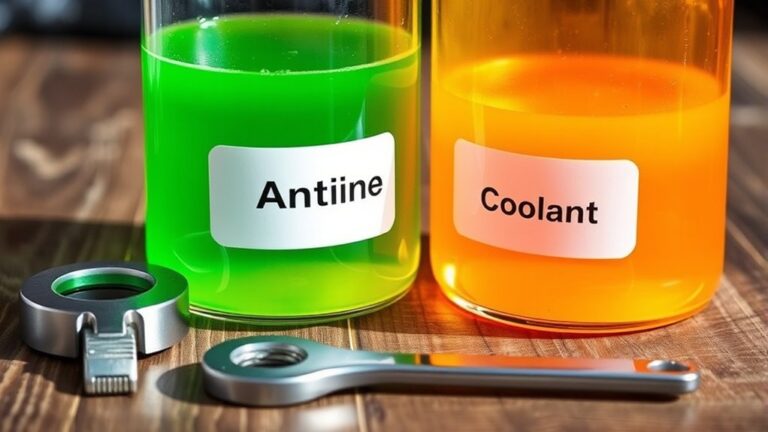
Frequently, the color of your vehicle’s coolant serves as a clear indicator of its condition and effectiveness. Over time, coolant color changes can signal degradation, contamination, or chemical breakdown.
You should monitor for shifts from the original hue, as incompatible color mixing due to poor color compatibility can cause sludge formation and reduce corrosion protection. Additionally, the dye longevity varies by coolant type; faded or discolored coolant often means the additives have depleted, compromising heat transfer and rust inhibition.
If you notice a murky, rusty, or oily appearance, it’s a sign the coolant’s chemical balance is off. Regularly checking coolant color helps you maintain optimal engine performance and avoid costly repairs.
Always use the manufacturer-recommended coolant to ensure proper color compatibility and maximize dye longevity.
Engine Overheating Signs
When does your engine start showing signs of overheating, indicating that the coolant may need changing? Pay close attention to sudden temperature gauge spikes, steam from the hood, or a burning smell. These are clear technical indicators.
Don’t fall for common overheating myths, like only high temperatures causing damage; subtle signs matter too. Listen for unusual radiator noises such as hissing or gurgling, which often signal trapped air or coolant degradation.
These noises can mean your coolant has lost its anti-corrosive properties or is contaminated, reducing its efficiency. If you notice inconsistent heater performance or coolant leaks, these also hint at coolant issues.
Regularly checking these signs helps prevent engine damage and ensures your cooling system operates optimal. Changing coolant promptly when these symptoms arise is crucial for engine health.
Checking Your Coolant at Home
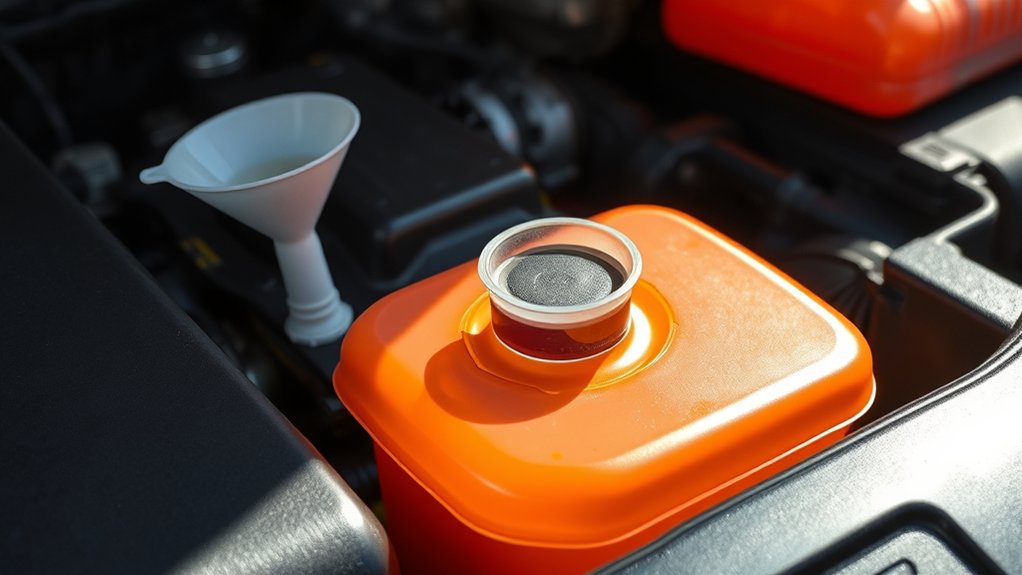
You should start by locating the coolant reservoir and checking the fluid level against the marked indicators to ensure it’s within the recommended range. Next, inspect the coolant’s color and clarity—fresh coolant is typically bright and translucent, while contaminated fluid may appear rusty or cloudy. Regularly performing these checks helps you identify potential issues before they escalate.
Checking Coolant Levels
How do you accurately check your vehicle’s coolant level at home? First, ensure the engine is cool to avoid pressurized spray. Locate the coolant reservoir, which features reservoir tapering, its shape narrows to indicate minimum and maximum levels.
Inspect the fluid against these marks; the coolant should be between the low and high indicators. If the level is low, add the recommended coolant mixture. Avoid opening the radiator cap when hot, as this can cause injury.
For precise coolant testing, use a hydrometer or test strips to assess the coolant’s freeze and boil points and chemical balance. Regularly monitoring coolant levels and performing coolant testing helps maintain optimal engine temperature and prevents overheating or corrosion, preserving your vehicle’s cooling system integrity.
Inspecting Coolant Condition
After confirming your coolant level falls within the recommended range, the next step involves inspecting the coolant’s condition to ensure it maintains its protective properties. Avoid insufficient detail or unrelated topics; focus strictly on the coolant’s clarity, color, and contamination. Use a clean container if you must extract coolant for closer examination.
Check the following:
- Color Consistency: Should align with manufacturer specifications; significant darkening or rust signals degradation.
- Clarity: Coolant must be transparent without cloudiness or particles.
- Presence of Oil: Milky appearance indicates possible engine oil contamination.
- Sediment or Debris: Solid particles suggest internal corrosion or gasket failure.
Regularly inspecting these factors helps prevent overheating and corrosion, ensuring your cooling system functions optimally and extends coolant life.
Tips for Safely Changing and Disposing of Coolant
When performing a coolant change, what safety measures should you prioritize to protect yourself and the environment? Begin with a thorough risk assessment: identify potential hazards such as hot coolant, chemical exposure, and spills.
Always wear gloves and eye protection to prevent skin and eye contact. Ensure the engine is cool before draining to avoid burns. Use a drain pan to collect used coolant, preventing environmental contamination.
For disposal safety, store the coolant in a sealed, clearly labeled container. Never pour coolant down drains or onto the ground; instead, deliver it to authorized recycling or hazardous waste facilities.
Clean any spills immediately with absorbent materials and dispose of them properly. Following these steps minimizes personal injury risks and ensures environmentally responsible coolant handling.
Frequently Asked Questions
Can You Mix Different Types of Coolant Safely?
If you mix ethylene glycol with propylene glycol coolant without checking compatibility, you risk corrosion. When learning how to mix coolant, always prioritize safety considerations by consulting manufacturer guidelines.
This helps avoid engine damage and maintain effective cooling.
What Are the Environmental Impacts of Coolant Disposal?
You face significant environmental risks if you dispose of coolant improperly, as it contains toxic chemicals. Use approved disposal methods, like recycling centers, to prevent soil and water contamination and guarantee compliance with hazardous waste regulations.
How Does Coolant Affect Heater Performance?
Imagine driving through winter with sluggish heat; coolant viscosity effects directly impact heater performance implications. When coolant thickens, it reduces flow, impairing heat transfer and causing your vehicle’s heater to underperform, leaving you cold and uncomfortable inside.
Are There Any Health Risks From Coolant Exposure?
Yes, coolant exposure poses health risks like skin irritation, respiratory issues, and poisoning. You should follow handling precautions, such as wearing gloves and working in ventilated areas, to minimize exposure risks and protect your health effectively.
Can Coolant Prevent Engine Overheating in Extreme Climates?
Yes, coolant prevents engine overheating in extreme climates by maintaining temperature stability. Ensure coolant compatibility with your vehicle and consider extreme climate factors like freezing or boiling points.
This helps optimize engine cooling performance effectively.