
How to Remove Tonneau Cover Clips
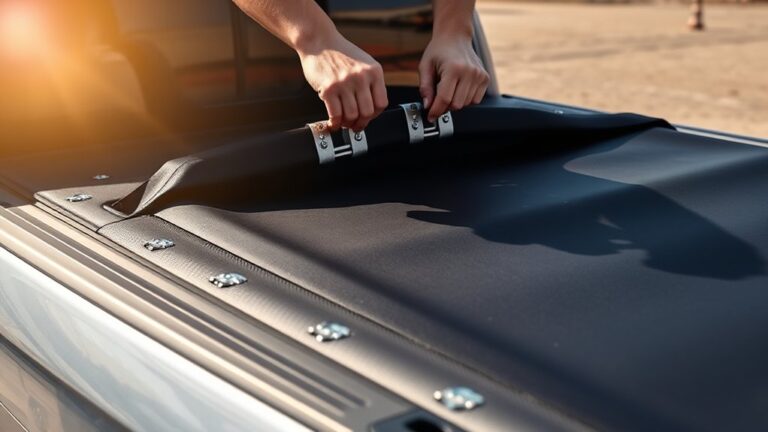
To remove your tonneau cover clips, first identify the clip type—snap, clamp, or Velcro-based. This initial step ensures you use the correct removal method for your specific clips. Gather the right tools like a flathead screwdriver, plastic trim removers, and lubricant spray.
Apply gentle, steady pressure using the appropriate tools to avoid damaging the clips or mounting surfaces. Work carefully, focusing on one clip at a time to maintain control and prevent any unintended damage. Protect the surrounding areas during this process to keep your vehicle’s finish intact.
After removal, inspect the clips for any wear or damage and clean the area thoroughly. This preparation helps ensure proper reinstallation and extends the lifespan of your tonneau cover. Following these basics helps you tackle the process efficiently and prepares you for detailed steps ahead.
Recognize Your Tonneau Cover Clip Type
How do you identify the type of clip securing your tonneau cover? Start by closely inspecting the attachment points along the bed rails. Clip identification hinges on shape, size, and mechanism. Common types include snap clips, clamp clips, and Velcro-based fasteners.
Snap clips often feature a rigid plastic or metal body that snaps into place, while clamp clips use a tightening mechanism to secure the cover. Velcro alternatives rely on adhesive strips for attachment. Take note of visible screws, levers, or hooks, as these indicate specific clip models.
Understanding your clip type is vital before attempting removal or replacement. If your clip looks worn or incompatible, consider clip alternatives designed for your tonneau model. Accurate clip identification streamlines maintenance and prevents damage during removal.
Tools Needed to Remove Tonneau Cover Clips
Which tools do you need to remove tonneau cover clips efficiently? Selecting tools compatible with the clip types and fastener design ensures proper removal techniques without damaging the mounting hardware or weather stripping. Consider tools that facilitate clip reinsertion and respect torque specs when reassembling.
Essential tools include:
- Flathead screwdriver: Ideal for prying clips gently without tearing weather stripping.
- Socket wrench set: Matches mounting hardware torque specs for bolts or nuts.
- Plastic trim removal tools: Prevent damage to fasteners and surrounding surfaces.
- Lubricant spray: Loosens stubborn clips, easing removal and reducing breakage risk.
Using these tools correctly enhances efficiency and maintains clip integrity for future use.
How to Remove Tonneau Cover Clips Safely
Before removing tonneau cover clips, make sure you have the right tools at hand, such as a flathead screwdriver or plastic trim removal tools, to avoid damaging the clips or mounting surfaces. Identify the clip types used on your cover, whether push-in, screw, or snap clips, since each requires a specific removal approach.
Use tools designed for trim removal to maintain tool safety and protect both the clips and the truck bed. Apply gentle, steady pressure to pry clips loose without forcing them, which can cause breakage.
Keep your hands clear of sharp edges, and wear gloves if necessary. Working methodically, remove clips one at a time to ensure you maintain control and avoid stripping or deforming mounting points.
Tips to Avoid Damage When Removing Tonneau Cover Clips
Why risk damaging your tonneau cover clips when simple precautions can prevent it? Different clip types require specific handling to avoid breakage or deformation. Follow these safety tips to keep your clips intact:
Identify your clip types before removal to apply the correct technique. Use appropriate tools matched to the clip’s design to reduce stress and slippage.
Apply steady, controlled force rather than sudden jerks to prevent cracks or bends. Protect surrounding surfaces with cloth or tape to avoid scratches during removal.
Next Steps After Removing Tonneau Cover Clips
After carefully removing your tonneau cover clips without causing damage, you can proceed to inspect and clean both the clips and their mounting areas. Begin the cleanup steps by wiping away dirt, debris, and any lubricant residues using a soft cloth and mild detergent.
Carefully remove tonneau cover clips before inspecting and cleaning with a soft cloth and mild detergent.
Check clips for cracks or wear that might affect performance. For mounting surfaces, ensure no rust or corrosion persists, treating these spots as needed.
If you plan to reuse the clips, store them in a dry, labeled container. For damaged or worn clips, explore proper disposal options: recycling metal components if applicable or following local waste regulations for plastic parts.
Maintaining cleanliness and handling disposal responsibly extends the lifespan of your tonneau cover system and supports environmental care.
Frequently Asked Questions
Can I Replace Tonneau Cover Clips With Aftermarket Options?
You can replace tonneau cover clips with aftermarket options, but ensure replacement clips offer proper aftermarket compatibility.
Consider weather impact on materials and increase inspection frequency to prevent premature wear or failure in varying conditions.
How Often Should Tonneau Cover Clips Be Inspected or Replaced?
You should perform clip inspection every 3-6 months to ensure secure fastening. Replace clips immediately if you notice wear, cracks, or loss of tension to maintain optimal tonneau cover performance and prevent potential damage.
Do Tonneau Cover Clips Affect My Truck’s Fuel Efficiency?
Think of your truck slicing through air. Tonneau cover clips with poor clip durability increase wind resistance, reducing fuel efficiency. Keeping clips sturdy ensures less drag, helping you save fuel while cruising down the highway efficiently.
Are There Specific Brands Known for Durable Tonneau Cover Clips?
You’ll find durable clips from brands like BAK, Tyger Auto, and Lund. These aftermarket options offer robust materials and secure fittings, ensuring longevity and reliable performance for your tonneau cover under various conditions.
Can Weather Conditions Damage Tonneau Cover Clips Over Time?
Yes, weather exposure can degrade tonneau cover clips by causing material fatigue and corrosion. You’ll notice mounting tension decreases over time, leading to loose fits and potential clip failure if not regularly inspected and maintained.
Conclusion
Now that you know how to remove tonneau cover clips safely, remember, “measure twice, cut once.” Take your time identifying clip types and using the right tools to avoid damage.
With patience and precision, you’ll protect your truck bed and cover during removal. Afterward, follow the next steps to ensure everything stays in top shape.
Stay careful, work smart, and your tonneau cover clips will serve you well for years to come.