Can Car Oil Go Bad
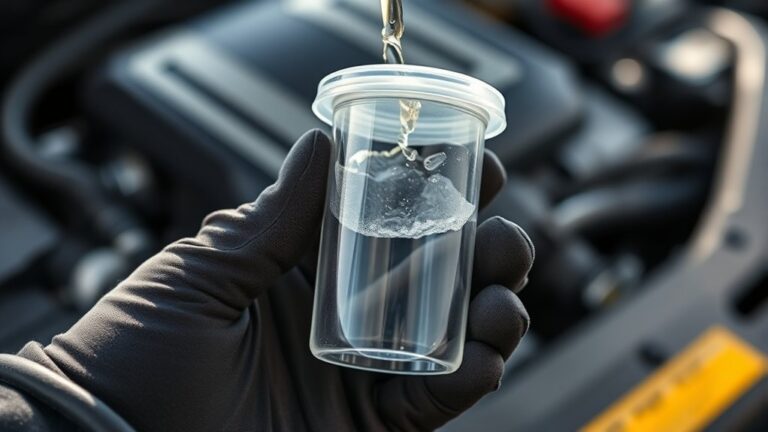
Yes, car oil can go bad as it degrades from heat, contamination, and chemical breakdown, reducing its viscosity and protective properties. This lowers your engine’s lubrication efficiency, leading to increased wear, corrosion, and sludge buildup.
Synthetic oils last longer than conventional ones but still need timely changes based on driving conditions and manufacturer guidelines. Using old oil risks severe engine damage and costly repairs.
Keep following to understand how to safeguard your engine’s oil health effectively.
Can Car Oil Go Bad? What You Should Know
How long can car oil last before it degrades? Typically, engine oil can maintain its protective properties for about 5,000 to 10,000 miles, depending on driving conditions and oil quality.
Over time, oil degrades due to thermal breakdown and contamination, leading to fuel dilution, a process where unburned fuel mixes with the oil, reducing its viscosity and lubrication efficiency.
If you ignore oil degradation, irreversible corrosion can occur inside the engine, damaging metal surfaces and components. You should regularly check and replace your oil based on manufacturer recommendations or oil analysis results.
Proper maintenance prevents the oil from losing its additives, which are essential to protecting your engine against wear and corrosion. Staying proactive ensures your oil performs optimally, safeguarding engine longevity.
How Degraded Oil Harms Your Engine
Why does degraded oil pose a serious threat to your engine’s health? When oil breaks down, its viscosity changes, reducing its ability to lubricate critical engine parts effectively. This compromises performance and accelerates wear.
Degraded oil loses viscosity, hindering lubrication and speeding up engine wear and performance issues.
Here’s how degraded oil harms your engine:
- Loss of optimal oil viscosity, leading to increased friction and metal-to-metal contact
- Reduced capacity to suspend contaminants, causing sludge buildup
- Impaired oil recycling efficiency within the engine, resulting in poor heat dissipation
- Diminished protection against corrosion and component wear
Using oil that’s past its prime doesn’t just degrade engine efficiency; it risks costly damages. Regular oil changes ensure the oil maintains its protective properties, preserving your engine’s longevity and reliability.
How Heat, Moisture, and Dirt Damage Engine Oil
You’ll find that high heat breaks down oil’s molecular structure, reducing its ability to lubricate effectively. Moisture contamination leads to sludge formation and corrosion inside your engine. Dirt and particles act like abrasives, accelerating wear and damaging critical components.
Effects Of High Heat
What happens to engine oil when it’s exposed to high heat? Excessive temperatures accelerate oil degradation, undermining its protective functions. High heat causes the oil’s molecular structure to break down, leading to viscosity loss and reduced lubrication efficiency. This isn’t an irrelevant topic or unrelated concept; it’s central to oil performance.
You’ll notice these specific effects:
- Oxidation accelerates, forming sludge and varnish deposits
- Additives deplete faster, weakening anti-wear and anti-corrosion properties
- Increased oil volatility causes evaporation, reducing oil volume
- Thickening or thinning of oil disrupts engine component protection
Understanding these impacts helps you recognize why maintaining proper oil temperature is critical. Ignoring this can cause premature engine wear and costly repairs, so always monitor and manage your engine’s heat exposure.
Moisture Contamination Risks
High engine temperatures don’t just break down oil molecules; they also create conditions that encourage moisture buildup inside your engine. When water vapor condenses, it mixes with your engine oil, altering its oil chemistry and reducing its lubricating efficiency.
This moisture accelerates oxidation and can lead to sludge formation, which compromises engine performance. Different oil brands handle moisture contamination variably, so brand comparisons are crucial when selecting oil with additives designed to resist water emulsification and maintain stability under thermal stress.
You should monitor your oil condition regularly, especially if you frequently drive short distances or in cold climates where moisture doesn’t evaporate effectively. Preventing moisture contamination helps preserve oil integrity, ensuring optimal engine protection and prolonging oil change intervals.
Dirt And Particle Damage
How exactly do dirt and particles accelerate engine oil degradation? When dirt particles enter the oil, they act as abrasives, increasing wear on engine components and speeding up oil breakdown. Heat effects amplify this process by oxidizing the oil, which reduces its lubricating properties.
Moisture contamination further compromises oil stability, causing sludge and corrosion that degrade oil performance. Together, these factors cause rapid oil degradation.
Consider these impacts:
- Dirt particles cause mechanical abrasion, damaging engine parts.
- Heat effects accelerate oil oxidation, thinning the oil.
- Moisture contamination promotes sludge formation and corrosion.
- Contaminants reduce oil’s ability to lubricate and protect.
To maintain oil integrity, keep contaminants out and monitor oil condition regularly.
How Oil Additives Help Keep Your Engine Running
Why do oil additives matter for your engine’s performance? Additives enhance oil chemistry by improving viscosity stability and reducing oxidation, which prevents sludge buildup and extends oil life. They also include detergents that keep engine surfaces clean by neutralizing acids formed during combustion.
Moreover, additives improve coolant compatibility, ensuring the oil doesn’t negatively interact with the engine’s cooling system. This balance prevents corrosion and maintains optimal heat transfer, safeguarding engine components.
Without these additives, you’d face increased wear, overheating risks, and decreased lubrication efficiency. Understanding how additives optimize oil chemistry and maintain coolant compatibility helps you appreciate their crucial role in preventing engine damage and prolonging oil effectiveness.
Using quality oil with proper additives ensures your engine runs smoothly under various conditions.
What Are the Signs You Need an Oil Change?
When should you change your car’s oil to maintain optimal engine performance? Recognizing the signs is crucial to prevent compromised engine scavenging and wear. You need an oil change if you notice:
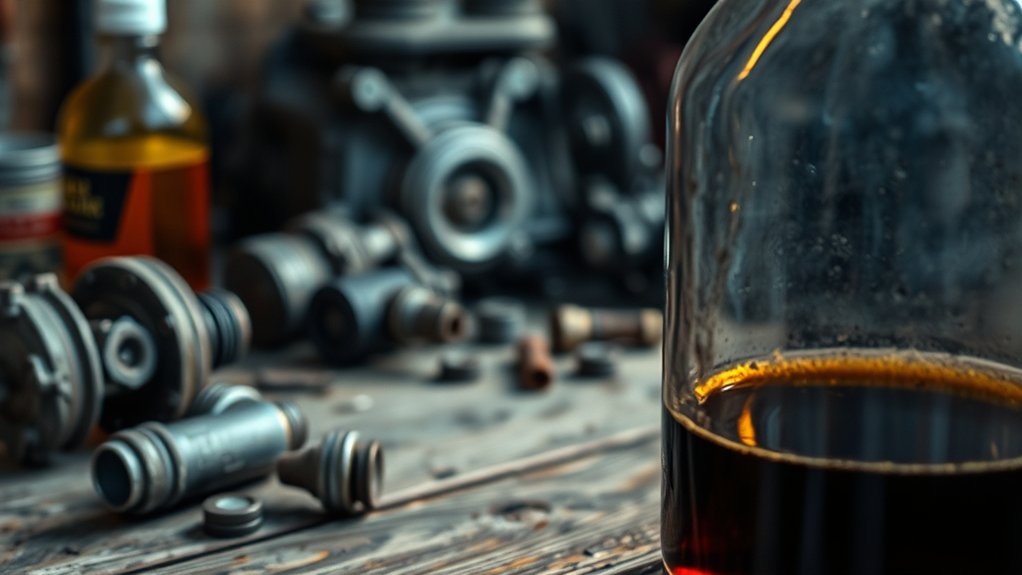
- Dark, dirty oil on the dipstick, indicating contamination and reduced lubrication efficiency.
- Engine noise or knocking, signaling insufficient oil film protecting moving parts.
- Decreased fuel efficiency, often caused by increased engine friction due to degraded oil.
- Oil change warning light on your dashboard, triggered by sensors monitoring oil quality and pressure.
Ignoring these signs leads to poor engine scavenging, increased deposits, and potential damage. Regularly checking oil condition and responding to these indicators ensures your engine runs smoothly and extends its lifespan.
How Long Does Synthetic vs. Conventional Oil Last?
You’ll find synthetic oil generally lasts longer than conventional oil due to its refined molecular structure. Synthetic oil can maintain its protective properties for up to 7,500 to 10,000 miles, while conventional oil typically requires changing every 3,000 to 5,000 miles. Understanding these differences helps you optimize your vehicle’s maintenance schedule effectively.
Synthetic Oil Lifespan
How long can synthetic oil effectively protect your engine compared to conventional oil? Synthetic oil is engineered with advanced additives and uniform molecular structures that provide extended protection under harsh conditions. Unlike unused subtopic idea one, synthetic oil resists breakdown, oxidation, and sludge formation longer than conventional oils.
Key factors affecting synthetic oil lifespan include engine operating temperature and driving conditions, oil formulation and additive package quality, manufacturer’s recommended oil change intervals, and storage conditions, avoiding extreme heat or contamination.
Typically, synthetic oil lasts between 7,500 to 15,000 miles or 6 to 12 months, depending on use. This contrasts sharply with unrelated subtopic idea two, conventional oil’s shorter effective period. By understanding synthetic oil’s durability, you can optimize maintenance schedules and ensure reliable engine performance.
Conventional Oil Durability
What determines the durability of conventional oil compared to synthetic? Primarily, it’s the formulation and additives. Conventional oil types are refined from crude oil, containing fewer advanced additives than synthetic oils.
While fuel additives enhance engine performance and cleanliness, they don’t considerably extend conventional oil’s lifespan. Typically, conventional oil lasts about 3,000 to 5,000 miles, whereas synthetic oil endures 7,500 to 15,000 miles due to superior chemical stability and enhanced additive packages.
Synthetic oil resists oxidation and thermal breakdown better, maintaining viscosity longer under stress. If you use conventional oil, you’ll need more frequent changes to prevent sludge buildup and maintain engine protection.
Understanding these differences helps you schedule oil changes effectively, ensuring optimal engine longevity and performance.
How Often Should You Change Your Engine Oil?
When should you change your engine oil to keep your vehicle running at peak performance? The answer depends on factors like oil type, driving conditions, and manufacturer recommendations. Oil change intervals vary, but understanding synthetic durability helps you optimize timing.
Knowing when to change your engine oil depends on oil type, driving habits, and manufacturer guidelines.
Consider these key points:
- Synthetic oils offer extended durability, often lasting 7,500 to 15,000 miles.
- Conventional oils typically require changes every 3,000 to 5,000 miles.
- Severe driving conditions, such as frequent short trips, towing, or extreme temperatures, shorten oil life.
- Always consult your vehicle’s owner manual for manufacturer-specific oil change intervals.
Why Using Old Oil Could Harm Your Engine
Why should you avoid running your engine on old oil? Over time, engine oil degrades, losing its viscosity and additives that prevent wear, corrosion, and sludge buildup.
When you use old oil, it no longer lubricates effectively, increasing friction and causing premature component wear. Contaminants like dirt and metal particles accumulate, further stressing the engine.
Considering irrelevant topics such as unrelated concepts like fuel type or tire pressure won’t mitigate these risks. Engine oil’s condition directly impacts performance and longevity, so relying on outdated oil compromises engine health.
Neglecting timely oil changes can lead to overheating, reduced efficiency, and costly repairs. Staying focused on oil quality and replacement intervals ensures your engine runs smoothly and avoids damage caused by degraded lubrication.
Tips to Extend the Life of Your Car’s Engine Oil
How can you maximize the lifespan of your car’s engine oil to maintain top-tier engine performance? Proper oil storage and minimizing contamination sources are essential. Store oil in a cool, dry place with the container tightly sealed to prevent moisture and dirt ingress.
Avoid exposing oil to air, sunlight, or extreme temperatures, which accelerate degradation.
Follow these tips to extend engine oil life:
- Use a clean funnel and container to prevent contamination sources during oil changes.
- Replace oil filters regularly to reduce particulate buildup.
- Avoid short trips that prevent oil from reaching operating temperature, which impairs contaminant removal.
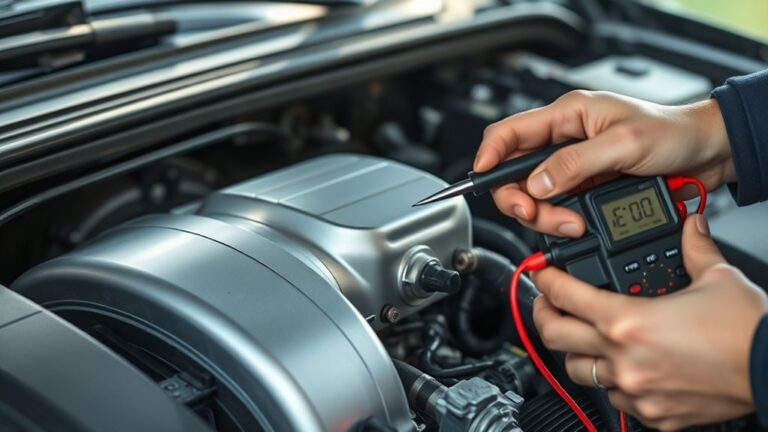
- Monitor oil condition through periodic analysis or visual checks for discoloration or sludge.
Adhering to these practices preserves oil properties, ensuring engine protection and longevity.
Frequently Asked Questions
Can Old Engine Oil Be Recycled or Reused Safely?
Yes, you can recycle old engine oil safely by taking it to certified recycling centers. However, reusing it isn’t recommended due to contamination risks.
Always follow proper disposal considerations to ensure recycling safety and protect the environment.
How Should You Store Spare Engine Oil Properly?
You should store spare engine oil in airtight, sealed storage containers to prevent contamination. Always label containers with purchase date and oil type for tracking.
Keep them in a cool, dry place away from direct sunlight and heat.
What Types of Oil Are Best for Extreme Weather Conditions?
Like a warrior’s armor, synthetic oils with extreme viscosity and high temp additives protect your engine in harsh climates.
You’ll want multi-grade oils designed specifically for extreme weather to ensure optimal performance and durability.
Does Engine Oil Quality Differ by Car Brand or Model?
Yes, engine oil quality can differ by car brand or model due to oil branding and brand compatibility. You need to choose oils meeting specific manufacturer standards to ensure optimal performance and protect your engine effectively.
Can Mixing Different Brands or Types of Oil Cause Damage?
Don’t put all your eggs in one basket; mixing different oil brands or types can risk oil compatibility and harmful additive interactions.
You should always check manufacturer specs to avoid engine damage and maintain optimal lubrication performance.
Conclusion
You shouldn’t underestimate how quickly car oil can go bad, especially when exposed to heat, moisture, and dirt. Using degraded oil is like playing with fire—it can cause serious engine damage.
Regularly checking for signs of wear and following recommended change intervals for synthetic or conventional oil keeps your engine running smoothly. Stay proactive, and you’ll extend your engine’s life while avoiding costly repairs down the road.
Remember, understanding that car oil can go bad is key to maintaining your vehicle’s performance and longevity.