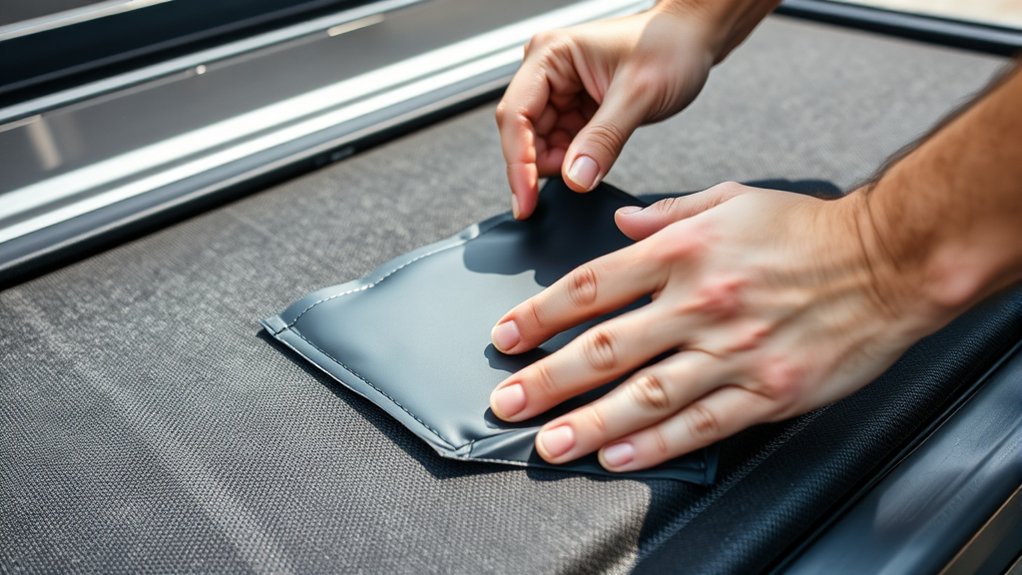
How to Patch a Tonneau Cover
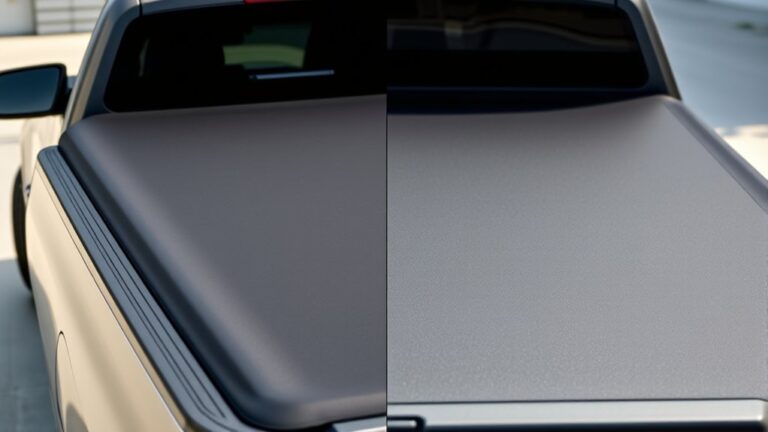
To patch your tonneau cover, first identify any cracks or tears and match the patch material to your cover type, such as vinyl or fabric. Properly patching a tonneau cover ensures a durable and watertight repair.
Clean the damaged area thoroughly to ensure strong adhesion, using mild soap and wiping away debris. Cut a patch slightly larger than the damage with rounded edges, apply waterproof adhesive evenly, and press firmly to avoid bubbles.
Let it cure fully, then inspect regularly for wear. Keep following these steps for a durable, watertight repair.
Identify Damage to Your Tonneau Cover
How do you know when your tonneau cover needs patching? Start by identifying wear such as cracks, tears, or holes that compromise waterproofing and security. Inspect seams and edges where stress is highest; these areas often show early signs of damage.
Use adequate lighting and a magnifying glass if necessary to detect small punctures or abrasions. Once you’ve identified wear, assess the material type—vinyl, canvas, or leather—since this influences patch materials selection.
Choose patches compatible with your cover’s material to ensure adhesion and durability. Avoid generic tapes or materials that might cause further deterioration. Proper identification of damage and informed patch materials selection are critical to restoring your tonneau cover’s functionality and extending its lifespan.
Gather Materials for Patching Your Tonneau Cover
Before you begin patching your tonneau cover, gather all necessary materials to ensure a smooth repair process. You’ll need to focus on sourcing supplies that match your cover’s specifications and durability requirements.
Gather all essential materials before patching to ensure a smooth, durable repair for your tonneau cover.
- Patch material: Select a vinyl or fabric patch compatible with your tonneau cover to guarantee adhesion and flexibility.
- Adhesive: Choose a waterproof, heavy-duty adhesive designed for outdoor fabrics to secure the patch firmly.
- Tools: Have scissors, a roller or squeegee for applying pressure, and cleaning wipes ready to handle the patch application efficiently.
Clean and Prepare the Tonneau Cover Surface
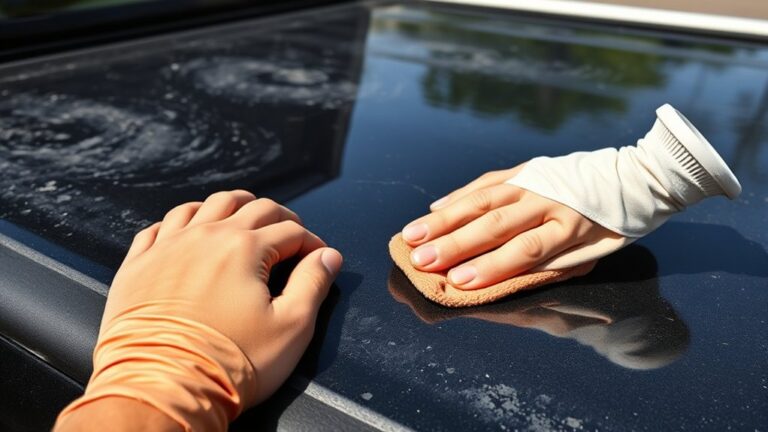
Why is surface preparation critical when patching your tonneau cover? Proper cleaning ensures optimal adhesion and durability of the patch. Before applying the patch, use techniques brainstorming to select a cleaning method that removes dirt, oils, and residues effectively. Product evaluation helps you choose appropriate cleaners that won’t degrade the cover material.
Follow these steps to prepare the surface precisely:
| Step | Purpose |
|---|---|
| Remove Debris | Prevents adhesion failure |
| Clean with Mild Soap | Eliminates oils and grime |
| Rinse Thoroughly | Removes soap residues |
| Dry Completely | Ensures patch bonds properly |
Thorough surface preparation improves patch longevity and prevents peeling. Skipping these steps risks patch failure and damage to your tonneau cover.
Choose the Right Patch for Your Tonneau Cover
Selecting the right patch guarantees a secure, long-lasting repair for your tonneau cover. To choose materials effectively, consider these factors:
- Compatibility: Ensure the patch material matches your cover’s fabric, typically vinyl or heavy-duty polyester, to maintain flexibility and durability.
- Adhesive Quality: Opt for patches with strong, waterproof adhesives that withstand weather exposure and stress during patch installation.
- Size and Thickness: Select a patch large enough to cover the damage with at least an inch overlap, and thick enough to resist tearing without adding bulk.
How to Apply and Maintain Your Tonneau Cover Patch
To apply and uphold a patch on your tonneau cover for a lasting fix, start by cleaning the damaged area thoroughly to remove dirt and oils. Select a patch with a compatible design and color matching to blend smoothly with your cover.
Cut the patch slightly larger than the tear, rounding the edges to prevent peeling. Apply adhesive evenly on both the patch and cover, then press firmly to eliminate air bubbles. Allow adequate curing time as per adhesive instructions.
To sustain the patch, regularly inspect for lifting or wear, especially after exposure to harsh weather. Clean gently with mild soap and water, avoiding harsh chemicals that degrade adhesives. Proper application and maintenance extend the patch’s durability and preserve your tonneau cover’s integrity.
Frequently Asked Questions
Can I Patch a Tonneau Cover Myself Without Professional Help?
You can DIY patching a tonneau cover, but temporary fixes might not last. For durable results, professional repair offers permanent solutions.
Weigh cost and longevity before deciding between quick patches or expert service.
How Long Does a Patch on a Tonneau Cover Typically Last?
You’ll find patch durability varies from months to years depending on repair methods and material compatibility. Properly applied patches using compatible materials assure maximum patch longevity.
Poor methods reduce effectiveness and lifespan considerably.
Are There Waterproof Patches Available for Tonneau Covers?
Yes, you’ll find waterproof patches designed for tonneau covers with excellent DIY compatibility. These patches use durable, adhesive-backed materials that seal tightly, preventing water intrusion and ensuring long-lasting protection for your cover’s repairs.
Will Patching Affect My Tonneau Cover’s Warranty?
Like a delicate balance, patching can affect your warranty impact if not done per manufacturer guidelines. You’ll want to verify DIY viability to avoid voiding coverage, ensuring repairs meet specified standards for proper protection.
Can Patches Be Removed or Replaced Later Without Damage?
You can remove or replace patches with care, minimizing damage risk. However, improper patch removal might affect your tonneau cover’s warranty. Always follow manufacturer guidelines to ensure patch removal doesn’t void warranty or harm the cover.
Conclusion
Now that you’ve patched your tonneau cover, it’s like you’ve armed your truck with an impenetrable shield against rain, dust, and the harshest elements. With each careful step—from identifying damage to applying the perfect patch—you’ve transformed a vulnerable tear into an unyielding barrier.
Maintaining this repair ensures your cover stays as tough as armor, protecting your cargo like a fortress. Keep it tight, and your patch will outlast storms that seem to tear worlds apart.
By following these steps, you’ve successfully extended the life of your tonneau cover, ensuring it continues to guard your truck bed with reliable strength.