Can You Drive With a Tri Fold Tonneau Cover Open
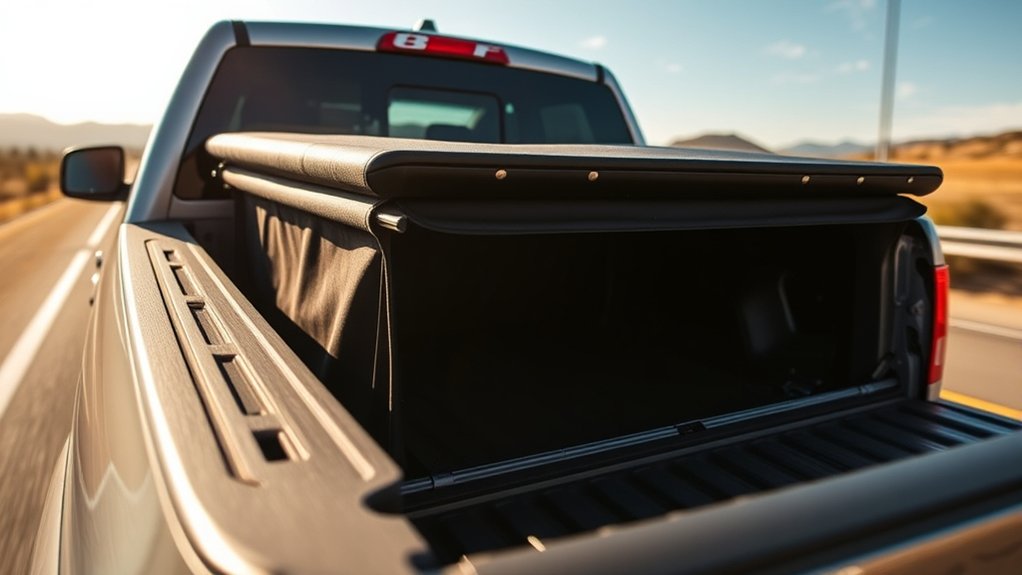
You can drive with a tri-fold tonneau cover open, but you need to contemplate safety and legal rules.
An open cover can block your rear view, create blind spots, and cause wind resistance that affects stability. It also risks your cargo becoming unsecured or damaged.
Always check local laws and secure your load well. Weather and wind can add complications, so it’s wise to assess conditions carefully. Understanding these factors helps you drive more confidently and safely.
Can You Drive Safely With a Tri-Fold Tonneau Cover Open?
How safe is it to drive with a tri-fold tonneau cover open? Before addressing that, it’s important to avoid irrelevant topic or off topic discussion, such as unrelated features of the truck or cover aesthetics. Staying focused on the cover’s open position helps you understand its practical implications.
Generally, driving with the cover open is possible, but safety depends on how securely it’s folded and attached. If the cover obstructs your view or flaps in the wind, it can be distracting or hazardous.
You should also consider how the open cover affects aerodynamics and cargo security. By concentrating on these specific factors rather than unrelated details, you’ll get a clearer, more useful perspective on driving safely with an open tri-fold tonneau cover.
What Are the Safety Risks of Driving With an Open Cover?
When you drive with a tri-fold tonneau cover open, you risk obstructing your rear visibility, which can lead to accidents. Your cargo may also become unsecured, increasing the chance of items falling out. Additionally, the open cover creates extra wind resistance, affecting your vehicle’s stability and fuel efficiency.
Visibility Obstruction Hazards
Why does driving with a tri fold tonneau cover open pose visibility risks? When the cover is folded back, it can block your rearview, creating blind spots. This obstruction makes it harder to see approaching vehicles, pedestrians, or obstacles behind you, increasing the risk of accidents.
Some might consider this an irrelevant topic or unrelated concern compared to cargo security, but visibility is a critical safety factor. Unlike unrelated concerns, poor visibility directly impacts your ability to react promptly while driving.
You must ensure that the open cover doesn’t hinder your line of sight through the rear window or mirrors. If it does, you should avoid driving with it open or find alternative ways to improve visibility for safer driving.
Cargo Security Concerns
Beyond visibility issues, driving with a tri fold tonneau cover open also raises concerns about cargo security. When the cover is open, your cargo becomes exposed and vulnerable to theft or damage from road debris and weather.
This exposure can lead to unexpected losses or costly repairs. It’s important not to dismiss these risks as an unrelated topic or off topic when considering whether to drive with the cover open.
While you might focus on convenience or style, overlooking cargo security can result in significant consequences. To keep your items safe, always weigh the risks before driving with the cover open.
Securing your cargo properly or closing the cover can prevent avoidable issues related to theft or damage.
Increased Wind Resistance
How does driving with a tri fold tonneau cover open affect your vehicle’s performance and safety? Opening the cover increases wind resistance, which can negatively impact handling and fuel efficiency.
The exposed bed creates turbulence, making your truck less stable, especially at higher speeds or in windy conditions. This added drag forces your engine to work harder, reducing mileage.
Some might consider other factors irrelevant topics or stray ideas when assessing risks, but increased wind resistance directly influences control and safety. It can cause unexpected sway or vibration, distracting you or other drivers.
Therefore, it’s wise to avoid driving long distances with the tri fold tonneau cover open unless necessary. Understanding these effects helps you make safer decisions and maintain optimal vehicle performance.
What Does the Law Say About Open Tri-Fold Tonneau Covers?
You need to be aware of legal visibility requirements when driving with a tri-fold tonneau cover open, as they vary by location. Local traffic regulations may restrict how and when you can keep the cover open on public roads. Additionally, you could face safety liability if an open cover contributes to an accident.
Legal Visibility Requirements
What do the laws say about driving with a tri-fold tonneau cover open? Generally, legal visibility requirements focus on ensuring you have a clear view through your rear window and mirrors. If the open cover obstructs your line of sight, you could be violating driving etiquette and safety standards.
While off road applications may allow more flexibility, on public roads you must comply with visibility regulations. Here’s a quick overview:
| Aspect | Requirement |
|---|---|
| Rear Window Visibility | Must remain unobstructed |
| Side Mirrors | Must provide clear views |
| Load Security | Cargo must be secured |
| Cover Position | Open covers must not block vision |
| Driving Etiquette | Prioritize safety and clear sight |
Always check your local laws before driving with an open tri-fold cover to stay compliant.
Local Traffic Regulations
Where local traffic regulations stand on driving with an open tri-fold tonneau cover varies widely by jurisdiction. Some areas allow it as long as the load is secure and visible, while others prohibit any open covers to avoid obstructing the driver’s view or causing hazards. You should check your local laws before driving with the cover open, as penalties can vary.
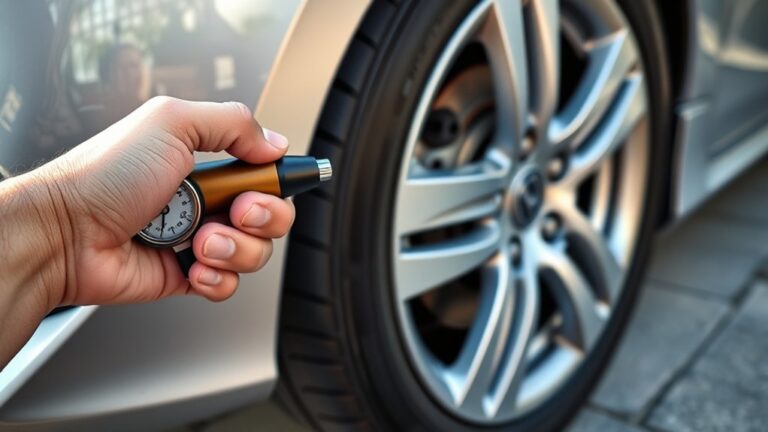
Additionally, maintaining proper tire pressure is critical when carrying loads under an open cover, ensuring vehicle stability. When parking, always consider parking safety by fully closing the tonneau cover to prevent theft or damage. Staying informed about regulations helps you avoid fines and keeps you and others safe on the road.
Safety Liability Considerations
Although laws differ by location, driving with an open tri-fold tonneau cover can raise significant safety liability concerns if an accident occurs. You could be held responsible if unsecured cargo shifts or falls out, causing damage or injury.
Some jurisdictions require a specific sticker design to alert other drivers about the open cover, so check local regulations carefully. Failing to comply might not only lead to fines but also increase your insurance premium due to perceived higher risk.
Furthermore, insurance companies may scrutinize claims more closely if the open tonneau cover contributed to the incident. To minimize liability, ensure your cover is properly secured, use any required safety markings, and understand your state’s legal requirements.
Staying informed helps protect you both legally and financially.
How to Secure Cargo With a Partially Open Tri-Fold Cover
How do you keep your cargo safe when your tri-fold tonneau cover is only partially open? First, ensure the cover’s durable materials remain properly secured to prevent shifting. Use built-in latches or clamps designed for partial openings to hold the cover firmly in place.
Next, arrange your cargo so heavier items sit low and against the truck bed to minimize movement. Consider using straps or cargo nets to stabilize loose items, reducing the risk of them falling out.
For theft deterrence, keep valuables out of sight beneath the cover and avoid leaving the cover open longer than necessary. By combining these steps, you maintain both security and practicality when transporting goods with a partially open tri-fold tonneau cover.
When Is It Practical to Drive With Your Tri-Fold Cover Open?
When might you find it practical to drive with your tri-fold tonneau cover open? You’ll want to consider how wind resistance and cargo aerodynamics impact your drive. Opening the cover can be beneficial in these scenarios:
- Transporting tall or bulky items that won’t fit under the closed cover.
- When you need quick access to tools or gear without stopping.
- Driving at low speeds where wind resistance is less of a concern.
- When hauling cargo that doesn’t require protection from weather or debris.
In these cases, leaving the tri-fold cover open balances convenience with functionality. However, keep in mind that increased wind resistance could affect fuel efficiency, and poor cargo aerodynamics might impact vehicle stability. Always assess your load and driving conditions before deciding to drive with the cover open.
Tips to Reduce Wind Noise and Drag on the Road
Wondering how to minimize wind noise and drag while driving with your tri-fold tonneau cover open? Start by folding the cover neatly to reduce turbulence, mimicking a wind tunnel’s streamlined flow. Secure the folded sections tightly to prevent flapping, which amplifies noise and drag.
Consider adjusting your driving speed; slower speeds decrease wind resistance and improve control. If your truck supports amphibious operation features, use them to optimize aerodynamics when the cover is open.
Additionally, check for gaps or loose edges that disrupt airflow, sealing them if possible. Regularly inspect and maintain the cover’s hinges and latches to ensure a snug fit. These steps help reduce wind noise and drag, enhancing fuel efficiency and driving comfort with an open tri-fold tonneau cover.
How Weather Conditions Affect Driving With an Open Cover
When you drive with a tri fold tonneau cover open, weather conditions can considerably affect your vehicle’s stability and cargo protection. Strong winds may impact handling, while rain can expose your truck bed to water damage. Additionally, direct sunlight can increase heat, potentially affecting items stored in the bed.
Wind Impact On Stability
How does wind affect your driving stability with a tri fold tonneau cover open? When the cover is open, it changes your truck’s cab aerodynamics, which can impact wind stability. Here’s what you should consider:
- Increased air turbulence behind the cab can cause buffeting, reducing control at high speeds.
- Crosswinds become more pronounced, pushing against the open cover and affecting lane stability.
- Sudden gusts may create uneven pressure, causing subtle vehicle sway.
- Open covers disrupt smooth airflow, increasing drag and decreasing fuel efficiency.
Understanding these factors helps you anticipate how wind conditions affect your driving. For safer trips, adjust your speed and stay alert to changing wind patterns when the cover is open.
Rainwater Exposure Risks
Wind isn’t the only weather factor you need to consider with a tri fold tonneau cover open; rainwater exposure poses its own set of risks. When driving in wet conditions, water can easily accumulate in the truck bed, potentially damaging cargo and affecting vehicle weight distribution.
Lotus insights highlight that even small amounts of water can lead to rust or mold, especially if the cover remains open for extended periods. Quantum considerations also suggest that moisture levels fluctuate rapidly during transit, making it difficult to predict exposure accurately.
To mitigate these risks, you should check weather forecasts and close the cover when rain is likely. Staying proactive ensures your cargo remains protected and your vehicle maintains optimal performance, even when unexpected showers occur.
Sunlight And Heat Effects
Why does sunlight and heat matter when you drive with a tri fold tonneau cover open? Exposure to intense sunlight and high temperatures can impact both the cover and your truck’s bed. Here’s what you should consider:
- Prolonged UV exposure can degrade the cover’s material. Durability testing often highlights potential fading or cracking.
- Heat buildup in the truck bed may affect cargo, especially sensitive items.
- The truck’s paint compatibility with heat is crucial. Some paints may discolor or weaken under direct sun when the cover is open.
- Open covers allow more sunlight to reach the bed, accelerating wear compared to a closed position.
Understanding these factors helps you protect your investment and maintain your truck’s appearance and functionality.
Potential Damage Risks When Driving With an Open Cover
What risks do you face when driving with a tri fold tonneau cover open? First, exposing the cargo bed can lead to debris buildup, which may scratch or damage the truck’s paint and bed liner.
Wind resistance increases, potentially stressing the hinges and latches, causing premature wear or failure. Unlike an unrelated comparison to hard covers or unrelated branding claims, the tri fold cover’s design isn’t meant for extended open use at high speeds.
You also risk water damage if rain enters through the open sections, affecting cargo and the truck bed’s metal surfaces. Overall, driving with the cover open can reduce its lifespan and compromise your truck’s protection, so it’s wise to consider these potential damage risks before deciding to drive this way.
Open vs. Closed Tri-Fold Cover: Safety and Performance Compared
Understanding the risks of driving with a tri fold tonneau cover open leads naturally to comparing how the cover performs and affects safety in both open and closed positions. When evaluating these two states, it’s important to avoid unrelated topics or irrelevant concepts that don’t impact performance or safety.
- Closed Position: Offers optimal protection against weather and theft, ensuring cargo security.
- Open Position: May reduce aerodynamics, increasing drag and fuel consumption.
- Safety Concerns: Driving with it open can expose cargo, risking loss or damage, and may impair rear visibility.
- Performance Impact: Closed covers improve fuel efficiency by streamlining airflow, unlike open covers which disrupt it.
Best Practices to Protect Your Tri-Fold Tonneau Cover on the Road
Although tri-fold tonneau covers are designed for durability, taking specific precautions on the road can extend their lifespan and maintain their functionality. Always ensure the cover is securely latched before driving to prevent damage caused by sudden wind pressure.
Avoid sharp objects or heavy loads that could puncture or warp the cover. Regularly check the seals and hinges for wear, as neglecting these can lead to water leaks or mechanical failure. These issues are unrelated to normal cover use but are critical to address.
When transporting bulky items, avoid a random pairing of unsecured cargo and an open cover, as this can cause unexpected damage. Finally, clean your cover with appropriate products to prevent material degradation.
Following these best practices helps protect your tri-fold tonneau cover effectively.
Frequently Asked Questions
How Do I Clean and Maintain a Tri-Fold Tonneau Cover?
You should follow regular cleaning routines using mild soap and water to preserve material durability. Avoid harsh chemicals, rinse thoroughly, and dry completely.
Lubricate hinges occasionally to maintain smooth folding and extend your tri-fold tonneau cover’s lifespan.
Can a Tri-Fold Cover Improve My Truck’s Fuel Efficiency?
You might think driving with the cover open wouldn’t affect fuel efficiency, but keeping your tri-fold tonneau cover closed actually reduces drag and improves mileage.
What Materials Are Tri-Fold Tonneau Covers Typically Made From?
Tri-fold tonneau covers come in a materials variety, including vinyl, aluminum, and fiberglass. You’ll want to contemplate installation ease and durability when choosing, as some materials offer simpler installation while others provide enhanced protection and longevity.
Are Tri-Fold Tonneau Covers Compatible With Bed Liners?
Tri-fold tonneau covers often face installation challenges with incompatible bedliners, especially spray-on types. You’ll need to verify compatibility beforehand, as some bedliners can interfere with proper sealing and secure attachment of the cover to your truck bed.
How Easy Is It to Install a Tri-Fold Tonneau Cover Myself?
You’ll find tri-fold tonneau covers offer easy installation with basic tools and clear instructions. For smooth operation, follow maintenance tips like regular cleaning and lubricating hinges to keep your cover functioning perfectly over time.
Conclusion
You can drive with a tri-fold tonneau cover open, but it’s important to contemplate safety and legal factors first. Studies show that unsecured cargo causes nearly 13% of road accidents, highlighting the need to secure your load properly. Always check local laws before hitting the road.
Make sure your cargo is well secured and be mindful of changing weather conditions to avoid damage or accidents. Taking these precautions not only protects your vehicle but also ensures safer driving.
Following these best practices helps you protect both your cover and your vehicle on the road. Remember, when driving with a tri-fold tonneau cover open, safety and security should always come first.