How to Tell if Fuel Filter Is Bad
You can tell if your fuel filter is bad by watching for engine hesitation, stalling at idle or under load, and reduced acceleration. A bad fuel filter often causes these issues because it restricts fuel flow, impacting engine performance.
You might also notice difficulty starting your vehicle or a drop in fuel efficiency. These symptoms occur as the clogged filter stresses the fuel system.
If your engine feels sluggish or misfires, your fuel filter likely needs attention. Learn how to diagnose and maintain it properly for optimal engine health.
What Does a Fuel Filter Do and Why It Matters?
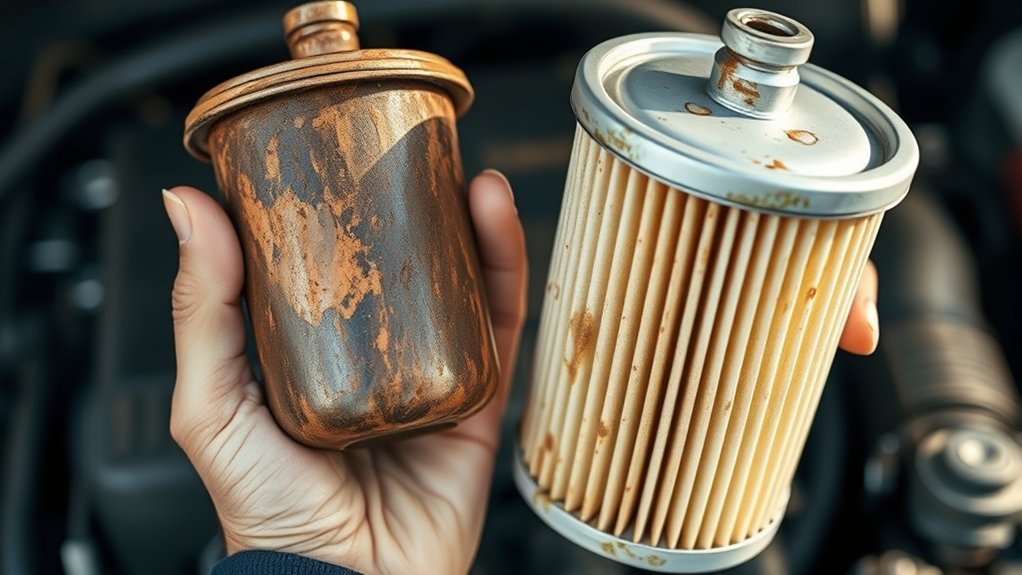
The role of a fuel filter in your vehicle’s operation is to prevent contaminants such as dirt, rust, and debris from entering the fuel system, thereby protecting key components like fuel injectors and the fuel pump. By filtering out impurities, the fuel filter maintains steady fuel pressure, which is essential for achieving peak engine performance and efficiency.
When the fuel filter functions properly, it supports smooth fuel flow and prevents interruptions that could cause engine misfires or stalling. You rely on the fuel filter to preserve the integrity of the fuel system, extending the lifespan of related parts and helping avoid costly repairs.
Without a properly working fuel filter, contaminants would compromise fuel pressure regulation, resulting in poor engine operation and potential breakdowns.
How to Spot a Clogged or Failing Fuel Filter
You’ll notice common symptoms like engine misfires, difficulty starting, or reduced acceleration when the fuel filter clogs. These performance issues occur because fuel flow is restricted, starving the engine of necessary fuel. Recognizing these signs early helps prevent more serious damage to your vehicle.
Common Symptoms
How can you recognize if your fuel filter is clogged or failing? Identifying common symptoms helps you avoid irrelevant topic or off topic discussion about unrelated car issues. Focus on these precise signs:
- Engine sputtering at high speeds: Your engine may hesitate or sputter because restricted fuel flow disrupts combustion consistency.
- Difficulty starting the vehicle: A clogged filter limits fuel reaching the engine, causing prolonged cranking or failure to start.
- Frequent stalling: When fuel delivery is inconsistent, your engine may stall even during idle or low-speed driving.
These symptoms directly indicate fuel filter problems, steering clear of unrelated diagnostic errors. If you observe any combination of these, your fuel filter likely needs inspection or replacement.
Performance Issues
Recognizing performance issues can confirm suspicions raised by earlier symptoms and pinpoint a clogged or failing fuel filter. You’ll notice engine hesitation, reduced acceleration, and inconsistent idling, all signs that fuel flow is restricted.
This restriction forces the engine to work harder, potentially accelerating drivetrain wear due to increased strain. Additionally, a compromised fuel filter can alter fuel-air mixture, leading to incomplete combustion and a negative emissions impact.
You might also experience difficulty starting the vehicle or frequent stalling under load. Monitoring these performance drops alongside diagnostic codes can help isolate the fuel filter as the culprit.
Addressing a failing filter promptly prevents further mechanical damage and maintains optimal engine efficiency and emissions compliance.
How to Diagnose a Bad Fuel Filter at Home
You can identify a bad fuel filter by recognizing common symptoms like engine hesitation, reduced power, and stalling. Start with a visual inspection of the filter and check for leaks or damage. Then, observe fuel flow by disconnecting the filter line carefully to confirm restricted passage.
Common Fuel Filter Symptoms
When does a fuel filter start showing signs of failure? Usually, symptoms appear once contaminants reduce fuel flow, impacting engine performance and fuel efficiency. You’ll notice these clear indicators:
- Engine misfires or hesitation A clogged filter restricts fuel vaporization, causing inconsistent fuel delivery and rough idling.
- Difficulty starting Insufficient fuel reaches the engine, making ignition sluggish or requiring multiple attempts.
- Decreased fuel efficiency The engine compensates for poor fuel flow by consuming more fuel, lowering miles per gallon.
Recognizing these symptoms early helps prevent further engine damage. If you experience any of these issues, it’s a strong sign your fuel filter needs attention before it severely affects vehicle operation.
Simple Home Inspection Steps
How can you quickly determine if your fuel filter is causing engine issues without specialized equipment? Start by checking for signs like engine hesitation or stalling during acceleration. Avoid distractions from irrelevant topics or unrelated themes, focusing strictly on fuel flow and engine response.
Next, inspect the fuel filter for visible dirt or damage. You can also listen for unusual engine sounds under load. These steps help isolate fuel filter problems effectively.
| Step | What to Check |
|---|---|
| Engine Behavior | Hesitation, stalling |
| Visual Inspection | Dirt, damage on filter |
| Fuel Pressure | Drop during acceleration |
| Engine Noise | Unusual sounds under load |
Following these steps narrows down fuel filter issues without confusion from unrelated themes.
How a Bad Fuel Filter Hurts Engine Performance and Fuel Economy
Why does a clogged fuel filter degrade your engine’s performance and fuel economy? When debris blocks the fuel filter, it restricts fuel flow, causing your engine to struggle with combustion efficiency. This leads to reduced power and increased fuel consumption. You might also notice unusual engine noise due to inconsistent fuel delivery.
Here’s how a bad fuel filter affects your vehicle:
- Reduced fuel economy: Limited fuel flow forces the engine to work harder, burning more fuel.
- Engine noise and hesitation: Irregular fuel supply causes sputtering or knocking sounds during acceleration.
- Poor throttle response: Insufficient fuel pressure decreases acceleration smoothness and overall engine performance.
Keeping your fuel filter clear ensures optimal fuel flow, maintaining both engine efficiency and fuel economy.
When to Replace Your Fuel Filter for Best Performance
A clogged fuel filter directly impacts your engine’s efficiency and fuel consumption, making timely replacement necessary to avoid these issues. Replace your fuel filter according to your vehicle’s manufacturer schedule, typically every 20,000 to 40,000 miles.
A clogged fuel filter reduces engine efficiency and fuel economy; replace it as recommended, usually every 20,000 to 40,000 miles.
However, driving conditions and fuel quality can accelerate clogging, especially if idle maintenance has been irregular. Modern fuel system design incorporates filters that balance flow and filtration; neglecting replacement disrupts this balance, leading to fuel starvation and poor combustion.
Signs like rough idle, hesitation, or decreased acceleration signal that your filter may be compromised. Don’t wait for performance drops; proactive replacement ensures consistent fuel flow, preserves injector function, and maintains optimal engine operation.
Following these guidelines will help you sustain your vehicle’s performance and fuel economy effectively.
How to Maintain Your Fuel Filter to Prevent Problems
When should you inspect your fuel filter to guarantee it stays clear and functional? Regular inspections prevent clogging and maintain optimal fuel flow. Avoid wasting time on unrelated topic or irrelevant discussion that doesn’t focus on maintenance specifics. Follow these steps:
- Check your vehicle’s manual for recommended inspection intervals, typically every 20,000 to 30,000 miles.
- Visually inspect the filter for dirt, rust, or damage during routine oil changes.
- Monitor engine performance; hesitation or stalling can signal filter issues needing immediate attention.
Sticking to this schedule prevents contamination buildup, extending fuel system life. Don’t get sidetracked by unrelated topic details—focus solely on practical maintenance. Maintaining your fuel filter properly ensures your engine runs smoothly and avoids costly repairs caused by clogged filters.
Frequently Asked Questions
Can a Bad Fuel Filter Cause the Car Not to Start?
Yes, a bad fuel filter can cause starting issues by restricting fuel flow to the engine. If you notice poor acceleration or your car won’t start, check the fuel filter to prevent fuel starvation problems.
Are Fuel Filter Problems Covered Under Vehicle Warranty?
Think of your warranty coverage like a shield. Fuel filter problems usually fall under it unless wear and tear or leak concerns caused the issue. Always check your vehicle’s specific terms to confirm what’s included or excluded.
How Much Does It Cost to Replace a Fuel Filter?
You’ll typically pay $50 to $150 to replace a fuel filter. A clogged filter restricts fuel flow, causing bad fuel delivery and engine performance.
Labor and part costs vary by vehicle make and model.
Can Using Bad Fuel Damage the Fuel Filter Faster?
Yes, using bad fuel accelerates clogging in your fuel filter by introducing contaminants and debris. This buildup restricts fuel flow, reducing engine performance and potentially causing damage if the clogged filter isn’t replaced promptly.
Does a Fuel Filter Affect Emissions Testing Results?
Fuel filter function fundamentally influences your emissions impact; failing filter maintenance fosters fouled fuel flow, fueling faulty combustion and fluctuating emissions.
You’ll notice higher pollutants, so prioritizing proper upkeep profoundly preserves performance and passes emissions tests.
Conclusion
Think of your fuel filter as the fine mesh screen protecting a delicate fountain. If it clogs, the water—your fuel—trickles weakly, starving the engine’s pulse. By spotting and replacing a bad filter promptly, you keep the flow steady and your engine humming efficiently.
Don’t let debris choke the lifeblood of your vehicle; maintain your fuel filter regularly to ensure smooth, powerful performance every time you hit the road. Recognizing how to tell if a fuel filter is bad helps you avoid costly repairs and keeps your engine running at its best.