Can You Wash a Truck With a Tonneau Cover
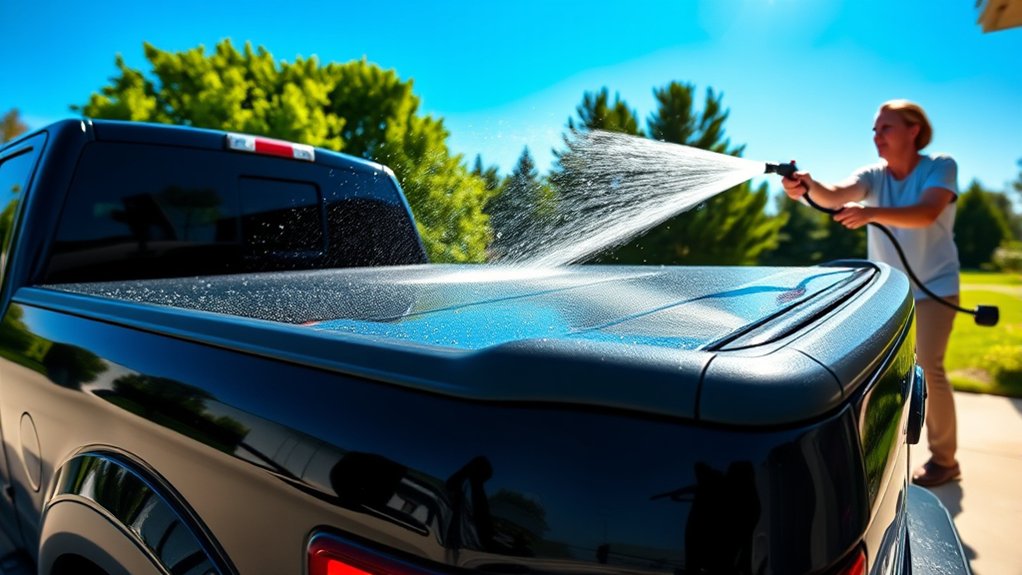
Yes, you can wash a truck with a tonneau cover in place, but you need to be careful. Start by rinsing gently to remove loose dirt, use mild, pH-balanced soap with a soft cloth or sponge, and avoid high-pressure water to protect seams and surfaces.
Dry thoroughly with a microfiber towel to prevent moisture buildup and mold. Tailor your cleaning method to the cover’s material—vinyl or hard cover—to maintain its finish and durability.
Understanding these steps helps ensure lasting protection and appearance.
Can You Wash a Truck Without Removing the Tonneau Cover?
How should you approach washing your truck when it has a tonneau cover installed? You can wash your truck without removing the cover, but you need to be careful to protect both the tonneau and your truck’s paint.
Start with a gentle rinse to remove loose dirt, focusing on minimizing water pressure on the cover to avoid damage. Use mild soap and a soft cloth or sponge for cleaning, ensuring you don’t scratch the cover or truck surface.
Regular tonneau maintenance, such as lubricating seals and checking for wear, helps extend its life and maintains a good seal, which also aids paint preservation by preventing dirt and moisture buildup. Carefully drying the cover and truck with a microfiber towel prevents water spots and keeps everything looking sharp.
Which Tonneau Cover Materials Are Easiest to Wash?
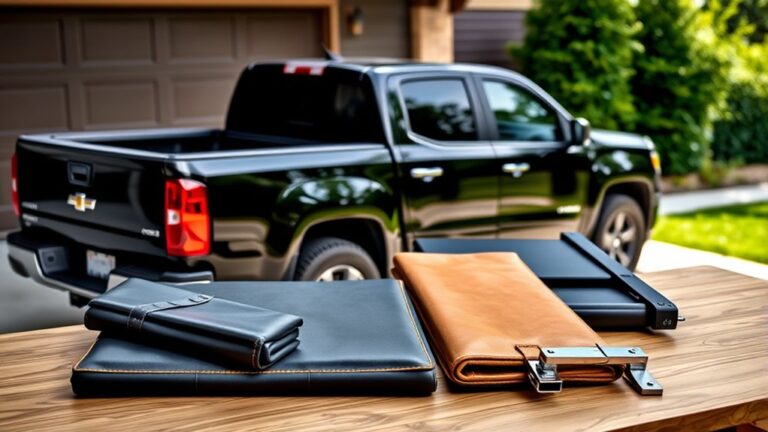
You’ll find that soft vinyl tonneau covers are generally easier to clean with mild soap and water, but you need to avoid harsh chemicals that can damage the material. Hard covers, made from materials like fiberglass or aluminum, require a bit more care to prevent scratches and maintain their finish. Understanding these differences helps you choose the best washing method for your specific cover type.
Soft Vinyl Care Tips
When caring for a soft vinyl tonneau cover, what cleaning methods work best to maintain its appearance and durability? Soft vinyl requires gentle, routine maintenance to prevent cracking and fading. Use mild soap and water with a soft cloth or sponge, avoiding harsh chemicals that can damage the material. Rinse thoroughly and dry to prevent water spots. Regular cleaning also helps maintain flexibility.
| Task | Recommended Approach |
|---|---|
| Cleaning | Mild soap, water, soft cloth |
| Stain removal | Use vinyl-safe cleaner |
| UV protection | Apply vinyl protectant spray |
| Drying | Air dry or use a clean towel |
Stick to these care tips to keep your soft vinyl cover looking new and performing well over time.
Hard Cover Cleaning
While soft vinyl tonneau covers need gentle care, hard covers generally require less frequent maintenance and offer simpler cleaning options. Hard covers, typically made from fiberglass, aluminum, or hard plastic, are easier to wash because they tolerate a wider range of detergents and cleaning agents.
You should choose cleaners with detergent compatibility to avoid damaging the surface finish. After washing, use a soft cloth or microfiber towel for the drying method to prevent scratches and water spots.
Here are key points to consider for hard cover cleaning:
- Use mild detergent solutions compatible with hard materials to preserve finish and durability
- Rinse thoroughly to remove soap residue that may cause streaking
- Dry promptly with a non-abrasive cloth to maintain a smooth, polished appearance
This approach keeps your hard tonneau cover looking great with manageable effort.
How to Prepare Your Truck and Tonneau Cover for Washing
Start by clearing off any loose debris, such as leaves, dirt, or dust, from both your truck and the tonneau cover. Use a soft brush or microfiber cloth to avoid scratching surfaces, especially if your cover features delicate finishes or car engraving details.
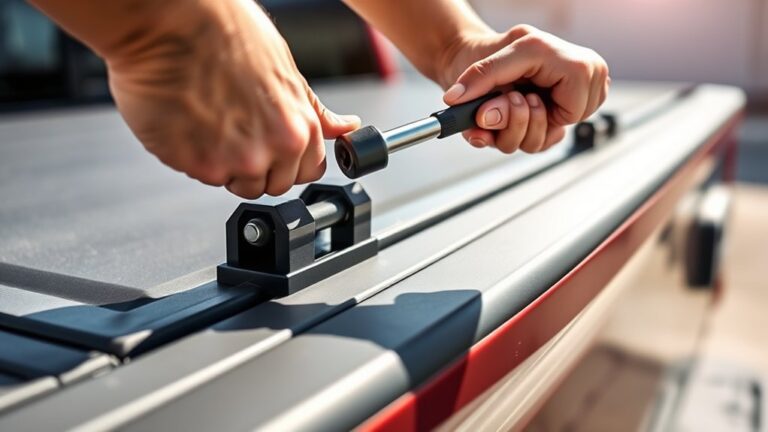
Next, check the tonneau cover’s seals and locking mechanisms to ensure they’re secure and functioning properly. This prevents water from seeping into the bed during washing.
If your truck uses solar cooling accessories, gently wipe them down to maintain efficiency. Before washing, lower the cover slightly or open it if the design allows, making it easier to clean all areas thoroughly.
Taking these steps helps protect your truck and cover, ensuring a safe, effective wash without damaging any components.
What Cleaning Products Are Safe for Different Tonneau Covers?
You’ll want to choose cleaning products based on your tonneau cover’s material to avoid damage. For vinyl covers, mild soap and water work well, while aluminum covers require non-abrasive cleaners to prevent corrosion. Fabric covers need detergents designed for delicate textiles to maintain their texture and color.
Cleaning Products For Vinyl
How do you choose the right cleaning products for vinyl tonneau covers? Proper vinyl maintenance hinges on product compatibility to avoid damage or discoloration. You want cleaners that are gentle yet effective, specifically formulated for vinyl surfaces. Avoid harsh chemicals like bleach or ammonia, which can degrade the material.
Look for these when selecting products:
- Mild soap-based cleaners designed for automotive vinyl
- Vinyl protectants that offer UV resistance and prevent cracking
- pH-balanced solutions that won’t strip natural oils or finish
Using compatible products ensures longevity and keeps your tonneau cover looking new. Always test a small area first to confirm no adverse reaction. This approach safeguards both the appearance and durability of your vinyl tonneau cover during routine washing.
Safe Solutions For Aluminum
When cleaning an aluminum tonneau cover, selecting safe and effective products is essential to maintain its finish and prevent corrosion. For aluminum safety, avoid harsh chemicals like ammonia or bleach, which can damage the surface.
Instead, choose mild soaps or dedicated aluminum cleaners that ensure soap compatibility without stripping protective coatings. Use a soft cloth or sponge to gently clean the cover, preventing scratches.
Rinse thoroughly with water to remove all soap residue, as leftover detergents can cause oxidation over time. Regular cleaning with compatible soaps preserves the aluminum’s appearance and durability.
Always check product labels to confirm they’re safe for aluminum surfaces, ensuring your tonneau cover stays in optimal condition without compromising its protective qualities.
Detergents Suitable For Fabric
A variety of detergents suit fabric tonneau covers, but selecting the right one is essential to protect the material’s integrity and appearance. You should opt for gentle, non-abrasive products like eco friendly soap that won’t degrade the fabric or strip protective coatings.
Avoid harsh chemicals such as bleach or solvents. Using microfiber tools helps prevent scratches and preserves the texture during cleaning.
Consider these detergent qualities:
- pH-balanced formulas to maintain fabric strength
- Biodegradable, eco friendly soap options for environmental safety
- Compatibility with microfiber tools to ensure gentle cleaning
How to Wash a Truck With a Tonneau Cover
Why does washing a truck with a tonneau cover require special attention? The cover needs gentle care to maintain its glossy finish and sun protection qualities. Use soft cloths and mild detergents to avoid damage.
Follow this simple washing routine:
| Step | Action |
|---|---|
| 1. Rinse | Remove loose dirt with water |
| 2. Apply Soap | Use mild detergent on cover/truck |
| 3. Clean Cover | Wipe cover gently with soft cloth |
| 4. Clean Truck | Wash truck bed and sides carefully |
| 5. Rinse & Dry | Rinse thoroughly, dry with towel |
Avoid harsh brushes that can scratch the cover surface. Keeping your tonneau clean ensures durability and preserves the truck’s overall appearance.
Avoid Water Damage When Washing Your Tonneau Cover
When washing your tonneau cover, use gentle cleaning products to protect its material from damage. Avoid high-pressure water, as it can force moisture into seams and cause leaks. After washing, make sure you dry the cover thoroughly to prevent mold and water damage.
Choose Gentle Cleaning Products
How do you protect your tonneau cover from water damage during washing? The key is to choose gentle cleaning products specifically designed for delicate surfaces. Harsh chemicals or abrasive cleaners can strip protective coatings or cause discoloration.
Avoid using products unrelated to automotive or vinyl care, as they often introduce irrelevant concepts that don’t suit the material’s needs. Instead, opt for:
- Mild soap solutions or specialized tonneau cover cleaners
- pH-balanced detergents safe for vinyl or fabric
- Non-abrasive, soft cloths or sponges for application
Selecting the right cleaner prevents water from seeping into seams or damaging seals. Remember, aggressive cleaners can lead to long-term water damage, so steer clear of unsuitable products.
This approach ensures you maintain your cover’s integrity while effectively removing dirt and grime.
Avoid High-Pressure Water
What pressure level should you use when cleaning your tonneau cover? It’s best to avoid high-pressure water, as intense streams can damage the cover’s surface or seams. Instead, opt for a gentle spray or use a garden hose with moderate water flow.
Before washing, conduct a risk assessment based on your washing frequency and the condition of the cover. Frequent washes might expose the cover to repeated stress, increasing the risk of wear if high pressure is applied.
Assess the cover’s material and manufacturer recommendations to determine safe pressure levels. By steering clear of high-pressure water, you protect the tonneau cover from water ingress, warping, or premature aging, maintaining its integrity and extending its lifespan effectively.
Dry Thoroughly After Washing
Why does drying your tonneau cover thoroughly after washing matter? Proper drying techniques prevent water from seeping into seams or beneath the cover, which can cause mold, mildew, or damage to both the cover and truck bed. Moisture control is essential to maintain durability and appearance.
To dry effectively, follow these tips:
- Use a soft microfiber towel to absorb excess water without scratching the surface.
- Open any folds or creases and air dry in a shaded, well-ventilated area to avoid trapped moisture.
- Avoid direct sunlight, which can cause fading or material warping.
Washing Techniques for Soft and Hard Tonneau Covers
When cleaning your truck’s tonneau cover, it’s essential to recognize the differences in material and construction between soft and hard covers. Soft covers require gentle washing to avoid damage and ensure stain removal and mold prevention.
Hard covers, made from rigid materials, need specific care to maintain their finish without scratches.
| Tonneau Cover Type | Recommended Washing Technique |
|---|---|
| Soft Covers | Use mild soap, soft brush, rinse well |
| Hard Covers | Use non-abrasive cleaner, microfiber cloth |
| Both | Avoid high-pressure washers, dry thoroughly |
How Often Should You Clean Your Truck and Tonneau Cover?
How frequently you clean your truck and tonneau cover depends on several factors, including your driving conditions and local climate. If you drive in dusty or muddy areas, you’ll need to wash more often to avoid buildup that impacts usability quirks like latching or rolling mechanisms.
Similarly, salty or wet climates demand frequent cleaning to prevent corrosion and mildew. Consider your storage options too; if you store your truck outdoors, exposure to elements increases the need for regular maintenance.
After off-road trips or heavy rain, clean immediately.
In dry, urban environments, washing every 2-3 weeks suffices.
If stored in a covered garage, monthly cleaning usually works.
Adjust frequency based on your experience with usability quirks and environmental exposure to keep both your truck and tonneau cover in top shape.
How to Dry and Protect Your Tonneau Cover After Washing
Where you dry your tonneau cover can substantially affect its longevity and performance. After washing, avoid direct sunlight to minimize UV degradation, which can weaken materials over time. Instead, dry your cover in a shaded, well-ventilated area to prevent moisture buildup that promotes mold and mildew.
Use a clean microfiber cloth to gently remove excess water, ensuring you don’t scratch the surface. Once dry, apply a protective spray designed for tonneau covers to help shield against weathering cycles like rain, sun, and temperature fluctuations.
Regularly maintaining this protective layer will preserve the cover’s flexibility and appearance. By carefully drying and protecting your tonneau cover, you reduce damage risk and extend its functional life.
Fixing Common Washing Mistakes With Tonneau Covers
Properly drying and protecting your tonneau cover after washing sets a solid foundation, but mistakes during the cleaning process can still cause damage. If you’ve used harsh chemicals or abrasive tools, you might notice fading or scratches. To fix this, switch to gentle cleaners designed for the cover’s material and use soft microfiber cloths for interior detailing.
Avoid pressure washers that can force water under seals, leading to rust or mold.
Here are common washing mistakes and their fixes:
- Using harsh detergents: Rinse thoroughly and treat with a vinyl or fabric protectant.
- Over-saturating with water: Dry immediately to prevent moisture buildup.
- Ignoring small tears or cracks: Repair promptly with appropriate sealants to maintain truck maintenance integrity.
Addressing these issues ensures your cover stays functional and your truck well-maintained.
Best Tips to Keep Your Truck and Tonneau Cover Looking Great
Maintaining the appearance of both your truck and its tonneau cover requires consistent care and attention to detail. You should regularly clean the cover with mild soap and water, avoiding harsh chemicals. Applying eco friendly coatings protects the cover’s surface while reducing environmental impact.
Don’t forget to perform interior detailing for your truck to preserve the cabin’s freshness and value.
| Tip | Purpose |
|---|---|
| Use soft microfiber cloth | Prevent scratches on paint & cover |
| Apply eco friendly coatings | Protect surfaces, eco-conscious |
| Clean tonneau cover weekly | Remove dirt and debris |
| Interior detailing monthly | Maintain cabin cleanliness |
Following these steps will keep your truck and tonneau cover looking great and functioning well for years.
Frequently Asked Questions
Can Washing a Tonneau Cover Void Its Warranty?
Yes, washing a tonneau cover with improper cleaning methods can void its warranty. You should follow warranty considerations carefully, using recommended cleaning products and techniques to avoid damage.
This ensures your cover remains protected under warranty terms.
Are There Any Tools to Automate Washing a Tonneau Cover?
Like a gentle rain, automated cleaning tools with soft touch scrubbing are designed for tonneau covers. You’ll find specialized brushes and robotic washers that clean efficiently without damaging the surface, maintaining your cover’s look and warranty.
How Does Weather Affect Washing Frequency for Tonneau Covers?
Weather impact directly affects your washing frequency; rainy or dusty conditions will increase how often you clean your tonneau cover.
Harsh sun can cause fading, so regular washing helps maintain its appearance and durability in varying climates.
Can Pressure Washers Damage Tonneau Cover Seals?
Yes, pressure washers can damage pressure seals, causing leaks and wear. You risk voiding your warranty impact if you use too high pressure or hold the nozzle too close. Always follow manufacturer guidelines carefully.
What Are the Signs a Tonneau Cover Needs Professional Cleaning?
You’ll notice signs of wear like fading, cracks, or stubborn stains that don’t respond to regular cleaning. When these appear, it’s time to get professional cleaning to preserve your tonneau cover’s durability and appearance.
Conclusion
Sure, you can wash your truck without turning your tonneau cover into a soggy mess—just don’t treat it like a delicate soufflé. Whether it’s vinyl, aluminum, or fabric, prepping and choosing the right cleaners saves you from a DIY disaster.
Skip the harsh chemicals and rough scrubbing unless you want your cover looking like it survived a demolition derby. With proper care, both your truck and cover will stay looking sharp, not like a washed-up wreck.
In conclusion, washing your truck with a tonneau cover is completely doable as long as you use the right techniques and products to protect the cover.