What Is the Best Auto Battery Charger
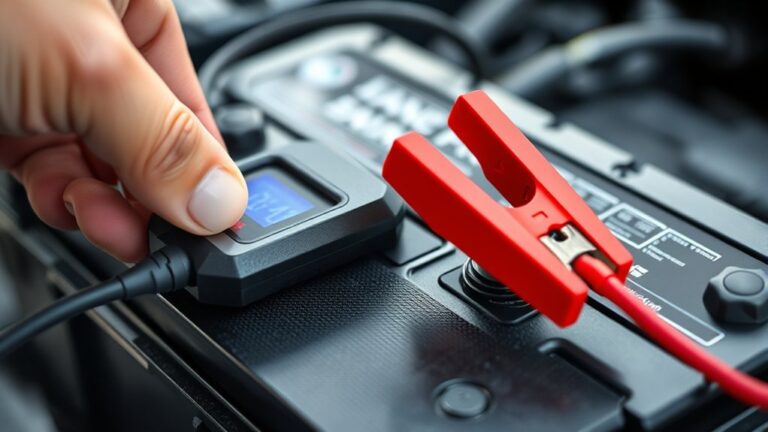
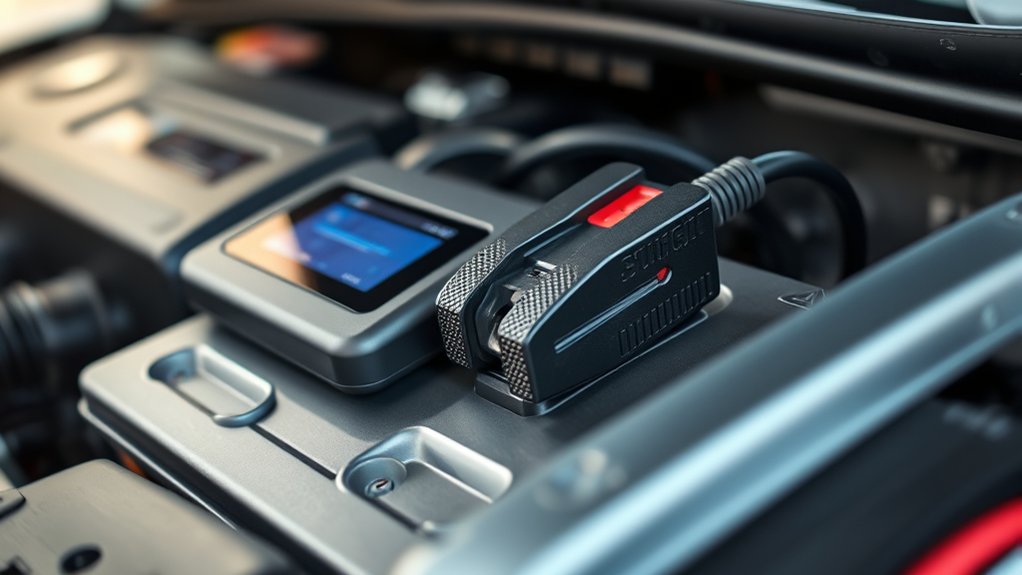
The best auto battery charger matches your battery type—lead-acid, gel, or lithium-ion—and offers smart, multi-stage charging with automatic shut-off to prevent overcharging. Choosing the right charger ensures efficient charging and protects your battery from damage.
Look for chargers with temperature compensation, safety certifications, and reverse polarity protection. These features enhance safety and reliability during use.
Make sure to select the correct voltage and amp rating (usually 12V and 2–10 amps) based on your battery’s specific needs. Fast chargers are useful for emergencies but should be used sparingly to protect battery life.
Understanding these factors helps you select a charger that optimizes performance and longevity. Explore further for tailored recommendations.
Key Takeaways
- The best auto battery charger matches the battery type, voltage, and amperage specifications for safe and efficient charging.
- Smart chargers with multi-stage charging and automatic shut-off optimize battery life and prevent overcharging.
- Fast chargers are ideal for quick charging but should include safety features to avoid battery damage.
- Safety features like reverse polarity protection, short-circuit prevention, and temperature compensation are essential.
- Budget to premium chargers vary by features; mid-range offers smart charging, while high-end models provide diagnostics and multi-battery compatibility.
How to Choose the Right Auto Battery Charger
How do you determine which auto battery charger suits your specific needs? First, consider the recharge time; faster chargers save time but may reduce battery lifespan if used improperly. Match the charger’s amperage to your battery’s capacity to optimize charging efficiency.
Pay attention to maintenance tips such as selecting chargers with automatic shut-off features to prevent overcharging and battery damage. Additionally, choose chargers that provide multiple charging modes, including trickle and bulk charging, to accommodate various battery conditions.
Ensure the charger supports your battery type, whether lead-acid, AGM, or gel. Finally, prioritize models with built-in safety features like short-circuit protection and reverse polarity detection. By focusing on these technical factors, you’ll select a charger that balances performance, battery health, and safety precisely.
The Main Types of Auto Battery Chargers
What distinguishes one auto battery charger from another? It primarily comes down to the technology and how it interacts with battery design and charging fundamentals. The main types are trickle, smart, and fast chargers.
Trickle chargers provide a low, steady current, ideal for maintaining battery charge over time. Smart chargers use microprocessors to adjust voltage and current, optimizing charge and preventing overcharge. Fast chargers deliver high current for rapid charging but require careful use to avoid battery damage.
| Charger Type | Charging Speed | Compatibility with Battery Design |
|---|---|---|
| Trickle | Slow | Universal, safe for all batteries |
| Smart | Moderate | Adjusts to battery type and condition |
| Fast | Rapid | Best for robust batteries, riskier for delicate designs |
Understanding these types helps you match charger choice to your battery’s needs.
Essential Features That Make a Battery Charger Great
Although choosing the right charger type is essential, you’ll also want to contemplate important features that enhance performance, safety, and convenience. Look for automatic shut-off capabilities to prevent overcharging, protecting your battery and vehicle electronics.
Multi-stage charging optimizes the charging cycle, extending battery life. Temperature compensation adapts charging rates to ambient conditions, crucial for accuracy and safety.
Avoid models that focus on irrelevant topics like flashy displays or unused concepts such as unnecessary connectivity features that don’t improve core functionality. Safety certifications, reverse polarity protection, and spark-proof design are non-negotiable to prevent accidents.
Additionally, compatibility with various battery types ensures versatility. By prioritizing these technical features, you’ll get a battery charger that performs reliably and safeguards your investment without distractions or gimmicks.
Charging Speed: Why It Matters and When to Prioritize
You’ll want to contemplate charging speed when time is critical or you need to minimize vehicle downtime. Fast chargers deliver higher current to replenish battery capacity quickly without compromising safety. Prioritize speed in emergencies or when you require rapid turnaround for multiple vehicles.
Fast Charging Advantages
How quickly your auto battery charger replenishes power can considerably impact your vehicle’s downtime and overall convenience. Fast charging offers distinct advantages when you need efficient energy restoration without compromising battery health.
Modern chargers deliver quick charges by optimizing current flow and voltage regulation, preventing overcharging or overheating.
Consider these advantages of fast charging:
- Minimizes wait time, getting you back on the road promptly
- Maintains battery health through controlled charging cycles
- Reduces the risk of battery sulfation by restoring charge efficiently
When selecting a charger, look for smart technology that balances speed with protective features. This ensures rapid energy replenishment while preserving long-term battery performance.
Prioritizing fast charging is essential if you value both time efficiency and battery longevity.
Situations Needing Speed
Fast charging proves invaluable in scenarios where time is limited and rapid power restoration is necessary. For example, when you need to jumpstart a vehicle quickly before a trip or during emergency roadside assistance, prioritizing charging speed ensures minimal downtime.
Chargers equipped with smart technology often include quick start guides that help you set up the device efficiently, reducing user error and enabling immediate use. Additionally, these chargers monitor for error codes that indicate issues such as incorrect connections or battery faults, preventing damage while optimizing charge time.
When selecting a charger, consider models that balance fast charging with safety features, especially if you frequently encounter situations demanding swift battery recovery. This approach ensures you get reliable performance without compromising battery health.
Matching a Charger to Your Car Battery Type
You need to ensure your charger matches your battery’s chemistry—whether it’s lead-acid, AGM, or lithium-ion—to avoid damage and optimize charging. Check the voltage and amp requirements carefully, as mismatched specifications can reduce performance or harm the battery. Choosing the right charger settings based on these factors is essential for safe and efficient charging.
Battery Chemistry Compatibility
Because different car batteries rely on distinct chemical compositions, selecting a charger compatible with your battery’s chemistry is essential for effective charging and longevity. Battery chemistry affects the charging algorithm, voltage, and current regulation, making charger compatibility crucial. Using an incompatible charger risks undercharging, overcharging, or damaging the battery.
Consider these key battery chemistries and compatibility factors:
- Lead-Acid (Flooded and AGM): Requires chargers with bulk, absorption, and float modes tailored to prevent sulfation.
- Gel Batteries: Need chargers with lower voltage limits and controlled current to avoid damaging the gel electrolyte.
- Lithium-Ion Batteries: Demand smart chargers with precise voltage control, balancing, and safety features to maintain cell health.
Choosing a charger designed for your battery chemistry ensures optimal performance and extends battery life.
Voltage and Amp Requirements
Selecting a charger that matches your battery’s voltage and amp requirements directly impacts charging efficiency and battery health. Most automotive batteries operate at 12 volts, but some vehicles, especially older or heavy-duty models, use 6-volt or 24-volt systems.
Ensuring your charger’s voltage matches your battery’s voltage is critical to avoid damage or ineffective charging.
Amp sizing is equally important. Chargers with too high an amp rating can overcharge, reducing battery life, while too low an amp rating prolongs charging time.
For standard car batteries, chargers delivering 2 to 10 amps are typically ideal, balancing speed and safety. Always refer to your battery’s specifications for precise voltage considerations and recommended amp sizing to achieve optimal performance without compromising the battery’s longevity.
Safety Features to Look for in an Auto Battery Charger
How can you guarantee your auto battery charger operates safely and protects both you and your vehicle? Prioritizing essential safety features is crucial to prevent damage or injury during use. Look for chargers equipped with:
- Reverse polarity protection: Prevents damage if you connect the clamps incorrectly.
- Overcharge protection: Stops charging once the battery reaches full capacity, preserving battery life.
- Short-circuit and overload protection: Shields the charger and battery from electrical faults and overheating.
Incorporating these safety features ensures reliable operation and minimizes risks. Additionally, follow maintenance tips such as regularly inspecting cables and connectors for wear and keeping the charger clean from dirt and corrosion. By combining proper safety features with diligent maintenance, you’ll maximize your charger’s efficiency and longevity while safeguarding your vehicle’s battery.
Best Auto Battery Chargers for Different Budgets
What options suit your needs and wallet when choosing an auto battery charger? For budget conscious buyers, selecting a charger that balances cost and functionality is essential. Budget options often include basic models offering essential features like trickle charging and compatibility with 12V batteries.
These are ideal if you want reliable performance without extra bells and whistles. Mid-range chargers typically add smart charging technology, automatic shutoff, and multi-stage charging, providing enhanced battery maintenance. Higher-end models offer advanced diagnostics, compatibility with multiple battery types, and faster charging times but come at a premium price.
Assess your vehicle’s battery requirements and usage patterns to determine which tier fits best. This approach guarantees you don’t overspend while getting a charger tailored to your specific needs.
Tips for Extending Battery Life With Your Charger
Why should you prioritize proper charging techniques to extend your battery’s lifespan? Correct charging is essential for effective battery maintenance, preventing premature wear and ensuring optimal performance. Many charging myths, like overcharging increasing battery capacity, can mislead you and cause damage.
To extend your battery life with your charger, focus on these key practices:
- Use a charger with automatic shut-off or smart technology to avoid overcharging.
- Maintain a consistent charging schedule, especially during storage, to prevent deep discharge.
- Avoid fast charging unless necessary, as excessive current can degrade battery cells over time.
Following these technical tips helps preserve your battery’s health, maximizes efficiency, and reduces long-term replacement costs. Proper battery maintenance starts with how you charge.
Frequently Asked Questions
Can I Use a Car Battery Charger for Other Types of Batteries?
You can’t use a car battery charger for other battery types without verifying charger compatibility. It’s designed for lead acid batteries, and using it elsewhere risks damage or inaccurate testing accuracy.
Always check specs first.
How Do Temperature Extremes Affect Battery Charging Performance?
You’d think freezing or scorching your battery is a spa treatment, but temperature effects brutally slash charging efficiency. Extreme cold slows chemical reactions, while heat accelerates degradation. Both wreck your battery’s health and charging performance, so beware!
Are There Any Environmental Concerns With Disposing Old Battery Chargers?
Yes, you should avoid improper environmental disposal of old battery chargers. Instead, use designated charger recycling programs to prevent hazardous materials from polluting ecosystems.
This also guarantees valuable components are recovered safely and efficiently.
What Is the Warranty Period Typically Offered for Auto Battery Chargers?
You’ll typically find battery charger warranties lasting one to three years, with many brands offering charger replacement policies within this period.
Particularly, 70% of manufacturers provide at least a two-year warranty, ensuring reliable protection for your investment.
Can a Charger Damage My Car’s Electrical System if Used Incorrectly?
Yes, if you don’t follow battery safety guidelines, charging hazards like overcharging or incorrect polarity can damage your car’s electrical system.
Always use the charger as instructed to prevent voltage spikes and electrical component failure.
Conclusion
Choosing the best auto battery charger is like picking the perfect key to access reliable power. You’ll want a charger that matches your battery type, offers the right charging speed, and includes essential safety features.
Whether your budget is tight or flexible, the right charger extends your battery’s life and keeps your car ready to go.
With these insights, you’ll confidently select a charger that powers your vehicle efficiently and safely every time, making the best auto battery charger an essential tool for any driver.