What Does an Oil Filter Do
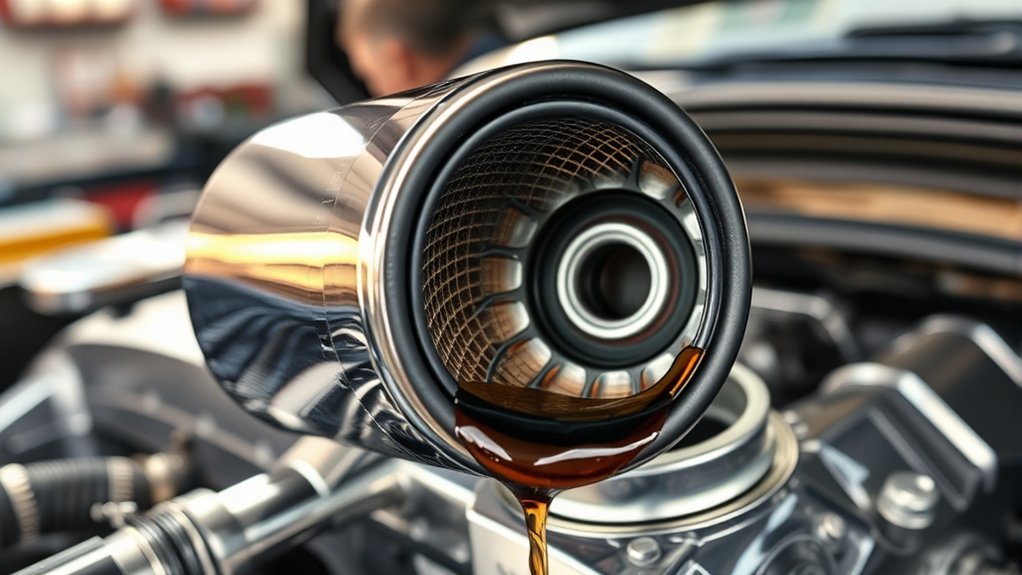
An oil filter plays a crucial role in removing harmful contaminants like metal shavings, soot, and dirt from your engine oil, ensuring clean lubrication for your vehicle’s engine.
It uses cellulose or synthetic fibers to trap debris while maintaining steady oil flow. If the filter becomes clogged, a bypass valve allows oil to flow, preventing oil starvation and protecting critical engine parts from wear.
Changing your oil filter regularly keeps your engine running efficiently and helps prevent sludge buildup and costly damage. Understanding these details helps you maintain engine health and choose the right filter for your vehicle.
Key Takeaways
- An oil filter removes contaminants like metal shavings and dirt from engine oil to protect engine parts.
- It uses filtration media to trap debris while allowing clean oil to flow through the lubrication system.
- The filter prevents abrasive particles from causing engine wear and reduces sludge buildup.
- A bypass valve ensures oil flow continues if the filter becomes clogged, preventing oil starvation.
- Regular oil filter changes maintain engine performance and prolong engine life by ensuring clean oil circulation.
What Is an Oil Filter and How Does It Work?
An oil filter is a critical component in your vehicle’s lubrication system that removes contaminants from engine oil. Understanding oil filter basics helps you grasp its essential role in maintaining engine performance.
The filtration mechanism involves a porous filter media, typically made of cellulose or synthetic fibers, designed to trap metal particles, dirt, and sludge as oil circulates. Oil enters the filter housing through small holes, passes through the filter media, and exits through a central outlet, free of harmful debris.
A bypass valve ensures oil flow continues if the filter clogs, preventing oil starvation. By filtering out impurities, the oil filter maintains oil cleanliness, which is essential for lubrication efficiency and engine longevity.
Knowing how it works allows you to appreciate proper maintenance schedules.
Why Is the Oil Filter Crucial for Engine Health?
Why does your engine depend so heavily on a properly functioning oil filter? Because it safeguards critical engine components from harmful wear by maintaining clean oil flow.
Your engine relies on a quality oil filter to protect vital parts by ensuring clean, steady oil flow.
Without an effective oil filter, abrasive particles accelerate engine damage, reducing performance and lifespan. You might have heard oil filter myths suggesting cheaper filters are just as good; however, oil filter pricing often reflects filtration efficiency and durability.
Investing in a high-quality filter ensures optimal debris removal and consistent oil pressure, crucial for engine health. Neglecting this component can cause oil starvation or contamination, leading to costly repairs.
Understanding the oil filter’s role helps you avoid false economy and maintain your engine’s reliability and efficiency over time.
Which Contaminants Does an Oil Filter Trap?
How exactly does an oil filter protect your engine from damage? It does so by performing precise contaminant capture, removing harmful particles from the circulating oil. The filter traps metal shavings generated by engine wear, soot from combustion byproducts, and dirt or dust that may enter the system.
Additionally, it captures degraded oil particles and sludge that accumulate over time. The filtration efficiency of the oil filter determines how effectively these contaminants are removed without restricting oil flow.
High filtration efficiency ensures that only clean oil reaches critical engine components, reducing abrasion and wear. By maintaining optimal contaminant capture, the oil filter preserves engine integrity, enhances performance, and extends the lifespan of your engine’s moving parts.
How Often Should You Change Your Oil Filter?
You should change your oil filter according to the manufacturer’s recommended intervals, usually every 3,000 to 7,500 miles. Pay attention to signs like decreased engine performance or dirty oil, which indicate it’s time for a replacement. Keep in mind that driving conditions and oil type can affect how often you need to change the filter.
Recommended Change Intervals
When should you change your oil filter to maintain optimum engine performance? Despite common oil filter misconceptions, the recommended interval isn’t arbitrary.
Manufacturers typically advise changing the oil filter every time you replace your engine oil, usually every 3,000 to 7,500 miles, depending on your vehicle and oil type. This interval ensures the filter’s advanced media, benefiting from filter material evolution like synthetic fibers, effectively traps contaminants without restriction.
Extending beyond recommended intervals risks clogging and reduced filtration efficiency, which compromises engine lubrication and longevity. Always consult your vehicle’s manual and consider driving conditions; severe environments may require more frequent changes.
Staying precise with oil filter replacement optimizes performance and prevents premature engine wear caused by contaminated oil recirculation.
Signs Oil Filter Needs Replacement
Maintaining a strict oil filter replacement schedule helps prevent engine damage, but certain indicators signal it’s time to change the filter sooner. Recognizing these signs ensures you maintain optimal engine performance and adhere to quality control standards despite varied marketing angles promoting extended filter life.
- Decreased Engine Performance: A clogged filter restricts oil flow, causing noticeable power loss.
- Unusual Engine Noises: Increased friction from insufficient lubrication generates knocking or ticking sounds.
- Oil Pressure Warning Light: Persistent illumination often indicates oil flow issues due to filter blockage.
- Dirty or Contaminated Oil: Visual inspection revealing debris or discoloration suggests ineffective filtration.
Monitoring these signs helps you avoid premature engine wear, ensuring your vehicle’s longevity beyond marketing claims. Replace the filter promptly to maintain system integrity and uphold manufacturer quality control.
Factors Affecting Change Frequency
How often should you change your oil filter to ensure optimal engine performance? The frequency depends on several factors, including your vehicle’s make, driving conditions, and oil type.
For example, severe driving, such as frequent short trips or dusty environments, accelerates filter clogging, requiring more frequent changes. Synthetic oils typically extend intervals, but you should still follow manufacturer guidelines closely.
Regular replacement maintains efficient filtration, preventing contaminants from circulating and ensuring reduced emissions. A clean filter also supports optimal fuel economy by maintaining proper oil flow and reducing engine strain.
Neglecting timely changes can degrade engine performance and increase wear. Always consult your owner’s manual or a trusted mechanic to tailor the oil filter change schedule to your specific driving habits and conditions.
What Are the Signs Your Oil Filter Needs Replacing?
Why should you pay close attention to your oil filter’s condition? Oil filter design plays a critical role in maintaining engine health by trapping contaminants. Ignoring signs of deterioration can lead to clogged filters and reduced oil flow, debunking common oil filtration myths that filters last indefinitely.
You need to recognize these signs to avoid engine damage:
- Decreased engine performance or unusual noises.
- Dark, dirty oil visible on the dipstick despite recent changes.
- Oil pressure warning light activation on your dashboard.
- Visible oil leaks near the filter area due to seal failure.
Monitoring these indicators helps ensure timely replacement, maintaining optimal filtration efficiency and preventing costly repairs.
What Types of Oil Filters Are Available?
Oil filter technology comes in several designs, each tailored to specific engine requirements and performance standards. You’ll mainly encounter three types: mechanical, magnetic, and centrifugal filters.
Mechanical filters use paper or synthetic media to trap contaminants physically. Magnetic filters attract ferrous particles without restricting oil flow, while centrifugal filters spin oil to separate impurities by density.
When choosing your oil filter, don’t get distracted by unrelated topics or irrelevant discussion about brand popularity or aesthetics; focus on filtration efficiency, compatibility, and flow rate. Each filter type offers distinct advantages, so selecting the right one depends on your engine’s design and operating conditions.
Understanding these differences ensures you maintain optimal engine performance and longevity by using a filter designed for your vehicle’s precise needs.
How Does a Clean Oil Filter Extend Your Engine’s Life?
In what ways does maintaining a clean oil filter contribute to your engine’s durability? A clean oil filter ensures that your engine receives clean oil, free from contaminants that cause wear. This directly supports filter longevity and optimal engine function.
- Prevents abrasive particles from circulating, reducing metal to metal contact.
- Maintains consistent oil flow, ensuring proper lubrication under all operating conditions.
- Reduces engine sludge buildup, which can impair performance and increase wear.
- Protects critical engine components like bearings and camshafts, extending overall engine life.
How to Choose the Right Oil Filter for Your Vehicle
Maintaining a clean oil filter plays a significant role in protecting your engine, but selecting the appropriate filter guarantees you get the full benefit of that protection. When choosing oil filters, start by consulting your vehicle’s manual for specifications like size, thread type, and filtration ratings.
Prioritize filters with high filtering efficiency; these remove smaller contaminants without restricting oil flow, ensuring optimal engine performance. Consider synthetic media filters, which typically offer better filtering efficiency and durability compared to conventional ones.
Also, verify that the filter meets industry standards such as API or SAE certifications. Avoid generic filters that lack precise engineering, as improper fit or poor media can compromise your engine’s lubrication system.
Frequently Asked Questions
Can a Clogged Oil Filter Cause Engine Overheating?
Yes, a clogged filter can restrict oil flow, causing insufficient lubrication and increasing friction inside your engine. This friction generates heat, making clogged filters a common overheat cause.
You should address this promptly to avoid engine damage.
Are Oil Filters Recyclable or Environmentally Friendly?
You can recycle oil filters through specialized recycling partnerships that separate metal and oil residues. Some manufacturers use eco friendly materials to reduce environmental impact, making oil filter disposal more sustainable and compliant with regulations.
How Does Oil Filter Pressure Affect Engine Performance?
You’ll notice that excessive pressure drop in the oil filter reduces filtration efficiency, starving the engine of clean oil.
Maintaining optimal pressure ensures efficient filtration, preventing wear and sustaining engine performance by delivering consistent lubrication flow.
Can Using a Cheap Oil Filter Damage My Engine?
Using cheap filters can be a ticking time bomb for your engine, causing performance concerns and false positives in diagnostics. They often fail before replacement intervals, compromising filtration quality and risking engine damage due to inadequate contaminant removal.
Do Diesel and Gasoline Engines Require Different Oil Filters?
Yes, diesel vs gasoline filters differ due to engine design and contaminant types. You’ll need filters tailored for diesel’s higher soot load and gasoline’s lighter particles to ensure optimal filtration and engine protection in each vehicle type.
Conclusion
You might not realize it, but a clean oil filter can improve your engine’s efficiency by up to 15%. By trapping harmful contaminants, it prevents wear and keeps your engine running smoothly. Neglecting to change it risks serious damage and costly repairs.
Staying on top of oil filter maintenance ensures optimal engine performance and longevity. So, make certain you replace your oil filter regularly to protect your vehicle’s heart and keep it performing at its best. Remember, the oil filter plays a crucial role in maintaining your engine’s health and efficiency.