How to Disconnect Fuel Filter
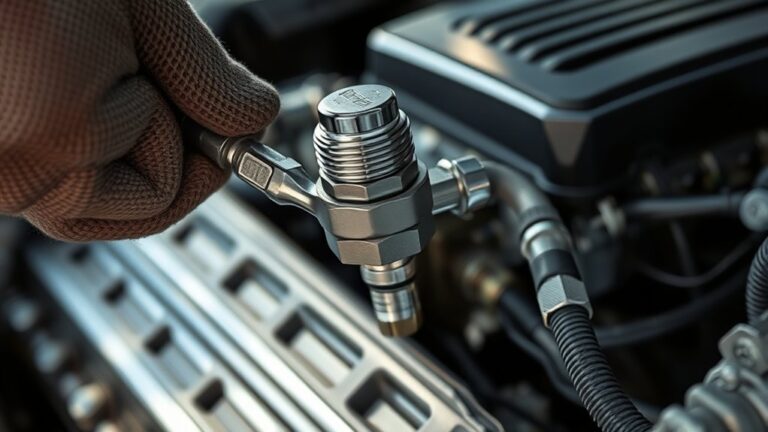
To disconnect your fuel filter, first locate it along the fuel line—typically near the fuel tank or in the engine bay. This step is essential to safely handle the fuel system. Wear safety gloves and goggles to protect yourself from fuel exposure.
Next, relieve the fuel pressure in the system to prevent fuel spray. Place a catch pan below the filter to catch any spills that may occur during disconnection. Use a fuel line disconnect tool or wrench to carefully detach the fittings without causing damage.
Support the fuel lines during removal to prevent leaks or strain on the connections. After disconnecting, inspect the filter for debris or wear, and replace it if necessary. Keep following for a detailed, step-by-step approach.
Where to Find Your Fuel Filter
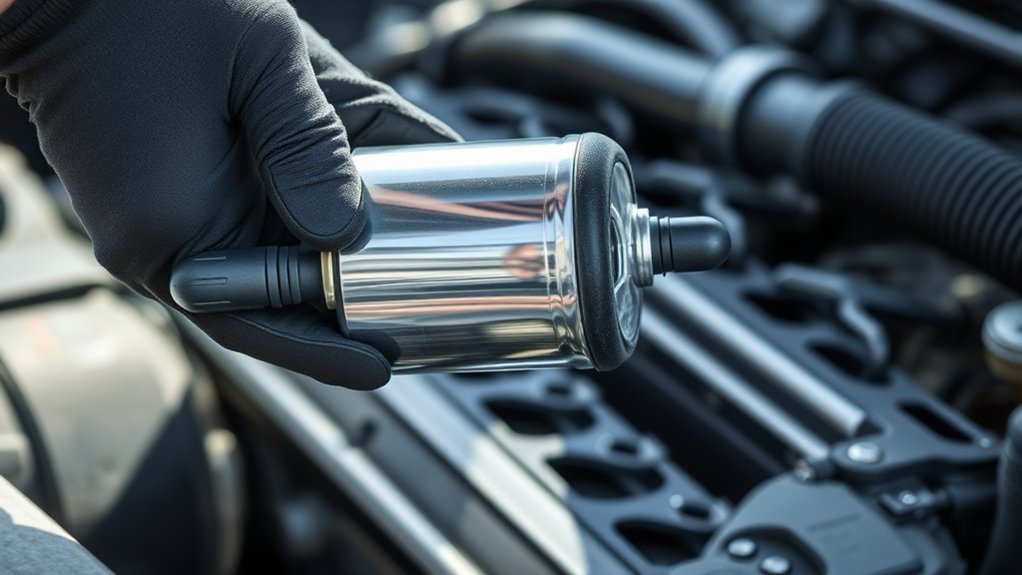
Where exactly is your fuel filter located? Typically, it’s positioned along the fuel line between the fuel tank and the engine, often under the vehicle near the fuel tank or along the frame rail.
Finding access starts by consulting your vehicle’s manual to determine the exact filter location, as it varies by make and model. In some cars, the fuel filter is inside the engine bay, mounted on the firewall or near the fuel injectors.
In others, it’s under the vehicle, requiring you to safely elevate the car. Identifying the filter location precisely ensures you can proceed without unnecessary removal of components.
Tools You Need to Disconnect Your Fuel Filter
Which tools will you need to safely and efficiently disconnect your fuel filter? Selecting the right equipment is critical to avoid disassembly pitfalls such as damaging fittings or causing leaks. Proper tool calibration ensures each component is handled with precision, reducing risks and streamlining the process.
Choosing the right tools prevents damage and leaks, ensuring a safe, precise, and efficient fuel filter disconnection.
Here’s what you should have on hand:
- Fuel line disconnect tool set Designed for quick, secure connections without damage.
- Adjustable wrench Calibrated to apply appropriate torque on fittings.
- Needle-nose pliers For gripping and maneuvering small clips or clamps.
- Safety gloves To protect your hands from fuel exposure and sharp edges.
Using these tools correctly will help you maintain control and prevent costly errors during fuel filter disassembly.
Safe Fuel Line Handling to Avoid Spills
A careful approach to handling fuel lines is essential to prevent spills and ensure safety during fuel filter disconnection. Practice safe fuel line handling by working in a well-ventilated area and wearing protective gloves.
Before disconnecting, relieve fuel system pressure to minimize fuel spray. Use appropriate containers to catch any residual fuel draining from the lines.
Always position rags or absorbent pads beneath the work area for spill prevention. Avoid sudden movements that could cause fuel to leak unexpectedly.
When detaching fuel lines, support the lines properly to prevent strain or damage that may lead to leaks. Dispose of any spilled fuel and contaminated materials according to local regulations.
Following these measures ensures effective spill prevention and maintains a safe working environment throughout the fuel filter disconnection process.
Step-by-Step: Disconnecting the Fuel Filter
How do you begin disconnecting the fuel filter safely and efficiently? First, ensure you relieve fuel system pressure to prevent leaks. Wear safety goggles and gloves to protect yourself from fuel exposure. Use the correct tools to avoid damaging fittings.
Begin by relieving fuel pressure, wearing safety gear, and using proper tools to avoid damage.
Follow these fuel filter tips for disconnecting safety:
- Place a catch pan beneath the filter to collect any spilled fuel.
- Carefully loosen the fuel line fittings without applying excessive force.
- Use a rag to wipe away residual fuel before moving to the next connection.
- Keep a fire extinguisher nearby for emergencies.
Replacing or Inspecting Your Fuel Filter After Disconnection
When should you replace or inspect your fuel filter after disconnection? You should inspect the filter immediately after disconnecting fuel lines, especially if you notice debris, discoloration, or clogging.
Follow safety procedures by ensuring no fuel leaks during disconnection and wear protective gear to avoid exposure. Examine the filter housing for cracks or damage that could affect performance.
If the filter shows signs of contamination or deterioration, replace it promptly to maintain optimal fuel flow and engine efficiency. Always use a compatible replacement filter and verify proper installation to prevent leaks.
After replacement or inspection, securely reconnect fuel lines and check for leaks before starting the engine. Adhering to safety procedures throughout ensures a safe, effective fuel filter maintenance process.
Frequently Asked Questions
How Often Should I Replace My Fuel Filter?
You should replace your fuel filter every 20,000 to 40,000 miles. Fuel filter longevity varies by vehicle, so compare replacement intervals in your manual to ensure or achieve optimal engine performance and prevent clogging or fuel flow issues.
What Are the Signs of a Clogged Fuel Filter?
You’ll notice a 20% drop in fuel efficiency with a clogged fuel filter. Bad fuel causes a clogged nozzle, reducing fuel pressure, leading to engine hesitation, rough idling, and difficulty starting your vehicle.
Can a Dirty Fuel Filter Affect Engine Performance?
Yes, a dirty fuel filter reduces fuel flow, causing poor engine performance like hesitation or stalling. Avoid unrelated topics or irrelevant subtopics; focus strictly on fuel filter impact to diagnose and resolve engine inefficiencies effectively and precisely.
Is It Necessary to Prime the Fuel System After Filter Replacement?
Think of your fuel system like a garden hose; if air gets trapped, it blocks flow.
Yes, you need to prime the fuel system after filter replacement to remove air in fuel and ensure proper engine operation.
Are Fuel Filters Universal or Vehicle-Specific?
Fuel filters aren’t universal; they’re vehicle-specific due to differences in size, fittings, and flow rates.
You’ll need to check compatibility carefully to avoid performance issues or leaks caused by mismatched fuel filter designs.
Conclusion
Now that you’ve carefully disconnected your fuel filter, imagine the smooth flow of clean fuel powering your engine. With the right tools and safety steps, you’ve prevented spills and guaranteed a secure disconnection.
Whether you’re inspecting or replacing the filter, this precise approach keeps your fuel system running efficiently. Stay methodical, stay safe, and enjoy the confidence that comes from mastering this essential maintenance task.
By following these guidelines, you ensure a proper and safe way to disconnect the fuel filter every time.