What’s the Difference Between the Highlander and the Grand Highlander
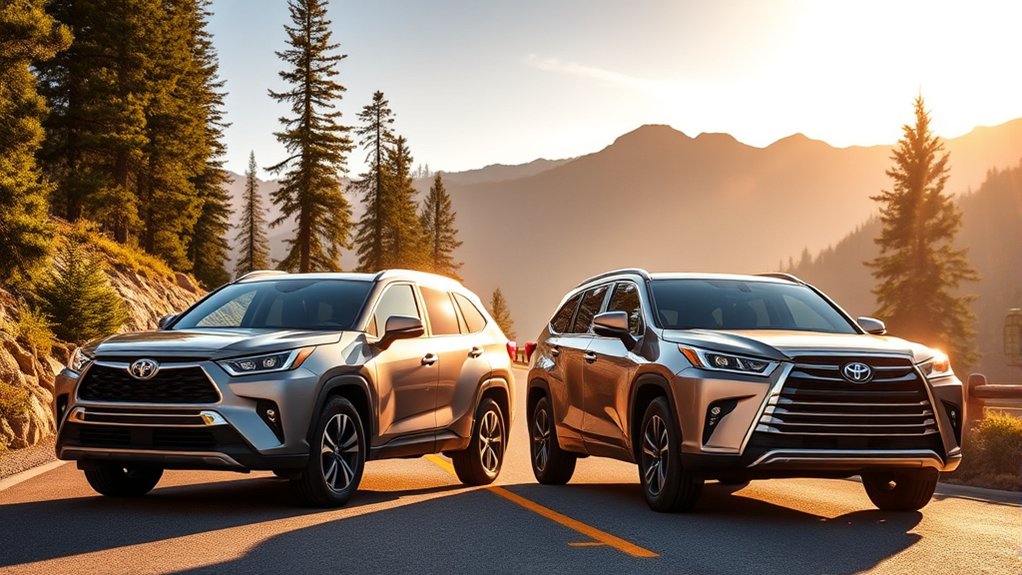
You’ll find the Highlander suits smaller families, offering solid off-road ability, a hybrid engine, and seating for seven, though the third row is tighter.
The Grand Highlander is larger, with more adult-friendly third-row space, extra cargo room, a stronger V6 engine, and premium tech features, but at a higher price and lower fuel efficiency.
Both provide Toyota reliability, so your choice depends on balancing passenger comfort, performance, and daily needs.
Exploring the details reveals which matches your lifestyle best.
Understanding the difference between the Highlander and the Grand Highlander helps you make an informed decision.
Key Takeaways
- The Grand Highlander is larger, offering more third-row space and better adult seating compared to the more compact Highlander.
- Highlander features a 2.5-liter hybrid engine prioritizing fuel efficiency, while the Grand Highlander has a stronger 3.5-liter V6 for performance.
- Grand Highlander provides greater cargo capacity and enhanced storage flexibility than the Highlander.
- The Grand Highlander includes premium interior materials, larger displays, and advanced safety features beyond the Highlander’s standard offerings.
- Highlander suits everyday use and occasional off-road trips, while Grand Highlander supports larger groups and heavier gear with a higher starting price.
Highlander vs. Grand Highlander: Which Toyota SUV Fits Your Family?
How do you choose between the Highlander and the Grand Highlander for your family? Start by considering your team dynamics—how many passengers you usually carry and their comfort needs. The Highlander offers solid off road capability, suitable for families who enjoy weekend adventures without requiring extreme terrain performance.
Meanwhile, the Grand Highlander expands on this with enhanced space and features, supporting larger groups and more gear without compromising on moderate off road use. Both SUVs maintain Toyota’s reliability, but your choice hinges on balancing passenger comfort with intended off road activity.
If your family prioritizes versatile, everyday usability with occasional trail drives, the Highlander fits well. For more expansive needs and slightly tougher off road demands, the Grand Highlander becomes a practical option.
Size and Seating Capacity Compared
Both the Highlander and Grand Highlander offer spacious interiors, but their size and seating capacities cater to different needs. The Grand Highlander features larger dimensions, providing more room overall. This increase in size translates to enhanced comfort, especially in the third row availability, which is more accommodating for adults compared to the Highlander’s third row, better suited for children or shorter trips.
If you regularly carry more passengers, the Grand Highlander’s extra space makes a noticeable difference. Meanwhile, the Highlander seats up to seven with a standard third row, but its slightly smaller size means less legroom and headroom in that area. Your choice depends on whether you prioritize a more compact SUV or a vehicle with larger dimensions and more flexible seating options.
Cargo Space and Storage in Both Models
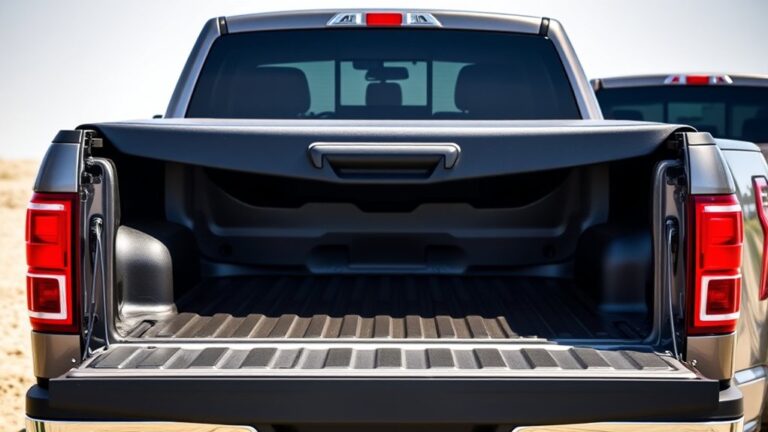
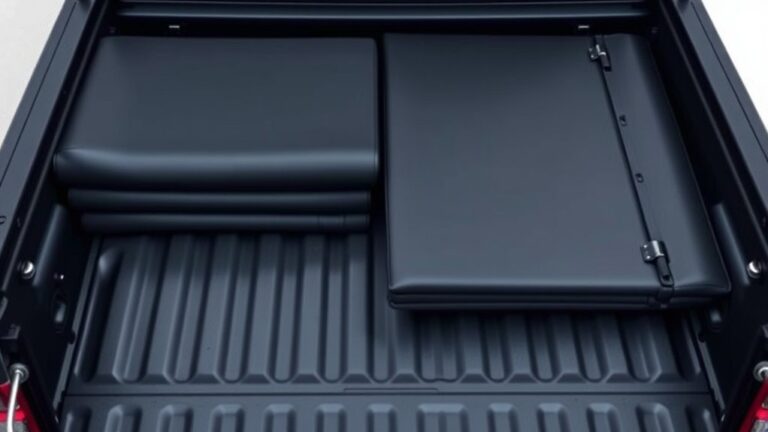
Where can you fit all your gear when hitting the road? The Grand Highlander offers noticeably more cargo space than the standard Highlander, making it better suited for larger loads or extended trips. Behind the third row, the Grand Highlander provides about 16.2 cubic feet of cargo space, whereas the Highlander offers closer to 16.0 cubic feet.
However, the real difference appears when you fold down the rear seats: the Grand Highlander expands significantly, providing up to 84.3 cubic feet compared to the Highlander’s 84.3 cubic feet. Both models include versatile storage options like underfloor compartments and split-folding seats, but the Grand Highlander’s additional room gives you more flexibility.
Ultimately, if cargo space and storage options are priorities, the Grand Highlander edges out the Highlander.
Performance and Engine Options Compared
While cargo capacity matters for your adventures, the way each Highlander handles the road shapes your overall driving experience. The standard Highlander offers a 2.5-liter four-cylinder hybrid engine delivering balanced power and impressive fuel economy, ideal if you prioritize efficiency. It produces solid engine torque, providing smooth acceleration without sacrificing mileage.
The Grand Highlander, however, steps up with a larger 3.5-liter V6 engine, granting more engine torque for stronger performance, especially when carrying heavier loads or towing. This boost comes with a trade-off in fuel economy, as the Grand Highlander tends to consume more fuel due to its bigger engine. Choosing between them depends on whether you value fuel savings or enhanced power for your driving needs.
Interior Features and Technology Overview
How do the Highlander and Grand Highlander differ when it comes to interior features and technology? While exterior aesthetics don’t play a role here, the interior design and technology upgrades set these SUVs apart.
The Grand Highlander offers a more spacious cabin with an emphasis on comfort, featuring upgraded materials and additional seating configurations. Technology-wise, both models include touchscreen infotainment systems, but the Grand Highlander typically boasts larger displays and enhanced connectivity options like wireless charging and premium audio systems.
You’ll also find advanced driver-assist features integrated into both, though the Grand Highlander tends to offer more sophisticated tech packages. Overall, if you prioritize a roomier interior with the latest tech upgrades, the Grand Highlander edges ahead, while the Highlander remains a solid choice with a well-rounded, functional cabin.
Unique Safety Features for Each SUV
Beyond interior comforts and technology, safety remains a top priority for both the Highlander and Grand Highlander. When you look closely, crystal clear safety features distinguish each SUV.
The Highlander includes Toyota Safety Sense 2.5+, offering enhancements like improved pedestrian detection and lane tracing assist. Meanwhile, the Grand Highlander builds on this with added driver-assist options, such as a panoramic view monitor and rear cross-traffic braking.
Your choice depends on what safety tools you value most. Comparison driven analyses show that while both models provide robust protection, the Grand Highlander’s additional features cater to those wanting extra awareness in tight or complex driving situations. Understanding these nuances helps you make a well-informed decision without overlooking critical safety advancements unique to each SUV.
Pricing, Value, and Choosing the Right Model
When comparing the Highlander and Grand Highlander, how do their prices and overall value stack up? Both SUVs follow a distinct pricing strategy reflecting their size and features.
The Grand Highlander typically comes with a higher starting price, aligning with its larger size and additional amenities. Your choice depends on your priorities and budget. Brand perception favors the Grand Highlander as a more premium family option, while the Highlander appeals to those seeking a balanced midsize SUV.
A feature comparison reveals the Grand Highlander offers more space and advanced tech, but the Highlander provides strong value for its price. Warranty coverage remains consistent across both models.
When choosing the right model, weigh your space needs, desired features, and budget to find the best fit.
Frequently Asked Questions
What Are the Color Options Available for Each Model?
You’ll find distinct color palettes and interior materials for each, tailored to their price brackets and trims. The Highlander offers classic hues, while the Grand Highlander includes richer, upscale options reflecting its premium trims and materials.
How Do Maintenance Costs Compare Between the Two SUVS?
You’ll find maintenance costs for both SUVs fairly similar, but the Grand Highlander’s larger engine options may slightly raise expenses.
Fuel economy impacts resale value too, so consider your priorities when choosing between them.
Are There Hybrid Versions of Both the Highlander and Grand Highlander?
You’re in for a treat. Both the Highlander and Grand Highlander offer hybrid versions that deliver impressive hybrid performance and fuel economy. This means you’ll enjoy efficient drives without sacrificing power or style.
What Warranty Coverage Is Offered for Each Vehicle?
You get similar warranty coverage specifics for both: a 3-year/36,000-mile basic and 5-year/60,000-mile powertrain warranty.
Expect comparable maintenance cost expectations, with routine services covering oil changes, brakes, and inspections for both vehicles.
Can Both SUVS Be Equipped With Towing Packages?
Yes, both SUVs offer towing package availability, enhancing their utility. With hybrid propulsion options available, you can choose efficient powertrains while still having the capability to tow, balancing performance and eco-friendly driving effectively.
Conclusion
When choosing between the Highlander and Grand Highlander, consider your family size: the Grand Highlander offers up to 7 or 8 seats, compared to the Highlander’s 5 to 7. This extra space can make a big difference if you regularly travel with more passengers.
Both deliver strong performance and safety, but your decision will hinge on seating needs and cargo space. Knowing these key differences helps you pick the Toyota SUV that fits your lifestyle best.
Understanding these distinctions is essential when deciding between the Highlander and Grand Highlander.