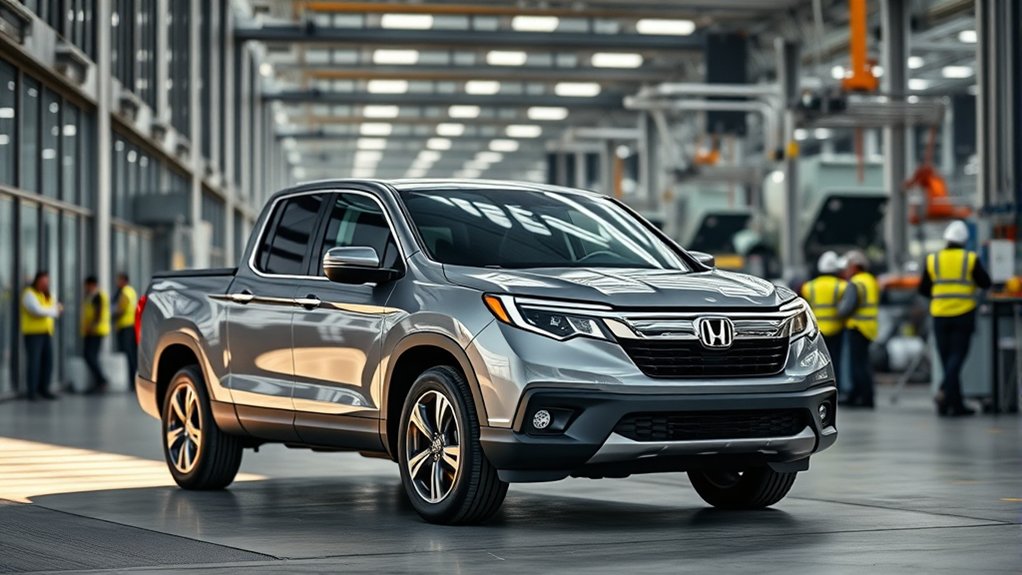
Where Are Honda Ridgelines Built
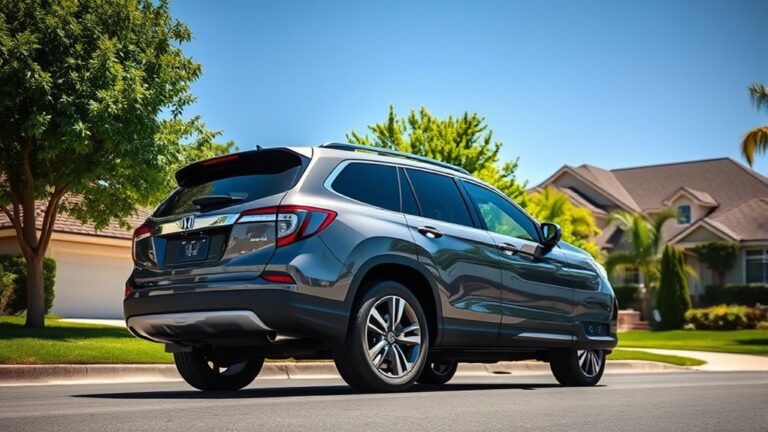
You’ll find Honda Ridgelines primarily built at the Lincoln, Alabama plant, designed specifically for high-quality SUV production with an experienced, skilled workforce.
This North American location offers streamlined logistics, just-in-time supplier networks, and strong quality controls, helping keep costs down and responsiveness up.
Earlier Ridgeline assembly started here but shifted to optimize processes.
Choosing this plant also reduces tariffs and supports fast delivery.
Keep exploring to understand how this setup impacts availability, price, and overall quality.
Key Takeaways
- Honda Ridgelines are primarily built at the Lincoln, Alabama assembly plant.
- The East Liberty, Ohio facility supports additional production capacity for the Ridgeline.
- Production is focused in North America to align with market demand and logistics efficiency.
- The Alabama plant’s layout and skilled workforce optimize Ridgeline assembly and quality control.
- Plant selection considers local incentives, supplier proximity, and cost efficiencies to enhance production.
Where Are Honda Ridgelines Manufactured Today?
Where are Honda Ridgelines manufactured today? You’ll find them assembled primarily at Honda’s manufacturing plant in Lincoln, Alabama. This location plays a crucial role in the production process, optimizing manufacturing logistics to ensure efficient workflow and timely delivery.
The plant benefits from well-established supplier networks that provide essential components, helping maintain quality and consistency. These networks enable Honda to coordinate parts supply effectively, minimizing delays and supporting just-in-time manufacturing strategies.
When you consider the Ridgeline’s production, you see a streamlined system designed to balance cost, quality, and speed. By focusing on strategic manufacturing logistics and robust supplier networks, Honda ensures the Ridgeline meets consumer demand while maintaining high standards. This setup reflects Honda’s commitment to efficient vehicle assembly in today’s competitive market.
The History of Honda Ridgeline Assembly Locations
You’ll find that the Honda Ridgeline’s assembly has shifted over time, starting at early manufacturing sites before moving to current production facilities. Understanding this history helps you see how Honda optimized its production processes. Let’s explore where these key assembly locations have been throughout the Ridgeline’s development.
Early Manufacturing Sites
How did the Honda Ridgeline establish its manufacturing roots? You need to look back to its early production phases in the early 2000s. Initially, Honda Ridgelines were assembled at the Lincoln, Alabama plant, marking a significant point in the brand’s historical shifts in manufacturing strategy.
This site played a crucial role during the Ridgeline’s introduction, reflecting early plant evolution focused on integrating truck production within Honda’s existing automotive framework. The Lincoln facility allowed Honda to balance quality control with adapting to market demands for mid-size trucks.
Understanding these early manufacturing sites helps you appreciate how Honda laid the groundwork for the Ridgeline’s production, setting standards that influenced later shifts in assembly locations and manufacturing advancements.
Current Production Facilities
Which facilities currently handle the production of Honda Ridgelines? The primary current facilities responsible for manufacturing the Ridgeline are Honda’s assembly plants in Lincoln, Alabama, and East Liberty, Ohio. These locations reflect Honda’s strategic production allocations to optimize efficiency and meet market demand.
The Lincoln plant mainly focuses on the Ridgeline alongside other SUV models, while the East Liberty facility supports additional production capacity and flexibility. Both current facilities utilize advanced manufacturing technologies and strict quality controls to maintain the Ridgeline’s standards.
Understanding these production allocations helps you appreciate how Honda balances output and logistics to serve North American customers effectively. As a result, the Ridgeline benefits from consistent build quality and availability through these designated production sites.
Why Honda Builds Ridgelines at Specific Plants
Why does Honda choose certain plants to build Ridgelines? You’ll find that Honda looks at several strategic factors. Early labor availability is essential; plants with a skilled, well-trained workforce help maintain production quality and efficiency from the start.
Honda also considers import tariffs, aiming to minimize costs by building Ridgelines in locations that reduce or avoid these fees, especially for vehicles sold in key markets. Proximity to suppliers and customers plays a role, too, but early labor readiness and tariff considerations often take priority.
What Makes Honda’s Alabama Plant Ideal for Ridgeline Production
What factors make Honda’s Alabama plant the prime choice for Ridgeline production? You’ll find that a combination of strategic plant architecture and supportive local politics plays a key role.
The facility’s layout optimizes workflow, allowing for efficient assembly processes tailored to the Ridgeline’s complex design. This architecture reduces production time and enhances quality control.
Furthermore, local politics in Alabama have fostered a cooperative environment, providing Honda with incentives and stable regulatory conditions. These factors ensure smooth operations and long-term investment security.
Together, the plant’s specialized design and favorable political climate create an ideal setting for producing the Ridgeline, balancing efficiency with high standards, making the Alabama plant a logical and effective choice for Honda’s mid-size pickup manufacturing.
How North American Production Benefits Honda Ridgeline Quality
When you choose a Honda Ridgeline built in North America, you benefit from local manufacturing advantages like faster response times and streamlined logistics. You’ll also find that strict quality control standards are easier to maintain with production nearby. These factors combine to help guarantee the Ridgeline meets high-quality expectations consistently.
Local Manufacturing Advantages
How does building the Honda Ridgeline in North America enhance its overall quality? Producing the Ridgeline locally means you benefit from reduced costs tied to local taxes and import duties, allowing Honda to invest more in materials and craftsmanship.
Manufacturing close to the primary market also streamlines logistics, reducing lead times and potential damage during transport.
Here are key local manufacturing advantages:
- Cost Efficiency: Lower expenses from minimized import duties and local taxes help maintain competitive pricing without sacrificing quality.
- Supply Chain Control: Proximity to suppliers ensures timely delivery of parts, supporting consistent assembly standards.
- Market Responsiveness: Faster adaptation to consumer preferences and regulatory changes improves product relevance and durability.
These factors collectively contribute to a Ridgeline that meets your expectations for reliability and performance.
Quality Control Standards
Why does producing the Honda Ridgeline in North America elevate its quality control standards? When manufacturing happens close to home, Honda can implement rigorous quality control measures more effectively. You benefit from real-time monitoring of production processes, ensuring each Ridgeline meets strict standards before leaving the plant.
North American production also fosters stronger supplier partnerships, allowing Honda to collaborate closely with local parts providers. This proximity reduces delays, enhances communication, and promotes consistent component quality. As a result, you get a vehicle built with precision and reliability.
How Production Location Affects Ridgeline Price and Availability
Where does the production location of the Honda Ridgeline impact its price and availability? The manufacturing site plays a key role in shaping price dynamics and addressing exploration gaps in the supply chain.
The production location directly influences the Honda Ridgeline’s pricing and availability through supply chain efficiency.
When Ridgelines are built closer to your market, you often see lower shipping costs and faster delivery times, which can reduce the final price you pay. Conversely, distant production can introduce delays and added expenses.
Consider these factors:
- Local production minimizes transportation costs, influencing price stability.
- Proximity to manufacturing facilities improves availability and reduces wait times.
- Regions with established supply chains close exploration gaps, ensuring consistent inventory.
Understanding these aspects helps you grasp how production location affects what you pay and when you can get your Ridgeline.
Frequently Asked Questions
What Are the Main Competitors of the Honda Ridgeline?
You’ll find the main competitors of the Honda Ridgeline in the midsize truck segment, including the Toyota Tacoma, Ford Ranger, and Chevrolet Colorado.
Understanding this competitor landscape clarifies Ridgeline’s unique market positioning focused on comfort and versatility.
How Does the Ridgeline’s Fuel Efficiency Compare to Other Trucks?
Imagine your Ridgeline fuel tank sipping gas like a dainty tea party guest while other trucks guzzle like they’re at an all-you-can-eat buffet.
In truck comparisons, it’s particularly more efficient, saving you cash and emissions.
What Are the Top Safety Features of the Honda Ridgeline?
You’ll appreciate the Honda Ridgeline’s top safety features like Collision Mitigation Braking, Adaptive Cruise Control, Lane Keeping Assist, and a Multi-Angle Rearview Camera.
These systems actively protect you and enhance your driving confidence.
How Customizable Is the Honda Ridgeline Interior?
Imagine tailoring your space exactly how you want. Honda Ridgeline offers extensive customization options with premium interior materials.
You’ll find adjustable seating, ambient lighting, and trim choices that let you personalize comfort and style effortlessly.
What Is the Typical Warranty Coverage for a Honda Ridgeline?
The typical warranty for a Honda Ridgeline includes 3 years/36,000 miles basic coverage and 5 years/60,000 miles powertrain coverage.
It also offers roadside assistance for 3 years/36,000 miles, ensuring solid protection.
Conclusion
Think of the Honda Ridgeline as a finely crafted watch, assembled where precision meets expertise—in Honda’s Alabama plant. Just like a master watchmaker selects the best tools and environment, Honda builds Ridgelines where quality and efficiency align.
This careful choice guarantees you get a reliable, durable truck without unnecessary costs. Understanding where your Ridgeline is made helps you appreciate the craftsmanship behind every mile you drive. Knowing where Honda Ridgelines are built adds another layer of appreciation for this exceptional vehicle.