
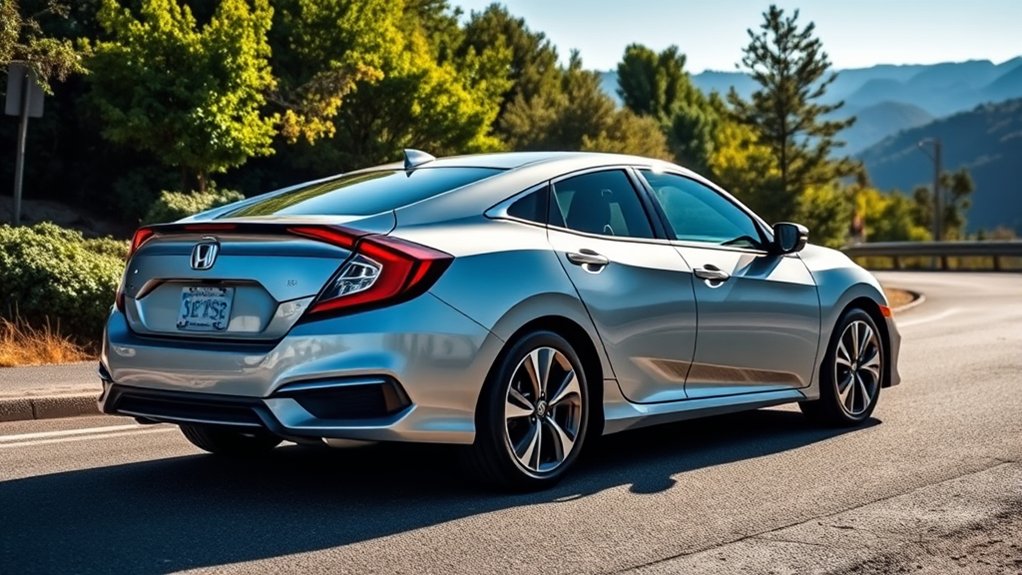
Are Honda Civics Good Cars
You’ll find Honda Civics are good cars if you value reliability, fuel efficiency, and low ownership costs. They offer a comfortable ride, user-friendly tech, and strong safety features, making them practical daily drivers.
With consistent high resale value and manageable maintenance, Civics balance comfort, performance, and durability well.
Whether you prefer a compact or sedan, each model suits different needs.
There’s plenty more to explore about how Civics perform and hold up over time.
Key Takeaways
- Honda Civics are highly reliable, with durable engines and affordable routine maintenance costs.
- They offer excellent fuel efficiency, reducing overall ownership expenses.
- Civics maintain strong resale value due to slow depreciation and recognized longevity.
- The model features advanced safety ratings and standard Honda Sensing safety technologies.
- Multiple trims balance performance, comfort, and tech, appealing to a wide range of drivers.
Why Drivers Love the Honda Civic?
Why do so many drivers choose the Honda Civic? You’ll find that the Civic offers reliability, fuel efficiency, and a strong resale value, key factors in its popularity. When exploring two word discussion ideas like “performance consistency” or “maintenance cost,” it’s clear the Civic balances these well.
You won’t experience subtopic drift if you focus on these essential attributes, as they directly influence why drivers remain loyal. The Civic’s reputation for durability also means fewer unexpected repairs, saving you money over time.
Additionally, its user-friendly design and comfortable ride appeal to a broad audience. By concentrating on these core benefits, you can understand why the Civic stands out in a crowded market without veering off into unrelated topics.
Which Honda Civic Model Fits Your Needs Best?
You’ll want to contemplate whether a compact or sedan model suits your lifestyle and space needs. Think about how performance and fuel efficiency balance with your daily driving habits. Also, evaluate the tech features and safety options that matter most to you.
Compact Vs. Sedan Options
How do you decide between a Honda Civic compact and sedan? Start by weighing the two word discussion ideas: size and practicality. The compact offers maneuverability and easier parking, ideal for urban driving.
Its smaller footprint brings clear compact advantages, like fitting into tighter spaces and often lower cost. Conversely, the sedan provides more interior room and a larger trunk, catering to those who prioritize passenger comfort and cargo capacity.
If you regularly carry passengers or gear, the sedan’s extra space may suit you better. Both models share Honda’s reliability and safety features, so your choice depends mainly on your lifestyle needs.
Performance And Fuel Efficiency
When choosing between Honda Civic models, performance and fuel efficiency often take center stage. You want a car that balances power with economy, not an unrelated topic like styling or infotainment.
For instance, the Civic Si offers sporty acceleration, while the standard LX trims focus on maximizing miles per gallon. Avoid random analysis by comparing key specs directly.
Below is a concise comparison to help you decide which Civic fits your driving needs best.
| Model | Horsepower | Fuel Efficiency (MPG) |
|---|---|---|
| LX | 158 hp | 30 city / 38 highway |
| EX | 158 hp | 32 city / 42 highway |
| Sport | 180 hp | 29 city / 37 highway |
| Si | 200 hp | 26 city / 36 highway |
| Type R | 306 hp | 22 city / 28 highway |
Tech Features And Safety
Which Honda Civic model offers the best blend of tech features and safety depends on your priorities and budget. If you value advanced connectivity, the EX trim includes Apple CarPlay and Android Auto, while the Touring model adds a premium audio system and a digital instrument cluster.
When it comes to safety practices, all Civics come equipped with Honda Sensing, a suite of driver-assist technologies like collision mitigation braking and lane-keeping assist. However, higher trims provide additional safety enhancements such as blind-spot monitoring and rear cross-traffic alert.
If you want the most exhaustive tech features and safety practices, the top-tier Touring model fits best. For a balance of affordability and essential tech, the EX or LX trims serve well. Your choice hinges on which features align with your daily driving needs.
How Does the Honda Civic Perform on the Road?
What sets the Honda Civic apart in everyday driving? You’ll notice its balanced handling and responsive steering, making it approachable for new drivers. Whether you’re consulting a beginners’ guide or comparing price differences, the Civic offers consistent performance across trims.
| Aspect | Details |
|---|---|
| Handling | Smooth, precise steering |
| Ride Comfort | Firm but comfortable suspension |
| Engine Response | Quick acceleration, minimal lag |
This compact car adapts well to urban streets and highways, providing a stable ride without feeling stiff. Its suspension absorbs bumps effectively, while the engine delivers reliable power for daily commutes. You can expect a driving experience that’s both engaging and practical, making the Civic a solid choice for a wide range of drivers.
How Fuel Efficient Is the Honda Civic Compared to Competitors?
How does the Honda Civic stack up against its competitors in terms of fuel efficiency? When you look at fuel economy, the Civic consistently ranks near the top of its class, offering impressive miles per gallon both in city and highway driving.
Compared to rivals like the Toyota Corolla and Mazda3, the Civic’s efficient engine options and aerodynamic design help reduce fuel consumption. In hybrid variants, it further boosts efficiency, often surpassing competitors in real-world conditions.
Rival comparisons show the Civic strikes a solid balance between performance and economy, making it a practical choice if saving on fuel costs is a priority. Overall, you can expect the Honda Civic to deliver reliable fuel economy without sacrificing driving enjoyment or practicality.
How Safe Is the Honda Civic in Crash Tests and Real Life?
You’ll want to look at both crash test ratings and real-world safety records to understand how safe the Honda Civic is. These data points show how well the car protects occupants during collisions and performs under everyday driving conditions. By comparing these factors, you can get a clearer picture of the Civic’s overall safety.
Crash Test Ratings
When considering safety, you might wonder if the Honda Civic holds up well in crash tests and real-world scenarios. The Civic’s iconic design isn’t just about style; it also contributes to structural integrity. If you’re exploring lease options, knowing the car’s safety ratings is crucial.
Here’s what crash tests reveal:
- The National Highway Traffic Safety Administration (NHTSA) consistently awards the Civic high marks, often a 5-star overall rating.
- The Insurance Institute for Highway Safety (IIHS) frequently names the Civic a Top Safety Pick, reflecting strong performance in front, side, and rollover crash tests.
- Advanced safety features standard in recent models enhance protection, boosting crash test outcomes.
These ratings show the Civic combines style and safety, making it a reliable choice for cautious drivers.
Real-World Safety Records
Why should you trust the Honda Civic’s safety beyond standardized crash tests? Real-world safety records offer crucial insight, showing how Civics perform on actual roads under varied conditions. Data from insurance claims and accident reports reveal that Civics consistently rank well in protecting occupants, reducing injury severity compared to many competitors.
When exploring topic ideas around vehicle safety, consider how subtopic twists like driver behavior and road conditions influence these outcomes. The Civic’s solid safety features, combined with its crashworthiness, translate to fewer serious injuries in real life. So, while crash tests provide a controlled baseline, real-world data confirms the Civic’s reliability in protecting you during everyday driving scenarios, making it a smart choice if safety is your priority.
How Comfortable Is the Honda Civic for Daily Driving?
How does the Honda Civic hold up in terms of comfort for daily driving? You’ll find it strikes a solid balance between ride quality and practicality. While it’s not a luxury sedan, the Civic offers a smooth ride and supportive seats that reduce fatigue during commutes.
Here are three key comfort aspects:
- Interior Space – The cabin provides ample legroom and headroom for front passengers, though rear seat space is tighter for taller adults.
- Ride Quality – Suspension tuning absorbs most road imperfections, delivering a controlled but comfortable ride.
- Noise Levels – Engine and road noise remain moderate, avoiding excessive distractions on highways.
That said, keep in mind reliability concerns can affect long-term comfort if maintenance costs rise unexpectedly. Overall, the Civic is a dependable daily driver with thoughtful comfort features.
Which Tech Features Come Standard in the Honda Civic?
What tech features does the Honda Civic include right out of the gate? The base model comes equipped with a 7-inch touchscreen infotainment system supporting Apple CarPlay and Android Auto, making smartphone integration seamless.
Standard safety tech includes Honda Sensing, which bundles adaptive cruise control, lane-keeping assist, and collision mitigation braking. These features address reliability concerns by enhancing driver awareness and accident prevention.
Additionally, the Civic offers a digital instrument cluster and Bluetooth connectivity as standard. This comprehensive tech package contributes positively to resale value, as buyers increasingly prioritize advanced technology in used cars.
While the Civic doesn’t overload you with luxury gadgets at the entry level, it strikes a practical balance, ensuring essential tech is accessible, supporting both safety and convenience without driving up initial costs.
What Do Owners Say About Honda Civic Reliability and Maintenance?
Many Honda Civic owners report high reliability and manageable maintenance costs, making the model a practical choice for daily driving. If you’re considering Civics maintenance, owner feedback offers valuable insight. Here are three key points to keep in mind:
- Durability: Owners often highlight the Civic’s engine and transmission longevity, with many vehicles surpassing 200,000 miles without major issues.
- Routine Maintenance Costs: Routine services like oil changes and brake replacements are typically affordable compared to other compact cars.
- Common Repairs: While some owners note occasional issues with suspension components or electronic systems, these tend to be infrequent and relatively inexpensive.
When exploring topic ideas around reliability and maintenance, these observations suggest the Honda Civic remains a dependable option that won’t demand excessive upkeep, aligning well with practical ownership expectations.
How Well Does the Honda Civic Hold Its Value Over Time?
Understanding the reliability and reasonable maintenance costs of the Honda Civic helps explain why it retains strong resale value over time. When you consider value retention, the Civic consistently ranks well compared to competitors, reflecting its durable engineering and widespread demand.
Resale dynamics favor Civics because buyers recognize their longevity and low cost of ownership, making them desirable in the used car market. As a result, you’ll find that depreciation rates for Civics tend to be slower, preserving more of your initial investment.
Additionally, the Civic’s reputation for fuel efficiency and safety features contributes to sustained appeal. If you’re evaluating long-term ownership costs, factoring in these resale dynamics helps you understand why the Civic holds its value better than many other compact cars.
Frequently Asked Questions
What Are Common Modifications Owners Make to Honda Civics?
You’ll see common modifications trends for Honda Civics include aftermarket upgrades like cold air intakes, performance exhausts, suspension lowering kits, and upgraded wheels. These enhance performance, handling, and aesthetics, reflecting owners’ preferences for personalization and improved driving experience.
How Does the Honda Civic Handle in Extreme Weather Conditions?
You’ll find Honda Civics offer decent extreme weather performance but can struggle in heavy snow. For winter driving safety, adding winter tires and cautious driving improves control, as Civics aren’t designed for severe winter conditions.
Are There Any Known Recalls for Recent Honda Civic Models?
Yes, recent Honda Civics have some recall history, mainly for airbags and fuel system issues. You’ll find parts availability reliable, making repairs manageable.
Always check official sources to stay updated on any new recalls.
What Is the Cost of Insurance for a Honda Civic?
You might be surprised. Insurance costs for a Honda Civic vary widely, influenced by factors like your location, driving history, and personalization options.
Tailoring coverage can lower expenses, so compare quotes to find the best, cost-effective plan.
How Easy Is It to Find Replacement Parts for a Honda Civic?
You’ll find replacement parts for your Honda Civic quite easily, thanks to its popularity. Even in extreme weather, quality parts designed for durability are widely available, ensuring your car stays reliable and well-maintained.
Conclusion
When you consider the Honda Civic’s blend of reliability, fuel efficiency, safety, and comfort, it’s clear why so many drivers trust it. With various models to fit your needs and advanced tech features included, it’s designed to make daily driving enjoyable.
Plus, its strong resale value adds to its appeal. So, if you’re seeking a practical and dependable car, isn’t the Honda Civic worth a closer look?
In conclusion, Honda Civics are good cars that offer a well-rounded driving experience for many types of drivers.