Can I Put Water in My Coolant Tank
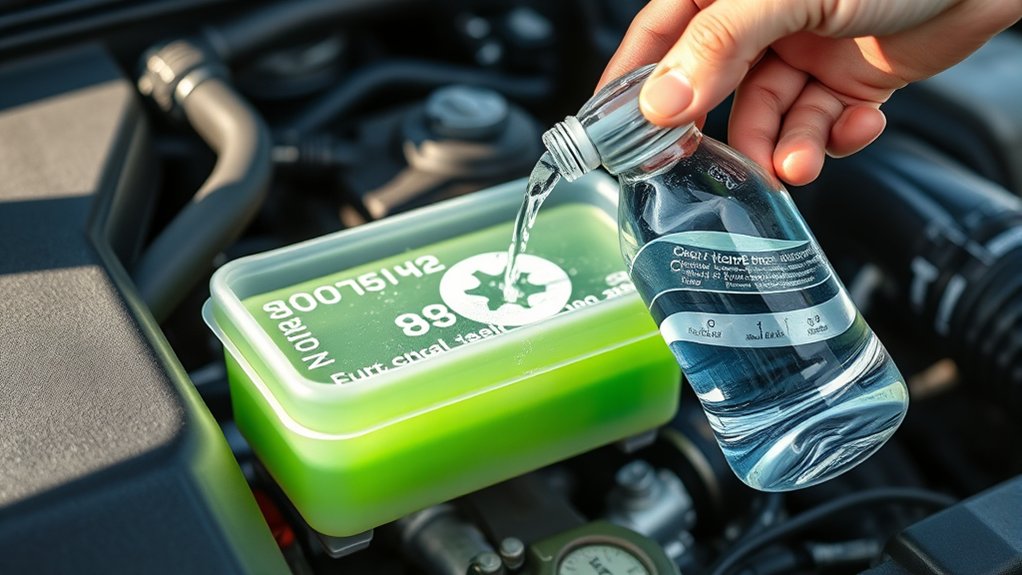
You can put water in your coolant tank only in an emergency when the coolant level drops suddenly to prevent overheating. Use distilled water if possible, but remember this is only a temporary fix until you can replace it with the proper coolant mixture.
Water lacks corrosion inhibitors and lowers the boiling point, which can cause damage if left in the system too long. Keeping the right coolant mix protects your engine and cooling system from wear and overheating.
Understanding how and when to maintain your coolant ensures your vehicle’s reliability and longevity. Always aim to use the recommended coolant for the best performance and protection.
Can You Put Water in Your Coolant Tank?
When should you put water in your coolant tank? Generally, you shouldn’t rely on plain water as a long-term solution. Coolant is specifically formulated to manage engine temperature, prevent corrosion, and protect against freezing or boiling over.
Avoid using plain water long-term; coolant protects your engine from temperature extremes and corrosion.
Techniques aside, using water alone can lead to rust buildup and reduced efficiency. However, in emergencies, adding water temporarily can prevent overheating until proper coolant is available.
From a personal finance perspective, while water is cheaper and more accessible, frequent use risks costly engine repairs. It’s best to flush and refill the system with the recommended coolant mixture promptly.
This approach safeguards your engine and reduces unexpected expenses, aligning with sound personal finance management and vehicle maintenance practices.
When Is It Okay to Use Water in Your Coolant Tank?
You can use water in your coolant tank during emergencies when your coolant level drops suddenly. This temporary measure helps prevent engine overheating until you reach a service location. However, it’s important to replace the water with proper coolant as soon as possible.
Emergency Cooling Solutions
How should you respond if your engine overheats and you don’t have proper coolant on hand? In such cases, emergency improvisation becomes crucial. You can temporarily add water to your coolant tank as a quick field hack to prevent engine damage.
Water helps dissipate heat and maintain pressure, but remember it lacks corrosion inhibitors and boiling point elevation found in coolant. Use distilled water if available to minimize mineral buildup. This solution is strictly for emergencies; only use it to get your vehicle to a repair shop.
Avoid prolonged use since water alone can cause rust and reduce cooling efficiency. Afterward, flush the system and refill it with the correct coolant mixture to restore optimal performance and protect your engine long term.
Temporary Cooling Measures
Under what circumstances can adding water to your coolant tank serve as a viable temporary cooling measure? You can use water in your coolant tank when your coolant level is critically low, and you need to prevent engine overheating until proper coolant is available. This is especially practical in emergency situations where a coolant refill isn’t immediately accessible.
Be sure to use clean, preferably distilled water to avoid mineral deposits. However, keep in mind that relying on water long-term compromises corrosion protection and boiling point elevation. Avoid confusing this with unrelated topics like random discussion about coolant additives; focus strictly on immediate cooling needs.
Once you can, replace the water with the correct coolant mixture to maintain system integrity and prevent damage. Temporary water use is a stopgap, not a permanent solution.
What Happens If You Use Only Water Instead of Coolant?
If you use only water instead of coolant, your engine’s cooling efficiency drops markedly, increasing the risk of overheating. Water lacks the corrosion inhibitors found in coolant, which can lead to rust and damage inside the cooling system. Over time, this can cause severe engine damage and costly repairs.
Cooling Efficiency Impact
Why does using only water instead of coolant reduce your engine’s cooling efficiency? Water has a lower boiling point and different coolant viscosity than proper antifreeze mixtures. This means it can boil over faster, causing overheating.
Additionally, water doesn’t transfer heat as effectively under high temperatures, reducing your engine’s ability to cool consistently.
| Property | Water | Coolant Mixture |
|---|---|---|
| Boiling Point | 100°C (212°F) | 129-135°C (264-275°F) |
| Viscosity | Lower | Optimized for Pumping |
| Heat Transfer Efficiency | Less Effective | More Effective |
Using only water compromises thermal management, risking engine damage. For reliable cooling efficiency, stick to a correct coolant blend designed for your vehicle’s specifications.
Corrosion Risks Explained
How does using only water in your coolant tank affect your engine’s internal components? Water lacks the additives found in coolant that inhibit corrosion mechanisms.
Without these inhibitors, metal parts inside the engine, like the radiator, water pump, and engine block, are more vulnerable to rust and corrosion. Additionally, water contains minerals that can accumulate over time, leading to mineral buildup.
This buildup restricts coolant flow, reduces heat transfer efficiency, and accelerates corrosion by creating localized acidic conditions. Coolants are formulated to prevent these issues by balancing pH and including corrosion inhibitors.
Using only water sacrifices this protection, increasing maintenance needs and shortening the lifespan of engine components. To minimize corrosion risks, you should always use a proper coolant mixture rather than water alone.
Engine Damage Possibilities
Neglecting the protective properties of coolant and relying solely on water exposes your engine to significant damage risks. Water lacks the necessary additives that prevent overheating, corrosion, and freezing.
Without coolant’s corrosion inhibitors, metal components deteriorate faster, leading to leaks and reduced engine lifespan. Water’s lower boiling point raises the risk of vapor lock and overheating under high temperatures.
Additionally, water freezes at 32°F (0°C), which can cause blockages or cracked engine blocks in cold climates. Some may consider this an irrelevant topic or stray concept, but the consequences are severe.
Using only water compromises your engine’s thermal regulation and structural integrity. To avoid costly repairs, always use the appropriate coolant mixture designed for your vehicle’s specifications rather than substituting with water alone.
How Does Water Impact Engine Cooling and Cause Damage?
What happens when you add water to your engine’s cooling system? Water absorbs heat efficiently, helping regulate engine temperature temporarily. However, pure water lacks corrosion inhibitors found in proper coolant mixtures, which can lead to rust and scale buildup inside your cooling system.
This buildup restricts coolant flow, reducing heat transfer and potentially causing overheating. Over time, corrosion damages metal components, leading to leaks and costly repairs. Additionally, water’s lower boiling point compared to coolant increases the risk of boiling over under high engine stress, compromising fuel efficiency and overall car care.
While water can serve as an emergency coolant top-up, relying on it long-term undermines your engine’s performance and longevity. Proper coolant mixtures ensure optimal thermal regulation and protect your engine from damage.
What’s the Right Coolant-to-Water Mix for Your Car?
Determining the right coolant-to-water ratio is essential for maintaining your engine’s temperature and preventing damage. Most manufacturers recommend a 50/50 mix of coolant and distilled water, balancing freezing point depression and boiling point elevation.
This ratio supports optimal heat transfer and corrosion protection, key factors in effective coolant maintenance. Using less coolant than advised reduces antifreeze properties, risking freeze damage and corrosion, while too much can lower cooling efficiency.
Some climates and vehicle models may require a 60/40 or 70/30 mix; consult your owner’s manual for specific two word discussion ideas like “climate considerations” or “manufacturer guidelines.” Always use distilled water to avoid mineral buildup.
Keeping the proper mixture ensures your engine runs cooler, extends radiator life, and prevents costly repairs.
How Do You Safely Add Water to Your Coolant Tank in an Emergency?
While maintaining the correct coolant-to-water ratio is ideal, emergencies may require you to add water directly to your coolant tank. For coolant safety, stop the engine and allow it to cool completely before opening the tank to prevent burns. Use distilled water if possible to minimize mineral buildup.
Add water slowly to avoid overfilling, then replace the cap securely. Follow emergency procedures by driving cautiously to the nearest service station to restore proper coolant mix.
| Step | Action | Reason |
|---|---|---|
| Coolant Safety | Let engine cool before opening | Prevents burns |
| Water Selection | Use distilled water | Reduces mineral deposits |
| Filling Technique | Add water slowly | Avoids overflow |
| Post-Addition Action | Tighten cap, drive cautiously | Prevents leaks, ensures safety |
When Should You Flush and Replace Your Coolant System?
Because coolant degrades over time and loses its effectiveness, you should flush and replace your coolant system regularly to prevent overheating and corrosion. Typically, manufacturers recommend flushing every 30,000 to 50,000 miles or every 2 to 5 years, depending on your vehicle and coolant type. Integrate this into your maintenance scheduling to avoid unexpected failures.
If you notice discoloration, sludge, or overheating, flush immediately. Emergency planning also requires you to know when a coolant flush is overdue, as degraded coolant compromises engine protection. Regular inspection and adherence to the manufacturer’s intervals ensure optimal performance.
Don’t wait for symptoms; proactive replacement safeguards your engine’s longevity and prevents costly repairs caused by corrosion or blockage within the cooling system.
Tips to Keep Your Coolant System in Top Shape Year-Round
Regularly flushing and replacing your coolant is just one part of maintaining your cooling system’s health. To keep it in top shape year-round, routinely check for leaks, corrosion, and proper coolant levels.
Use the correct coolant type to prevent chemical imbalances that can harm seals and metal components. Inspect hoses and clamps for wear, replacing them as needed to avoid system failure.
Additionally, keep the radiator clean to ensure efficient heat dissipation. While recycling plastics, consider repusing old coolant containers for urban gardening tools or planters to reduce waste.
This practical approach supports sustainability without compromising vehicle maintenance. By integrating these habits, you’ll enhance your cooling system’s reliability, prevent costly repairs, and promote eco-friendly practices simultaneously.
Frequently Asked Questions
Can Distilled Water Improve Coolant Performance Compared to Tap Water?
Yes, you’ll improve coolant performance by using distilled water because it lacks minerals that tap water has. This helps maintain proper coolant concentration and prevents scale buildup.
Ensuring efficient heat transfer protects your engine’s cooling system.
Is It Safe to Mix Different Brands of Coolant With Water?
You shouldn’t mix different brands of coolant with water since formulations vary. Coolant mixing can cause chemical reactions, reducing protection and causing corrosion.
Always check compatibility or use one brand to ensure maximum performance and safety.
How Often Should I Check the Coolant Level in My Car?
You should check coolant level at least once a month to prevent overheating. Always inspect when the engine’s cold and remove the check pressure cap carefully to avoid burns.
Regular checks ensure optimal cooling system performance.
Can Adding Water to Coolant Affect My Car’s Warranty?
Adding water to coolant can void your warranty if it causes damage. Always use manufacturer-recommended coolants to avoid issues. Check your warranty terms carefully before mixing fluids in your car.
What Are the Signs of a Coolant System Leak?
Like a telegraph revealing secrets, leak detection shows signs such as coolant puddles, overheating, or low levels. Use cooling system tape to temporarily seal small leaks, but consult a mechanic for permanent repair and safety.