How Do You Adjust Air Fuel Mixture Screw
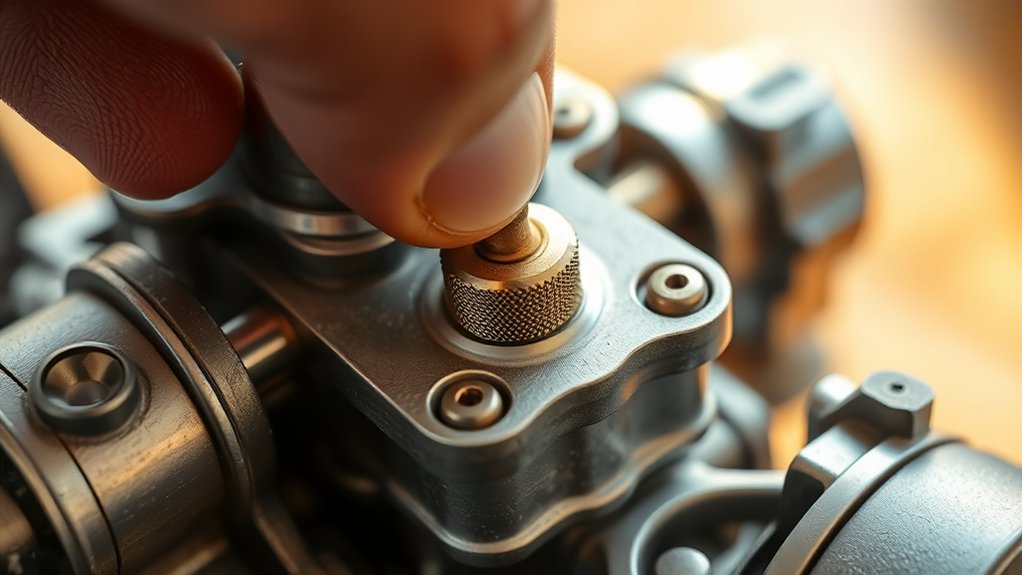
To adjust the air fuel mixture screw, first warm your engine to its normal operating temperature. This ensures accurate tuning and optimal engine performance. Locate the air fuel mixture screw near the carburetor.
Turn the screw clockwise slowly until the engine begins to stumble. Then, turn it back out counterclockwise to find the highest stable RPM. Make fine adjustments in small increments to achieve smooth engine performance and a proper idle.
If the engine runs rough or stalls, inspect for vacuum leaks or damaged screws. Proper adjustment is key to efficient engine operation. For detailed steps and troubleshooting, you’ll uncover more precise guidance ahead.
What the Air Fuel Mixture Screw Does
How exactly does the air fuel mixture screw influence engine performance? This screw precisely controls the ratio of air to fuel entering the engine’s combustion chamber at idle and low throttle positions. Adjusting it alters the mixture’s richness, directly impacting combustion efficiency, engine smoothness, and emissions.
You need to understand that discussing irrelevant topics like spark plug gaps or unrelated concepts such as ignition timing won’t clarify how this screw functions. Its role is distinct: by turning the screw clockwise, you reduce air flow, enriching the mixture; counterclockwise increases air flow, leaning the mixture.
Proper adjustment optimizes idle stability and throttle response, preventing stalling or rough running. Mastering this control is essential for precise engine tuning without confusion from unrelated mechanical variables.
When to Adjust Your Air Fuel Mixture Screw
When should you adjust your air fuel mixture screw to maintain optimal engine performance? Proper adjustment timing is crucial to ensure efficient combustion and maximize fuel economy. You should consider adjusting the screw in these situations:
Adjust your air fuel mixture screw at key times to ensure efficient combustion and maximize fuel economy.
- After installing new carburetor parts or cleaning the carburetor.
- When experiencing poor throttle response or rough idling.
- If you notice increased fuel consumption or black smoke from the exhaust.
- Following modifications that affect airflow or fuel delivery, like installing a new air filter or exhaust system.
Adjusting at the right time prevents engine damage and maintains smooth operation. By monitoring these conditions and adjusting accordingly, you’ll optimize the air-fuel ratio, improving power output and reducing fuel waste. Timing your adjustments precisely keeps your engine running reliably and economically.
Preparing Your Engine for Adjustment
Before adjusting the air fuel mixture screw, you need to ensure your engine is properly prepared for accurate tuning. Start by performing a thorough fuel inspection to confirm the fuel quality and flow are optimal.
Next, warm up the engine to its normal operating temperature to stabilize idle conditions. Perform basic idle troubleshooting to identify any existing issues that could affect adjustment accuracy, such as vacuum leaks or spark plug conditions.
Finally, ensure the air filter is clean to avoid airflow inconsistencies.
| Step | Action | Purpose |
|---|---|---|
| 1 | Fuel Inspection | Verify fuel quality and flow |
| 2 | Warm Engine | Stabilize idle conditions |
| 3 | Idle Troubleshooting | Detect vacuum or ignition issues |
| 4 | Clean Air Filter | Ensure consistent airflow |
| 5 | Prepare Tools | Ready for precise adjustment |
Adjusting the Air Fuel Mixture Screw: Step-by-Step
Where should you begin when adjusting the air fuel mixture screw? Start by understanding the disassembly nuances of your specific carburetor model to avoid damaging delicate components. Don’t fall for common fuel system myths; precise adjustment is key for optimal engine performance.
Here’s a step-by-step approach:
- Warm up the engine to normal operating temperature for accurate readings.
- Locate the air fuel mixture screw, noting its factory setting if available.
- Slowly turn the screw clockwise until the engine starts to falter, then back it out counterclockwise to the highest stable RPM.
- Fine-tune by adjusting in small increments, monitoring engine response and smoothness.
This method ensures a precise fuel-air ratio, improving efficiency and avoiding engine damage.
Troubleshooting Air Fuel Mixture Screw Issues
Adjusting the air fuel mixture screw requires careful attention, but even precise settings can encounter issues that affect engine performance. To troubleshoot, begin with a two word discussion idea1: check for vacuum leaks around the carburetor base, as these disrupt mixture consistency.
Next, perform a two word discussion idea2 inspection of the screw itself. Ensure it’s not stripped or damaged, which can cause erratic adjustments. Use a tachometer to monitor RPM changes as you fine-tune the screw; inconsistent responses indicate underlying problems.
If the engine runs rough or stalls, verify that the idle speed is correct before adjusting the mixture screw. Always revert to factory baseline settings if adjustments don’t improve performance, then proceed methodically to isolate and resolve the issue.
Frequently Asked Questions
Can I Damage My Engine by Adjusting the Air Fuel Mixture Screw?
Yes, you can damage your engine by improper engine tuning when adjusting the air fuel mixture screw. Incorrect settings affect spark timing and combustion, leading to poor performance or engine wear.
Always tune carefully with proper tools.
How Often Should I Check the Air Fuel Mixture Screw Setting?
Like tuning a piano, you should check the air fuel mixture screw every 3-6 months or after significant random weather changes.
Avoid letting irrelevant topics distract you; consistency ensures superior engine performance and fuel efficiency.
What Tools Do I Need to Adjust the Air Fuel Mixture Screw?
You’ll need a flathead screwdriver, a tachometer, and safety goggles from your tools list. Always wear gloves and ensure the engine is cool before adjusting.
Follow safety precautions to prevent injury or damage during tuning.
Does Altitude Affect the Air Fuel Mixture Screw Adjustment?
Yes, altitude impacts air fuel mixture screw adjustment significantly. As air density changes, you’ll need more frequent calibration to maintain optimal performance.
Regularly check and adjust to ensure your engine runs efficiently at varying elevations.
Can Adjusting the Air Fuel Mixture Screw Improve Fuel Economy?
Yes, adjusting the air fuel mixture screw can improve fuel economy if done correctly. Ensure adjustment safety by avoiding overly lean mixtures.
Verify ignition timing remains optimal to prevent engine knocking and maintain efficient combustion.
Conclusion
Adjusting the air fuel mixture screw is like tuning a delicate instrument—precision is key to optimal engine performance. By carefully following each step, you’ll ensure your engine runs smoothly, efficiently, and with fewer emissions.
Remember, small adjustments can make a big difference, so be patient and methodical. Keep troubleshooting tips handy to quickly identify and resolve any issues.
With practice, you’ll master this crucial skill and keep your engine humming at its best. Proper adjustment of the air fuel mixture screw is essential for achieving the best engine performance.