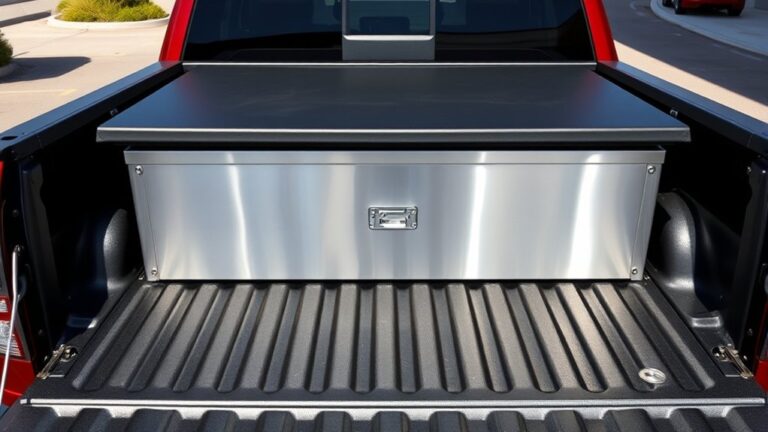
How to Remove Tree Sap From Tonneau Cover
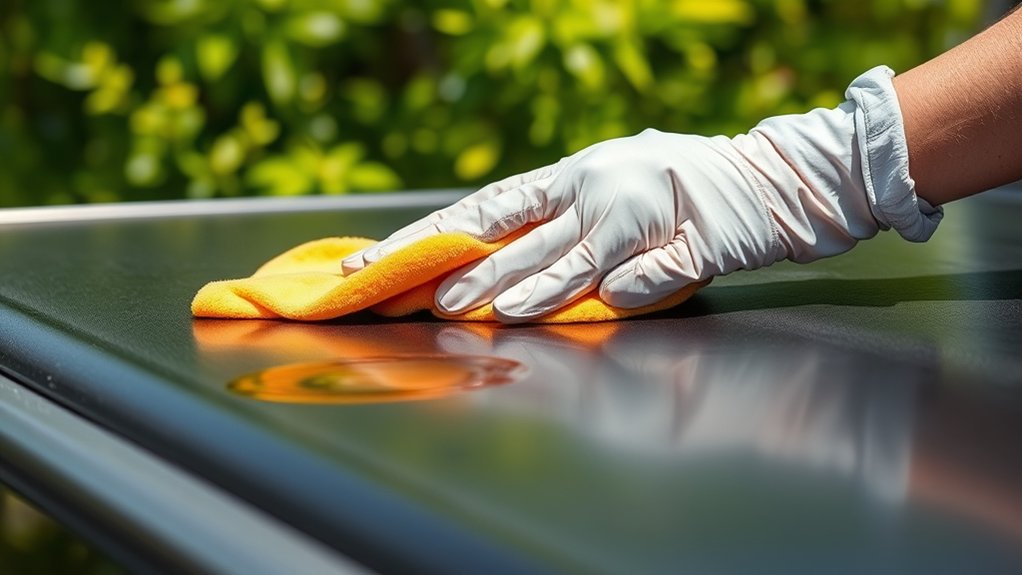
To remove tree sap from your tonneau cover, start by softening the sap with isopropyl alcohol or a specially designed sap remover. Apply the solvent gently using a cloth and let it sit for a couple of minutes. This helps loosen the sap without harming the cover’s material.
Next, carefully lift the sap with a plastic scraper to avoid causing any damage. Afterward, rinse the area with mild soap and warm water to remove any residue. Finally, dry the surface thoroughly using a microfiber towel.
Consistent care and proper prevention are key to maintaining your tonneau cover’s condition. Following these steps regularly will help keep your cover looking clean and sap-free. Further details can enhance your approach and protect your investment.
Why Tree Sap Can Be So Stubborn on Your Tonneau Cover
Why does tree sap cling so tenaciously to your tonneau cover? Sap persistence results from its natural composition: sticky resins and sugars that bond strongly to surfaces. When sap lands on your cover, it adheres quickly and hardens as it dries, creating a stubborn layer.
Climate impact plays a crucial role here. Warmer, humid environments accelerate sap’s polymerization, making it even tougher to remove. Conversely, cold weather can make sap brittle but still firmly attached.
Your tonneau cover material also affects sap’s grip. Textured or porous surfaces provide more anchoring points for sap molecules. Understanding sap persistence and climate impact helps you anticipate how challenging it may be to clean your cover.
You’ll need to tackle the sap carefully to avoid damaging the cover’s finish.
What You’ll Need to Remove Tree Sap From Your Cover
What tools and materials do you need to effectively remove tree sap from your tonneau cover? Understanding sap chemistry is crucial; sap contains sticky resins and natural polymers that require specific solvents and techniques for removal. To implement efficient recovery strategies, gather these essentials:
- Isopropyl alcohol or a specialized sap remover. This targets sap’s resin components without damaging the cover material.
- Microfiber cloths prevent scratches while absorbing dissolved sap.
- Soft-bristle brush aids in loosening hardened sap without abrasion.
- Mild soap solution cleans residual solvent and sap, preserving the cover’s finish.
Having these items ensures you address sap’s chemical composition precisely, enabling safe and effective sap removal while supporting optimal recovery strategies for your tonneau cover.
How to Check Your Tonneau Cover Before Cleaning
Before you start cleaning, how should you inspect your tonneau cover to ensure an effective sap removal process? Begin by thoroughly examining the surface for sap spots, dirt, or damage. Avoid getting distracted by unrelated topics or random chatter that could lead to skipping critical steps. Identifying the sap’s location and extent helps target cleaning efforts efficiently.
| Inspection Aspect | What to Look For |
|---|---|
| Sap Coverage | Size and quantity of sap spots |
| Surface Condition | Scratches, tears, or cracks |
| Material Type | Vinyl, fabric, or hard cover |
| Fasteners & Seals | Integrity and tightness |
This precise evaluation prevents ineffective cleaning and potential damage.
How to Remove Tree Sap With Rubbing Alcohol
How does rubbing alcohol effectively break down tree sap on your tonneau cover? The alcohol’s solvent properties dissolve the sticky resin, making sap removal manageable without damaging the cover’s material. Unlike cooling waxes, rubbing alcohol penetrates sap’s complex structure, loosening it for easy removal.
Follow these steps for precise sap removal:
- Dampen a clean cloth with rubbing alcohol. Avoid soaking to prevent material damage.
- Apply the cloth to the sap spot, allowing a two minute soak for alcohol to break down sap.
- Gently rub in a circular motion, lifting sap without abrading the cover.
- Wipe area with a damp cloth to remove residue and prevent interaction with cooling waxes used later.
This method supports a two word discussion ideas approach: “solvent action,” “material safety.”
Commercial Sap Removers for Tonneau Covers: What to Know
When tackling tree sap on your tonneau cover, selecting a commercial sap remover requires understanding its chemical composition and compatibility with your cover’s material. Many removers contain solvents like isopropyl alcohol or citrus-based compounds, which effectively dissolve sap without damaging vinyl or fabric covers.
Before applying, review the product’s label and conduct a spot test to prevent discoloration or material degradation. Two word discussion ideas often focus on “chemical safety” and “material compatibility” to guide your choice.
Additionally, consider sap alternatives that offer biodegradable or less abrasive formulas for eco-friendly treatment. Avoid harsh chemicals like acetone, which can harm your cover’s finish. By choosing the right commercial remover, you ensure efficient sap removal while preserving your tonneau cover’s integrity.
Natural Ways to Remove Tree Sap at Home
Why rely solely on commercial products when you can effectively remove tree sap using natural household items? You’ll find these options both accessible and efficient, avoiding the unrelated topic of harsh chemicals.
Here are four proven natural methods:
- Rubbing Alcohol: Dampen a cloth and gently rub sap to dissolve its sticky residue.
- Cooking Oil: Apply a small amount to break down sap’s adhesive properties; wipe clean afterward.
- Vinegar: Use white vinegar on a soft cloth to loosen sap, then rinse.
- Peanut Butter: The oils help lift sap; rub lightly and wipe off.
Avoid off topic ideas like using abrasive tools that could damage your tonneau cover’s surface. These natural solutions offer a targeted, safe approach to sap removal without unnecessary complications.
How to Clean and Rinse Your Tonneau Cover After Sap Removal
After removing tree sap, you’ll need to choose a cleaner that’s safe for your tonneau cover’s material to avoid damage. Use proper rinsing techniques to thoroughly eliminate residue without soaking the cover. Finally, dry it completely and follow maintenance tips to keep the surface protected and extend its lifespan.
Choosing The Right Cleaner
How do you guarantee your tonneau cover stays in optimal condition once the sap is removed? Selecting the right cleaner is crucial because sap composition varies by tree species, and residues can interact differently with materials. Also, consider how wind patterns might deposit sap unevenly, requiring targeted cleaning.
Follow these guidelines:
- Choose a cleaner formulated for automotive vinyl or fabric to avoid damage.
- Verify the cleaner can break down sap’s sticky resin without harsh solvents.
- Opt for pH-balanced products to maintain your cover’s protective coatings.
- Avoid abrasive or petroleum-based cleaners that might degrade the cover surface.
Proper Rinsing Techniques
Where should you start when rinsing your tonneau cover to guarantee all sap residues and cleaning agents are thoroughly removed? Begin by using a gentle stream of lukewarm water from a hose or pressure washer set on low to avoid damaging the cover.
Direct the water flow evenly across the entire surface, focusing on areas treated for sap removal. This ensures that no cleaning agents remain, which can degrade the material over time. Avoid harsh water pressure that might embed sap deeper or cause wear.
For spring cleaning, repeat the rinsing process until the water runs clear and free of suds or stickiness. Proper rinsing is essential to maintain your tonneau cover’s durability and appearance after sap removal, preparing it for effective drying and ongoing care.
Drying And Maintenance Tips
Once you’ve thoroughly rinsed your tonneau cover to remove all sap residues and cleaning agents, focus on drying it properly to prevent damage and promote longevity. Proper drying prevents mold growth and material degradation, essential given the evolving wax trends used in tonneau covers.
Follow these critical steps:
- Use a microfiber towel to gently pat the surface dry, avoiding abrasive materials.
- Allow the cover to air dry in a shaded, well-ventilated area to prevent UV damage.
- Inspect seams and folds where moisture may linger, applying gentle pressure to release trapped water.
- Apply a protective coating aligned with current wax trends to maintain flexibility and repel contaminants, drawing from principles in soil science to prevent buildup and enhance durability.
This approach ensures your cover stays clean and functional longer.
Removing Hardened or Stained Tree Sap From Your Cover
Although fresh sap can often be wiped away easily, hardened or stained tree sap requires a more deliberate approach to avoid damaging your tonneau cover. Understanding sap theory helps: tree sap contains sticky resins and terpenes that harden when exposed to air, adhering strongly to surfaces.
Due to these tree properties, mechanical removal risks abrasion. Start by softening the sap with isopropyl alcohol or a specialized sap remover, applying it gently with a cloth. Let it sit briefly to dissolve the resin bonds.
Then, carefully wipe or scrape the sap using a plastic scraper to avoid tears or scratches. Rinse the area with warm water and mild soap to remove residues. Repeat if necessary, always testing solvents on a small, inconspicuous area first to ensure compatibility with your cover’s material.
How to Prevent Tree Sap From Sticking to Your Tonneau Cover
Why does sap stick so stubbornly to your tonneau cover, and how can you stop it before it becomes a problem? Understanding sap myths helps you avoid ineffective prevention methods.
Contrary to some stain myths, sap doesn’t irreversibly bond if you act promptly. To prevent sap adhesion:
- Park away from trees known for heavy sap production.
- Apply a high-quality, non-stick spray or silicone-based protectant designed for tonneau covers.
- Clean the cover regularly to remove dirt and oils that encourage sap buildup.
- Use a protective cover or tarp when stationary under trees for extended periods.
Following these steps reduces sap’s ability to adhere, making removal easier and protecting your cover’s surface integrity.
Maintaining Your Tonneau Cover to Avoid Sap Problems
How often should you inspect and clean your tonneau cover to minimize sap buildup? Regular inspections, ideally biweekly, help identify sap obstacles early, preventing stubborn stains.
Use cleaner alternatives such as isopropyl alcohol or specialized automotive cleaners for effective removal without damaging the cover.
| Maintenance Task | Recommended Frequency |
|---|---|
| Inspect for sap | Every 2 weeks |
| Clean with mild soap | Monthly |
| Apply protective spray | Every 3 months |
| Store properly | When not in use |
Consistent maintenance using these steps extends your tonneau cover’s lifespan and avoids sap-related damage. Avoid harsh chemicals that degrade materials.
Staying proactive reduces the effort needed to tackle sap obstacles and preserves the cover’s appearance and function.
Frequently Asked Questions
Can Tree Sap Damage the Paint Under My Tonneau Cover?
Yes, tree sap can damage the paint under your tonneau cover by etching the surface. You should use wax protection regularly for sap prevention, creating a barrier that makes cleaning easier and protects your paint from harm.
Is It Safe to Remove Sap From All Types of Tonneau Covers?
You shouldn’t assume universal removal methods suit all tonneau covers. Check tree sap compatibility with your cover’s material, whether vinyl, fabric, or hard shell, to avoid damage. Always test removers on a small area first for safety.
How Often Should I Clean My Tonneau Cover to Prevent Sap Buildup?
You should clean your tonneau cover every two weeks, as studies show sap hardens within 14 days. Maintaining this cleaning frequency guarantees effective sap prevention, preserving the cover’s material integrity and avoiding tough residue buildup.
Can Tree Sap Cause Odors on My Tonneau Cover?
Yes, sap odor can develop on your tonneau cover if sap residue isn’t promptly removed. The sticky compounds in sap trap dirt and moisture, promoting unpleasant odors and potential material degradation over time.
Are There Professional Services for Sap Removal on Tonneau Covers?
Yes, you can rely on professional detailing services specializing in sap removal for your tonneau cover. They use precise techniques that ensure sap prevention, preserving the cover’s integrity and appearance effectively without causing damage or residue.
Conclusion
By boldly battling bothersome tree sap, you’ll bring back your tonneau cover’s clean, crisp condition. Using precise products and proper procedures prevents persistent stains and preserves your cover’s pristine performance.
Remember, regular maintenance and mindful measures minimize messy sap mishaps. Stay savvy, stay spotless, and safeguard your surface against stubborn sap buildup.
With these smart steps, you’ll swiftly secure a spotless, sap-free cover that stands strong through every season. Effectively removing tree sap from your tonneau cover ensures lasting protection and a flawless finish.