Can You Replace the Velcro on a Tonneau Cover
Yes, you can replace the Velcro on a tonneau cover yourself using the right tools and materials.
Replacing the Velcro on a tonneau cover is a straightforward task that can greatly improve its performance and longevity.
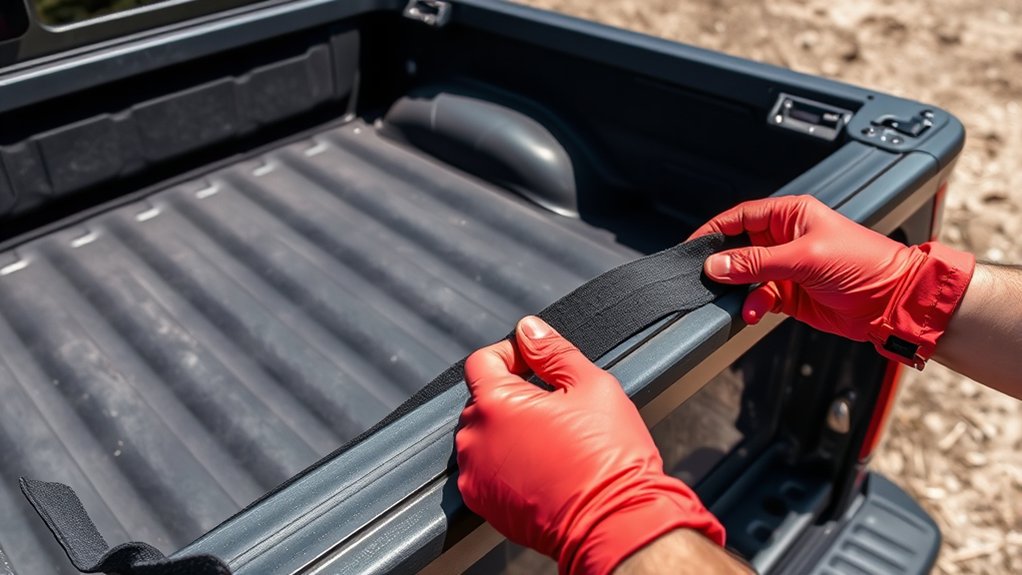
First, carefully remove the old Velcro without damaging the fabric, then clean the surface thoroughly to eliminate any adhesive residue.
Choose heavy-duty, weather-resistant Velcro designed for outdoor use, and align it precisely for a secure, tight seal.
Press firmly and allow proper curing time for lasting adhesion.
Address common issues like dirt or misalignment to ensure the best possible performance.
By properly replacing the Velcro, you can extend your cover’s life and maintain its functionality, keeping your truck bed protected under various weather conditions.
How To Tell If Your Tonneau Cover Velcro Needs Replacing
How do you know when your tonneau cover’s Velcro needs replacing? Start by inspecting the adhesive strength and fabric integrity. If the Velcro no longer firmly attaches, shows frayed edges, or the hooks and loops are flattened and fail to interlock, it’s time for replacement.
Also, check for dirt accumulation that reduces grip despite cleaning attempts. While assessing, consider recycling options for the worn Velcro to minimize environmental impact. Take note that if repeated replacements become frequent, exploring alternative closures like snaps or magnetic strips might offer improved durability and reliability.
Monitoring these signs precisely helps maintain your tonneau cover’s secure fit and protects your cargo effectively without unnecessary expense or waste.
Can You Replace Tonneau Cover Velcro Yourself?
Replacing the Velcro on your tonneau cover yourself is entirely feasible with the right tools and approach. To ensure a secure fit, start by carefully removing the old Velcro without damaging the cover fabric.
Clean the surface thoroughly to remove any adhesive residue, which can compromise the new Velcro’s adhesion. When applying the replacement strip, align it precisely to maintain proper seal and tension.
Press firmly and allow adequate curing time if using adhesive-backed Velcro. Following these replacement tips will help restore your cover’s functionality and extend its life.
DIY maintenance of your tonneau cover Velcro not only saves money but gives you control over the repair quality. With patience and accuracy, you can achieve professional-level results on your own.
Tools And Materials For Tonneau Cover Velcro Replacement
To replace the Velcro on your tonneau cover, you’ll need specific tools like a seam ripper, scissors, and a strong adhesive or sewing kit. Choosing the right Velcro material is essential; opt for heavy-duty, weather-resistant strips designed for outdoor use. Preparing these tools and materials properly guarantees a secure, long-lasting attachment.
Essential Replacement Tools
What tools will you need to effectively replace the Velcro on your tonneau cover? Precision and appropriate equipment are essential for a durable fix. You’ll want to gather tools that guarantee clean removal of old adhesive, proper surface preparation, and accurate alignment of new Velcro strips.
These tools also contribute indirectly to maintaining overall car interior comfort by preventing moisture and dirt intrusion. Additionally, managing battery maintenance routines without interference requires a tidy, efficient workspace during replacement.
Here’s what you need:
- Adhesive remover or rubbing alcohol for cleaning surfaces
- A utility knife or scissors for cutting Velcro to size
- A straight edge or ruler for precise alignment
- A heat gun or hairdryer to enhance adhesive bonding
Using these tools, you’ll achieve a professional-quality Velcro replacement on your tonneau cover.
Recommended Velcro Materials
After gathering the right tools for removing old adhesive and aligning new strips, selecting the appropriate Velcro materials becomes your next priority. Opt for industrial-grade hook-and-loop tape designed to withstand outdoor conditions, guaranteeing durability and strong adhesion on your tonneau cover.
Choose Velcro with UV-resistant backing to prevent degradation from sunlight, much like the protective coatings found on solar powered gadgets. Prioritize products utilizing recycled materials to support sustainability without compromising performance.
Look for Velcro tapes with a high adhesive rating compatible with your truck bed’s surface; this assures a secure bond during variable weather. Using these precise materials guarantees a reliable, long-lasting replacement that maintains your tonneau cover’s functionality while aligning with eco-friendly practices like recycling materials.
How To Remove Old Velcro From Your Tonneau Cover
How do you effectively remove old Velcro from your tonneau cover without damaging the surface? Start by carefully peeling back the Velcro’s edge, minimizing stress on the cover material. Since the velcro design often includes strong adhesives, you’ll need to dissolve the residue without harming the fabric.
Follow these steps for clean removal:
- Use a heat gun or hairdryer to soften the adhesive.
- Gently scrape off loosened Velcro with a plastic scraper.
- Apply an adhesive remover suitable for your cover’s material.
- Wipe the surface with a clean cloth to remove residue.
This precise approach preserves your tonneau cover’s integrity while preparing it for alternative fastening solutions or replacement Velcro strips. Avoid harsh chemicals that could degrade the cover or affect its waterproof properties.
Which Velcro Works Best For Your Tonneau Cover?
Choosing the right Velcro for your tonneau cover hinges on balancing strength, weather resistance, and compatibility with your cover’s material. Opt for industrial-grade Velcro with UV-resistant adhesive to ensure durability against sun, rain, and wind. Avoid cheap, generic strips, which often fail under outdoor conditions.
While it may seem like random trivia, selecting a Velcro type unrelated to your cover’s fabric can cause adhesion failure or damage. Below is a quick guide to help you decide:
| Velcro Type | Strength | Weather Resistance |
|---|---|---|
| Industrial Grade | High | Excellent |
| Outdoor Specific | Medium-High | Very Good |
| Standard Home Use | Low | Poor |
| Marine Grade | High | Superior |
Choosing marine-grade Velcro offers the best balance for heavy-duty use.
Cleaning And Preparing Your Tonneau Cover Before Applying Velcro
Selecting the right Velcro is only part of the process; preparing your tonneau cover properly guarantees the adhesive bonds firmly and lasts longer. Start by thoroughly cleaning the surface to remove dirt, oils, and residues that compromise adhesion. Use a mild detergent and water, then dry completely. Pay special attention to seams and crevices, as uneven surfaces weaken the bond.
Proper surface preparation ensures your tonneau cover’s Velcro adheres strongly and remains durable over time.
Key preparation steps include:
- Degrease with isopropyl alcohol to eliminate oils invisible to the naked eye
- Avoid fabric softeners or harsh chemicals that mimic toddler fashion’s delicate care requirements
- Ensure ambient temperature is stable, similar to quantum computing environments, for optimal adhesive curing
- Test a small patch for adhesion before full application to prevent costly errors
This ensures your Velcro attaches securely and endures rigorous use.
How To Apply Velcro For A Tight, Long-Lasting Seal
Where should you begin when applying Velcro to guarantee a tight, long-lasting seal? Start by aligning the hook and loop strips precisely along the tonneau cover’s edges, ensuring no gaps or overlaps. This alignment leverages velcro psychology, where consistent tactile feedback reinforces secure closure.
Next, press firmly to activate the adhesive, taking care to maintain even pressure for maximum bond strength. The adhesive aesthetics matter; choose Velcro with a clean, low-profile finish to preserve your cover’s appearance while providing robust hold.
Avoid stretching the strips during application to prevent premature adhesive failure. Lastly, allow the adhesive to cure undisturbed for at least 24 hours before use. Following these steps ensures your Velcro replacement delivers a durable, tight seal that endures frequent opening and closing without compromise.
Common Problems Replacing Velcro (And How To Fix Them)
Why does replacing Velcro on your tonneau cover sometimes feel frustrating? Often, it’s due to common issues that mimic problems seen in storm windows or kitchen cabinet repairs, where adhesion and alignment matter most. You might face:
- Poor surface preparation causing weak adhesion
- Misaligned Velcro strips leading to improper sealing
- Residue from old Velcro preventing a secure bond
- Using incompatible Velcro types that don’t match fabric or frame
To fix these, thoroughly clean and dry surfaces, removing old adhesive residues. Use a ruler or straight edge to align Velcro precisely, ensuring a tight, consistent seal. Choose high-quality, weather-resistant Velcro designed for automotive use rather than generic options.
How Replacing Velcro Can Extend Your Tonneau Cover’s Life
Replacing worn Velcro restores secure attachment and prevents debris buildup that can damage your tonneau cover. You’ll find maintaining fresh Velcro simple with regular cleaning and inspection to catch wear early. This cost-effective repair keeps your cover functional longer without needing a full replacement.
Benefits Of Fresh Velcro
How much difference can fresh Velcro make to your tonneau cover’s performance? Replacing worn Velcro profoundly improves the cover’s sealing ability and overall durability. Over time, dirt and wear reduce adhesion, compromising protection.
Fresh Velcro restores the secure fit that prevents water and debris infiltration, which alternatives like snaps or zippers may not provide as seamlessly or cost-effectively.
Here’s what fresh Velcro offers:
- Enhanced weather resistance through tighter, consistent closure
- Improved longevity by reducing stress on the cover material
- Quick, tool-free installation and replacement
- Cost-efficient compared to other fastening systems
Easy Maintenance Tips
Maintaining your tonneau cover’s Velcro not only preserves its sealing effectiveness but also substantially extends the cover’s overall lifespan. You can perform quick maintenance by regularly cleaning the Velcro strips to remove dirt and debris, ensuring optimal adhesion.
When replacing Velcro, choose compatible tools like precision scissors and adhesive applicators that align with your cover’s material to avoid damage.
| Maintenance Step | Recommended Tool |
|---|---|
| Cleaning debris | Soft-bristle brush |
| Removing old Velcro | Precision scissors |
| Applying adhesive | Fine-tip adhesive applicator |
| Aligning new Velcro | Measuring tape |
Consistent upkeep using these tool-compatible methods helps you avoid premature wear, maintaining your tonneau cover’s protective functionality and appearance longer.
Cost-Effective Repair Solution
Why invest in a full tonneau cover replacement when a simple Velcro swap can restore its functionality? Replacing worn Velcro strips offers a cost-effective repair solution that extends your cover’s lifespan without the expense of a full replacement.
You can implement budget friendly crafts by sourcing durable, high-quality Velcro made from eco friendly materials, reducing both costs and environmental impact. This approach maintains secure fastening and prevents cover sagging or gaps.
Consider these advantages:
- Immediate restoration of fastening strength
- Minimal tool requirements and installation time
- Reduced waste through selective part replacement
- Enhanced durability with modern, sustainable Velcro options
Frequently Asked Questions
What Types of Tonneau Covers Use Velcro Closures?
Soft roll-up and snap tonneau covers often use Velcro closures. When choosing replacement materials, pick high-quality industrial Velcro.
For installation tips, clean surfaces thoroughly and press firmly to ensure secure adhesion and long-lasting performance.
How Long Does Velcro Typically Last on a Tonneau Cover?
Velcro on a tonneau cover typically lasts 1-3 years, depending on usage and exposure. Regular cleaning and proper sealing extend its durability.
Consider wear analysis and material quality in your two word discussion idea for optimal maintenance strategies.
Can Weather Conditions Affect Velcro Performance on Tonneau Covers?
Like Icarus’ wings melting under the sun, weather conditions can degrade Velcro’s weather durability, compromising closing reliability on your tonneau cover.
UV rays, moisture, and temperature swings weaken its grip, demanding regular inspection and maintenance.
Are There Alternative Closure Options Besides Velcro for Tonneau Covers?
You can choose alternative closures like snaps, magnets, or zippers, each offering different durability factors. Consider environmental exposure and material wear when selecting; these alternatives often provide enhanced security and longevity compared to standard Velcro on tonneau covers.
Is Velcro Replacement Covered Under Tonneau Cover Warranties?
You typically won’t find velcro replacement warranty coverage included, as manufacturers consider velcro durability a wear item. Check your specific replacement warranty terms, but expect to handle velcro repairs or replacements yourself after normal usage.
Conclusion
Replacing your tonneau cover’s Velcro isn’t just doable—it’s smart maintenance. Did you know that 85% of cover leaks stem from worn or ineffective Velcro? By swapping it out yourself, you restore a tight seal, preventing water damage and prolonging your cover’s life.
With the right tools and careful application, you’ll ensure a durable, weatherproof fit that keeps your truck bed protected season after season. Don’t overlook this simple fix—it’s key to your cover’s performance.
If you’re wondering, can you replace the Velcro on a tonneau cover? The answer is yes, and doing so is essential for maintaining the cover’s effectiveness.