How Much Does a Tonneau Cover Save on Gas
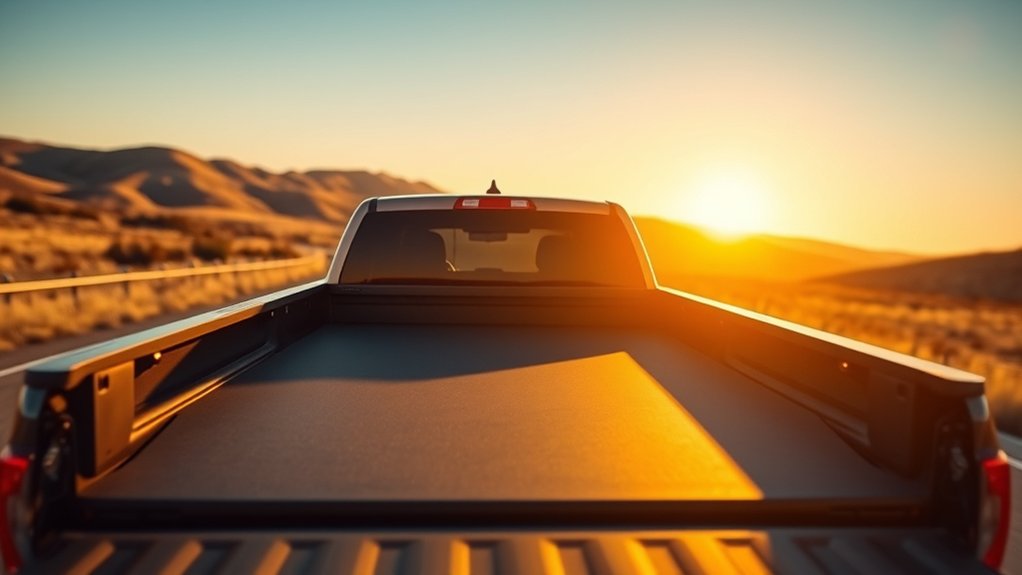
You can expect a tonneau cover to save you about 5% to 10% on gas, especially if you drive on highways at steady speeds between 50 and 65 mph. These covers reduce aerodynamic drag by smoothing airflow over your truck bed, making the engine work less.
Hard covers generally save more than soft ones due to their rigid design. Keep in mind, city driving with frequent stops offers less benefit. Learn what else impacts fuel savings and overall value below.
Typical Gas Savings From a Tonneau Cover
How much can you really save on gas by using a tonneau cover? Typical gas savings generally range from 5% to 10%, depending on driving conditions and cover type.
While these figures might not seem huge, they add up over time, especially during long trips or frequent highway driving. Beyond fuel efficiency, tonneau covers also follow current aesthetic trends, offering sleek, low-profile designs that complement your truck’s look.
You’ll find a variety of color options that allow you to match or accentuate your vehicle’s paint, enhancing its overall appeal. Choosing the right cover balances both style and function, so you get a subtle upgrade in your truck’s appearance while potentially lowering your fuel expenses over the long haul.
How Tonneau Covers Help Your Truck Use Less Gas
You’ll notice that tonneau covers improve your truck’s aerodynamics by smoothing airflow over the bed. This reduction in turbulence decreases drag, which means your engine doesn’t have to work as hard. As a result, your truck uses less fuel on the road.
Aerodynamic Benefits
A tonneau cover greatly improves your truck’s aerodynamics by reducing air drag caused by the open bed. Many aerodynamics myths suggest covers have minimal impact, but studies show closing the bed improves airflow, especially at highway speeds.
Your daily driving habits influence how much you’ll save; consistent highway driving benefits most from reduced drag.
| Factor | Impact on Aerodynamics |
|---|---|
| Open Bed | High air turbulence |
| Tonneau Cover | Smooth airflow, less drag |
| Speed | Higher speed increases drag |
| Driving Style | Steady speeds optimize gains |
| Cover Type | Hard covers offer better results |
Using a tonneau cover aligns with smarter daily driving, enhancing efficiency by streamlining airflow around your truck.
Reduced Fuel Drag
Why does sealing your truck bed with a tonneau cover lead to noticeable fuel savings? The key lies in reduced fuel drag. When your truck bed is open, air turbulence increases drag, making your engine work harder and consume more fuel.
A tonneau cover smooths airflow, cutting down this resistance. Here are some critical points to consider:
- Minimized Air Turbulence: The cover prevents air from swirling inside the bed, reducing drag forces.
- Improved Fuel Efficiency: Less drag means your truck uses less gas on highways and city roads.
- Additional Benefits: While unrelated to fuel efficiency, a tonneau cover also protects cargo and enhances vehicle aesthetics.
These discussion ideas highlight how reduced fuel drag directly helps your truck use less gas, offering both economic and practical advantages.
Hard vs. Soft Tonneau Covers: Which Saves More Gas?
How do hard and soft tonneau covers compare when it comes to saving gas? Generally, a hard conversion cover offers better fuel efficiency due to its rigid, aerodynamic design that reduces drag more effectively. Its solid surface directs airflow smoothly over your truck bed, minimizing turbulence.
On the other hand, soft adhesion covers, made from vinyl or fabric, rely on a flexible material that may flap slightly, causing minor air resistance. However, soft covers are lighter and easier to install or remove, which might appeal depending on your needs.
If maximizing gas savings is your priority, a hard conversion cover usually delivers greater benefits, but the difference varies by driving conditions. Ultimately, both types improve fuel economy compared to no cover, just at different efficiency levels.
How Driving Speed Affects Tonneau Cover Fuel Savings
You’ll notice that the fuel savings from a tonneau cover vary depending on your driving speed. Generally, there’s an ideal speed range where the cover improves aerodynamics the most, boosting efficiency. At higher speeds, the cover’s impact becomes more significant, helping you save more gas on the highway.
Impact Of Speed Variations
At what speeds do tonneau covers provide the most noticeable fuel savings? Understanding how speed variations affect fuel economy is crucial for maximizing benefits. Aerodynamic testing shows that as your speed increases, air resistance grows exponentially, making speed optimization essential.
Here’s how speed impacts fuel savings with a tonneau cover:
- Low Speeds (Under 40 mph): Minimal aerodynamic drag means the cover’s impact on fuel savings is limited.
- Moderate Speeds (40-65 mph): Drag increases, and the cover starts reducing turbulence, improving fuel efficiency.
- High Speeds (Above 65 mph): The cover significantly minimizes drag, offering the greatest potential fuel savings.
Optimal Speed For Savings
When should you expect the most fuel savings from a tonneau cover? Generally, you’ll see better fuel economy at moderate speeds, where aerodynamic drag significantly impacts fuel use. A tonneau cover reduces air resistance, helping your vehicle maintain efficiency without extra effort.
Here’s a quick overview:
| Speed (mph) | Expected Fuel Economy Impact |
|---|---|
| 30-50 | Moderate savings; less drag |
| 50-65 | Optimal savings; improved efficiency |
| 65+ | Reduced impact; drag increases |
At speeds above 65 mph, drag rises sharply, diminishing the cover’s benefits. While solar power integration on covers is emerging, its effect on fuel savings remains minimal compared to aerodynamic gains. So, for consistent fuel economy improvements, maintain speeds between 50 and 65 mph when using a tonneau cover.
High-Speed Fuel Efficiency
How does driving speed influence the fuel-saving benefits of a tonneau cover? At higher speeds, aerodynamic drag increases markedly, making a tonneau cover more effective in reducing wind resistance and improving fuel efficiency.
Here’s how driving speed impacts your savings:
- At speeds above 55 mph, the cover’s ability to streamline airflow enhances fuel economy by reducing drag.
- The weatherproofing feature maintains consistent performance despite rain or snow, preventing added drag from water accumulation.
- While improving fuel savings, the cover also boosts your truck’s aesthetic appeal, encouraging you to keep it installed for consistent efficiency.
In contrast, at slower speeds, the cover’s impact on fuel economy diminishes. Understanding this helps you maximize savings when driving fast while enjoying added protection and style.
How to Measure Your Truck’s Mileage Before and After
Wondering how to accurately track the impact of a tonneau cover on your truck’s fuel efficiency? Start by recording your truck’s mileage over a set distance before installing the cover. Use consistent routes to minimize variables like traffic and terrain.
Note the fuel pricing at the time, as fluctuations can affect cost comparisons. After installation, repeat the mileage tracking under similar conditions.
Calculate fuel consumption by dividing miles traveled by gallons used, then compare before and after results. This method isolates changes in fuel efficiency, primarily influenced by reduced wind resistance thanks to the cover.
Real-World Gas Savings Reported by Truck Owners
Curious about the actual fuel savings a tonneau cover can provide? Many truck owners have shared their real-world experiences, showing how this truck accessory impacts gas mileage. Reports vary, but here are three common findings:
- Owners often see a 5-10% improvement in gas mileage on highway drives.
- Some drivers notice savings primarily during steady speeds, where reduced drag matters most.
- Savings tend to be less dramatic in city driving due to frequent stops and lower speeds.
These insights suggest that while a tonneau cover isn’t a miracle fix, it can contribute to better efficiency by improving aerodynamics. If you use your truck regularly on highways, adding this truck accessory might help you save fuel over time. Tracking your mileage before and after installation will give you the clearest picture.
When a Tonneau Cover Might Not Improve Your Gas Mileage
While many truck owners report noticeable gas savings with a tonneau cover, there are situations where you might not see any improvement in fuel efficiency. If your typical routes involve frequent stops or slow-moving traffic, the aerodynamic benefits of a tonneau cover may be negligible.
Additionally, wind direction plays a significant role; if you usually drive with crosswinds or tailwinds, the cover’s effect on reducing drag might be minimal. Traffic patterns that keep you in congested areas limit sustained speeds where aerodynamic improvements make the most difference.
In these cases, you may not notice a measurable change in mileage. Understanding your driving environment, including wind conditions and traffic flow, helps set realistic expectations about the fuel savings a tonneau cover can provide.
Other Tonneau Cover Benefits Besides Fuel Efficiency
A tonneau cover offers more than just improved fuel efficiency; it also provides practical benefits that enhance the functionality and security of your truck bed. Beyond aerodynamic testing that proves its role in reducing drag, these covers can protect your cargo from the elements.
Here are three key benefits you should consider:
- Weather resistance: Most tonneau covers are designed to shield your truck bed from rain, snow, and UV rays, keeping your cargo dry and protected.
- Security: By covering your truck bed, you reduce the risk of theft, as the contents aren’t visible or easily accessible.
- Improved cargo management: A flat, covered surface allows you to stack items safely and prevents debris from accumulating inside the bed.
These advantages make a tonneau cover a smart investment beyond just saving on gas.
Is a Tonneau Cover Worth It for Gas Savings?
How much can you really save on gas by installing a tonneau cover on your truck? While savings vary, many drivers report a modest improvement in fuel efficiency, typically around 5-10%. Whether it’s worth it depends on factors like your driving habits and the cover’s design.
Installation aesthetics matter too; a well-fitted tonneau cover not only improves aerodynamics but also enhances your truck’s look. Material durability plays a crucial role in long-term value. Strong, weather-resistant materials ensure the cover maintains its effectiveness and appearance over time.
If you frequently drive at highway speeds or haul cargo, the gas savings combined with added protection might justify the investment. Ultimately, weighing installation aesthetics and material durability will help you decide if a tonneau cover is a practical choice for you.
Frequently Asked Questions
How Difficult Is It to Install a Tonneau Cover Myself?
You’ll find installing a tonneau cover fairly straightforward with basic tools. The installation process varies by model but generally involves clamps or bolts.
Focus on proper alignment to guarantee durability and a secure, long-lasting fit.
Will a Tonneau Cover Affect My Truck’s Cargo Capacity?
You won’t lose much tonneau capacity; most covers add under 15 pounds, so the weight impact is minimal. This means you can still haul bulky items while benefiting from improved aerodynamics and protection.
Are Tonneau Covers Weather-Resistant and Durable?
You’ll find tonneau covers offer excellent weather durability, protecting cargo from rain and sun. Most models are designed for easy installation, so you won’t face much installation difficulty while ensuring your truck bed stays secure and dry.
Can a Tonneau Cover Be Locked for Security?
Think of your tonneau cover as a fortress gate; yes, many models can be locked for security, providing peace of mind.
Installation difficulty varies, but most are user-friendly, requiring minimal tools and time for secure attachment.
Do Tonneau Covers Require Regular Maintenance or Cleaning?
Yes, tonneau covers require regular maintenance. You should clean them every few weeks to prevent dirt buildup.
Follow maintenance tips like using mild soap and water, avoiding harsh chemicals, and checking for damage to ensure longevity.
Conclusion
You might think a tonneau cover won’t make much difference, especially if you don’t drive fast often. But even moderate speeds can improve your truck’s aerodynamics, cutting drag and saving gas over time.
While savings vary, many drivers see noticeable improvements. Plus, you get added protection and style.
So, if you want a practical way to boost fuel efficiency and protect your cargo, a tonneau cover is definitely worth considering for how much does a tonneau cover save on gas.