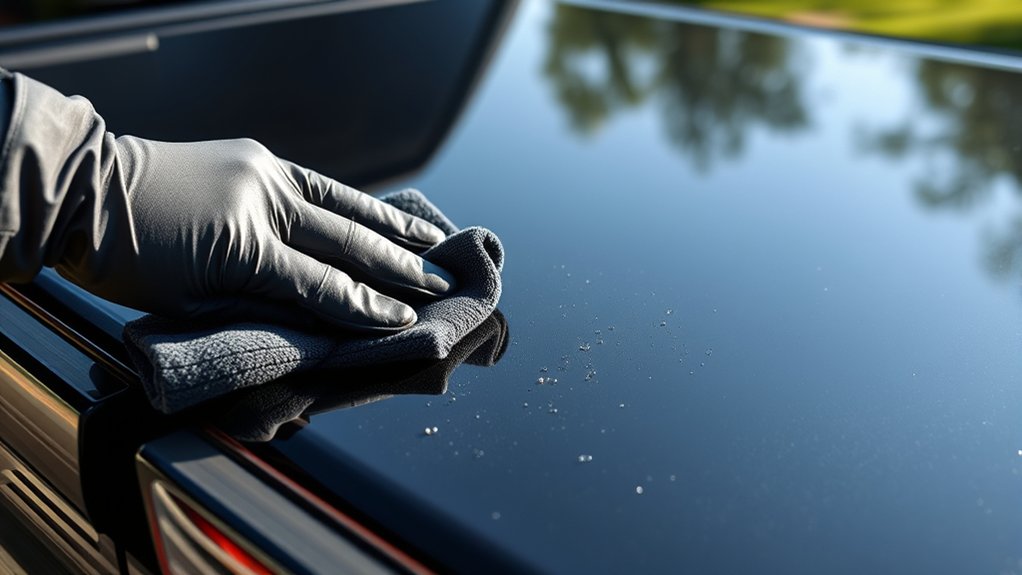
How to Make Tonneau Cover Shine
To make your tonneau cover shine, start by identifying its material—whether it’s vinyl, aluminum, fiberglass, or plastic composite. Choosing cleaners and protectants designed specifically for that material is essential for effective care.
Use a pH-neutral cleaner along with soft microfiber cloths to safely remove dirt and debris. Avoid using harsh chemicals that can damage the surface.
After washing, apply a compatible conditioner or protectant every three months. This helps restore gloss and provides UV protection, which prevents cracking and fading.
Following these steps ensures a durable, even shine and long-lasting cover care. More detailed guidance helps maintain your tonneau cover’s peak appearance.
Identify Your Tonneau Cover Type And Why It Matters
How do you determine the best approach to making your tonneau cover shine? Start with cover identification. Knowing whether your cover is hard or soft, folding, roll-up, or retractable directly influences your cleaning and polishing methods. Each type demands specific care to avoid damage.
Next, focus on material awareness. Covers come in vinyl, aluminum, fiberglass, or plastic composites, and each reacts differently to cleaning agents and polishes. For example, vinyl requires gentle, non-abrasive products, while aluminum can handle more robust treatments.
Understanding these distinctions ensures you select appropriate products and techniques, preventing wear or discoloration. Accurate cover identification combined with material awareness forms the foundation of effective maintenance, helping you achieve a professional shine without compromising the cover’s integrity or functionality.
Get The Cleaning Supplies You Need For Your Cover
A well-chosen set of cleaning supplies is essential to maintain your tonneau cover’s appearance and durability. You’ll need a cleaning kit tailored to your cover’s material. Include a degreaser solution to effectively remove oils and stubborn grime without damaging the surface. Avoid harsh chemicals that can degrade the cover’s finish.
Here’s a basic cleaning kit checklist:
| Item | Purpose |
|---|---|
| Soft microfiber cloth | Gentle cleaning without scratches |
| Degreaser solution | Removes grease and tough stains |
| Mild soap or cleaner | General dirt removal |
Selecting the right supplies ensures you preserve the cover’s texture and waterproofing. Always read product labels for compatibility with your tonneau cover type before use. Proper tools and cleaners set the foundation for a spotless, shiny finish.
Remove Dirt And Debris From Your Tonneau Cover Safely
You should start by selecting soft brushes or microfiber cloths to avoid scratching your tonneau cover. Mix a mild soap solution to gently loosen dirt without damaging the surface. After cleaning, rinse thoroughly with water to remove all soap residue and prevent buildup.
Choose Gentle Cleaning Tools
Selecting the right cleaning tools plays a critical role in preserving your tonneau cover’s surface. You should always opt for gentle tools to avoid scratches and abrasions that can degrade the material over time.
Soft brushes specifically designed for automotive use are ideal. They effectively dislodge dirt and debris without damaging the cover’s finish. Avoid stiff-bristled brushes or abrasive pads, as these can cause microtears or dull the surface.
Additionally, using microfiber cloths in conjunction with soft brushes helps lift particles safely without grinding grime into the material. By choosing gentle tools tailored for delicate surfaces, you ensure thorough cleaning while maintaining the integrity and appearance of your tonneau cover, extending its lifespan and keeping it looking polished.
Use Mild Soap Solution
How exactly should you clean your tonneau cover without risking damage? Use a mild soap solution to safely remove dirt and debris. Avoid harsh detergents or chemicals, as they can degrade the material or strip protective coatings.
Mix a small amount of mild soap, like dishwashing liquid, with lukewarm water to create a gentle cleaning solution. Apply it using a soft cloth or sponge, working in circular motions for even coverage.
Resist the temptation to use irrelevant topic cleaners or off-topic idea products that aren’t designed for automotive surfaces, as these can cause fading or cracking. This precise approach ensures you effectively clean your tonneau cover while preserving its finish and longevity, maintaining a polished appearance without compromising material integrity.
Rinse Thoroughly With Water
After applying the mild soap solution, thoroughly rinsing your tonneau cover with clean water removes loosened dirt and residual soap. Use a hose with moderate water pressure to avoid damaging the cover’s surface or seams.
Direct the water flow evenly, ensuring all soap traces and debris are washed away. Pay special attention to crevices where dirt can accumulate, as incomplete rinsing may cause streaks or degrade the material over time.
Avoid using harsh sprays or high-pressure washers, which can compromise the cover’s integrity. Employing clear, straightforward phrasing tone enhances audience engagement by guiding you through safe, effective rinsing steps. This precise approach guarantees your tonneau cover remains clean without abrasion, setting the foundation for the next shine-enhancing treatment.
Select Cleaning Methods Based On Your Cover Material
To keep your tonneau cover shining, you need to match your cleaning method to its material. Vinyl covers require gentle cleaners and conditioners to prevent cracking, while hard covers benefit from specialized maintenance products to protect their surface. Understanding these differences ensures effective cleaning without causing damage.
Vinyl Cover Cleaning Tips
Why does your vinyl tonneau cover require specialized cleaning methods? Vinyl is sensitive to harsh chemicals and UV damage. Using appropriate cleaning techniques preserves its flexibility, prevents cracking, and maintains effective UV protection.
Regular wax maintenance also extends its lifespan and shine.
| Cleaning Step | Recommended Approach |
|---|---|
| Rinse | Use cold water to remove loose debris |
| Cleaner | Apply mild soap or vinyl-specific cleaner |
| Scrub | Gently use a soft brush or sponge |
| Rinse Thoroughly | Remove all soap residues |
| Wax Maintenance | Apply vinyl-safe wax for UV protection |
Avoid abrasive tools or harsh detergents. Follow this routine monthly to retain your cover’s durability and shine.
Hard Cover Maintenance
How should you approach cleaning a hard tonneau cover to ensure its longevity? Start by identifying the specific tonneau materials, such as fiberglass, aluminum, or hard plastic, because each requires tailored cleaning methods. Use a mild detergent mixed with water for routine cleaning, avoiding harsh chemicals that can degrade finishes.
For fiberglass covers, a non-abrasive cleaner preserves the gel coat, while aluminum covers benefit from a gentle metal polish to prevent oxidation. Establish cleaning schedules based on your environment, monthly in dusty areas, bi-monthly in cleaner settings, to prevent buildup that can cause damage.
After washing, rinse thoroughly and dry with a soft cloth to avoid water spots. Following these precise maintenance steps will maintain your hard cover’s appearance and extend its functional life effectively.
Wash And Rinse Your Tonneau Cover Properly
| Step | Action | Purpose |
|---|---|---|
| Pre-cleaning | Remove debris | Prevent scratches |
| Washing | Use mild soap solution | Protect material finish |
| Rinsing | Low-pressure water rinse | Remove soap residue |
Restore Shine On Vinyl And Fabric Tonneau Covers
When was the last time you revitalized your vinyl or fabric tonneau cover to restore its original luster? Proper restoration involves more than just cleaning; it requires targeted conditioning similar to bike maintenance or leather care routines.
First, use a vinyl or fabric-specific cleaner to remove dirt and oxidation without damaging the material. Next, apply a conditioner designed for your tonneau’s surface. Vinyl conditioners replenish oils and flexibility, while fabric protectants restore texture and color vibrancy.
Avoid household oils or waxes, as these can cause buildup or discoloration. Use a soft cloth to evenly distribute the product, ensuring full coverage.
Regularly restoring shine this way reduces cracking and fading, extending your cover’s lifespan and maintaining its aesthetic appeal without resorting to harsh chemicals or abrasive methods.
Keep Your Cover Shiny With Protectants
Why should you consistently apply protectants to your tonneau cover? Protectants form a barrier against UV rays, dirt, and moisture, preserving the material’s integrity and shine.
Consistently applying protectants shields your tonneau cover from UV rays, dirt, and moisture, preserving its shine and durability.
When you compare brands, focus on those specifically formulated for vinyl or fabric covers, ensuring optimal compatibility. Some protectants include UV inhibitors that prevent fading and cracking, extending your cover’s lifespan.
Always discuss safety by checking product labels for non-toxic ingredients and usage instructions to avoid damaging the cover or your skin. Use a clean, soft applicator to evenly spread the protectant, allowing it to fully absorb.
Consistent application prevents surface degradation and maintains that glossy finish, enhancing both aesthetics and durability, which is essential for protecting your investment.
How Often To Clean And Condition Your Cover
How often should you clean and condition your tonneau cover to maintain its durability and appearance? Establishing a consistent cleaning frequency is essential. Generally, you should clean your cover every 4 to 6 weeks, depending on your exposure to dirt, dust, and weather conditions.
If you frequently drive on dirt roads or in harsh environments, increase cleaning frequency accordingly. Regarding conditioning cadence, apply a protectant or conditioner every 3 months to replenish UV inhibitors and maintain flexibility, preventing cracks or fading.
Always follow manufacturer recommendations for specific products and application intervals. Sticking to this schedule ensures your tonneau cover retains its shine and structural integrity, extending its lifespan and preserving your truck’s overall aesthetic appeal.
Troubleshooting Tonneau Cover Shine Issues
Are you noticing dull spots or uneven shine on your tonneau cover despite regular cleaning and conditioning? First, inspect the cover for surface contaminants like dust, oxidation, or water spots that might reduce shine. Use a pH-neutral cleaner to remove residues without damaging the material.
Check for dust, oxidation, or water spots and use a pH-neutral cleaner to restore your tonneau cover’s shine.
Uneven application of conditioners can cause inconsistent gloss, so apply products evenly using a microfiber cloth. Avoid off topic discussion about unrelated maintenance; focus solely on cover surface issues.
If scratches or abrasions exist, consider a specialized repair kit designed for your cover’s material. Remember, the two word idea “surface preparation” is critical. Thorough cleaning before conditioning ensures peak shine.
Regularly check environmental factors such as UV exposure, which can degrade finish and reduce gloss over time.
Frequently Asked Questions
Can a Tonneau Cover Improve My Truck’s Fuel Efficiency?
Yes, a well-maintained tonneau cover can improve your truck’s fuel efficiency by reducing aerodynamic drag.
Regular tonneau maintenance ensures optimal fuel efficiency impact, helping your truck consume less fuel during highway driving.
Are There Any DIY Tonneau Cover Repair Kits Available?
Yes, you’ll find DIY repair kits specifically designed for tonneau covers. Always check kit compatibility with your cover type, whether vinyl, hard, or soft.
This ensures a proper fit and durable repairs without compromising functionality or aesthetics.
How Do Different Weather Conditions Affect Tonneau Cover Longevity?
Think of your tonneau cover like a leather jacket left in the sun. Constant UV exposure and rain accelerate material weathering.
You’ll find weather durability varies; vinyl resists cracking, while fabric may fade faster, reducing longevity.
Can I Install a Tonneau Cover Myself Without Professional Help?
You can handle DIY installation of a tonneau cover by carefully following manufacturer instructions and using proper tools.
Ensure you perform regular weatherproof maintenance to maintain seal integrity and extend cover lifespan under various weather conditions.
What Are the Most Popular Tonneau Cover Brands in 2024?
You’ll find popular brands in 2024 rankings include BAKFlip, Truxedo, and Extang, helped by trends favoring durability and ease of use. These brands consistently deliver innovative, reliable tonneau covers that meet evolving consumer demands efficiently.
Conclusion
Just like a freshly polished car under the midday sun, a well-maintained tonneau cover gleams with lasting brilliance. By knowing your cover type, using the right cleaning methods, and applying suitable protectants, you’ll keep it looking sharp and durable.
Regular care prevents dullness and damage, ensuring your cover performs as intended. Stay consistent, and your tonneau cover will shine like a mirror on a clear, calm lake—functional and flawless every time. With proper maintenance, your tonneau cover shine will be a testament to your dedication and care.