How Long Do Wheel Bearings Last
You can expect your wheel bearings to last between 85,000 and 120,000 miles, depending on your vehicle type, driving habits, and road conditions. Wheel bearings are crucial components that allow your wheels to spin smoothly, so understanding their lifespan is important.
Passenger cars typically reach 85,000 to 115,000 miles, while electric vehicles often surpass 90,000 miles. Harsh environments, poor lubrication, or excessive loads reduce lifespan considerably.
Regular inspections and maintenance extend performance and safety. Understanding signs of wear and proper replacement steps helps you maintain optimal wheel bearing function and longevity.
What Are Wheel Bearings and Why They Matter
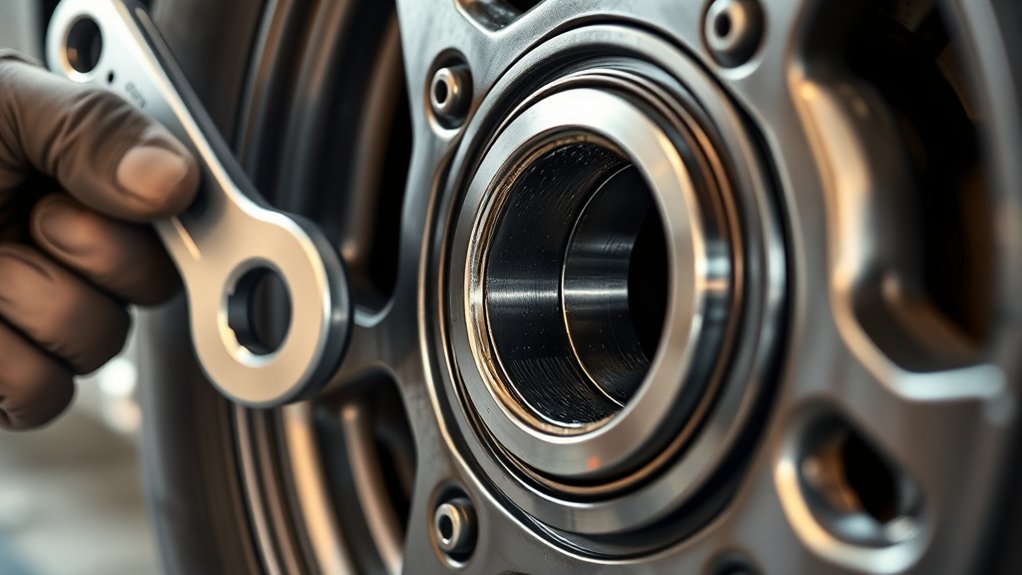
What exactly are wheel bearings, and why should you pay close attention to them? Wheel bearings are critical components that enable the smooth rotation of your vehicle’s wheels by reducing friction between the axle and wheel hub.
When you install new tires, wheel bearings must be in prime condition to ensure even wear and prevent premature damage. Faulty bearings can negatively impact your wheel alignment, causing uneven tire wear and compromised handling.
Ignoring their condition may lead to increased rolling resistance, reduced fuel efficiency, and safety risks. By understanding the role of wheel bearings, you can better maintain your vehicle’s performance and tire longevity.
Proper inspection and timely servicing of wheel bearings are essential to support the integrity of new tires and maintain accurate wheel alignment.
How Long Do Wheel Bearings Usually Last?
You can expect wheel bearings to last anywhere between 85,000 and 100,000 miles under normal conditions. However, factors like driving habits, road quality, and maintenance frequency considerably impact their durability. Understanding these variables helps you predict when replacement might be necessary.
Average Lifespan Range
How long wheel bearings last depends on various factors, including driving conditions, maintenance, and bearing quality. Typically, you can expect wheel bearings to last between 85,000 and 120,000 miles. Avoiding unrelated topics or off-topic discussion ensures you focus on realistic lifespan estimates without confusion.
| Vehicle Type | Average Lifespan (miles) | Notes |
|---|---|---|
| Passenger Cars | 85,000 – 115,000 | Standard quality bearings |
| SUVs | 90,000 – 120,000 | Heavier loads impact lifespan |
| Light Trucks | 80,000 – 110,000 | Frequent off-road use reduces life |
| High-Performance | 70,000 – 100,000 | Increased stress accelerates wear |
| Electric Vehicles | 90,000 – 130,000 | Regenerative braking reduces load |
This range provides a precise baseline for expected wheel bearing performance.
Factors Affecting Durability
Why do some wheel bearings fail sooner than others? Several key factors influence their durability, including load conditions, maintenance frequency, and environmental exposure. Excessive loads accelerate wear by increasing friction and heat, while inadequate lubrication leads to early failure due to metal-to-metal contact.
Contaminants like dirt and moisture degrade seals, causing corrosion and reduced lifespan. Driving habits and terrain also matter; frequent off-road or rough-surface driving stresses bearings more than smooth pavement.
It’s important to avoid irrelevant topic or off-topic discussion when assessing these factors, as unrelated information can obscure critical maintenance insights. By focusing on these precise variables, you can better predict wheel bearing longevity and optimize replacement intervals to ensure vehicle safety and performance.
Signs Your Wheel Bearings Are Wearing Out
When should you start paying attention to the condition of your wheel bearings? Early signs include unusual noises such as grinding or humming that vary with vehicle speed and worsen during turns.
You might also experience vibrations or looseness in the steering wheel, indicating bearing wear affecting wheel alignment. If you notice uneven tire wear despite regular tire rotation, this could signal bearing degradation disrupting proper wheel positioning.
Additionally, a noticeable play when manually rocking the wheel suggests bearing clearance issues. Ignoring these symptoms might lead to increased friction, heat buildup, or even wheel detachment.
Monitoring these precise indicators helps you address bearing problems promptly, maintaining vehicle safety and performance. Regular maintenance, including wheel alignment checks and tire rotation, supports early detection of bearing wear.
How to Inspect Wheel Bearings Yourself
To inspect your wheel bearings, start by examining the hub for visible signs of wear like corrosion or grease leakage. Next, check for bearing play by lifting the wheel and gently rocking it side to side, noting any excessive movement. These steps help identify early bearing issues before they lead to failure.
Visual Signs Of Wear
How can you confidently determine if your wheel bearings are wearing out without specialized tools? Visual inspection is your first step. Ignore irrelevant theory or obscure materials; focus on tangible signs like grease leakage, corrosion, and physical damage.
These indicators signal compromised bearing integrity, affecting safety and performance.
| Visual Sign | What It Means |
|---|---|
| Grease Leakage | Seal failure, contamination risk |
| Rust or Corrosion | Moisture ingress, structural decay |
| Metal Shavings | Internal wear, imminent failure |
| Physical Damage | Impact or fatigue-related cracks |
Checking Bearing Play
Why does checking bearing play matter for wheel bearing health? Excessive play indicates worn or damaged bearings, which can compromise vehicle safety and performance.
To inspect bearing play, lift the wheel off the ground and grasp it firmly at the 12 and 6 o’clock positions. Rock the wheel back and forth while monitoring any movement felt at the hub. Minimal movement is acceptable; noticeable play signals bearing wear needing immediate attention.
You can also check side-to-side movement by holding the wheel at 3 and 9 o’clock. This hands-on method is essential in routine maintenance to detect early signs of failure before catastrophic damage occurs.
Regularly assessing bearing play helps you maintain peak function and avoid costly repairs by addressing issues proactively.
What Causes Wheel Bearings to Wear Out Faster
What factors accelerate the deterioration of wheel bearings? Contamination is a primary cause; dirt, water, or debris entering the bearing assembly compromise lubrication, increasing friction and wear. Improper installation also accelerates wear. Incorrect torque or misalignment causes uneven load distribution, leading to premature failure.
Additionally, inadequate lubrication reduces the bearing’s ability to manage heat and friction, speeding up deterioration. Corrosion, often resulting from exposure to moisture or road salts, weakens bearing materials. It’s important to avoid off topic content like unrelated topic discussions about tires or brakes here, as they don’t directly impact bearing wear.
Focusing strictly on mechanical and environmental factors affecting the bearing ensures you understand the precise reasons for faster degradation and can address them effectively to extend bearing life.
How Driving Habits Affect Wheel Bearings
When do your driving habits put extra strain on wheel bearings? Aggressive acceleration, sharp turns, and frequent abrupt stops increase lateral and radial loads, accelerating bearing wear.
Consistently driving at high speeds amplifies heat generation within bearings, degrading lubrication and causing premature failure. Additionally, uneven or abrupt maneuvers exert asymmetric forces, stressing bearing components unevenly.
Your maintenance routines directly influence bearing longevity; neglecting timely inspections and lubrication accelerates deterioration caused by these driving habits. Regularly checking for bearing play, unusual noises, and ensuring proper lubrication can mitigate damage.
How Weather and Roads Affect Your Wheel Bearings
How do varying weather conditions and road surfaces impact your wheel bearings? Different weather patterns influence bearing lifespan by altering moisture levels and temperature extremes.
Excessive moisture from rain or snow can penetrate seals, accelerating corrosion and lubricant degradation. Similarly, temperature fluctuations cause metal expansion and contraction, stressing bearing components.
Road materials also play a critical role; rough, abrasive surfaces increase mechanical stress and introduce contaminants like dust and grit into the bearing assembly. Asphalt tends to cause less wear compared to gravel or unpaved roads, which generate more vibration and debris exposure.
Understanding these factors helps you anticipate bearing wear rates accurately. Monitoring wheel bearings more frequently under harsh weather and challenging road conditions ensures optimal performance and prevents premature failure.
When to Repair and When to Replace Wheel Bearings
Environmental and road conditions directly influence the rate at which wheel bearings deteriorate, making it important to assess their condition regularly. You should follow a strict maintenance schedule and inspect bearings for noise, vibration, or play.
Minor issues like slight noise may warrant repair, but significant wear or damage requires replacement to avoid safety risks.
| Condition | Recommended Action | Timeframe |
|---|---|---|
| Slight noise | Repair | Next maintenance cycle |
| Moderate vibration | Inspect & possibly repair | Within 1,000 miles |
| Excessive play or noise | Replace | Immediately |
| Visible damage or rust | Replace | Immediately |
Adhering to this approach ensures optimal wheel bearing performance and vehicle safety.
What to Expect During Wheel Bearing Replacement
What should you anticipate during a wheel bearing replacement? The replacement procedure involves several precise steps to ensure optimal function and safety. You’ll notice the mechanic carefully disassembling components to access the wheel bearings, followed by thorough inspection for damage or wear.
Key aspects of the wheel bearings replacement procedure include:
- Removing the wheel and brake assembly to access the hub.
- Detaching the hub to isolate the wheel bearings.
- Pressing out old bearings with specialized tools.
- Installing new bearings with exact torque specifications.
- Reassembling and testing for smooth rotation and noise absence.
Understanding this process helps you appreciate the technical precision required for reliable wheel bearing replacements.
Maintenance Tips to Extend Wheel Bearing Life
You should establish a regular inspection routine to detect early signs of wear or contamination in your wheel bearings. Applying the correct type and amount of lubricant is critical to minimize friction and prevent overheating. These maintenance practices directly influence the longevity and performance of your wheel bearings.
Regular Inspection Routine
A consistent inspection routine plays a crucial role in extending the life of your wheel bearings. Understanding fundamental wheel concepts helps you differentiate between common bearing myths and actual wear indicators.
To maintain optimal performance, you should:
- Visually check for signs of grease leakage or contamination.
- Listen for unusual noises during wheel rotation.
- Feel for excessive play or roughness when spinning the wheel.
- Inspect seals and dust caps for damage or deterioration.
- Monitor temperature changes after driving, indicating potential bearing issues.
This analytical approach prevents premature failure by catching early warning signs. By systematically applying these inspection steps, you’ll enhance reliability and avoid costly repairs, ensuring your wheel bearings perform at peak efficiency. Don’t fall for bearing myths. Trust precise diagnostics based on solid wheel concepts to guide your maintenance routine.
Proper Lubrication Practices
Maintain wheel bearing longevity by adhering to proper lubrication practices that minimize friction and prevent contamination. You should first identify the correct bearing lubrication types, typically high-quality grease or oil designed for wheel bearings, and apply them according to manufacturer specifications.
Always verify lubrication compatibility to avoid chemical reactions that degrade lubricant performance or damage seals. When repacking bearings, remove all old lubricant to prevent mixing incompatible greases, which can compromise lubrication efficacy.
Use precision tools to evenly distribute grease, ensuring complete coverage without overfilling, which can cause excessive heat. Regularly monitor lubricant condition and replace it at recommended intervals or immediately if contamination is detected.
Daily Care Tips to Keep Your Wheel Bearings Running Smoothly
How often should you inspect your wheel bearings to ensure optimal performance? Regular daily maintenance is crucial to prolong their lifespan and prevent premature failure. Integrate bearing checks into your routine, especially during tire rotations, which provide an excellent opportunity for inspection.
To keep your wheel bearings running smoothly, focus on these key daily care tips:
- Visually inspect for grease leaks or contamination.
- Listen for unusual noises during driving.
- Check for excessive wheel play or vibration.
- Ensure seals and dust caps are intact and secure.
- Maintain proper lubrication levels as specified by the manufacturer.
Frequently Asked Questions
Can Wheel Bearings Affect Fuel Efficiency?
Yes, faulty wheel bearings increase friction, reducing fuel efficiency. You’ll notice uneven tire wear and compromised wheel alignment, which forces your engine to work harder.
Fixing bearings optimizes performance and saves fuel over time.
Are Wheel Bearings the Same for All Vehicle Types?
No, wheel bearings vary by vehicle type due to differences in bearing materials and axle compatibility. You’ll need specific bearings designed for your vehicle’s load, speed, and axle configuration to ensure optimal performance and durability.
How Much Does Wheel Bearing Replacement Typically Cost?
Like facing an unexpected storm, wheel bearing replacement costs vary, typically ranging from $150 to $400. Factors like bearing lifespan, vehicle type, and labor rates influence the final price, so anticipate variability in your repair estimate.
Can Wheel Bearing Noise Be Mistaken for Other Issues?
Yes, wheel bearing noise can lead to noise misdiagnosis, often confused with tire or brake issues. Use diagnostic tips like rotating the wheel and listening for grinding to accurately pinpoint wheel bearing problems.
Do Wheel Bearings Require Lubrication After Replacement?
You don’t need to lubricate sealed wheel bearings after replacement, but you must ensure proper wheel calibration and tire alignment. This maintains bearing integrity and optimizes performance, preventing premature wear or uneven load distribution during operation.
Conclusion
Imagine your wheel bearings as the silent pivots beneath your wheels, tirelessly spinning to keep you moving smoothly. Knowing their lifespan helps you anticipate wear before it disrupts your drive. By spotting signs early and maintaining them regularly, you can prevent unexpected failures.
Regular inspections and timely replacements are key to maintaining your vehicle’s stability and performance. These critical components ensure your wheels turn efficiently and safely. Ignoring their condition can lead to costly repairs or dangerous situations on the road.
To keep your vehicle running reliably, understanding how long wheel bearings last is essential. Proper care extends the life of your bearings and enhances the safety of every journey.