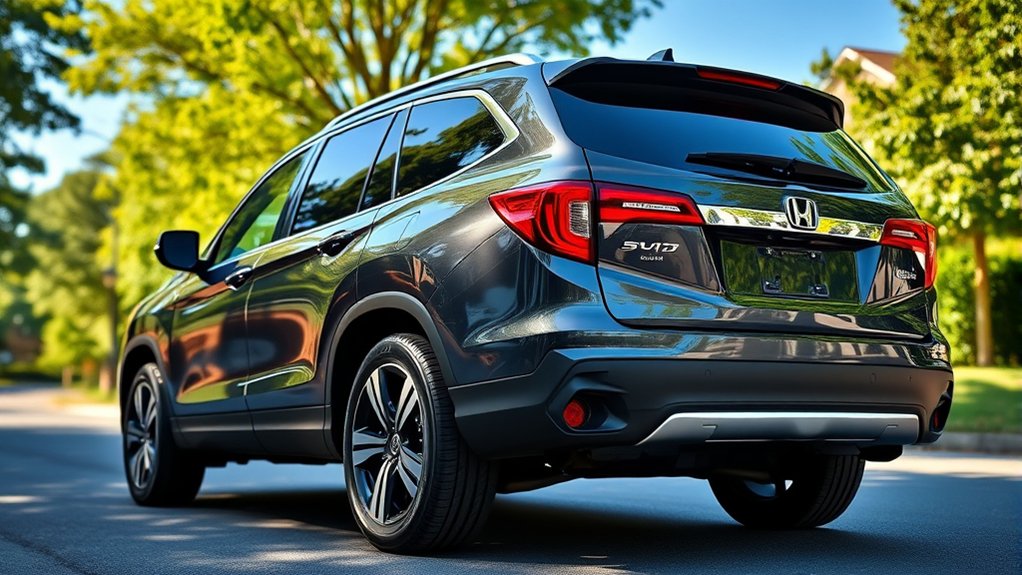
How Long Do Honda Pilots Last
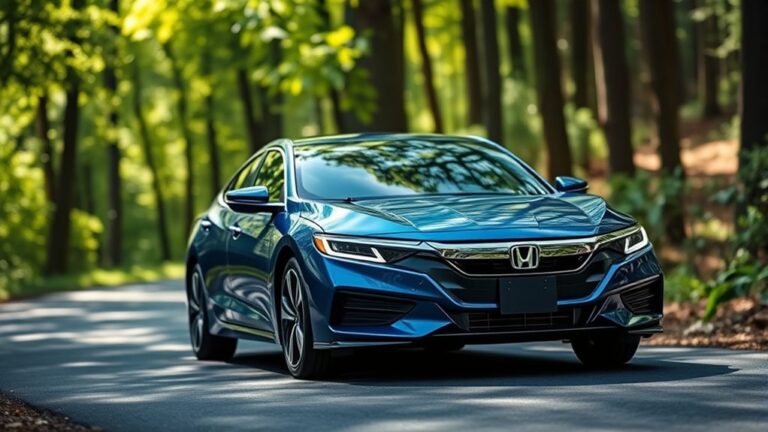
You can expect your Honda Pilot to last between 200,000 and 300,000 miles with proper maintenance and careful driving. Longevity depends on consistent oil changes, timely brake replacements, and paying attention to transmission and suspension health. Driving habits like avoiding aggressive acceleration and maintaining steady speeds also play a key role.
Different model years show varying durability, with newer ones benefiting from updated technology. Understanding these factors will help you get the most out of your Pilot’s lifespan.
Key Takeaways
- Honda Pilots typically last between 200,000 and 300,000 miles with proper maintenance.
- Early 2000s models show strong durability but may require age-related repairs.
- Regular oil changes and timely brake replacements significantly extend the vehicle’s lifespan.
- Driving habits like avoiding aggressive acceleration help reduce wear and prolong longevity.
- Later models (2016 and newer) benefit from updated technology but lack long-term reliability data.
How Many Miles Can a Honda Pilot Typically Last?
How many miles can you expect your Honda Pilot to last before needing major repairs? Typically, Honda Pilots have longevity expectations ranging between 200,000 to 300,000 miles with proper maintenance. This lifespan depends on factors such as driving habits, maintenance routines, and environmental conditions.
Regular oil changes, timely brake replacements, and attentive care to the transmission and suspension systems significantly influence how many miles your Pilot will endure. While some drivers report reaching beyond 250,000 miles without substantial issues, others may face repairs earlier due to neglect or harsher driving conditions.
Which Honda Pilot Model Years Last the Longest?
Understanding the typical mileage a Honda Pilot can reach helps set expectations, but the specific model year you choose also plays a significant role in longevity. When evaluating reliability comparisons across Pilot model years, certain trends emerge.
- Early 2000s models (2003-2005) show strong durability but may require more frequent repairs due to age.
- 2009-2011 Pilots improved engine reliability, addressing prior transmission concerns.
- The 2016-2018 generation benefits from updated technology and fewer maintenance myths, contributing to longer lifespan potential.
- Models after 2019 introduced safety enhancements but have limited long-term reliability data.
What Maintenance Helps Your Honda Pilot Run Longer?
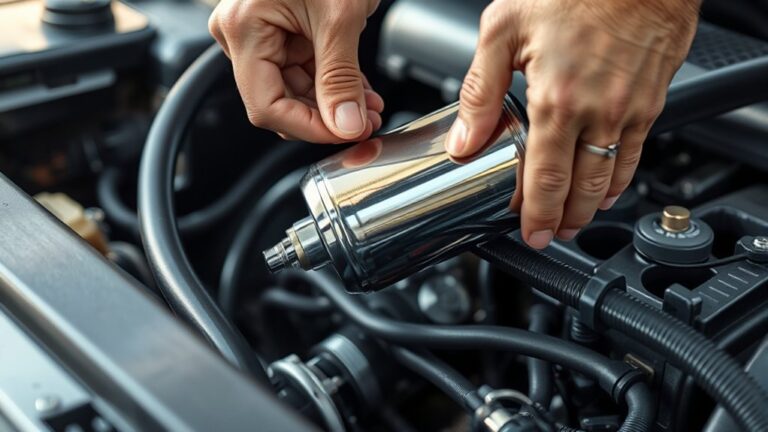
What steps can you take to ensure your Honda Pilot remains reliable for years? Regular maintenance is key. Start by changing the engine oil at recommended intervals; clean oil reduces friction and prevents engine wear. Neglecting this can shorten your Pilot’s lifespan.
Also, inspect and replace brake pads as needed. Worn brake pads decrease braking efficiency and can damage rotors, leading to costly repairs.
Additionally, monitor fluid levels, tires, and filters to maintain overall performance. Following the manufacturer’s maintenance schedule helps you catch issues early, preserving engine health and safety systems.
How Do Driving Habits Affect Honda Pilot Lifespan?
Beyond regular maintenance, the way you drive your Honda Pilot plays a significant role in its longevity. Your driving habits directly impact the vehicle’s mechanical health, fuel economy, and overall driving energy. Here’s how you can influence its lifespan:
- Avoid aggressive acceleration and braking. This reduces wear on the engine, brakes, and transmission.
- Maintain steady speeds. Consistent driving optimizes fuel economy and lessens engine strain.
- Limit short trips. Frequent cold starts increase engine wear and reduce driving energy efficiency.
- Use cruise control on highways. This promotes smoother driving and better fuel economy.
How to Tell When Your Honda Pilot Needs Major Repairs
How can you recognize when your Honda Pilot is signaling the need for major repairs? Start by monitoring engine oil levels and quality. If you notice frequent drops or dark, gritty oil despite regular changes, it could indicate internal engine issues.
Pay attention to unusual noises or reduced engine performance as additional red flags. Check tire wear patterns closely; uneven or rapid wear might suggest suspension or alignment problems requiring immediate attention.
Also, be alert to warning lights on the dashboard, persistent overheating, or difficulty starting. These signs, combined with irregular maintenance records, often point to significant repairs ahead.
Frequently Asked Questions
What Is the Average Resale Value of a Honda Pilot?
You’ll find the average resale value of a Honda Pilot holds strong, defying common reliability myths. While resale depreciation occurs, Honda’s reputation helps maintain better value compared to many SUVs in its class over time.
Are Honda Pilots Good for Off-Road Driving?
You’ll find the Honda Pilot handles off-road grip like a steady mountain goat, thanks to its well-engineered suspension tuning. While it’s no rugged beast, it offers reliable traction and comfort on moderate trails with confidence.
How Does Fuel Efficiency Vary by Honda Pilot Model Year?
Fuel efficiency varies by Honda Pilot model year, with newer models generally improving MPG due to updated engines and technology.
You’ll notice better city and highway mileage in recent years compared to older versions.
What Safety Features Are Standard in Newer Honda Pilots?
You won’t find airbags optional in newer Honda Pilots. They come standard with Honda Sensing, adaptive cruise, and collision mitigation.
These new safety features align smartly with fuel economy trends, ensuring you’re safe without sacrificing efficiency.
Can the Honda Pilot Tow Heavy Loads Effectively?
Yes, you can tow heavy loads effectively with the Honda Pilot by using tow tuning features that optimize engine performance and transmission. This enhances load handling, ensuring stable, safe towing even under demanding conditions.
Conclusion
If you’re hoping your Honda Pilot will last forever, you might want to invest in a time machine instead. Realistically, with proper maintenance and careful driving, you can expect it to comfortably hit 200,000 miles or more.
Ignoring regular upkeep? Well, you’ll be upgrading your ride sooner than you think. So, unless you enjoy unexpected repairs, treat your Pilot right.
It’ll repay you with reliable service for years to come. When it comes to how long Honda Pilots last, proper care is key to maximizing their lifespan.